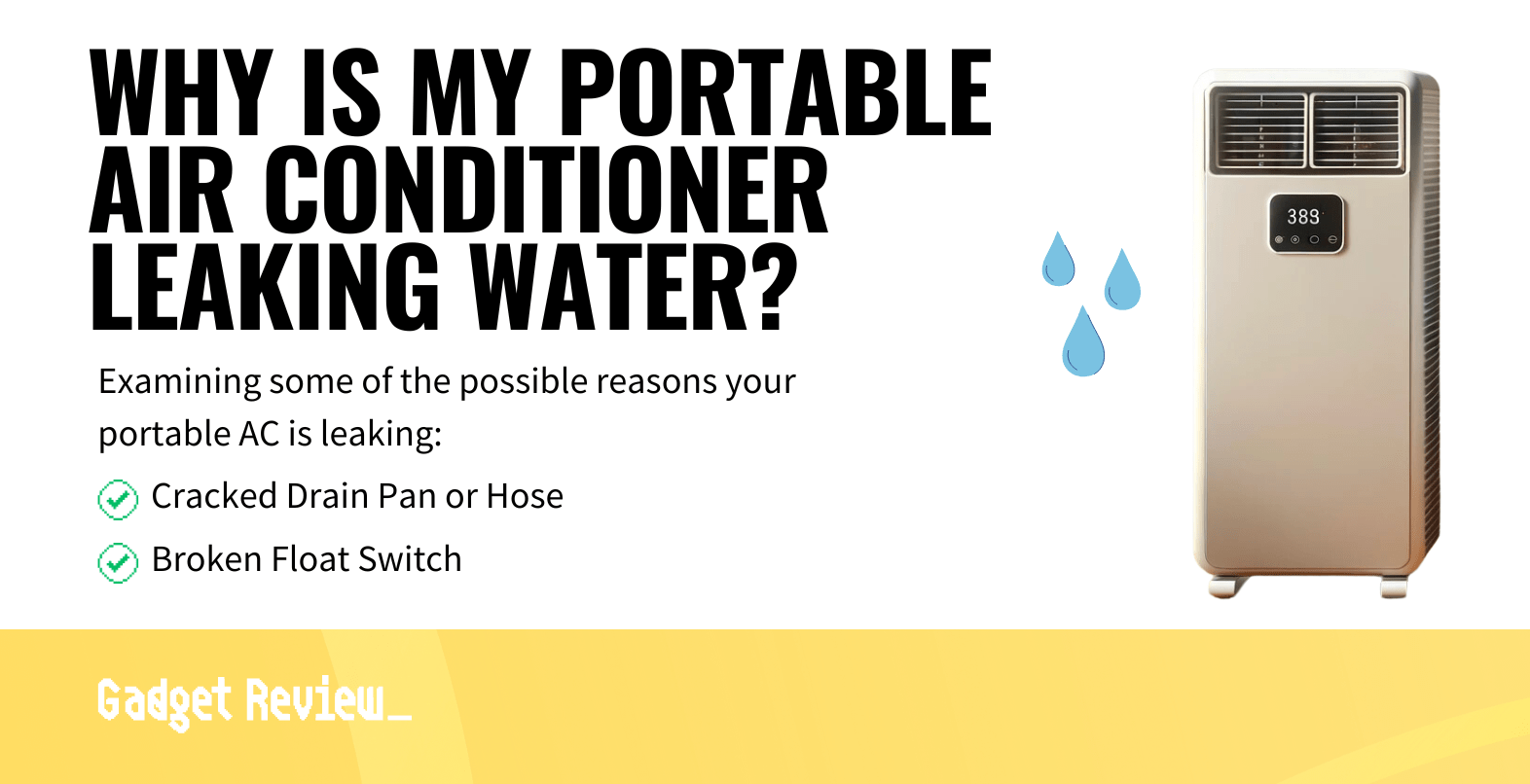
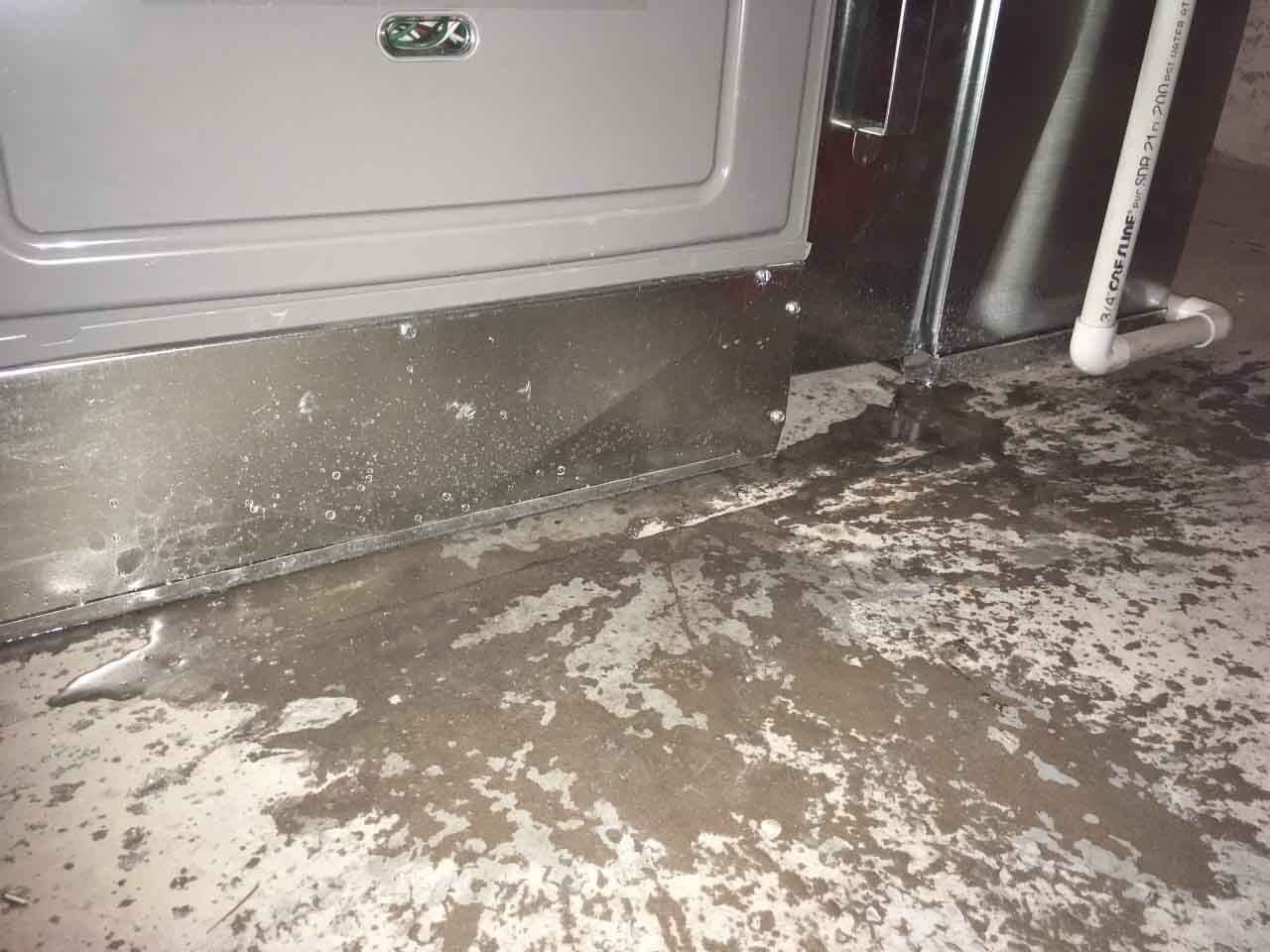
An air conditioner leaking water is most commonly caused by a clogged condensate drain line, a dirty air filter that causes the evaporator coils to freeze, or a damaged drain pan. While often a minor maintenance issue, persistent leaks can lead to significant water damage, mold growth, and electrical hazards if not addressed promptly by cleaning the system or seeking professional repair.
A leaking air conditioner is one of the most frustrating issues a homeowner or building manager can face, particularly during the peak of summer. While it may seem like a minor nuisance, the presence of water where it shouldn't be is a symptom of a systemic failure within the HVAC (Heating, Ventilation, and Air Conditioning) cycle. In 2026, as high-efficiency units become the standard and smart home integration becomes more complex, understanding the mechanical and environmental factors behind these leaks is essential for maintaining both comfort and property value.
The Mechanics of Condensation in Air Conditioning
To understand why an air conditioner (aircon) leaks water, one must first understand how it produces water in the first place. An air conditioner does not just cool the air; it dehumidifies it. As the unit draws warm, humid indoor air over the cold evaporator coils, the moisture in the air condenses into liquid water—much like beads of water forming on a cold glass of soda on a humid day.
Under normal operating conditions, this water (condensate) drips into a specialized drain pan and flows through a condensate drain line to the outside of the building or into a floor drain. When this delicate balance of airflow, temperature, and drainage is disrupted, the water has nowhere to go but out of the unit and onto your floor or walls.
Primary Causes of Aircon Water Leaks
There are several distinct reasons why the drainage system might fail. Identifying the specific cause requires a systematic look at the unit’s internal components.
1. Clogged Condensate Drain Line
The most frequent culprit is a blockage in the drain pipe. Because the condensate water often carries dust, lint, and organic matter from the indoor air, the drain line becomes a breeding ground for algae, mold, and "bio-slime." Over time, these substances accumulate into a thick sludge that prevents water from exiting.
When the line is blocked, the water backs up into the internal drain pan. Once the pan reaches its capacity, it overflows. In modern 2026 high-efficiency systems, many units are equipped with a float switch (or "kill switch") that automatically shuts down the system if it detects a backup, preventing a flood. However, older or simpler units may continue to run, leading to significant water damage.
2. Dirty Air Filters and Airflow Restriction
It may seem counterintuitive that a dirty filter causes a water leak, but the physics are straightforward. An air conditioner requires a constant volume of warm air passing over the evaporator coils to keep the refrigerant inside them from getting too cold.
If the air filter is clogged with dust, the airflow is restricted. Without enough warm air to absorb the "cold" from the coils, the temperature of the coils drops below freezing. The moisture that should be dripping into the pan instead turns into ice, encasing the coils. When the unit eventually cycles off or the ice becomes too heavy, it begins to melt rapidly. This "flash melt" produces a volume of water that the drain pan and line were never designed to handle simultaneously, leading to an overflow.
3. Damaged or Rusted Drain Pan
In older central air conditioning units, the primary drain pan is often made of metal. After years of constant exposure to moisture, these pans can develop rust and eventual holes. Even a pinhole leak can lead to a steady drip. In newer units, pans are typically made of high-grade polymers that do not rust, but they can still crack if the unit was installed improperly or if the plastic has become brittle due to extreme temperature fluctuations.
4. Low Refrigerant Levels
Similar to the dirty filter issue, low refrigerant levels (often caused by a leak in the lines) change the pressure within the system. According to the laws of thermodynamics, lower pressure results in lower temperatures. This causes the evaporator coils to freeze over. As mentioned previously, when that ice melts, it creates a massive water surge that overwhelms the drainage system.
5. Improper Installation and Leveling
For window-mounted units or split-system indoor units, gravity is the primary force moving water out of the building. If a window unit is tilted inward rather than slightly outward, water will pool and leak into the room. For wall-mounted split units, if the unit is not perfectly level on its bracket, the water may pool at the "high" end of the internal gutter rather than flowing toward the drain hole at the "low" end.
Comparing Causes and Solutions
The following table provides a quick reference for diagnosing the severity and typical fix for various leakage scenarios.
| Cause | Primary Symptom | DIY vs. Pro | Estimated 2026 Cost (USD) |
|---|---|---|---|
| Clogged Drain Line | Water dripping from the indoor unit's casing. | DIY/Pro | $100 – $225 |
| Dirty Air Filter | Ice on coils; weak airflow; leaking when off. | DIY | $15 – $50 (Filter cost) |
| Frozen Coils (Low Freon) | Ice buildup; air is not cold. | Professional Only | $250 – $700+ |
| Cracked Drain Pan | Constant dripping regardless of humidity. | Professional | $200 – $400 |
| Broken Condensate Pump | Water pooling around the furnace/air handler. | Professional | $150 – $300 |
| Faulty Installation | Leakage immediately after a new install. | Installer | Warranty Covered |
Health and Safety Risks of Ignoring Leaks
A leaking air conditioner is not just a structural threat; it is a health and safety concern. Water pooling inside an HVAC system or within wall cavities creates the perfect environment for mold and mildew growth. According to the U.S. Environmental Protection Agency (EPA), mold can begin to grow on damp surfaces within 24 to 48 hours.
Furthermore, air conditioners are electrical appliances. If water leaks into the electrical control board or onto exposed wiring, it can cause a short circuit, permanently damaging the unit or, in extreme cases, posing a fire risk. In multi-story buildings, a leak from an upper-floor unit can damage the ceilings and electronics of the residents below, leading to significant liability issues.
Step-by-Step DIY Troubleshooting
If you notice your aircon is leaking, follow these steps before calling a technician. These steps can often resolve the issue without a service fee.
Step 1: Power Down the System
Safety is paramount. Turn off the air conditioner at the thermostat and, if possible, shut off the circuit breaker dedicated to the HVAC unit. This prevents further ice buildup and protects the electrical components.
Step 2: Inspect the Air Filter
Slide out the air filter. If you cannot see light through it when holding it up to a lamp, it is too dirty. Replace it with a fresh filter of the correct MERV (Minimum Efficiency Reporting Value) rating. For most residential systems in 2026, a MERV 8 to 11 is the standard for balancing filtration and airflow.
Step 3: Check the Drain Pan and Line
If you have a central air system, locate the air handler (usually in an attic, closet, or basement). Check the emergency drain pan. If it’s full of water, your main line is clogged. You can attempt to clear a clog using a wet/dry vacuum. Attach the vacuum hose to the end of the condensate drain line (usually located outside near the ground) and create a seal with a wet rag. Run the vacuum for 30 seconds to suck out any algae or debris.
Step 4: Inspect for Ice
If you see ice on the copper lines leading into the unit or on the coils themselves, do not attempt to scrape it off. You risk puncturing the coils. Instead, leave the system off and let the ice melt naturally. Once melted, check if the unit functions correctly with a clean filter.
When to Call a Professional
While DIY maintenance is effective for clogs and filters, certain issues require specialized tools and certification. Under regulations like the EPA Section 608, only certified technicians can handle refrigerants.
- Refrigerant Leaks: If the unit is leaking water because the coils are freezing despite a clean filter, you likely have a refrigerant leak. A technician must find the leak, repair the copper line, and recharge the system.
- Condensate Pump Failure: If your unit is in a basement and uses a pump to push water up and out, a mechanical failure in the pump will cause an overflow. These units usually need complete replacement.
- Internal Component Damage: If the internal primary drain pan (located deep inside the air handler) is cracked, the unit often requires significant disassembly to reach and replace the part.
Preventive Maintenance for 2026 and Beyond
The best way to handle a leaking air conditioner is to prevent it from happening. Modern HVAC experts recommend a multi-layered approach to maintenance:
- Bi-Annual Inspections: Schedule a professional "tune-up" in the spring before the cooling season and in the fall before the heating season.
- Regular Filter Changes: In 2026, many smart thermostats track airflow and pressure to tell you exactly when a filter is dirty. Otherwise, change them every 60 to 90 days.
- Algae Tablets: Placing condensate pan tablets (available at most hardware stores) in the drain pan every few months can chemically prevent the growth of "bio-slime" and algae.
- Clear the Area: Ensure the outdoor condenser unit is free of leaves, debris, and tall grass. Proper heat dissipation outside helps maintain the correct pressures inside.
Frequently Asked Questions
Why is my aircon leaking water only when it is turned off?
This usually indicates that the evaporator coils were frozen while the unit was running. When you turn the unit off, the ice begins to melt. Because the ice can be quite thick, it melts faster than the drain line can handle, or the ice melt drips from parts of the coil that are not positioned directly over the drain pan.
Is it normal for an outdoor unit to leak water?
Yes, it is often normal for the outdoor unit to have some moisture or dripping around it, especially in heat pump mode during cooler weather (defrost cycle). However, if water is gushing from the outdoor casing or if there is a massive puddle that never dries, it could indicate a clogged internal drain in the outdoor assembly or a refrigerant line insulation issue.
Can I use bleach to clear my aircon drain line?
While bleach kills algae, it can be corrosive to metal drain pans and may damage the glue used in PVC pipe joints if used in high concentrations. Many manufacturers now recommend using distilled white vinegar or specialized HVAC foaming cleaners, which are safer for the components and the environment.
How much water should an air conditioner produce?
In extremely humid climates, a central air conditioning system can produce between 5 and 20 gallons of water per day. This is a significant volume, which is why a properly functioning drainage system is so vital to the integrity of your home.
Why is my new aircon leaking water immediately after installation?
This is almost always due to an installation error. The most common issues are an improperly leveled unit, a trapped drain line (where the pipe dips and creates an air lock), or a failure to properly prime the condensate pump. Contact your installer immediately, as this should be covered under their labor warranty.
Practical Recommendation
If your aircon is leaking water, shut it off immediately to prevent damage to your floors and the unit’s electrical system. Start by replacing the air filter and checking the exterior end of the drain line for visible blockages. If the leak persists after the unit has been off for several hours and the filter is clean, contact a licensed HVAC technician to inspect the refrigerant levels and the integrity of the internal drain pan. Regular maintenance remains the most cost-effective way to avoid these disruptions.