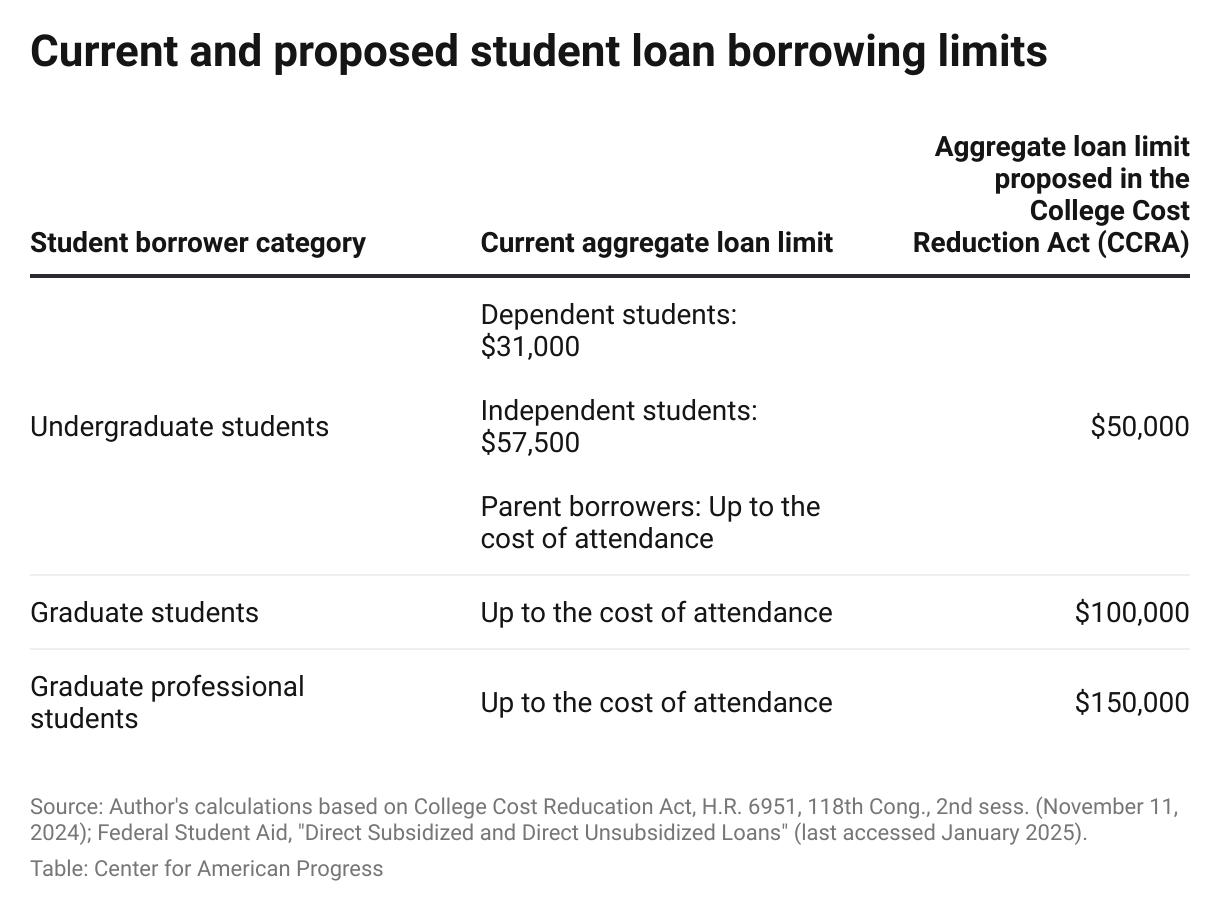
The aggregate loan limit for student borrowers is the total maximum amount of federal student loan debt a student is permitted to carry at one time. As of 2026, these limits are determined by the student's dependency status and their level of education, ranging from $31,000 for dependent undergraduates to $138,500 for graduate and professional students.
Navigating the landscape of federal financial aid requires a clear understanding of not just how much you can borrow in a single year, but how much you are allowed to borrow over the course of your entire academic career. The federal government imposes these "lifetime" or aggregate limits to prevent students from accumulating unmanageable debt and to ensure that federal funds are distributed across the student population. Understanding these caps is essential for long-term financial planning, as reaching a limit can abruptly stop the flow of federal aid, requiring students to find alternative funding sources to complete their degrees.
The Mechanics of Federal Aggregate Loan Limits
Aggregate loan limits apply specifically to Federal Direct Subsidized and Unsubsidized Loans. Unlike annual limits, which dictate the maximum you can receive within a single academic year, aggregate limits track your total outstanding principal. It is important to note that the aggregate limit is not necessarily a "total borrowed" cap, but a "total outstanding" cap. If you pay down the principal of your existing federal loans, you effectively "free up" space under your aggregate limit, potentially allowing you to borrow more if you remain in school.
The U.S. Department of Education distinguishes between two primary types of loans within these limits:
- Direct Subsidized Loans: These are available to undergraduate students with demonstrated financial need. The government pays the interest while the student is in school at least half-time.
- Direct Unsubsidized Loans: These are available to both undergraduate and graduate students, regardless of financial need. Interest accrues from the moment the loan is disbursed.
Every aggregate limit includes a "sub-limit" for subsidized loans. For example, while an independent undergraduate has a total aggregate limit of $57,500, no more than $23,000 of that total can be in subsidized loans.
Undergraduate Aggregate Limits and Dependency Status
For undergraduate students, the aggregate loan limit is heavily influenced by dependency status. The Department of Education uses a specific set of criteria to determine if a student is "dependent" on their parents or "independent." Generally, students under age 24 are considered dependent unless they are married, veterans, or meet other specific legal criteria.
Dependent Undergraduate Students
Dependent students have the lowest aggregate limits because the federal government assumes their parents will provide financial support, often through Parent PLUS loans. As of 2026, the aggregate limit for dependent undergraduates is $31,000. Of this amount, no more than $23,000 can be in subsidized loans.
If a dependent student’s parents are ineligible for a Direct PLUS Loan due to adverse credit history, the student may become eligible for additional unsubsidized loan amounts, effectively raising their individual borrowing capacity to the level of an independent student.
Independent Undergraduate Students
Independent students, or dependent students whose parents cannot obtain PLUS loans, have a higher aggregate limit of $57,500. The subsidized portion of this limit remains capped at $23,000. The higher total limit acknowledges that independent students are solely responsible for their educational costs and do not have the "safety net" of parental borrowing.
Graduate and Professional Student Limits
Graduate and professional students face a significantly higher aggregate limit, reflecting the increased cost of advanced degrees. For 2026, the aggregate limit for graduate or professional students is $138,500.
There are several critical nuances to the graduate aggregate limit:
- Inclusion of Undergraduate Debt: The $138,500 limit is a cumulative total. It includes all federal loans borrowed for undergraduate study as well as graduate study. If a student borrowed $57,500 as an undergraduate, they would have $81,000 in remaining eligibility for graduate school.
- Subsidized Loan Restrictions: Since July 1, 2012, graduate and professional students have not been eligible for subsidized loans. Therefore, the subsidized portion of their aggregate limit (capped at $65,500) only applies to subsidized loans they may have borrowed during undergraduate study or for graduate study prior to the 2012 policy change.
- Direct PLUS Loans: Graduate students who reach their aggregate limit for Direct Unsubsidized Loans may still be eligible for Grad PLUS loans. Grad PLUS loans do not have a fixed aggregate limit; instead, a student can borrow up to the full cost of attendance (COA) minus other financial aid received.
Aggregate Loan Limits for Health Profession Students
Students enrolled in specific health profession programs—such as medicine, dentistry, optometry, and pharmacy—are eligible for increased aggregate limits. This exception exists because the cost of medical education often far exceeds the standard $138,500 cap.
For these students, the aggregate limit can be increased significantly, often reaching $224,000 or more, depending on the specific program and the length of the academic year. These increased limits apply specifically to Direct Unsubsidized Loans. Students in these programs should consult their university’s financial aid office to confirm the exact ceiling for their specific degree track, as these are governed by specialized sections of the Higher Education Act.
Comprehensive Aggregate Loan Limit Table (2026)
| Student Category | Total Aggregate Limit | Subsidized Loan Sub-Limit |
|---|---|---|
| Dependent Undergraduate | $31,000 | $23,000 |
| Independent Undergraduate | $57,500 | $23,000 |
| Graduate/Professional Student | $138,500 | $65,500* |
| Health Profession Student | $224,000 - $266,000+ | $65,500* |
*Note: Graduate subsidized limits apply only to loans disbursed prior to 2012 or during undergraduate years.
How to Track Your Aggregate Balance
To avoid surprises during the financial aid award process, students must proactively monitor their aggregate loan balances. The federal government maintains a centralized database known as the National Student Loan Data System (NSLDS), which is accessible to students via the StudentAid.gov portal.
By logging in with an FSA ID, a borrower can see a comprehensive history of every federal loan they have ever received. The "Dashboard" provides a summary of the total outstanding principal and interest. When reviewing this data, focus on the outstanding principal. The aggregate limit applies to the original amount borrowed minus any principal payments made. It does not typically include accrued interest that has not been capitalized, though capitalized interest (interest added to the principal) does count toward the limit.
Reaching the Limit: Consequences and Solutions
When a borrower reaches the aggregate loan limit, the federal government will no longer originate new Direct Subsidized or Unsubsidized loans for that student. This is often discovered during the "packaging" phase of financial aid at the start of a new academic year.
The "Over-borrowing" Notification
If a student inadvertently receives funds that put them over the aggregate limit, they will receive a notification of an "overpayment" or "over-borrowing" status. In this scenario, the student is ineligible for further federal student aid (including Pell Grants and work-study) until the issue is resolved. Resolution usually requires:
- Paying back the excess amount: Directly returning the funds that exceeded the limit.
- Reaffirmation: Signing a legal agreement acknowledging the debt and promising to repay it, effectively "resetting" the eligibility for other types of aid, though not necessarily allowing for more borrowing until the balance drops below the cap.
Alternative Funding Options
Once the aggregate limit for Direct Loans is reached, students must look elsewhere for funding:
- Direct PLUS Loans: For graduate students or parents of undergraduates, PLUS loans are the primary fallback. They require a credit check but do not have the same aggregate caps as Direct Loans.
- Private Student Loans: These are offered by banks and credit unions. They often require a cosigner and have interest rates based on creditworthiness rather than federal statutes.
- Institutional Aid: Many universities offer their own loans or emergency grants for students nearing completion who have exhausted federal limits.
- Repayment to Borrow More: For students who still have several years of school left, making aggressive principal payments on existing loans can bring the total balance below the aggregate limit, allowing them to borrow again in subsequent semesters.
Common Mistakes and Strategy
A frequent mistake students make is failing to account for their undergraduate debt when planning for graduate school. Because the graduate limit of $138,500 includes undergraduate loans, a student who borrowed the maximum $57,500 as an independent undergraduate may find themselves with significantly less room than expected for an expensive law or MBA program.
Another misconception is that the aggregate limit is a "per-degree" cap. It is a lifetime cap. If you complete one Master’s degree and start another, the loans from the first degree still count against your $138,500 limit. Only through repayment or specialized loan forgiveness programs (after they are fully executed) is this balance reduced.
Expert Tip: If you are nearing your aggregate limit, prioritize using any available cash or scholarships to pay for tuition directly rather than borrowing. If you must borrow, ensure you understand the difference in interest rates between Grad PLUS loans and Direct Unsubsidized loans, as Grad PLUS loans typically carry higher rates and fees.
FAQs
Can the aggregate loan limit be increased for inflation?
No, the aggregate loan limits are set by federal statute (the Higher Education Act) and do not automatically adjust for inflation. Any change to these limits requires an act of Congress. As of 2026, the limits have remained stable for several years despite rising tuition costs.
Do Perkins Loans count toward the aggregate limit?
The Federal Perkins Loan Program expired in 2017. While many borrowers still have outstanding Perkins Loans, these are technically distinct from the Direct Loan aggregate limits. However, when consolidating loans, the resulting Direct Consolidation Loan will count toward your aggregate totals.
Does the limit include interest?
The aggregate limit applies to the principal balance of your loans. Unpaid interest that has not been "capitalized" (added to the principal) generally does not count toward the limit. However, once you enter repayment or if you have a period of deferment where interest capitalizes, that interest becomes part of the principal and thus counts toward your aggregate total.
If I pay off my loans, can I borrow up to the limit again?
Yes. The aggregate limit is a "revolving" cap in terms of your lifetime eligibility. If you borrow the maximum undergraduate amount of $31,000, enter the workforce, and pay that balance down to $0, you have the full $31,000 (or the graduate limit, if applicable) available to you if you return to school.
Do Pell Grants count toward the aggregate loan limit?
No. Pell Grants are a form of gift aid and do not need to be repaid. They have their own separate "Lifetime Eligibility Used" (LEU) limit, which is roughly equivalent to six years of full-time undergraduate funding, but they do not affect your student loan aggregate limits.
Final Recommendation
Borrowers should treat the aggregate loan limit as a firm ceiling in their educational planning. Before starting a new degree program, log into StudentAid.gov to verify your current outstanding principal. If you are within 20% of your limit, consult with a financial aid counselor to map out a multi-year funding strategy that includes alternative sources such as scholarships, work-study, or PLUS loans to ensure you can complete your program without a mid-degree funding crisis.