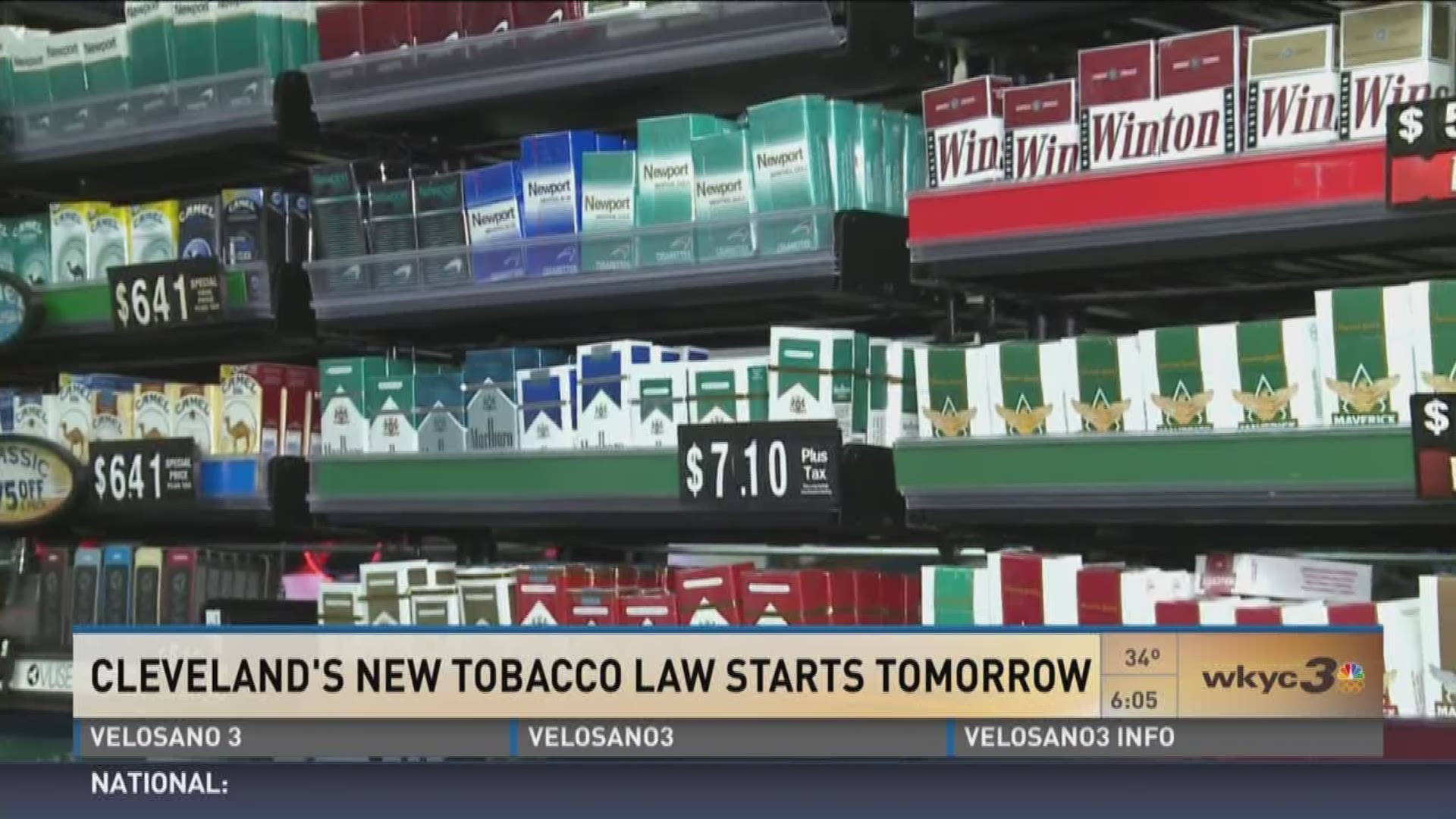
The legal age for purchasing tobacco products is 21 across the United States, following the enactment of the federal Tobacco 21 law in December 2019. This legislation raised the minimum purchase age from 18 to 21 nationwide, preempting state-level variations and establishing a uniform standard enforced by the Food and Drug Administration (FDA) and local authorities. Retailers must verify the identification of any customer attempting to purchase cigarettes, electronic nicotine delivery systems, cigars, or smokeless tobacco, regardless of the buyer's apparent maturity.
Understanding the legal landscape surrounding tobacco purchases requires looking beyond a single number. Federal regulations, state statutes, retailer compliance checks, and exceptions for military personnel create a complex web of requirements. As public health initiatives continue to evolve alongside market innovations like synthetic nicotine and flavored vapor products, staying informed about legal obligations protects both consumers from regulatory confusion and retailers from severe financial penalties.
The Federal Tobacco 21 Standard and Its Implementation
The foundation of modern tobacco purchasing regulations in the United States rests upon the federal legislation signed into law on December 20, 2019, which amended the Federal Food, Drug, and Cosmetic Act. This statute made it illegal for any retailer to sell any tobacco product—including cigarettes, cigars, e-cigarettes, and hookah tobacco—to anyone under the age of 21.
Unlike previous decades where states possessed the autonomy to set their own minimum ages between 18 and 21, the federal mandate created a mandatory baseline. The transition required nationwide compliance from thousands of convenience stores, gas stations, vape shops, and supermarkets. The law applies uniformly, meaning that local or state traditions allowing younger purchases are superseded by federal authority.
Scope of Regulated Tobacco Products
The legal definition of tobacco products subject to the age-21 restriction is comprehensive. It is not limited to traditional combustible cigarettes. Regulators include:
- Combustible items such as cigarettes, cigarette tobacco, roll-your-own tobacco, pipe tobacco, and cigars.
- Non-combustible items including smokeless tobacco, dip, chew, snus, and dissolvable tobacco products.
- Electronic nicotine delivery systems (ENDS), encompassing e-cigarettes, vapes, vape pens, pod-based devices, mods, and e-liquids containing nicotine derived from any source, including synthetic nicotine.
Evolution of Recent Regulatory Changes
While the baseline age of 21 has remained constant since late 2019, the regulatory environment surrounding tobacco sales has undergone significant shifts regarding enforcement, product classifications, and marketing restrictions. Federal agencies, notably the FDA’s Center for Tobacco Products (CTP), have refined how they oversee compliance.
One major development involved closing loopholes regarding synthetic nicotine. Historically, some manufacturers used nicotine synthesized in a laboratory rather than extracted from the tobacco plant to argue their products fell outside FDA tobacco jurisdiction. In April 2022, Congress closed this loophole by explicitly granting the FDA authority over synthetic nicotine products. Consequently, purchasing any product containing synthetic nicotine—frequently found in disposable vapes marketed to younger demographics—also requires the buyer to be at least 21 years old.
Furthermore, enforcement mechanisms have tightened. The FDA utilizes civil money penalties, no-sale orders, and undercover compliance check operations to penalize retailers who sell to underage individuals. Retailers are increasingly relying on electronic point-of-sale systems that prompt mandatory ID scanning, reducing human error in age verification.
Retailer Compliance and Identification Verification Requirements
Retail compliance is strictly monitored through federal and state inspection programs. Under FDA guidelines, retailers are legally required to verify the photo identification of anyone purchasing tobacco products who appears to be under a specific age threshold—historically set at 27 or 30 years old to ensure a wide margin of safety.
Acceptable forms of identification typically include government-issued photo IDs that display a date of birth, such as a state driver's license, state identification card, military identification card, or passport. Expired identifications are generally rejected by compliance programs and point-of-sale software.
| Requirement Area | Federal Standard | Common State Enforcement Practices |
|---|---|---|
| Minimum Purchase Age | 21 years old | Strictly aligned with federal law nationwide |
| ID Check Threshold | Mandatory for anyone appearing under 27 | Varies by state; many require ID for all customers (Card-All policies) |
| Acceptable Identification | Government-issued photo ID with birth date | State driver's license, passport, military ID |
| Compliance Audits | FDA undercover buys using underage minors | State health department inspections and local police stings |
The "Card-All" Retail Policy
To mitigate the risk of failing compliance checks, many national convenience store chains and retail associations have implemented "Card-All" policies. Under these internal corporate guidelines, cashiers are required to scan or check the identification of every single customer purchasing tobacco products, regardless of how old the buyer appears. This eliminates the guesswork for employees and ensures absolute compliance with federal statutes.
Exemptions, Nuances, and Military Status
When the federal Tobacco 21 law was enacted, considerable public discussion centered on whether exemptions would exist for active-duty military personnel. Because individuals can enlist in the United States Armed Forces at age 18, lawmakers debated whether service members should be permitted to purchase tobacco products on or off military installations.
Ultimately, the federal legislation did not include an exemption for military personnel. The minimum age of 21 applies uniformly to all civilians and active-duty service members alike across the United States. Military bases, commissaries, and exchanges operating within U.S. borders are bound by federal law and stopped selling tobacco products to individuals under 21 concurrently with the civilian market.
Common Compliance Mistakes and Penalties for Retailers
Retail establishments face strict financial and operational liabilities for failing to enforce age requirements. Understanding common compliance errors helps business owners train staff effectively and avoid regulatory sanctions.
- Relying on Visual Estimation: Allowing cashiers to guess a customer's age instead of checking identification is the leading cause of failed compliance checks.
- Accepting Expired or Invalid IDs: Accepting out-of-date driver's licenses, student IDs without birth dates, or digital photos of documents can result in citation.
- Third-Party and Proxy Sales: Selling tobacco to an adult who is explicitly purchasing the product on behalf of an underage minor (furnishing) violates state laws and can lead to criminal charges for the adult purchaser.
- Vending Machine Restrictions: While tobacco vending machines are banned in most venues, any remaining machines must be located in adult-only facilities where minors are prohibited from entering entirely.
Penalties for illegal sales escalate with repeated offenses. The FDA issues warning letters for first-time violations, followed by civil money penalties for subsequent infractions within a specified timeframe. For persistent violators, the FDA can issue a No-Sale Order (NSO), prohibiting the establishment from selling tobacco products for a set duration.
Frequently Asked Questions
What is the legal age to buy tobacco in the United States?
The federal legal age to purchase all tobacco products, including cigarettes, cigars, and e-cigarettes, is 21 throughout the United States. This standard was established by federal law in December 2019 and applies in all states without exception.
Are there any military exemptions for the tobacco buying age?
No, there are no exemptions for military personnel. Active-duty service members must also be at least 21 years old to purchase tobacco products, both off-base and on military installations within the United States.
What forms of identification are acceptable for purchasing tobacco?
Retailers generally require a valid, unexpired government-issued photo identification that clearly shows the customer's date of birth. This includes state-issued driver's licenses, identification cards, passports, and military IDs.
Does the age limit apply to electronic cigarettes and vapes?
Yes. Federal regulations classify electronic nicotine delivery systems, vape devices, e-liquids, and synthetic nicotine products as tobacco products, making them subject to the same strict age-21 purchase restriction.
What penalties do retailers face for selling tobacco to minors?
Retailers face progressive penalties issued by the FDA and state agencies, starting with formal warning letters and escalating to substantial civil money penalties, mandatory employee training programs, and temporary or permanent bans on selling tobacco products.
Practical Next Steps for Consumers and Retailers
For consumers, ensuring compliance simply means carrying a valid, unexpired government-issued photo identification whenever purchasing tobacco products, as retailers are legally bound to verify age. For retail operators and business owners, protecting against regulatory violations requires implementing rigorous point-of-sale verification systems, maintaining continuous staff training programs, and adopting strict Card-All policies to safeguard operations against costly federal and state penalties.