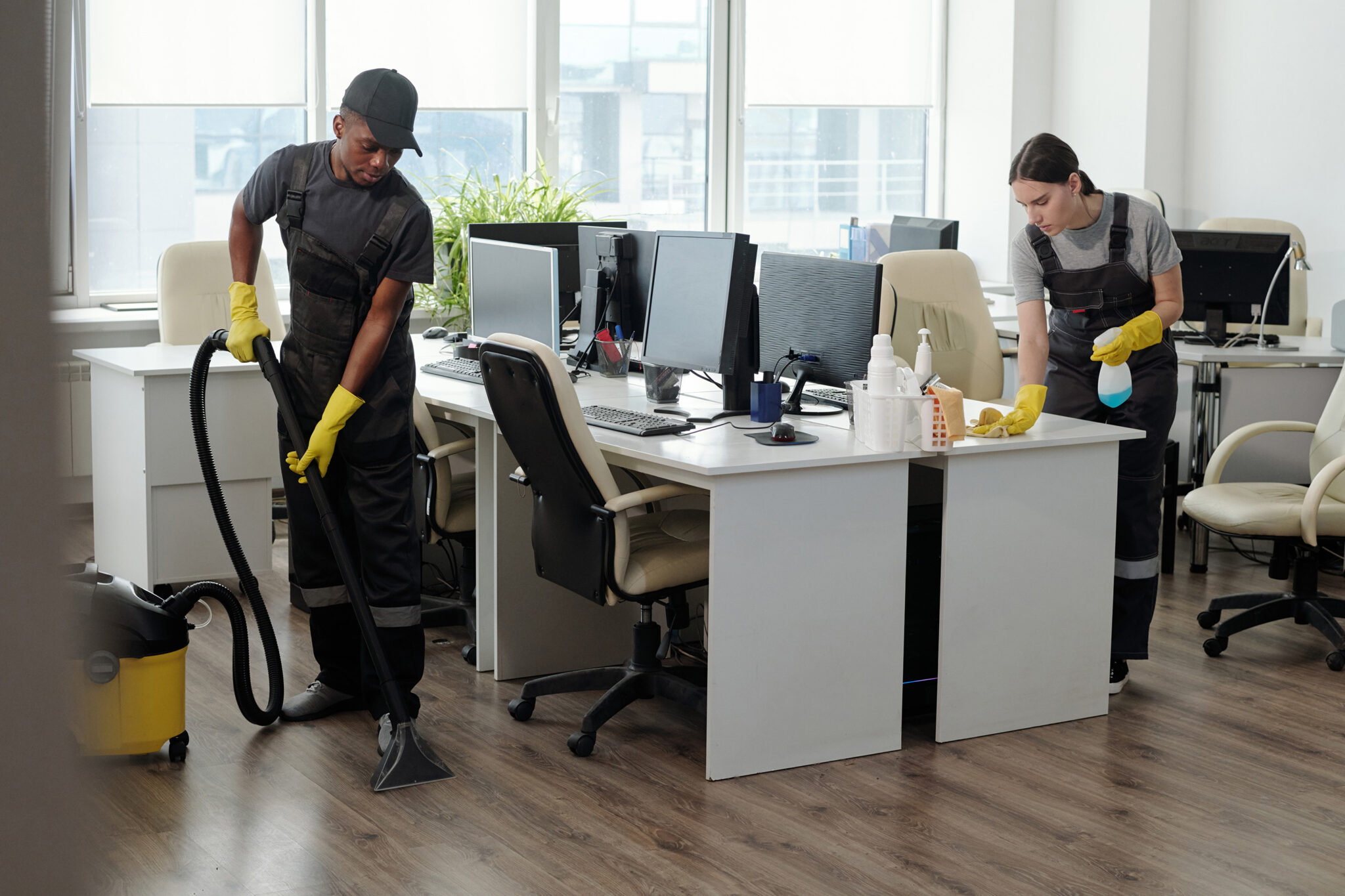
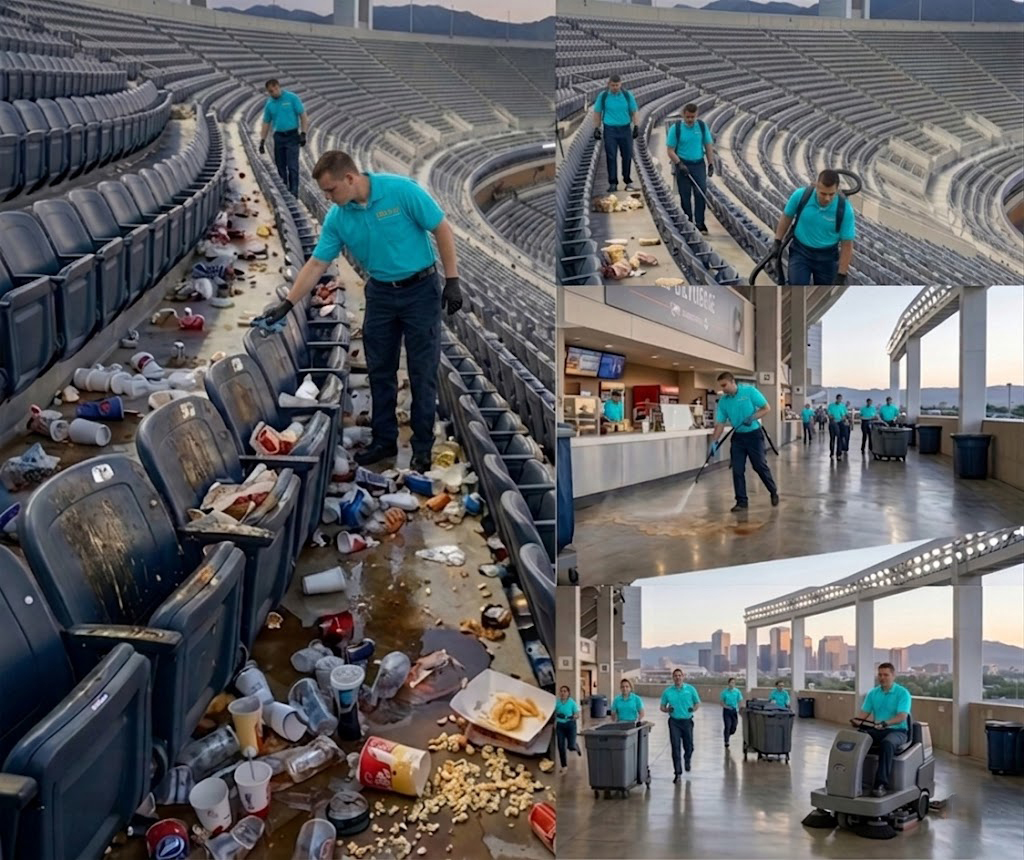
An aftermath cleaning service provides specialized biohazard remediation, decontaminating properties affected by trauma, unattended deaths, crime scenes, biohazard spills, or extreme hoarding. Trained technicians follow strict federal regulations—including OSHA, EPA, and DOT guidelines—to safely remove bloodborne pathogens, disinfect affected areas, eliminate biological odors, and dispose of biohazardous waste, restoring environments to safe, habitable conditions.
Understanding Aftermath Cleaning Services: Scope and Specialized Remediation
Specialized biohazard remediation differs fundamentally from standard commercial or residential janitorial cleaning. While general cleaning focuses on surface aesthetics, dust removal, and basic sanitization, aftermath cleaning deals directly with biological hazards, infectious materials, and dangerous pathogens that pose severe health risks. Specialized aftermath services address scenarios where blood, body fluids, biological tissue, or hazardous chemicals contaminate structural building materials like drywall, flooring, subflooring, and HVAC ductwork.
Proper remediation requires a deep understanding of microbiology, structural engineering, chemical application, and strict regulatory compliance. Attempting to clean biological spills or trauma sites with consumer-grade cleaning agents often spreads contaminants deeper into porous materials, leading to persistent odorous off-gassing, structural rot, and lingering biohazards such as Clostridioides difficile, Hepatitis B and C viruses, HIV, and various fungal spores.
| Standard Janitorial Services | Professional Aftermath Remediation |
|---|---|
| • Surface-level aesthetic dust/dirt | • Microscopic pathogen eradication |
| • Household chemical cleaners | • EPA-registered hospital disinfectants |
| • Standard trash disposal | • Regulated Medical Waste (RMW) transport |
| • Cosmetic maintenance | • Structural teardown & containment |
| • General janitorial staff | • OSHA/HAZWOPER certified technicians |
Common Scenarios Requiring Professional Remediation
Aftermath cleaning teams are dispatched to handle sensitive, technically challenging, and biohazardous situations. The primary categories of service include:
- Unattended Deaths and Decomposition: When an individual passes away and remains undiscovered for days or weeks, biological decomposition occurs rapidly. Natural gases build up, causing body fluids to escape and permeate surrounding flooring, baseboards, and subflooring. Remediation involves removing affected structural materials, neutralizing volatile organic compounds (VOCs), and completely eradicating decomposition odors.
- Suicides, Homicides, and Violent Crimes: Crime and trauma scenes often involve significant blood spatter, tissue fragments, and bone fragments distributed across walls, furniture, and personal property. Cleanup technicians systematically clean, sanitize, and deconstruct contaminated areas while remaining mindful of ongoing police investigations and law enforcement clearance requirements.
- Hoarding and Gross Filth Situations: Extreme hoarding environments frequently involve accumulated animal or human waste, decayed food, mold, insect infestations, and sharp items like needle syringes. Remediation requires sorting, hazardous waste segregation, deep cleaning, pest neutralization, and intensive odor abatement.
- Industrial and Biohazard Accidents: Workplace injuries, industrial equipment accidents, or sewage backflows in commercial properties necessitate rapid containment and decontamination to meet occupational health standards and minimize business downtime.
- Communicable Disease Decontamination: Outbreaks of viral or bacterial pathogens—such as Methicillin-resistant Staphylococcus aureus (MRSA), Norovirus, or Candida auris—require wide-scale fogging, electrostatic disinfection, and targeted surface treatment using broad-spectrum EPA-registered disinfectants.
Regulatory Standards and Biohazard Safety Protocols
Biohazard cleaning operates under a complex network of federal, state, and local regulations designed to protect technicians, property owners, and the public environment. Professional aftermath organizations must maintain strict adherence to workplace safety laws and environmental disposal rules.
OSHA Bloodborne Pathogens Standard (29 CFR 1910.1030)
The Occupational Safety and Health Administration (OSHA) mandates that any worker exposed to blood or potentially infectious materials (OPIM) must operate under an established Exposure Control Plan. Key requirements under 29 CFR 1910.1030 include:
- Mandatory Training: Annual specialized training covering pathogen transmission, universal precautions, personal protective equipment (PPE) selection, and exposure evaluation.
- Hepatitis B Vaccination: Employers must offer free Hepatitis B vaccination series to all field technicians prior to biohazard exposure.
- Engineering Controls: Implementation of physical barriers, sharp-disposal containers, negative pressure containment systems, and air scrubbing machinery to isolate contaminants during cleanup operations.
- Universal Precautions: Treating all human blood and body fluids as if they are infectious, regardless of the perceived risk profile of the incident.
Environmental Protection Agency (EPA) and DOT Compliance
The U.S. Environmental Protection Agency (EPA) regulates the chemical disinfectants used during aftermath remediation. Technicians must apply broad-spectrum, EPA-registered disinfectants with verified claims against specific viral, bacterial, and fungal agents. Disinfectants must be used in accordance with manufacturer-specified dwell times—the precise duration a chemical must remain wet on a surface to achieve effective microbial kill rates.
The Department of Transportation (DOT) regulates the transport of hazardous biological materials under Hazardous Materials Regulations (49 CFR Parts 171-180). Biohazardous waste generated during cleanup must be packaged in labeled, leak-proof red biohazard bags, secured in rigid DOT-approved containers, and tracked using regulated medical waste (RMW) shipping manifests. Disposal is restricted to licensed medical waste treatment and incineration facilities.
Step-by-Step Overview of the Aftermath Cleanup Process
Professional aftermath cleanup follows a rigorous multi-stage protocol designed to contain contamination, systematically eliminate biohazards, verify cleanliness, and restore property integrity.
- Assessment & Site Containment
- Structural Material Removal
- Multi-Stage Disinfection
- Adenosine Triphosphate (ATP) Verification
- Odor Neutralization & Deodorization
- Regulated Waste Disposal (RMW Manifest)
1. Initial Site Assessment and Containment Setup
Upon arriving at a scene, technicians perform a thorough safety assessment, identifying structural hazards, sharp objects, gas leaks, airborne pathogens, and the full extent of fluid migration. Technicians establish a designated containment zone using heavy-duty polyethylene sheeting and negative air pressure units equipped with High-Efficiency Particulate Air (HEPA) filters. This prevents airborne microbes, odorous molecules, and contaminated dust from migrating into unaffected areas of the building.
Field staff equip themselves with Personal Protective Equipment (PPE), which typically includes fluid-resistant hazmat suits (such as Tyvek), nitrile inner and outer gloves, rubber steel-toed boots, and Powered Air-Purifying Respirators (PAPRs) or full-face respirators equipped with P100 organic vapor cartridges.
2. Biological Material Removal and Demolition
Technicians carefully collect and remove macro-level biological materials, tissue, fluid accumulations, and sharp objects. Materials are categorized into two primary classifications:
- Porous Materials (Unsalvageable): Items such as carpet padding, upholstered furniture, mattress sets, unsealed hardwood floors, baseboards, and drywall absorb fluids through capillary action. These items cannot be thoroughly disinfected at a microscopic level and must be cut out, bagged in biohazard containers, and disposed of.
- Non-Porous Materials (Salvageable): Hard surfaces such as sealed tile, concrete, metal, glass, and solid plastic can be remediated through intensive manual scrubbing, enzymatic treatment, and high-level chemical disinfection.
3. Multi-Stage Cleaning and Disinfection
Once bulk materials and unsalvageable structures are removed, technicians perform a multi-stage cleaning protocol:
- Enzymatic Pre-Treatment: Biological proteins, dried blood, and organic residues are sprayed with specialized enzymatic cleaners that break down complex proteins into simpler organic compounds, making them easier to wipe away.
- Manual Scrubbing and Decontamination: Technicians manually clean hard surfaces using non-abrasive pads, microfiber cloths, and EPA-registered broad-spectrum disinfectants to remove residual biofilm.
- Electrostatic Fogging or Misting: An electrostatic sprayer applies a charged disinfectant mist that wraps around complex architectural surfaces, fixtures, and hidden crevices, ensuring comprehensive chemical coverage.
4. Biological Verification via ATP Testing
To guarantee that a surface is biologically clean and free of microbial contamination, technicians conduct Adenosine Triphosphate (ATP) bioluminescence testing. ATP is an energy molecule found in all living cells, biological fluids, food residues, and microorganisms.
Technicians swab designated target areas and place the swab into a luminometer. The device measures light emitted from a reaction between ATP and the enzyme luciferase, yielding a digital result in Relative Light Units (RLUs). A low RLU score (typically under 30 RLUs, depending on the device benchmark) confirms that organic material and living microorganisms have been successfully removed, establishing verified biological safety.
5. Industrial Odor Neutralization
Severe biological events, particularly decomposition, release pungent volatile organic compounds (VOCs) such as cadaverine and putrescine. Surface cleaning alone cannot eliminate these gas molecules if they have penetrated deep structural wood, subfloors, or insulation. Remediation teams employ specialized industrial equipment:
- Hydroxyl Generators: These machines produce naturally occurring hydroxyl radicals ($OH^-$) that break down organic odor molecules and airborne pathogens at the molecular level. Hydroxyl units can be operated safely in occupied spaces without damaging sensitive materials.
- Ozone Generators: Ozone ($O_3$) is a powerful oxidizing agent used in unoccupied spaces. Ozone molecules react with volatile compounds, neutralizing severe odors. Because high concentrations of ozone are toxic to humans, pets, and plants, ozone treatments require complete evacuation of the property during application.
- Thermal Fogging: Solvent-based thermal foggers disperse microscopic deodorizing particles that replicate the travel pathways of odor molecules, neutralizing trapped gases inside wall cavities and porous materials.
Biohazard Remediation Comparison Matrix
The technical demands, regulatory oversight, and procedural steps of aftermath cleaning vary based on the nature of the incident. The table below details key operational differences across standard remediation scenarios:
| Incident Type | Primary Biohazards Present | Dominant Regulatory Focus | Typical Demolition Depth | Primary Deodorization Technology | Average On-Site Time |
|---|---|---|---|---|---|
| Unattended Death | Decomposition fluids, cadaverine, C. difficile, maggots/pests | OSHA 1910.1030, EPA disinfectant rules, Local health codes | Subflooring, baseboards, drywall removal | Hydroxyl generation, Thermal fogging, Encapsulation | 1 to 3 Days |
| Trauma / Violent Crime | Bloodborne pathogens (Hepatitis B/C, HIV), bone/tissue fragments | OSHA 29 CFR 1910.1030, State biohazard waste rules | Target area carpet, padding, localized drywall cutout | Electrostatic EPA disinfectant spraying | 4 to 12 Hours |
| Severe Hoarding | Mold spores, rodent urine/droppings, decaying matter, sharps | OSHA Respiratory protection, Local code enforcement | Flooring removal, fixtures, wall repair (if rot exists) | HEPA air scrubbing, Ozone treatment | 2 to 5 Days |
| Industrial Biohazard | Chemical contaminants, blood spatter, heavy machine grease | OSHA General Duty Clause, EPA hazardous material guidelines | Containment of equipment, minimal structural teardown | Fast-acting surface disinfectant, Vaporized Hydrogen Peroxide | 4 to 8 Hours |
| Viral / Pathogen Outbreak | Surface-bound viruses (Norovirus, SARS-CoV-2), MRSA, fungi | EPA List N/List Q chemical compliance, CDC guidelines | Non-destructive (no demolition required) | Electrostatic spraying, UVC surface treatment | 2 to 6 Hours |
Cost Structures, Insurance Coverage, and Financial Options
The financial aspects of aftermath cleaning can be complex during an already emotional time. Understanding standard pricing models and insurance mechanisms helps property owners make informed decisions.
Pricing Variables in Aftermath Cleaning
Biohazard remediation companies do not typically offer flat rates because site conditions vary significantly. Total costs depend on several specific variables:
- Volume of Biohazardous Waste: Waste disposal fees are calculated by weight and container count due to strict transport and incineration charges assessed by licensed medical waste facilities.
- Structural Demolition and Rebuilding Needs: Removing multiple layers of subflooring, double-layered drywall, or custom cabinetry increases labor hours and disposal volumes.
- Personal Protective Equipment (PPE) Usage: Complex biohazard environments requiring full PAPR gear, respirators, Tyvek suits, and frequent glove changes increase direct operational material costs.
- Extent of Odor Encapsulation: If decomposition fluids seep into concrete subfloors, technicians must apply heavy-duty sealants and primers (encapsulants) to trap residual molecules permanently after chemical treatment.
TYPICAL COST FORMULATION COMPONENTS
- Direct Labor (OSHA/HAZWOPER Certified Hours)
- Regulated Medical Waste Disposal (Per Pound/Box)
- Chemical & Reagent Supplies (EPA Disinfectants)
- Equipment Operations (Ozone, Hydroxyl, HEPA Units)
- Structural Demolition & Encapsulation Supplies
Homeowners and Commercial Insurance Coverage
In many instances, the cost of biohazard cleanup and property restoration is covered under standard homeowners or commercial property insurance policies.
- Peril Coverage: Most traditional property insurance policies cover cleanups resulting from sudden and accidental events, such as a crime, suicide, violent incident, or unexpected death. The claim usually falls under the "Property Damage" or "Liability" coverage sections of the policy.
- The Insurance Claim Process: Professional aftermath companies frequently assist policyholders with claims. Technicians document the scene thoroughly using photographic evidence, line-item scope estimates (often utilizing industry-standard software like Xactimate), and detailed ATP test logs to justify the remediation work to claims adjusters.
- Deductibles: The property owner is responsible for paying their agreed-upon policy deductible, while the insurance carrier covers the remaining verified remediation and structural repair costs up to policy limits.
Crime Victim Assistance Programs and Municipal Aid
If property damage stems from a violent crime and insurance coverage is unavailable or insufficient, state-funded Crime Victims Compensation Programs may provide financial assistance. Every U.S. state operates a victim compensation board that helps eligible families cover crime scene cleanup expenses, funeral costs, medical bills, and mental health counseling. Eligibility requires filing a formal police report and submitting an application through the respective state's attorney general office or crime victim division.
Selecting a Qualified Biohazard Remediation Provider
Selecting a reputable aftermath cleaning company requires evaluating technical qualifications, safety certifications, and compliance credentials. Property owners should assess providers against specific criteria before authorizing work.
Essential Certifications and Verification Credentials
A qualified biohazard cleanup organization should hold verified certifications from recognized safety and industry oversight bodies:
- IICRC Certification: The Institute of Inspection, Cleaning and Restoration Certification (IICRC) offers industry certifications, such as the Master Restoration Technician or Trauma and Crime Scene Technician designations.
- OSHA Compliance Documentation: The provider must show proof of compliant Bloodborne Pathogen (29 CFR 1910.1030), Respiratory Protection (29 CFR 1910.134), and Hazard Communication (29 CFR 1910.1200) programs.
- Licensed Waste Transporter Permits: The company must hold valid state permits to collect, store, and transport Regulated Medical Waste (RMW). Ask for their waste transporter license number and verify that they provide a signed copy of the destruction manifest upon job completion.
- Comprehensive Insurance Coverages: Verify that the firm carries specialized Pollution Legal Liability insurance alongside standard Commercial General Liability and Workers' Compensation coverage. Standard general liability policies often contain biohazard and pollution exclusions.
PROVIDER CHECKLIST
- Active IICRC Trauma / Biohazard Certifications
- OSHA 29 CFR 1910.1030 Exposure Control Plan
- State Regulated Medical Waste (RMW) Transporter Permit
- Pollution Legal Liability Insurance (No Biohazard Exclusions)
- 24/7/365 Emergency Dispatch Capability
- ATP Bioluminescence Clearance Testing Capability
- Itemized Line-Item Estimate (Xactimate Format)
Red Flags to Avoid
When reviewing local or national aftermath cleaning service providers, watch for these warning signs:
- Lack of Waste Tracking Manifests: If a provider claims they can dispose of blood-soaked materials or needles in municipal residential dumpsters or trash bins, they are violating federal law and exposing the property owner to legal liability.
- Demands for Upfront Cash Payments: Reputable firms typically bill insurance companies directly or work through structured service contracts rather than demanding full cash payments prior to commencing work.
- Unlabeled or Non-EPA Registered Chemicals: Technicians should transparently share Safety Data Sheets (SDS) for all cleaning formulations, disinfectants, and deodorizers used on the property.
Frequently Asked Questions
Can property owners perform biohazard cleanup themselves?
While property owners are technically permitted to clean their private property, attempting biohazard cleanup without professional training, commercial-grade equipment, and proper personal protective equipment is strongly discouraged. Exposure to bloodborne pathogens, infectious bacteria, and chemical residues presents significant health risks. Furthermore, improper cleaning can cause fluids to seep deeper into subfloors, creating permanent structural damage, uninsurable secondary mold growth, and persistent odors that compromise resale value.
Does homeowners insurance cover aftermath cleanup after an unattended death or suicide?
Yes, most standard homeowners insurance policies cover biohazard remediation following an unattended death, suicide, or violent crime. The cost of structural cleanup, biohazard disposal, deodorization, and restoring damaged subflooring or drywall typically falls under property damage coverage. Property owners usually only pay their deductible, provided the event meets policy requirements.
How long does a typical aftermath cleanup process take?
The timeline depends on the severity of the incident and the structural area affected. A localized trauma scene or minor spill may take 4 to 8 hours. Conversely, an extensive unattended death requiring structural teardown, concrete encapsulation, and multi-day hydroxyl odor treatment can take 2 to 4 days. Hoarding situations involving full-structure remediation may require 3 to 5 days.
What happens to contaminated furniture and building materials that cannot be sanitized?
Unsalvageable porous items—such as biological-fluid-soaked mattresses, carpet padding, drywall, and unsealed wood—are cut out, wrapped in heavy polyethylene film, placed inside red biohazard bags, and transferred to rigid DOT-approved hazardous waste containers. Licensed medical waste transporters haul these materials to certified incinerators, where high-temperature thermal destruction destroys all biological vectors.
How is odor permanently removed from concrete subfloors?
If biological decomposition fluids penetrate unsealed concrete, surface scrubbing is insufficient. Remediation technicians apply specialized enzymatic digestion agents to break down organic proteins within the concrete pores. Once dry, the area is treated with industrial odor counteractants and sealed with a heavy-duty, solvent-based resin encapsulant. This creates an impermeable barrier that permanently prevents volatile odor molecules from escaping into living spaces.
Recommended Next Actions for Property Owners
If you are responsible for managing a property affected by a biohazard event, follow these steps to secure the environment and initiate cleanup:
- Restrict Site Access Immediately: Isolate the affected rooms, seal interior doors, and turn off central HVAC units to prevent airborne particles and odors from circulating throughout the building.
- Verify Police Release: If the event involves a crime scene, suicide, or death investigation, confirm with local law enforcement or the coroner's office that the scene has been formally released for remediation before bringing in cleanup crews.
- Contact Your Insurance Provider: Report the property damage to your insurance company to open a claim. Request a claim number and inform your adjuster that you intend to bring in a certified biohazard cleanup company.
- Engage a Certified Biohazard Remediation Firm: Select an IICRC-certified aftermath cleaning firm equipped with licensed waste transport capabilities and 24/7 response services. Request an on-site inspection, a clear scope of work, and ATP verification testing upon completion.
- Obtain Disposal Documentation: Retain copies of the final itemized service invoice, ATP testing logs, and Regulated Medical Waste manifests for your records and insurance reimbursement processing.