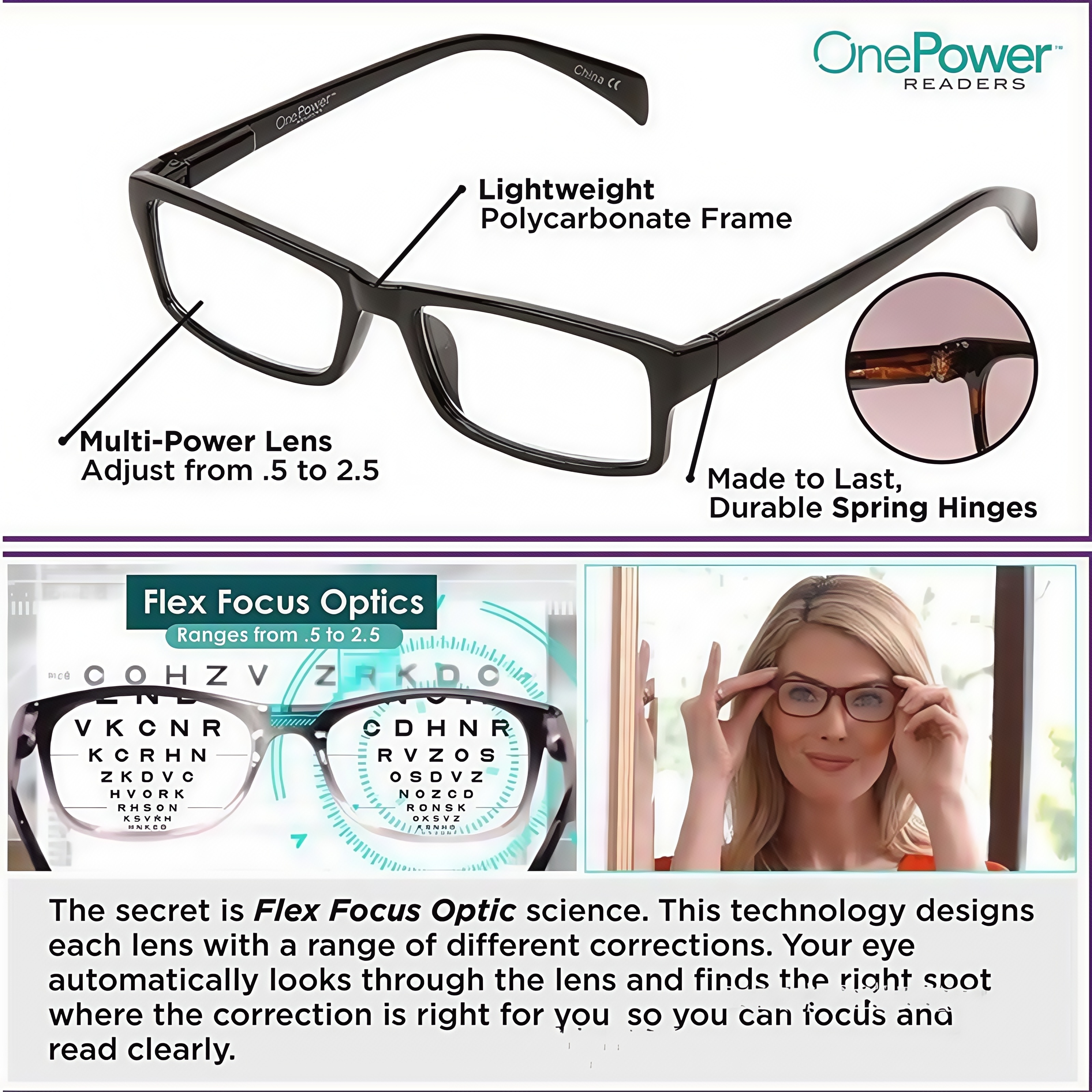
Affordable reading glasses provide an accessible solution for individuals experiencing presbyopia, the age-related decline in near-focus ability. These over-the-counter (OTC) eyewear options are mass-produced in standardized diopter strengths, offering an immediate, cost-effective way to improve clarity for tasks like reading, sewing, or digital screen use without the necessity of a custom prescription.
Understanding Presbyopia and OTC Eyewear
Presbyopia is a natural, progressive physiological change where the crystalline lens of the eye loses flexibility, making it difficult to focus on objects at a close range. For most adults, symptoms typically begin appearing between the ages of 40 and 45. While a comprehensive eye examination by an optometrist or ophthalmologist is essential for monitoring long-term ocular health, many individuals find that standardized reading glasses are sufficient for daily near-vision tasks.
Affordable reading glasses are distinct from prescription spectacles in that they utilize uniform magnification across both lenses. They are designed for people who have identical vision needs in both eyes and do not require correction for astigmatism or significant differences in refractive error between the left and right eye. Because these glasses are manufactured in bulk, they are widely available in retail stores, pharmacies, and online marketplaces at a fraction of the cost of customized optical products.
Determining Your Required Diopter Strength
The primary measurement for reading glasses is the diopter (D), which indicates the strength of the magnification. In the United States and many other jurisdictions, these strengths typically start at +0.25 or +0.50 and increase in 0.25 or 0.50 increments up to +4.00.
Selecting the correct strength is a process of trial and error, often facilitated by standardized testing charts available in retail settings. To determine your needs:
- Hold a standard text—such as a book or a provided eye chart—at your normal reading distance (approximately 14 to 16 inches).
- Test the lowest diopter strength first.
- If the print remains blurry, move to the next increment until the text appears sharp and comfortable.
- Always select the lowest strength that provides clear vision. Using a stronger lens than necessary can cause unnecessary eye strain and headaches.
It is important to note that if you experience discomfort, dizziness, or eye fatigue even with the correct magnification, you should schedule a professional eye exam. These symptoms may indicate an underlying refractive error that standard OTC glasses cannot address, such as significant astigmatism or a disparity between your eyes.
Materiality and Build Quality
Affordable does not necessarily equate to poor quality. Manufacturers use various materials to balance durability, weight, and price. Understanding these materials can help you choose a pair that lasts.
- Polycarbonate Lenses: These are the industry standard for budget eyewear. They are impact-resistant, lightweight, and provide built-in UV protection. While they may be slightly more prone to surface scratching than high-index glass, their durability makes them ideal for daily use.
- Acrylic Lenses: Found in the most economical options, acrylic is lightweight but less durable than polycarbonate. These lenses are often used in "disposable" or multi-pack sets intended for convenience.
- Frame Materials: Budget frames are typically constructed from injected plastics, cellulose acetate, or lightweight metals like stainless steel. Acetate frames are generally preferred for their flexibility and ability to be adjusted, whereas injected plastic frames are molded into a single, rigid piece.
Comparison of Reading Glass Acquisition Channels
Choosing where to purchase your glasses depends on whether you prioritize immediate availability or a wider selection of frame aesthetics and specialty coatings.
| Feature | Retail/Pharmacy | Online Retailers | Bulk/Warehouse Clubs |
|---|---|---|---|
| Availability | Immediate | 3–7 business days | Immediate |
| Trial Potential | High (in-store) | None | High (in-store) |
| Variety | Limited | Extensive | Moderate |
| Price Point | Low to Moderate | Very Low to High | Low (per unit) |
| Customization | None | Blue-light filters/Coatings | None |
Shopping Online vs. In-Store
Purchasing in-store allows for immediate verification of fit and lens strength. This is particularly useful if you are uncertain about your diopter needs. Conversely, online retailers often offer specialty features that are rarely found in physical stores, such as anti-reflective (AR) coatings, blue-light filtering, and a broader range of frame sizes (e.g., petite or wide fits).
Common Myths and Safety Considerations
A prevalent misconception is that wearing reading glasses will "make your eyes lazy" or accelerate the progression of presbyopia. There is no clinical evidence to support this. Presbyopia is an anatomical change occurring within the eye; wearing glasses merely facilitates your ability to focus while the condition naturally progresses.
However, safety remains paramount. OTC glasses are not impact-resistant in the same way as safety-rated lenses. They should never be used as a substitute for certified protective eyewear in environments involving flying debris, chemicals, or industrial machinery. Furthermore, reading glasses are specifically intended for near vision. Attempting to walk, drive, or navigate your surroundings while wearing them can lead to dizziness or falls because the lens is configured only to focus at close range, distorting distance vision.
Maintenance and Longevity
To extend the lifespan of your affordable reading glasses, adopt a consistent care routine:
- Cleaning: Use only a dedicated lens cleaning solution or mild, lotion-free dish soap and lukewarm water. Avoid using clothing, paper towels, or napkins to clean lenses, as the fibers can contain wood pulp or dust that causes microscopic scratches.
- Storage: Always place your glasses in a protective hard case when not in use. Avoid resting them on your head, as this stresses the hinges and causes the frame to lose its shape.
- Adjustment: If your frame becomes loose, ensure you have the proper tools. Many budget frames have screws that can be tightened with a standard precision optical screwdriver. If the frame is made of acetate, it can often be adjusted by carefully applying heat; however, extreme caution is needed to avoid melting the material.
Frequently Asked Questions
Are blue-light blocking reading glasses worth the extra cost? The efficacy of blue-light blocking technology in reading glasses is a subject of ongoing debate. While these lenses may reduce glare and improve contrast for some digital users, there is no standardized clinical evidence that they prevent digital eye strain, which is more often linked to reduced blinking and posture.
Can I use reading glasses if I have astigmatism? Reading glasses only correct spherical power. If you have astigmatism, you may find that text remains slightly distorted or "shadowy" even with the correct magnification. In such cases, prescription lenses are necessary to correct the cylindrical power of the eye.
How do I know if I need a higher diopter? If you find yourself needing to hold reading material further and further away to maintain focus, your current diopter strength is likely no longer sufficient. This is a normal part of the progression of presbyopia.
Do affordable reading glasses have a shelf life? While the lenses themselves do not expire, they will degrade over time due to scratching and frame wear. If the optical clarity is compromised by surface damage, it is time to replace them.
Can reading glasses cause headaches? Yes, if the diopter strength is too high or if your eyes are forced to compensate for uncorrected astigmatism. If you experience persistent headaches, consult a vision professional to ensure the glasses are appropriate for your specific anatomy.
Practical Recommendations for First-Time Buyers
If you are purchasing reading glasses for the first time, visit a local retailer to test different diopter strengths. Start with the lowest available power and test against a page of text. If you find yourself frequently misplacing your glasses, consider purchasing a multi-pack, which allows you to keep a pair in high-traffic areas such as your bedside table, home office, and kitchen. Always prioritize a frame that fits the width of your face comfortably; a frame that is too tight can cause temple pain, while one that is too wide will slide down your nose. If you continue to experience blurred vision or discomfort after testing, treat this as a signal to book a professional refraction test to rule out other ocular health concerns.