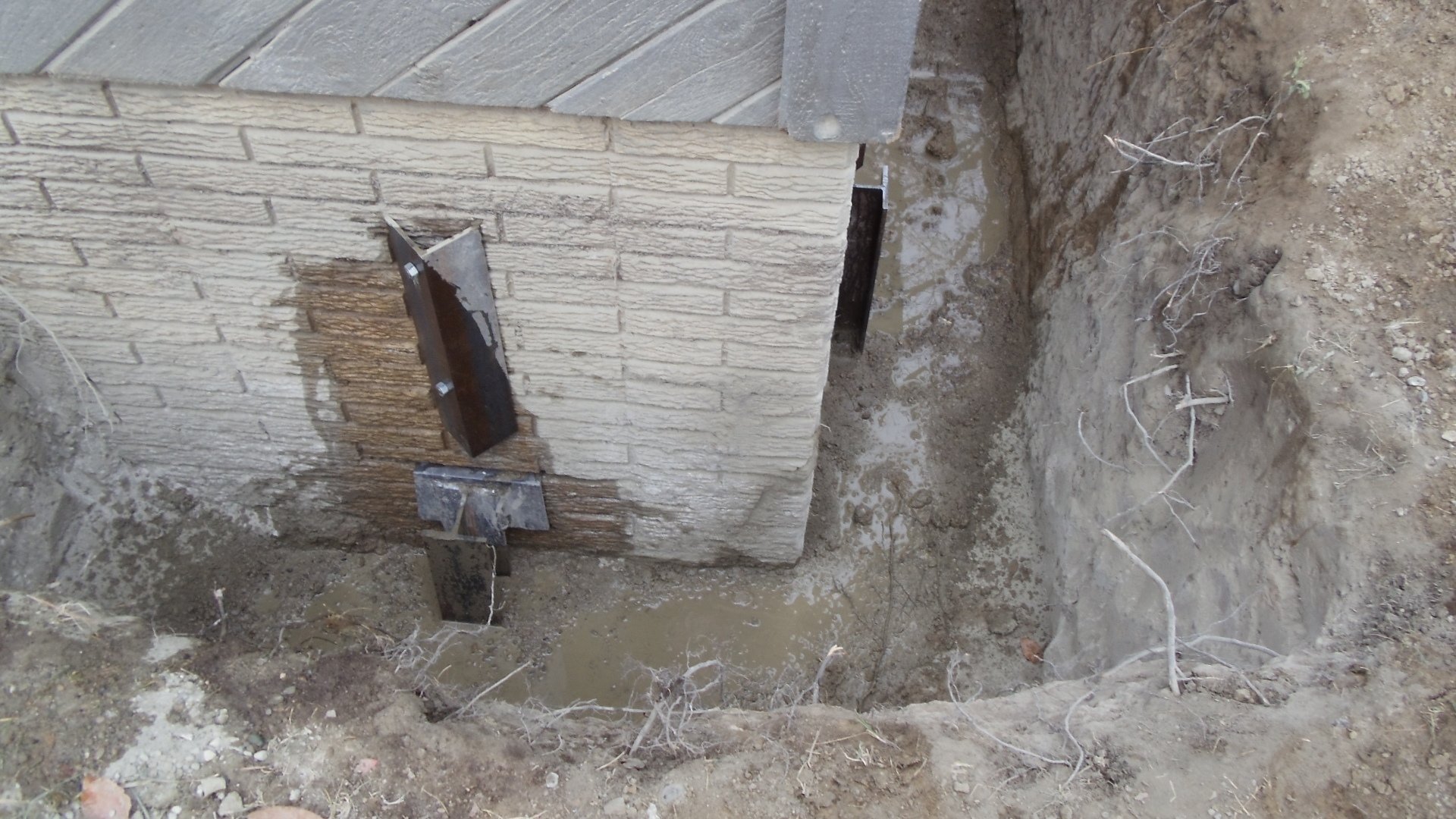
Finding affordable foundation repair solutions requires understanding the underlying causes of structural damage, identifying the most cost-effective engineering methods, and addressing problems early before minor settling evolves into catastrophic failure. Foundation problems rarely improve on their own; ignoring warning signs like sticking doors, drywall cracks, or sloping floors typically multiplies repair costs exponentially. Homeowners navigating budget constraints must balance immediate financial limitations with the long-term structural integrity of their property, leveraging targeted interventions that stabilize settling foundations without unnecessary, inflated upscale services.
Understanding Foundation Damage and Cost Drivers
Foundation failure manifests in several distinct ways, each carrying different remediation requirements and price points. Before evaluating financial strategies, property owners must understand what causes these structural shifts and how repair contractors price their services. Common indicators include horizontal or vertical cracks in concrete walls, gaps around window frames, and uneven floor slabs.
Geotechnical conditions heavily dictate repair expenses. Expansive clay soils swell significantly when saturated with moisture and shrink dramatically during dry periods, exerting intense hydraulic pressure against foundation walls or creating voids beneath concrete slabs. Poor site drainage, plumbing leaks, and extreme weather fluctuations accelerate these natural shifts.
Contractors calculate project estimates based on several standardized cost drivers:
- Extent of Damage: Minor hairline cracks cost little to seal, whereas structural wall displacement or widespread slab settling demands complex mechanical intervention.
- Access Limitations: Repair sites requiring manual excavation due to tight side yards, finished basements, or obstacles like porches increase labor hours and overall expenses.
- Engineering Requirements: Projects requiring stamped architectural or structural engineering plans add professional fees to the baseline construction contract.
- Geographical Labor Rates: Regional variations in contractor overhead, local permitting fees, and municipal inspection costs directly influence final project totals.
Cost Comparison of Common Foundation Repair Methods
Selecting the right repair technique requires evaluating both upfront expenses and long-term durability. Different structural failures demand specific engineering approaches, ranging from simple cosmetic seals to heavy-duty hydraulic stabilization.
| Repair Method | Typical Cost Range | Best Used For | Durability & Longevity |
|---|---|---|---|
| Epoxy/Polyurethane Crack Injection | $300 – $800 per crack | Non-structural hairline cracks, basement wall seepage | High for non-moving cracks; does not fix underlying soil settling. |
| Steel Piering (Push/Helical Piers) | $1,000 – $3,000 per pier | Sinking foundations, severely settling exterior walls | Permanent; transfers structural load down to stable load-bearing strata. |
| Slab Jacking / Mudjacking | $600 – $1,500 total | Sunken concrete slabs, driveways, sidewalks, garage floors | Moderate; fills voids beneath concrete but can be susceptible to soil washouts if drainage is unaddressed. |
| Carbon Fiber Straps | $500 – $1,000 per strap | Bowing basement walls, inward-sliding concrete blocks | High; halts inward movement by distributing lateral pressure across framing members. |
| Drainage Correction Systems | $2,000 – $5,000 total | Water accumulation, hydrostatic pressure buildup against walls | Very High; removes the root cause of shifting soils and hydraulic pressure. |
Targeted Strategies for Budget-Conscious Homeowners
Achieving affordable foundation repair does not mean cutting corners or ignoring structural safety. Instead, it involves prioritizing interventions, addressing root causes, and exploring strategic financial options to manage large capital outlays.
1. Address Drainage and Moisture First
The most cost-effective foundation repair strategy is often preventive maintenance rather than structural construction. Hydrostatic pressure from trapped groundwater pushes basement walls inward, while dry-shrink cycles crack slab foundations.
- Install exterior French drains or surface swales to direct rainwater away from the foundation perimeter.
- Extend downspouts at least six to ten feet away from the home using splash blocks or buried corrugated pipe.
- Grade surrounding soil so that it slopes away from the foundation at a minimum rate of six inches over the first ten feet.
- Repair leaking indoor plumbing lines or broken sewer drains that may be saturating sub-slab soils.
2. Prioritize Strategic Stabilization over Full Reconstruction
Homeowners facing thousands of dollars in estimates should ask structural engineers if partial stabilization is viable. For example, rather than underpinning an entire residential perimeter, an engineer might determine that installing piers strictly beneath the sinking corner or heavily damaged load-bearing wall will halt movement effectively. This targeted approach isolates labor and material expenses to the exact zone of failure.
3. Solicit Multiple Competitive Bids
Foundation repair pricing lacks universal standardization, and contractor estimates for the exact same scope of work can vary significantly. Homeowners should obtain at least three detailed, written proposals from licensed, insured local contractors. Ensure each estimate specifies:
- The exact engineering method proposed (e.g., helical piers versus push piers).
- The number of piers or structural elements to be installed.
- Subsurface excavation requirements and property restoration obligations.
- Transferable warranty terms covering workmanship and materials.
4. Investigate Financing and Assistance Programs
Because major foundation repairs can strain household savings, many specialized contractors offer in-house financing plans with promotional low-interest or deferred-interest periods. Additionally, homeowners should check for municipal neighborhood revitalization grants or state-sponsored home repair assistance programs designed to help low-to-moderate-income families maintain safe, structurally sound housing.
Minimizing Risks and Avoiding Pitfalls
The foundation repair industry attracts occasional predatory operators who exploit homeowners' anxieties about home safety. Protecting oneself from unnecessary expenses and substandard workmanship requires strict adherence to vetting protocols.
Avoid contractors who cold-call, solicit door-to-door after major storms, or demand cash-in-hand full payments upfront before permits are pulled. Legitimate structural repair specialists operate under formal contracts, pull necessary municipal permits, and schedule mandatory building inspections.
Furthermore, be cautious of cosmetic quick fixes. Applying hydraulic cement over a continuously moving structural wall without addressing the exterior soil pressure or settling footing provides only temporary relief. Always require an independent evaluation from a licensed professional engineer who does not stand to profit from selling the actual repair work if you suspect complex structural damage.
Frequently Asked Questions About Foundation Repair
Can I fix a settling foundation myself to save money?
Minor cosmetic repairs, such as sealing hairline non-structural cracks with epoxy injection kits, are suitable for DIY execution. However, structural interventions like underpinning, lifting sinking slabs, or stabilizing bowing walls require specialized hydraulic equipment, geotechnical knowledge, and heavy machinery. Attempting structural repairs without professional engineering oversight frequently worsens damage and voids home insurance policies.
Does homeowners insurance cover affordable foundation repair solutions?
Standard homeowners insurance policies exclude foundation damage caused by normal settling, wear and tear, tree roots, or gradual soil movement. Coverage typically applies only if the foundation failure is directly caused by a sudden, named peril explicitly listed in the policy, such as a severe plumbing leak from a covered pipe burst or specific explosion events.
How do I know if a wall crack is structural or purely cosmetic?
Cosmetic cracks are typically hairline-width, non-moving, and confined to the surface plaster or drywall. Structural cracks are generally wider than one-eighth of an inch, run diagonally or horizontally across concrete blocks or poured foundations, show offset displacement where one side of the crack pushes outward, or allow water and daylight to penetrate the interior living space.
Are lifetime warranties from foundation repair companies reliable?
Transferable lifetime warranties provided by established, long-standing local contractors offer valuable peace of mind and enhance home resale value. However, a warranty is only as reliable as the company behind it. Homeowners should verify whether the warranty covers both materials and labor, whether it requires annual maintenance fees to remain active, and whether the business has a proven local track record.
What happens if I ignore minor foundation warning signs?
Delaying repairs allows foundational shifts to progress unchecked. Small wall cracks widen, window and door frames warp further, plumbing lines beneath slabs can shear due to differential movement, and repair costs compound. Addressing structural problems in their earliest stages keeps interventions localized and budget-friendly.
Next Actions for Homeowners
Begin by conducting a thorough visual inspection of your property's interior and exterior perimeter, documenting any new cracks, sticking doors, or drainage pooling. If structural anomalies are observed, schedule an inspection with an independent structural engineer or reputable local foundation specialist to get an objective assessment. Armed with a clear engineering diagnosis, collect multiple written bids, evaluate targeted stabilization methods, and select a licensed contractor offering clear warranty protections to safeguard your home's long-term value.