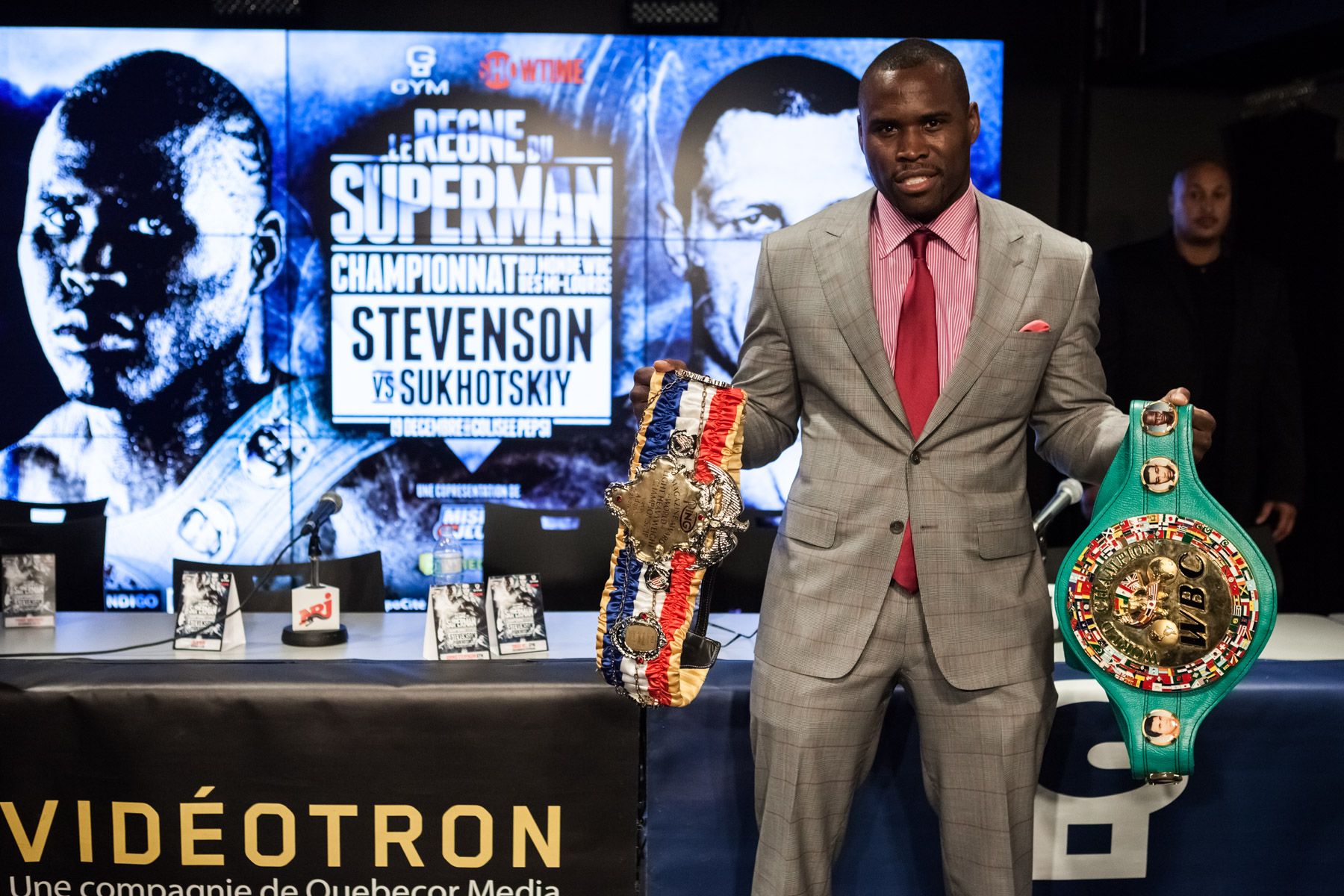
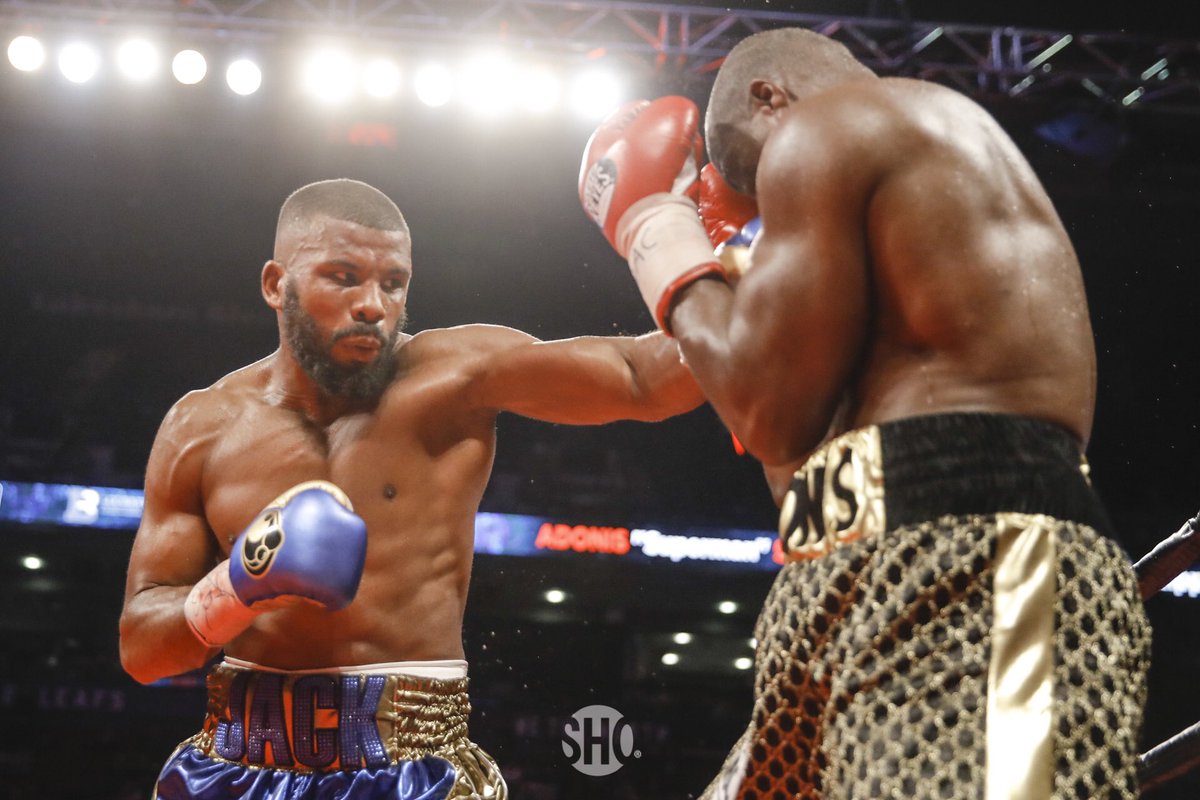
Adonis Stevenson’s estimated net worth stands between $3 million and $5 million. Over a professional boxing career spanning twelve years, the former WBC light-heavyweight champion accumulated an estimated $14 million to $17 million in gross career fight purses. However, high-income taxation, team splits, medical expenses following a life-altering 2018 brain injury, and subsequent estate management challenges heavily influenced his ultimate net wealth.
The Financial Ascent of "Superman" Stevenson
Adonis Stevenson’s journey to financial success in professional boxing followed an unconventional trajectory. Born in Port-au-Prince, Haiti, and raised in Montreal, Quebec, Stevenson did not turn professional until age 29 in 2006. Late starts in combat sports often restrict a fighter's total earning window, but Stevenson compensated with explosive power, achieving a 79% knockout ratio across 32 professional bouts (29-2-1, 24 KOs).
In the early stages of his career, working primarily under Canadian promoter Yvon Michel (GYM Promotions), Stevenson fought for modest local purses ranging from $2,000 to $15,000 per fight. His financial standing changed dramatically after linking up with legendary Kronk Gym trainer Emanuel Steward and later Steward's nephew, Javon "SugarHill" Steward. Under their guidance, Stevenson developed his signature left hand—the punch that would eventually unlock multi-million-dollar paydays on premium television networks.
His breakthrough occurred on June 8, 2013, when he knocked out Chad Dawson in 76 seconds to win the WBC and The Ring light-heavyweight titles. That victory transitioned Stevenson from a regional prospect into a primary attraction in the 175-pound division, granting him substantial bargaining leverage with networks such as HBO, Showtime, and Premier Boxing Champions (PBC).
Major Career Purses and Fight Earnings
Between 2013 and 2018, Adonis Stevenson was one of the most consistently compensated light-heavyweights in world boxing. Unlike pay-per-view mega-stars in higher weight classes, Stevenson built his fortune through high guaranteed network purses, international broadcast rights, and Canadian closed-circuit pay-per-view buys.
| Opponent | Year | Primary Network/ Platform | Estimated Guaranteed Purse / Total Payout (USD) |
|---|---|---|---|
| Chad Dawson | 2013 | HBO | $300,000 |
| Tavoris Cloud | 2013 | HBO | $750,000 |
| Tony Bellew | 2013 | HBO | $1,000,000 |
| Andrzej Fonfara I | 2014 | Showtime | $600,000 |
| Dmitry Sukhotsky | 2014 | Showtime | $600,000 |
| Sakio Bika | 2015 | CBS / PBC | $900,000 |
| Tommy Karpency | 2015 | Spike TV / PBC | $1,000,000 |
| Thomas Williams Jr. | 2016 | Spike TV / PBC | $1,000,000 |
| Andrzej Fonfara II | 2017 | Showtime | $1,600,000 |
| Badou Jack | 2018 | Showtime | $1,000,000 |
| Oleksandr Gvozdyk | 2018 | Showtime | $1,365,000 |
Key Payday Highlights
- Chad Dawson (2013): Stevenson earned a base purse estimated around $300,000. While modest compared to later bouts, winning the WBC title multiplied his future earning power by a factor of three.
- Tony Bellew (2013): Defense against mandatory challenger Tony Bellew yielded Stevenson's first seven-figure total payout, combining his base HBO purse with Canadian pay-per-view revenue via Canal Indigo.
- The Network Switch to Showtime (2014): In early 2014, Stevenson aligned with advisor Al Haymon and switched broadcast allegiance from HBO to Showtime. The deal guaranteed higher base purses per fight, starting with $600,000 for the first Andrzej Fonfara fight and scaling up for subsequent title defenses.
- Andrzej Fonfara II (2017): Stevenson secured one of his highest career base guarantees at $1.6 million for his rematch against Fonfara, broadcast live on Showtime from the Bell Centre in Montreal.
- Badou Jack (2018): Fighting in Toronto, Stevenson earned a split of a $2 million purse, taking home a guaranteed $1 million for a grueling 12-round majority draw against former super-middleweight champion Badou Jack.
- Oleksandr Gvozdyk (2018): For his ninth title defense, GYM Promotions won the purse bid with an offer of $2.1 million. Under WBC regulations, champion Stevenson received 65% of the total bid, securing a baseline purse of $1,365,000.
Net vs. Gross Income: Deductions in Professional Boxing
Headline purse figures rarely represent the money a professional boxer deposits into their bank account. Professional fighters face a complex array of financial deductions that significantly erode gross fight purses.
- Gross Fight Purse
- International / State Income Taxes (30% - 53%)
- Promoter & Manager Fees (15% - 33%)
- Trainer & Corner Team Costs (10%)
- Sanctioning Body Fees (WBC: 3%)
- Training Camp Costs & Sparring Partners (Variable)
- = Net Athlete Take-Home Pay
Sanctioning Body Fees
As the long-reigning WBC light-heavyweight champion, Stevenson paid mandatory sanctioning fees to retain his belt. The WBC assesses a 3% fee on a champion’s total purse for world title defenses. Across his nine title defenses, sanctioning fees alone accounted for several hundred thousand dollars paid to the sanctioning body.
Trainer and Corner Expenses
Professional trainers typically command 10% of a fighter's gross purse. Following the passing of Emanuel Steward, Stevenson worked primarily with Javon "SugarHill" Steward. Additional expenses included flight accommodations, lodging, and daily stipends for secondary trainers, cutmen, and sparring partners, which routinely added $20,000 to $50,000 per training camp.
Management and Promotion Fees
Under the representation of promoter Yvon Michel and advisor Al Haymon, management and promotional splits ranged between 15% and 30% of gross earnings, depending on whether bouts were co-promoted or aired on specific broadcast packages.
Taxation Structures
Taxes represented the single largest deduction from Stevenson's ring earnings:
- US Income Taxes: Fights taking place inside the United States subjected foreign fighters like Stevenson to mandatory non-resident IRS withholding taxes of 30% on gross earnings.
- Canadian Income Taxes: For fights in Quebec or Ontario, earnings were subject to Canadian federal income taxes alongside provincial income taxes (Quebec's top marginal tax rate exceeds 53%). Even with foreign tax credits for US-based bouts, income tax obligations regularly absorbed nearly half of Stevenson's total purses.
After accounting for taxes, managerial fees, coaching staff, sanctioning fees, and camp expenses, Stevenson's net take-home pay averaged approximately 40% to 50% of his published gross purses.
The December 2018 Tragedy and Immediate Financial Impact
On December 1, 2018, Adonis Stevenson faced Ukrainian contender Oleksandr Gvozdyk at the Centre Vidéotron in Quebec City. Stevenson suffered an 11th-round knockout, losing his WBC title. Shortly after leaving the ring, his condition deteriorated rapidly, leading to hospitalization at the Hôpital Enfant-Jésus.
Doctors diagnosed a severe traumatic brain injury (TBI). Stevenson underwent an emergency craniectomy to relieve pressure on his brain and was placed in a medically induced coma for several weeks.
| Category | Primary Cost Factors |
|---|---|
| Acute Medical Care | Emergency neurosurgery, ICU hospitalization, and ICU monitoring services in late 2018 and early 2019. |
| Rehabilitation | Intensive neurological rehab, speech therapy, physical therapy, and occupational therapy programs. |
| Long-Term Care | In-home specialized medical support, mobility aids, and full-time personal care assistants. |
| Estate Legal Fees | High litigation expenses related to estate curatorship and legal disputes over financial management authority. |
While Canada's public healthcare system covers core hospital care for residents, long-term rehabilitation, specialized private nursing, physical therapy, adapted housing modifications, and ongoing neurological care required substantial out-of-pocket spending.
Estate Disputes and Financial Management Controversies
Following his severe brain injury, Stevenson was rendered legally incapable of managing his own financial affairs for an extended period. This incapacity triggered complex legal proceedings in the Quebec judicial system regarding power of attorney, curatorship, and control over his multi-million-dollar estate.
Legal Curatorship and Court Intervention
In 2019, legal disputes erupted between Stevenson's long-time domestic partner, Simone "Mimi" God (mother of his youngest child), and members of Stevenson's immediate family, including his mother, native family members, and court-appointed legal representatives.
Key issues brought before Quebec courts included:
- Account Access: Unauthorized transfers totaling hundreds of thousands of dollars from Stevenson's corporate accounts were alleged during periods when he was incapacitated.
- Estate Control: Disputes centered on who held the legal authority to administer his real estate, liquid cash reserves, and contractual royalties.
- Curateur Public du Québec: The public curator and Quebec Superior Court intervened to establish neutral legal oversight over his assets to prevent financial exploitation during his recovery.
These public legal battles resulted in significant legal expenditures, further drawing down the total liquidity of Stevenson’s estate.
Asset Breakdown and Net Worth Valuation
Evaluations of Adonis Stevenson’s net worth incorporate his remaining real estate assets, career investment vehicles, residual royalties, and deductions for long-term care costs.
| Financial Component | Estimated Value Range (USD) |
|---|---|
| Lifetime Gross Fight Purses | $14,000,000 – $17,000,000 |
| Total Post-Tax/Expense Net Pay | $6,000,000 – $8,000,000 |
| Real Estate & Property Assets | $1,500,000 – $2,500,000 |
| Cash Reserves & Investment Portfolios | $1,500,000 – $2,500,000 |
| Medical Expenses & Legal Fees | -$1,000,000 – -$1,500,000 |
| Total Estimated Net Worth | $3,000,000 – $5,000,000 |
Real Estate Holdings
During his peak earning years, Stevenson invested heavily in residential real estate in Quebec, including a luxury home in the Greater Montreal area. Real estate values in the Quebec region appreciated steadily over the past decade, helping anchor his wealth even during periods without active income.
Pension and Pension-Adjacent Benefits
As a professional fighter who logged multiple bouts in US states (such as New York and Illinois), Stevenson maintains access to specific state athletic commission retirement funds, alongside mandatory performance-based insurance distributions secured during his championship tenure.
Frequently Asked Questions
What was Adonis Stevenson's highest single fight purse?
Adonis Stevenson’s highest confirmed guaranteed purse was $1.6 million for his June 2017 rematch against Andrzej Fonfara on Showtime. He also secured a $1.365 million guaranteed share of a $2.1 million purse bid for his December 2018 fight against Oleksandr Gvozdyk.
How much money did Adonis Stevenson make in total from boxing?
Stevenson accumulated an estimated $14 million to $17 million in gross career fight purses. After taxes, promotional fees, trainer payouts, and training camp operational costs, his actual net earnings were approximately $6 million to $8 million.
Is Adonis Stevenson still receiving income from boxing?
No. Stevenson retired immediately following his December 2018 fight due to catastrophic medical injuries. He no longer receives fight purses or performance income, though he may receive occasional royalties from archived television rights or past promotional agreements.
Who controls Adonis Stevenson’s finances today?
Following legal disputes after his 2018 injury, Stevenson’s financial affairs were placed under strict legal oversight governed by the Quebec court system, involving court-approved legal representatives and public curatorship frameworks to ensure his assets are protected and dedicated to his care.
What is Adonis Stevenson’s current health and financial status?
Stevenson made a remarkable physical recovery, regaining his ability to walk and talk despite initial predictions. Financially, his estate remains stable, with an estimated net worth of $3 million to $5 million, positioned to cover his ongoing living and long-term care needs.
Financial Takeaways from Adonis Stevenson’s Career
Adonis Stevenson’s career highlights both the earning potential of world-class boxing and the sudden financial and physical risks associated with elite combat sports.
- Understand Net Take-Home Pay: Gross fight purses are misleading. Professional boxers must budget around an effective take-home rate of 40% to 50% after accounting for federal/state taxes, management cuts, corner teams, and sanctioning body fees.
- Mandate Legal Disability & Estate Planning: High-risk athletes require established power-of-attorney documents, disability insurance policies, and protective trusts before stepping into the ring. Delayed estate planning can lead to legal disputes and heavy court expenditures if an athlete suffers a sudden incapacitating injury.
- Prioritize Long-Term Capital Preservation: Because a fighter's athletic window can end instantly, converting short-term fight purses into durable, low-volatility assets—such as real estate and broad market indices—is essential for long-term security.