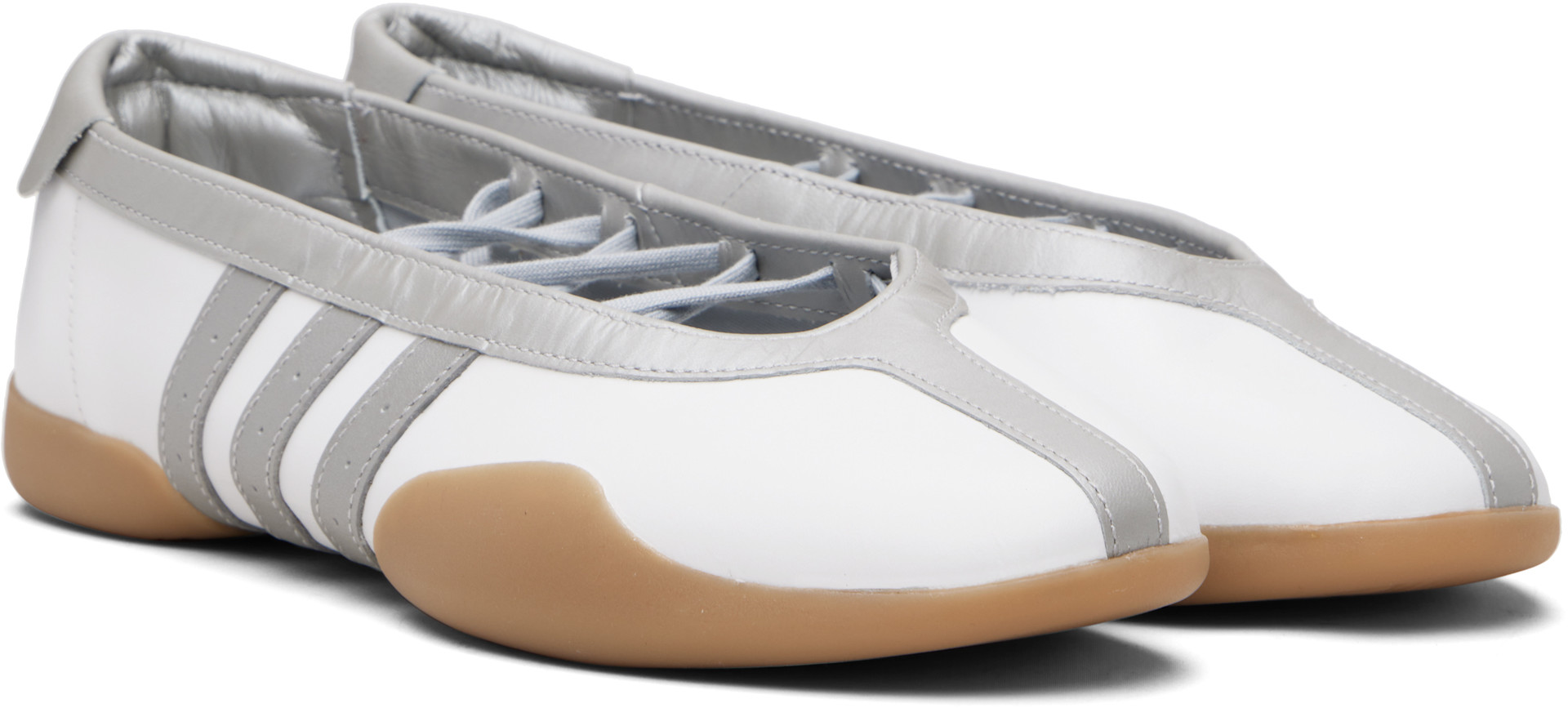
Adidas ballerina shoes represent a unique intersection of athletic engineering and minimalist aesthetic, designed primarily for individuals seeking the lightweight, low-profile silhouette of a classic ballet flat infused with the performance DNA of a sport brand. These hybrid shoes cater to consumers who prioritize comfort for daily casual wear, transit, or light activity, distinguishing themselves from traditional performance sneakers through their streamlined, slip-on construction and slimmed-down outsoles.
The Evolution and Design Philosophy of the Adidas Ballet Silhouette
The concept of an athletic ballerina shoe emerged as a response to the "athleisure" trend, which demanded footwear that could bridge the gap between high-performance sports gear and high-street fashion. Adidas, throughout its design history, has periodically revisited the ballerina silhouette, most notably through collaborative lines and minimalist sport-casual collections. The core philosophy centers on the marriage of a feminine, low-cut aesthetic with the durability expected from a global sportswear manufacturer.
Unlike traditional ballet flats—often constructed with rigid, flat soles that provide minimal arch support—the Adidas iterations typically incorporate flexible rubber outsoles and ergonomic footbeds. This integration ensures that the wearer gains a degree of impact absorption that typical fashion footwear lacks. By utilizing materials such as breathable mesh, synthetic textiles, or occasionally leather, the brand emphasizes weight reduction. This makes these shoes particularly popular as travel footwear, as they are easily packable and lightweight compared to traditional chunky trainers.
Identifying Your Needs: When to Choose Ballerinas Over Sneakers
Selecting the right footwear requires a clear understanding of the intended activity level. Adidas ballerina shoes are not engineered for high-intensity training, running, or lateral-movement sports. Attempting to use them for activities requiring significant ankle stability or heavy impact protection can lead to discomfort or injury.
To determine if a ballerina-style shoe is appropriate for your needs, consider the following performance characteristics:
- Intended Use: These are strictly for light walking, commuting, office wear, or social settings where standing for moderate periods is required.
- Support Profile: Due to their low-cut profile, they offer little to no lateral support. If you suffer from chronic ankle instability, these are not the optimal choice for long-distance walking.
- Climate Suitability: Most models are constructed from open-knit or mesh fabrics, making them excellent for warmer, dry climates. However, they lack the water resistance or insulation required for inclement weather or winter conditions.
- Fit and Sizing: Ballerina silhouettes often feature a more tapered toe box compared to athletic running shoes. Potential buyers should verify if their foot width is compatible with the brand’s specific "narrow-fit" tendencies, as the slip-on design does not allow for the same degree of lacing adjustment found in standard sneakers.
Comparative Analysis of Footwear Profiles
Understanding how ballerina shoes compare to other footwear categories helps in managing expectations regarding support and durability. The following table illustrates the functional distinctions between different casual-leaning Adidas profiles.
| Feature | Ballerina Flats | Ultraboost/Running | Lifestyle Sneakers |
|---|---|---|---|
| Arch Support | Minimal | High/Engineered | Moderate |
| Sole Thickness | Ultra-thin | Thick/Cushioned | Medium |
| Primary Material | Lightweight Mesh | Primeknit/Boost | Leather/Suede/Mesh |
| Primary Use | Casual/Commute | Performance Training | Fashion/Daily Wear |
| Stability | Low | High | Moderate |
Technical Specifications and Material Considerations
When evaluating a pair of Adidas ballerina-style shoes in 2026, the construction details remain the most significant indicator of comfort. Most models leverage a flexible outsole—often made from a proprietary vulcanized or blown rubber compound—which allows the shoe to mimic the natural movement of the foot.
Upper Construction: Most current iterations utilize a sock-like fit. This is achieved through engineered textiles that adapt to the foot's shape, reducing the occurrence of friction points or "hot spots" that cause blisters. It is essential to ensure that the heel collar has sufficient tension; as these lack laces, a proper fit depends entirely on the elasticity of the material around the opening.
Insole Technology: While they lack the complex support of high-end running shoes, many models now feature basic moisture-wicking sock liners or lightweight foam inserts. For users who require orthotic inserts, it is important to check if the factory-installed insole is removable. If the shoe is designed as a minimalist flat, the internal volume may be too restricted to accommodate an aftermarket orthotic.
Practical Maintenance and Longevity
The durability of lightweight ballerina shoes is inherently lower than that of heavy-duty trainers due to the reduced thickness of materials. To maximize the lifespan of your purchase, follow these guidelines:
- Cleaning: Given that most models use synthetic mesh, avoid machine washing unless explicitly stated on the product tag. Submerging them in water can degrade the adhesive bonds between the sole and the upper. Instead, use a soft cloth and a mild soap solution for spot cleaning.
- Storage: Keep the shoes in a cool, dry place. Because of their flexible construction, they can easily lose their shape if stored beneath heavier objects. Inserting lightweight shoe trees or crumpled tissue paper can help maintain the silhouette when not in use.
- Rotation: Do not wear the same pair of lightweight flats every single day. Materials, particularly the foams and elastics used in the upper, require time to recover their shape and dry out from perspiration. Rotating between two pairs of casual shoes will significantly extend the life of both.
Troubleshooting Common Fit Issues
Users often encounter issues with sizing consistency, as the "ballet" cut does not have laces to compensate for volume discrepancies.
- Heel Slippage: If the heel slips while walking, the shoe may be slightly too long, or the material has stretched. Using a silicone heel grip can often solve this without requiring a full size exchange.
- Toe Compression: If the toes feel pinched, the shoe is likely too narrow. Unlike leather dress shoes, these synthetic uppers do not "stretch out" significantly over time. If they feel tight at the point of purchase, consider a half-size larger or a wider width, if available.
- Lack of Support: If you find yourself experiencing arch fatigue, it is a sign that the footwear is being used outside its design intent. Consider adding a thin, three-quarter length support insert designed specifically for flats.
Frequently Asked Questions
Can I run in Adidas ballerina shoes? No. These shoes are designed for lifestyle and casual use. They lack the cushioning, heel-to-toe drop, and structural stability required for the repetitive impact of running, which could result in plantar fasciitis, shin splints, or ankle strain.
Are these shoes suitable for office environments? Many versions of Adidas ballerina shoes feature sleek, monochromatic designs that align well with "smart casual" dress codes. Provided the workplace does not require formal professional attire, they are a frequent choice for office workers needing comfortable, low-profile footwear for long hours.
How do I know if the size is correct? A proper fit for a ballerina shoe should feel snug like a sock but not restrictive. You should be able to wiggle your toes freely. If there is visible bulging of the foot over the edges of the sole, the shoe is too narrow and will likely cause long-term discomfort.
Do these shoes offer arch support? Generally, no. They are categorized as minimalist footwear. If you have specific podiatric needs, such as flat feet or high arches, you should test the shoe while wearing your own custom orthotics to ensure the internal volume is sufficient.
Are they waterproof? No. Most models are made from mesh or knit fabrics designed for breathability. They are not intended for use in rain or wet conditions, as water will pass through the upper material quickly, leading to cold, wet feet and potential damage to the shoe's internal structure.
Professional Recommendation for Prospective Buyers
Before finalizing your purchase of Adidas ballerina shoes, perform a "wear test" during the time of day when your feet are at their largest—typically in the late afternoon. Walk around a surface that mimics your intended use, such as a tiled or hardwood floor, to gauge the grip and the level of impact felt through the thin sole. If your primary goal is to find a stylish, lightweight alternative to standard trainers for errands or travel, focus on models with a reinforced heel cup, as this will provide the best balance of comfort and security. Ensure that the absence of laces is compensated by an elasticized topline, which is critical for preventing the shoe from sliding off during a normal gait cycle.