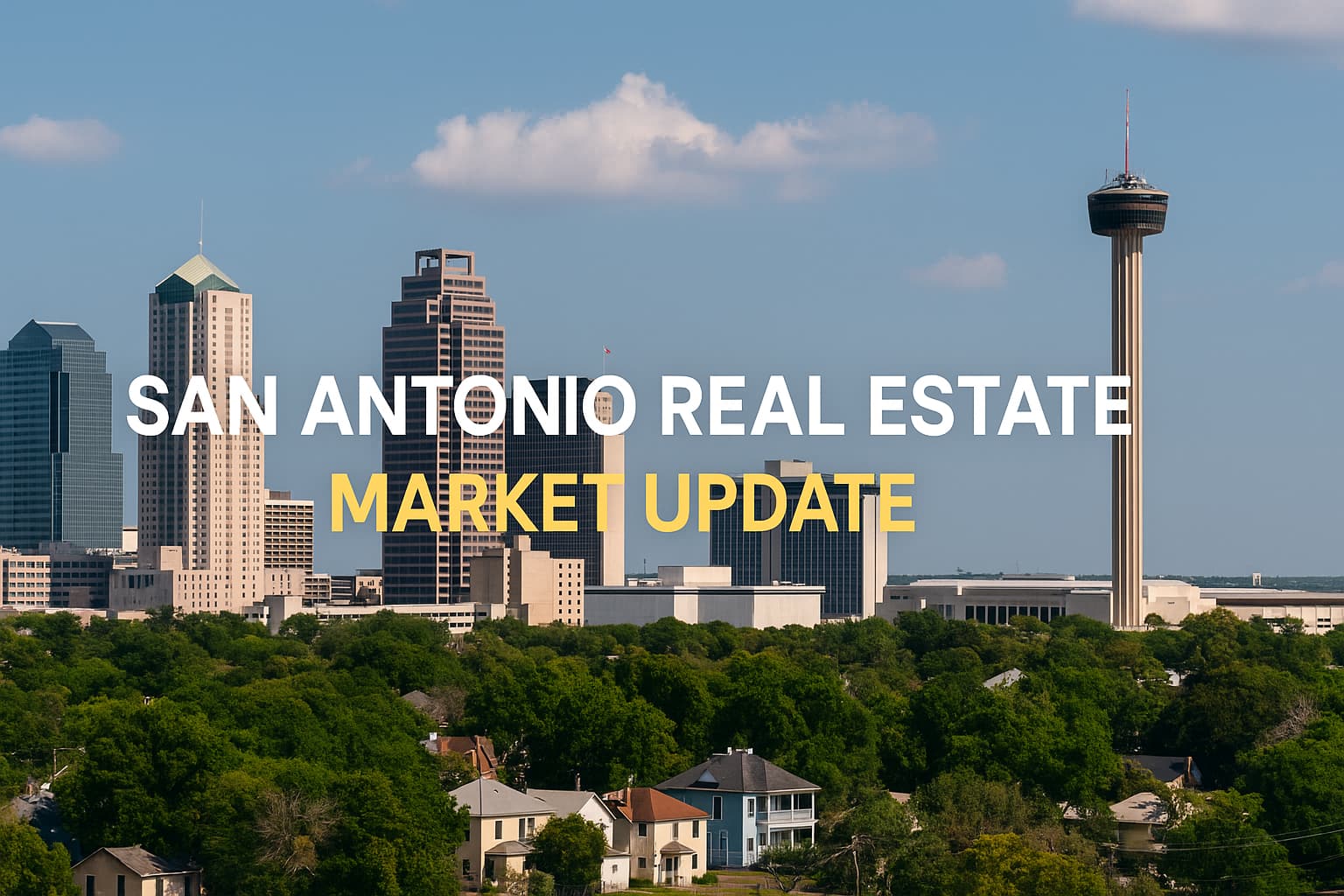
Adam Kaskie is an active figure in the Texas commercial and residential property markets, operating as a San Antonio businessman and real estate investor focused on acquisition, development, and strategic asset management. His professional profile reflects involvement in localized economic growth, property repositioning, and the operational management of real estate portfolios within South Texas.
Introduction to San Antonio’s Real Estate and Business Landscape
San Antonio, Texas, stands as one of the fastest-growing metropolitan areas in the United States. Its economic resilience, bolstered by a diverse mix of military, healthcare, tourism, and technology sectors, attracts a wide array of entrepreneurs, developers, and investors. Within this dynamic market, individuals like Adam Kaskie operate at the intersection of business ownership and real estate investment. Navigating this landscape requires a deep understanding of local zoning laws, municipal development codes, demographic shifts, and financing vehicles tailored to commercial and residential ventures.
Real estate investment in Bexar County and the broader South Texas region involves identifying underutilized properties, securing appropriate capital structures, and executing value-add strategies. Business figures operating in this sector typically manage multifaceted portfolios that may include multifamily housing, retail spaces, office buildings, or industrial warehouses. Examining the professional footprint of a San Antonio investor provides insight into how regional market dynamics influence local enterprise development and capital allocation.
The Role of a Regional Real Estate Investor and Entrepreneur
The dual role of a businessman and real estate investor requires a unique synthesis of operational acumen and asset stewardship. Unlike passive investors who allocate capital through syndications or public real estate investment trusts (REITs), active operators engage directly in the sourcing, underwriting, and physical management of real estate assets.
Core Operational Responsibilities
- Deal Sourcing and Underwriting: Identifying off-market opportunities, evaluating capitalization rates, and running comprehensive financial models to project cash flow, net operating income (NOI), and internal rates of return (IRR).
- Capital Structuring: Negotiating debt and equity financing through local banks, credit unions, private equity partners, or specialized commercial lending institutions.
- Asset Management: Overseeing property performance, tenant relations, vendor contracts, and capital expenditure (CapEx) projects to ensure long-term appreciation and yield stability.
- Risk Mitigation: Navigating market volatility, interest rate fluctuations, property tax adjustments, and regulatory compliance issues mandated by local municipalities.
For operators in San Antonio, these responsibilities are shaped by specific Texas property tax structures, landlord-tenant laws, and rapid urban expansion patterns that influence both suburban greenfield development and urban infill projects.
Market Dynamics in San Antonio, Texas
Understanding the context in which a San Antonio businessman operates necessitates a review of the regional macroeconomic factors driving the local property market. San Antonio has experienced steady population influx, drawing new residents from both out-of-state markets and other major Texas metropolitan areas like Austin, Houston, and Dallas-Fort Worth.
Key Market Drivers
- Population Growth: Continuous net migration has driven consistent demand for both single-family housing and multifamily apartment communities.
- Economic Diversification: While historically reliant on tourism and military installations, the city has expanded its footprint in biosciences, financial services, and information technology.
- Infrastructure Development: Ongoing expansions of major thoroughfares, including loops and highway systems managed by the Texas Department of Transportation (TxDOT), continually alter commercial corridors and residential desirability.
Investors must align their acquisition strategies with these growth corridors. Properties positioned near major employment hubs or transit arteries typically exhibit higher occupancy rates and more resilient valuation profiles during economic downturns.
Comparison of Real Estate Investment Strategies
Real estate investors and business operators typically employ distinct strategies depending on their risk tolerance, capital availability, and market conditions. The table below outlines common strategies utilized within competitive urban and suburban markets.
| Strategy | Core Objective | Typical Holding Period | Risk Profile | Primary Value Driver |
|---|---|---|---|---|
| Buy and Hold | Long-term cash flow and appreciation | 5 to 15+ years | Moderate | Rental income growth and debt paydown |
| Value-Add | Operational turnaround and forced appreciation | 2 to 5 years | Moderate-High | Physical renovations, management efficiencies, and rent optimization |
| Fix and Flip | Short-term resale profit | 3 to 12 months | High | Below-market purchase price and efficient renovation execution |
| Ground-Up Development | Creating new supply from raw or infill land | 3 to 7 years | Very High | Zoning approvals, construction management, and market timing |
Local operators often blend these approaches, utilizing short-term cash generation or strategic flips to fund larger, long-term buy-and-hold acquisitions or commercial developments.
Regulatory and Financial Considerations in Texas
Operating a business and investing in real estate within Texas involves navigating a specific set of state laws and tax frameworks. Unlike states with state-level personal income taxes, Texas relies heavily on property taxes to fund local municipal services, school districts, and county operations.
Property Tax and Legal Frameworks
- Appraisal Districts: Properties are assessed annually by entities such as the Bexar Appraisal District. Investors must actively monitor valuations and utilize protest mechanisms when assessments exceed market realities.
- Entity Structuring: Real estate investors commonly utilize Limited Liability Companies (LLCs) or series LLCs to isolate liability for individual assets, protecting personal and business capital from localized litigation or operational defaults.
- Lending Environments: Relationships with regional community banks and national commercial lenders are vital for securing non-recourse loans or commercial real estate lines of credit.
Frequently Asked Questions
What does a real estate investor do in a market like San Antonio?
A real estate investor in San Antonio identifies, acquires, and manages residential or commercial properties to generate rental income, equity growth, or resale profits. This involves market analysis, property underwriting, managing renovations, and overseeing tenant leasing operations.
Why is San Antonio considered an attractive market for property investment?
San Antonio offers steady population growth, a diversified economy, relatively affordable housing compared to other major Texas cities, and strong demand across both multifamily and single-family rental sectors.
How do Texas property taxes impact real estate investments?
Texas does not levy a state personal income tax, but it features relatively high property tax rates compared to the national average. Investors must accurately forecast these recurring expenses during underwriting to ensure projected cash flows remain viable.
What is a value-add real estate strategy?
A value-add strategy involves purchasing properties that are distressed, poorly managed, or outdated, and then executing targeted physical improvements and operational efficiencies to increase rental income and property valuation.
How do local businessmen finance commercial property acquisitions?
Local operators typically utilize a combination of private equity, commercial bank loans, SBA loans for owner-occupied business real estate, and partnerships with private investors or syndicators.
Conclusion and Next Actions
Engaging with the San Antonio real estate and business sectors requires rigorous market research, careful financial underwriting, and a thorough understanding of local regulatory frameworks. For individuals analyzing market participants or exploring investment avenues in South Texas, the key is to examine operational track records, asset diversification, and adherence to sound financial principles. Prospective investors should consult with local certified public accountants (CPAs), real estate attorneys, and commercial brokers before committing capital to specific ventures or acquisitions.