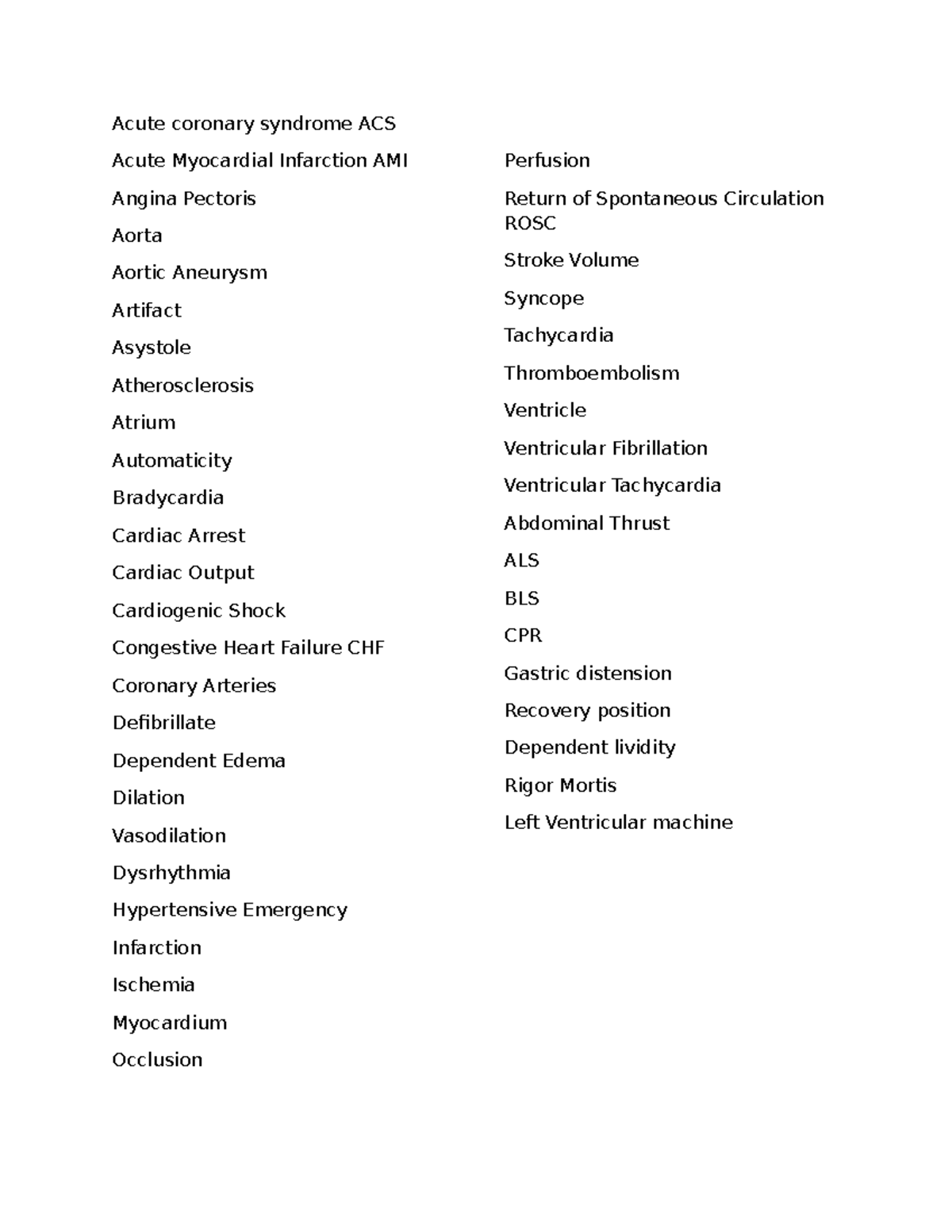
Acute Coronary Syndrome (ACS) is an umbrella term used in medicine to describe any condition where there is a sudden, reduced blood flow to the heart. This term encompasses several heart-related emergencies, including different types of heart attacks and unstable angina. Recognizing the symptoms of ACS is a critical, life-saving skill, as these conditions require immediate medical intervention to prevent permanent heart muscle damage.
Defining the Scope of Acute Coronary Syndrome
In the medical community, ACS is not a single diagnosis but rather a clinical syndrome. It functions as a categorization for a spectrum of heart issues that share a common underlying mechanism: the sudden interruption or significant blockage of blood flow through the coronary arteries. These arteries are responsible for supplying oxygen-rich blood to the heart muscle (the myocardium). When this supply is compromised, the heart tissue begins to suffer, leading to symptoms that demand urgent, often emergency, hospital care.
The "syndrome" aspect of the name is vital because it signifies that the condition is a group of signs and symptoms occurring together. Because a patient arriving at an emergency room with chest pain may have one of several distinct conditions, clinicians initially label the situation as "ACS" until diagnostic tests—such as an electrocardiogram (ECG) or blood tests for cardiac enzymes—can pinpoint the exact nature of the cardiac event.
The Three Primary Classifications of ACS
When medical professionals evaluate a patient for ACS, they typically categorize the condition into one of three distinct types. These classifications are determined primarily by the results of an ECG and the presence of specific proteins in the blood, known as cardiac biomarkers (such as troponin).
1. ST-Elevation Myocardial Infarction (STEMI)
A STEMI is the most severe form of heart attack. It occurs when a coronary artery is completely blocked, preventing blood flow to a large portion of the heart muscle. On an ECG, this blockage manifests as a distinct "ST-segment elevation." This is a time-critical emergency requiring immediate procedures, such as angioplasty or thrombolytic therapy, to reopen the artery and restore blood flow before irreversible damage occurs to the heart wall.
2. Non-ST-Elevation Myocardial Infarction (NSTEMI)
An NSTEMI is also a heart attack, but the blockage in the coronary artery is usually partial or temporary. While the heart muscle still sustains damage, it is often less extensive than in a STEMI. Diagnosis relies heavily on blood tests that detect troponin, a protein released into the bloodstream when heart cells die. Even though it is less severe on an ECG, an NSTEMI still represents a major cardiac event that requires hospitalization and medical management.
3. Unstable Angina
Unstable angina is the third category under the ACS umbrella. Unlike a heart attack, it does not involve permanent damage to the heart muscle; however, it is considered a warning sign that a major heart attack may be imminent. It occurs when blood flow is significantly reduced, usually due to plaque rupture, causing chest pain that is unpredictable, occurs at rest, or is increasing in frequency and intensity.
Physiological Mechanisms: Why ACS Occurs
The underlying cause of ACS is almost always atherosclerosis—a condition where plaque (a buildup of fats, cholesterol, and other substances) accumulates on the inner walls of the coronary arteries. Over time, these plaques can become unstable.
When a plaque ruptures, the body perceives it as an injury and immediately triggers the blood clotting process. Platelets rush to the site of the rupture, forming a thrombus (blood clot). This clot then obstructs the vessel. Depending on the size of the clot and whether it completely or partially blocks the artery, the patient will present with one of the three classifications of ACS mentioned above.
Comparison of ACS Conditions
The following table outlines the key differences in how these conditions are identified and managed in a clinical setting.
| Condition | ECG Findings | Biomarker Results | Severity |
|---|---|---|---|
| STEMI | ST-segment elevation | Positive (Elevated Troponin) | High (Full blockage) |
| NSTEMI | No elevation (ST-depression or T-wave changes) | Positive (Elevated Troponin) | Moderate to High |
| Unstable Angina | Non-specific or normal | Negative (No cardiac enzymes) | High Risk |
Common Symptoms and Red Flags
The hallmark symptom of ACS is chest pain or discomfort, often described as a feeling of pressure, squeezing, fullness, or pain in the center of the chest. It is important to note, however, that symptoms can be highly variable, especially among different patient demographics.
- Chest Discomfort: Pain may radiate to the arms (typically the left, but sometimes both), the neck, the jaw, the shoulders, or the back.
- Dyspnea: Shortness of breath, which may occur with or without chest pain.
- Autonomic Symptoms: Profuse sweating (diaphoresis), nausea, or vomiting.
- Atypical Presentations: Women, older adults, and patients with diabetes are more likely to experience "atypical" symptoms, such as extreme fatigue, indigestion, or dizziness, without the classic crushing chest pain.
If you or someone around you experiences these symptoms, particularly if they are sudden or worsening, call emergency services immediately. Do not attempt to drive to the hospital, as the patient’s condition can deteriorate rapidly.
Diagnostic Procedures in the Emergency Setting
Upon arrival at the emergency department, medical staff prioritize a rapid assessment to confirm or rule out ACS. This process typically occurs within minutes of arrival:
- Electrocardiogram (ECG/EKG): This is the first diagnostic step. It records the electrical activity of the heart and can immediately identify the signs of a STEMI.
- Blood Tests (Cardiac Biomarkers): Doctors draw blood to measure the levels of troponin. High levels of this protein indicate that heart muscle cells have been damaged or are under extreme stress.
- Physical Exam: Clinicians will check vital signs and listen for irregular heart sounds, which may indicate complications such as heart failure or arrhythmias.
- Imaging: Depending on the stability of the patient, a chest X-ray or an echocardiogram (an ultrasound of the heart) may be performed to assess the heart's pumping ability and detect other structural issues.
Treatment Pathways and Recovery
Treatment for ACS is dictated by the severity of the blockage. The primary goal is reperfusion—restoring blood flow to the heart muscle.
- Medications: Patients are often given antiplatelet agents (like aspirin or clopidogrel) to prevent further clot formation, anticoagulants, nitroglycerin to improve blood flow, and beta-blockers to reduce the heart's workload.
- Percutaneous Coronary Intervention (PCI): This is the preferred treatment for most STEMI and many NSTEMI cases. A cardiologist inserts a catheter through a blood vessel in the arm or leg, threads it to the blockage, and uses a balloon to open the artery, often placing a stent to keep it open.
- Coronary Artery Bypass Grafting (CABG): In cases where the blockages are extensive or complex, surgeons may perform bypass surgery to create a new route for blood to flow around the blocked artery.
Recovery involves long-term management through lifestyle changes and prescribed medication. Cardiac rehabilitation programs are standard, providing supervised exercise and education on diet, smoking cessation, and stress management to reduce the risk of a future event.
Frequently Asked Questions
Is ACS the same as a heart attack?
ACS is a broader term that includes heart attacks (STEMI and NSTEMI) as well as unstable angina. While all heart attacks are forms of ACS, not all ACS patients are having a heart attack at that exact moment, though they are all at high risk of one.
Can I have ACS without chest pain?
Yes. Many people, particularly those with diabetes or the elderly, may experience "silent" ACS. Symptoms might include sudden unexplained fatigue, nausea, or shortness of breath. Because these symptoms are less "classic," they are often ignored, which is dangerous.
What should I do if I think someone is having an ACS event?
Call emergency services immediately. Keep the person calm and seated or lying down while waiting for paramedics. If the person has been prescribed nitroglycerin for a known heart condition, help them take it as directed. If they are unconscious and not breathing, be prepared to perform CPR.
How is unstable angina different from stable angina?
Stable angina follows a predictable pattern, usually occurring during physical exertion and resolving with rest or medication. Unstable angina is unpredictable; it occurs at rest or with minimal activity and is typically a sign of a new, acute obstruction in a coronary artery.
Are there long-term lifestyle changes required after an ACS diagnosis?
Yes. Managing ACS requires ongoing control of blood pressure, cholesterol, and blood sugar. Lifestyle changes generally include adopting a heart-healthy diet, regular physician-approved exercise, and strictly adhering to prescribed medications to prevent plaque buildup and clots.
Disclaimer: This article is for informational purposes only and does not constitute medical advice, diagnosis, or treatment. If you believe you are experiencing a medical emergency, call emergency services immediately.