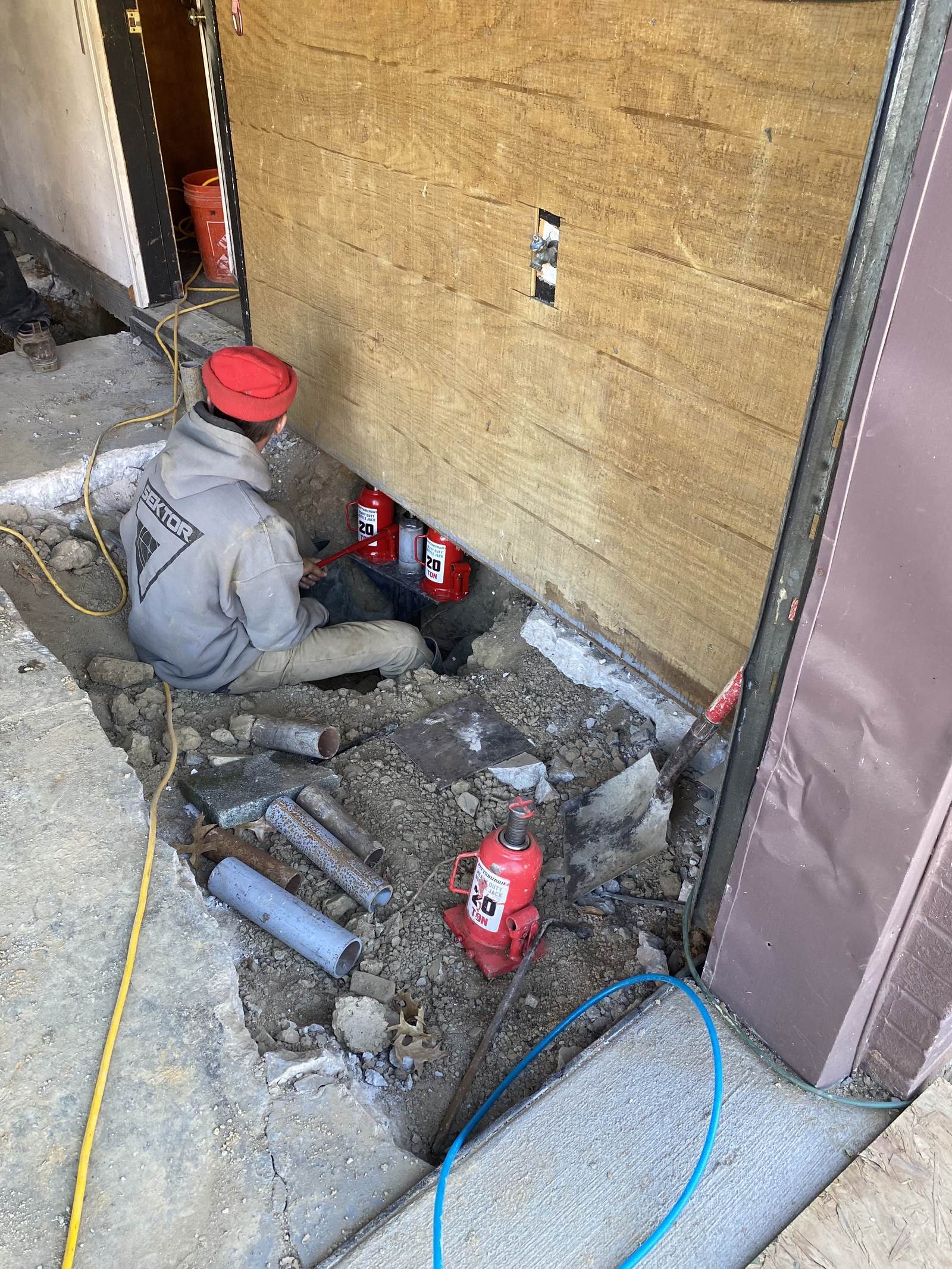
When homeowners in Houston, Texas, notice cracks in their brickwork, sticking doors, or uneven flooring, they often turn to established local specialists like Abry Brothers Foundation Repair to evaluate structural integrity and protect their most significant investment.
Evaluating foundation repair options in the Greater Houston area requires understanding local soil dynamics, specific engineering methods, structural warranties, and realistic cost expectations. Houston's expansive clay soils—frequently referred to as gumbo clay—swell heavily during periods of heavy rainfall and shrink dramatically during dry summer droughts. This constant cycle of volumetric change exerts immense pressure on concrete slabs and pier-and-beam structures, making professional structural remediation a common necessity for local property owners.
Understanding Houston’s Unique Geotechnical Environment
The geographic and geological conditions of Southeast Texas present distinct challenges for residential and commercial foundations. Unlike regions built on stable rock or sandy soil, Houston sits atop deep layers of highly expansive clay. This soil behavior directly dictates how foundations fail and how repair contractors must approach structural stabilization.
The Impact of Expansive Clay Soil
Expansive clay acts much like a sponge. When it rains, the soil absorbs moisture and expands upward, lifting the edges or sections of a home's foundation. Conversely, during hot Texas summers, evaporation strips moisture from the ground, causing the soil to shrink and pull away from the concrete slab or structural perimeter. This differential movement—where one part of the house remains anchored while another part drops or rises—creates severe shear stress, leading to diagonal wall cracks, jammed windows, and compromised framing.
Slabs vs. Pier and Beam Structures
Houston homes generally feature one of two foundation types, and each requires a specialized engineering approach:
- Monolithic Concrete Slabs: Poured directly onto the prepared subgrade, these slabs rely heavily on internal steel reinforcement and a uniform thickness. When the underlying soil shifts unevenly, the concrete can crack or snap.
- Pier and Beam Structures: Common in older Houston neighborhoods like the Heights, Montrose, and older sections of Meyerland, these homes utilize concrete or wood piers elevated above the ground, supporting a wooden crawlspace and subfloor. These systems are susceptible to wood rot, plumbing leaks in the crawlspace, and shifting piers caused by surface moisture changes.
Identifying Foundation Distress: Signs You Need an Evaluation
Catching structural issues early can prevent minor cosmetic cracks from evolving into catastrophic framing failures. Homeowners should routinely inspect both the interior and exterior of their properties for red flags.
Exterior Symptoms
- Brick and Mortar Cracks: Stair-step cracking in brick veneer or mortar joints typically indicates differential settlement.
- Gaps Around Door and Window Frames: Separation between exterior framing and brick molding suggests the wall structure is moving out of plumb.
- Siding Separation: Separation where exterior siding meets the roofline or foundation edge.
Interior Symptoms
- Sticking Doors and Windows: Doors that suddenly refuse to latch or windows that bind in their frames indicate that the door and window headers are being pinched by shifting walls.
- Diagonal Wall Cracks: Cracks radiating outward from the corners of doors and windows, especially in drywall or plaster.
- Sloping Floors: Noticeable level changes when walking across rooms or marbles rolling across a supposedly flat floor.
Foundation Repair Methods Used in Houston
Contractors operating in the Houston market utilize several established engineering techniques to stabilize settling structures. Understanding these methods helps homeowners navigate repair proposals intelligently.
Pressed Concrete Pilings
Pressed concrete pilings are widely used in Texas due to the depth of the clay soils. Crews excavate small holes around the perimeter of the foundation and hydraulically press pre-cast concrete cylinders deep into the ground until they reach load-bearing strata or stable friction depth. Once the pilings are in place, steel shims are used to lift and secure the foundation back toward its original elevation.
Steel Piers
For areas with extreme soil depth or heavy structural loads, steel piers offer a deep-driven alternative. Heavy-duty steel segments are driven hydraulically into the earth until they anchor into stable bedrock or verified load-bearing soil layers. Steel pilings are often backed by lifetime transferrable warranties because of their high load capacity and resistance to corrosion when properly coated.
Mudjacking and Polyurethane Foam Injection
For minor slab settlement where the underlying soil has washed out or compressed without significant structural cracking, pressure-grouting techniques can lift concrete. Slurry or expanding polyurethane foam is injected beneath the slab to fill voids and gently raise sunken concrete sections back to level.
| Repair Method | Best Suited For | Typical Installation Time | Warranty Profile |
|---|---|---|---|
| Pressed Concrete Pilings | Standard residential slab foundations on clay soil | 1 to 3 days | Usually transferable, varying from 10 years to lifetime |
| Steel Piers | Heavy structural loads, deep stable soil requirements | 1 to 4 days | Typically transferable lifetime structural warranty |
| Mudjacking / Polyurethane | Minor concrete settling, void filling, patios, sidewalks | 1 day or less | Shorter duration (1 to 5 years) |
| Baseplate / Post Adjustments | Pier and beam crawlspaces | 1 to 2 days | Varies by contractor and scope |
Evaluating Contractors and Securing Estimates
Choosing a reputable foundation repair specialist in Houston requires more than looking at online ratings. Homeowners should conduct due diligence to ensure structural integrity is restored safely and legally.
Essential Vetting Steps
- Independent Engineering Reports: Before hiring a contractor for major lifting, consider hiring a licensed structural engineer (independent of the repair company) to diagnose the root cause of the damage and provide an unbiased repair plan.
- Verify Licensing and Insurance: Ensure the contractor carries active general liability insurance and workers' compensation coverage to protect against workplace accidents.
- Review the Warranty Details: Carefully read the fine print of any warranty offered. Check whether the warranty is transferable to future buyers, whether adjustments are covered free of charge, and what exclusions apply (such as plumbing leaks or acts of God).
- Local Experience: Given Houston's unique micro-climates and soil maps—ranging from the heavy black gumbo of Missouri City to the sandy loams north of the city—local experience matters immensely.
Preparing Your Home for Foundation Repair
When a foundation repair project is scheduled, homeowners must take specific preparatory measures to minimize property damage and streamline the work for the crew.
- Interior Clearances: Clear furniture, shelving, and electronics away from walls where interior tunneling or pier installation may occur. Protect valuables from dust generated during interior slab breaking or drywall adjustments.
- Exterior Access: Remove plants, flowerbeds, bushes, and decorative landscaping near the foundation walls. Ensure garden hoses, decorative stones, and sprinkler lines are out of the excavation zone.
- Utility Locations: Call 811 (Texas811) at least a few days prior to excavation to have underground utility lines (gas, water, electricity, fiber optics) marked clearly to prevent dangerous and costly strikes.
- Plumbing Protection: Foundation movement often shears or cracks under-slab cast iron or PVC drain lines. It is standard practice in Houston to perform a hydrostatic plumbing leak test before and after foundation lifting to ensure sewer lines are intact.
Frequently Asked Questions
How long does a typical foundation repair take in Houston?
Most residential foundation repair projects in Houston take between one to three days to complete, depending on the size of the home, the number of piers required, and whether interior tunneling is necessary. Complex commercial projects or homes with severe structural damage may take longer.
Will foundation repair fix my cracked drywall and sticking doors immediately?
While structural stabilization stops further movement immediately, cosmetic repairs like patching drywall, painting, and adjusting doors should be delayed for several weeks or months. This waiting period allows the framing and materials to settle into their newly supported positions.
Are foundation warranties transferable if I sell my home?
Many reputable structural repair companies in Houston offer transferable warranties. Homeowners should verify this in writing, as a transferable structural warranty can serve as a valuable selling point during real estate transactions.
How can I prevent foundation damage during Houston droughts?
Maintaining consistent soil moisture around your foundation during dry summer months is crucial. Homeowners often use soaker hoses placed roughly 12 to 18 inches away from the foundation perimeter, running them on automated timers to prevent the expansive clay soil from shrinking and pulling away from the slab.
Next Actions and Final Recommendations
If you suspect foundation failure, start by documenting visible cracks with photographs and date stamps to track whether the damage is actively worsening. Schedule a professional evaluation with a qualified local specialist or independent structural engineer to map out elevations and determine whether corrective piers or soil management techniques are required. Taking prompt, informed action protects your home's structural safety and preserves its long-term market value in the demanding Houston climate.