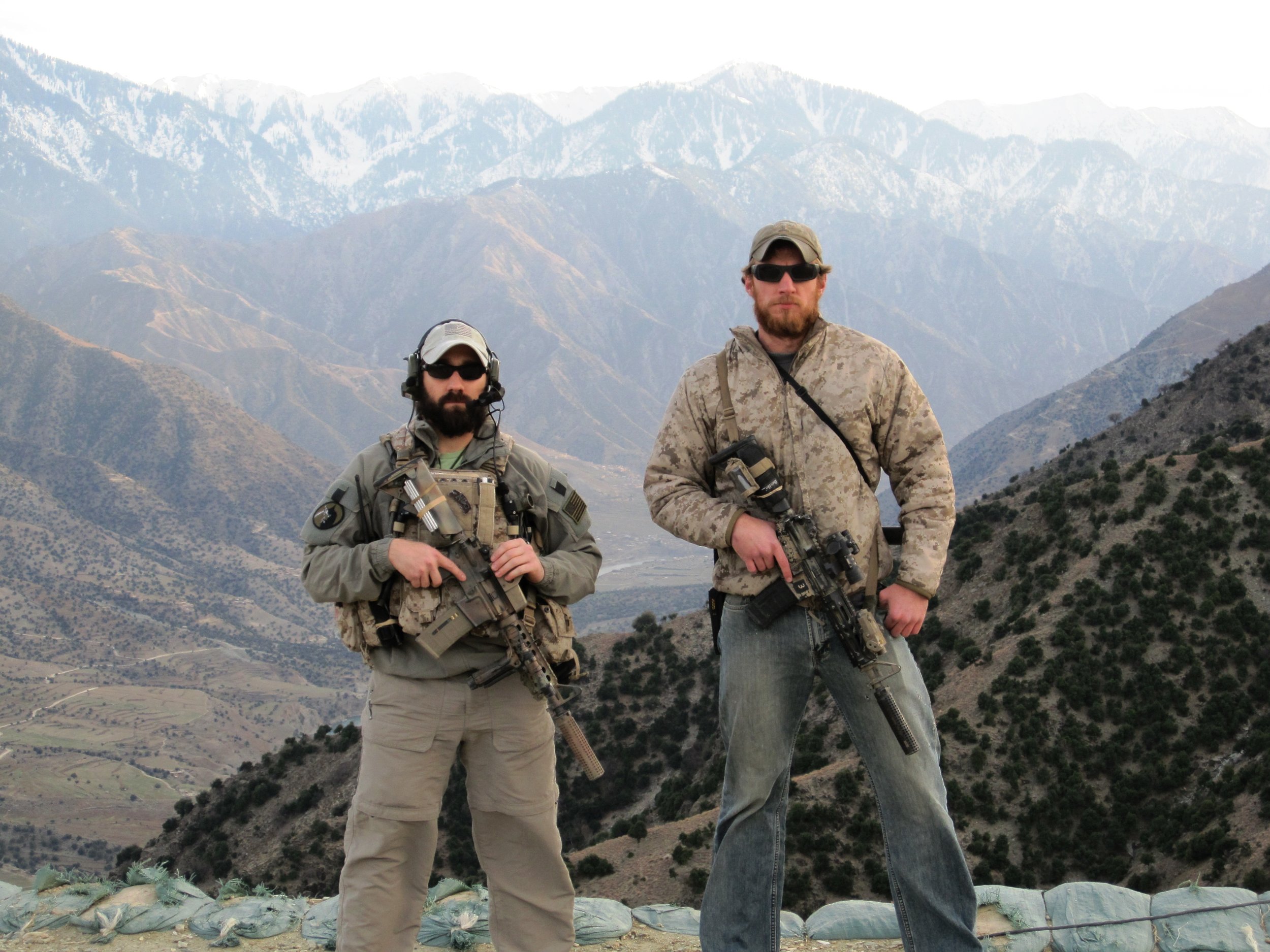
Aaron Carson Vaughn was a highly decorated United States Navy SEAL who served with distinction as a member of SEAL Team 6. His military career and his sacrifice during Operation Enduring Freedom in Afghanistan remain significant components of modern American military history. Vaughn, who rose to the rank of Special Operations Chief (SEAL), was known for his commitment to excellence, his leadership within special operations, and his eventual role in the tragic events of August 6, 2011, when the Extortion 17 helicopter crash took the lives of 30 American service members, including 15 Navy SEALs.
Early Life and Path to Naval Special Warfare
Born in 1981 in Stuart, Florida, Aaron Vaughn’s early life was marked by a commitment to physical fitness and a desire to serve his country. He moved to Tennessee during his youth, where he developed the values of integrity and perseverance that would later define his professional conduct. Vaughn’s ambition to join the Navy SEALs required exceptional levels of physical endurance, mental fortitude, and psychological resilience.
The path to becoming a SEAL is one of the most rigorous training pipelines in the United States military. Prospective candidates must navigate the Basic Underwater Demolition/SEAL (BUD/S) training, a program designed to identify individuals with the specific temperament and capabilities required for unconventional warfare. Vaughn successfully completed this training, demonstrating the adaptability and technical proficiency necessary for deployment in high-stakes environments. His progression through the ranks of the Naval Special Warfare community involved years of specialized instruction, ranging from advanced marksmanship and tactical communication to maritime operations and parachuting.
Operational Excellence and Service with SEAL Team 6
Upon joining the elite ranks of the Naval Special Development Group, commonly referred to as SEAL Team 6, Vaughn participated in critical missions during a transformative era of the Global War on Terrorism. Service within this unit requires a level of tactical sophistication that goes beyond standard infantry operations. Operators are trained to handle complex scenarios that demand split-second decision-making, team synchronization, and deep operational security.
Vaughn’s deployments took him to several of the most volatile regions in the world. During his tenure, he was involved in numerous high-risk missions that contributed to the national security objectives of the United States. His service record is characterized by his commitment to his teammates and the successful completion of challenging, classified objectives. Throughout his career, he earned multiple commendations and awards, reflecting his dedication to the SEAL ethos and his reliability under extreme pressure. His peers and commanding officers frequently noted his capacity to remain calm during intense combat engagements, a trait essential for leadership in the special operations community.
The Extortion 17 Tragedy
The most widely recognized event associated with Aaron Vaughn’s career is the mission on August 6, 2011, in the Tangi Valley of Wardak Province, Afghanistan. During a rapid-response operation, a CH-47D Chinook helicopter, designated Extortion 17, was engaged by enemy forces. The aircraft was struck by a rocket-propelled grenade, resulting in the loss of all passengers and crew on board.
The incident resulted in the greatest single-day loss of life for U.S. forces in the war in Afghanistan. The loss of 15 members of SEAL Team 6, along with other U.S. military personnel and Afghan allies, sent shockwaves through the special operations community and the nation. For the families of those lost, the event initiated a long period of grief, scrutiny, and advocacy. In the years following 2011, the circumstances surrounding the deployment of the helicopter, the rules of engagement, and the tactical decisions leading to the mission became subjects of intense public discourse.
The Aftermath and Public Advocacy
Following the loss of her husband, Kimberly Vaughn became a prominent voice for the families of the fallen. She moved to advocate for transparency in military investigations and to ensure that the sacrifices of service members were recognized appropriately by the public and government officials. The Vaughn family’s work has been instrumental in keeping the memory of the Extortion 17 fallen alive, while also highlighting the realities of the toll taken on military families during long-term conflicts.
The advocacy efforts have focused on several key areas, including:
- Government Accountability: Pressing for thorough investigations into the events leading to the downing of the helicopter.
- Support for Gold Star Families: Establishing resources and communities to assist the spouses and children of those who have died in service.
- Public Recognition: Ensuring that the specific contributions of elite special operations forces are understood by the civilian population.
Historical Perspective on Military Sacrifice
In 2026, the legacy of personnel like Aaron Vaughn is viewed through a lens that combines professional military history with the personal stories of those left behind. The transition from active combat roles in Afghanistan to the current post-withdrawal era allows for a more comprehensive assessment of the strategic and personal costs of the 20-year conflict.
| Aspect of Service | Contextual Reality |
|---|---|
| Training Pipeline | Rigorous multi-year selection and specialized technical training. |
| Operational Scope | High-tempo, high-risk mission profiles requiring team cohesion. |
| Commitment | Adherence to the SEAL Code and military doctrine under duress. |
| Post-Loss Impact | Significant shift in family advocacy and government oversight. |
Understanding the Role of Navy SEALs
To fully appreciate the life of Aaron Vaughn, it is necessary to understand the unique requirements placed on Navy SEAL operators. The role is not merely combat-oriented; it is an intelligence-driven, technical profession. SEALs are tasked with maritime, ground, and airborne missions that often require the use of sophisticated communication systems, specialized weaponry, and complex logistical support.
Technical Demands and Requirements
The modern Navy SEAL is expected to be proficient in:
- Unconventional Warfare: Operating in environments where traditional military infrastructure is absent or compromised.
- Technical Insertion: Utilizing HALO (High Altitude, Low Opening) parachuting, combat diving, and rapid extraction methods.
- Intelligence Gathering: Functioning as reconnaissance assets that feed vital data back to strategic command.
- Medical Proficiency: Every operator is trained to provide emergency trauma care in the field, as specialized medical support is not always immediately available.
Frequently Asked Questions
What unit was Aaron Vaughn part of? Aaron Vaughn was a highly trained member of the Naval Special Warfare Development Group, widely known as SEAL Team 6. This unit is tasked with the most sensitive and challenging special operations missions for the United States.
What was the cause of death for Aaron Vaughn? Aaron Vaughn died on August 6, 2011, when his helicopter, a CH-47 Chinook (Extortion 17), was shot down by a rocket-propelled grenade while engaged in a mission in the Tangi Valley of Afghanistan.
How did the family respond to the loss? The family, led by his widow, became active in advocating for the rights and recognition of Gold Star families. They have been vocal in seeking clarity regarding the events of that night and providing support for other families affected by military loss.
What is the significance of the Extortion 17 incident? Extortion 17 represents the single largest loss of life for American military personnel in the war in Afghanistan. It led to national debates regarding troop safety, tactical mission parameters, and the nature of special operations deployments.
Are there memorials dedicated to Aaron Vaughn? Yes, there are several regional and national memorials that honor the lives of the service members lost on Extortion 17, including the specific recognition of individual SEALs like Vaughn in various military museums and community-based tributes.
Recommendations for Further Exploration
For those seeking to understand the life of Aaron Vaughn or the broader history of the Navy SEALs during the post-9/11 era, it is recommended to review official historical reports from the Department of Defense regarding the war in Afghanistan. Additionally, the memoirs and public statements provided by the families of those lost on Extortion 17 offer primary accounts of the impact such losses have on the service community. When researching these topics, verify sources to ensure they reflect authorized records, as the secretive nature of special operations often leads to speculation that is not supported by verified evidence.