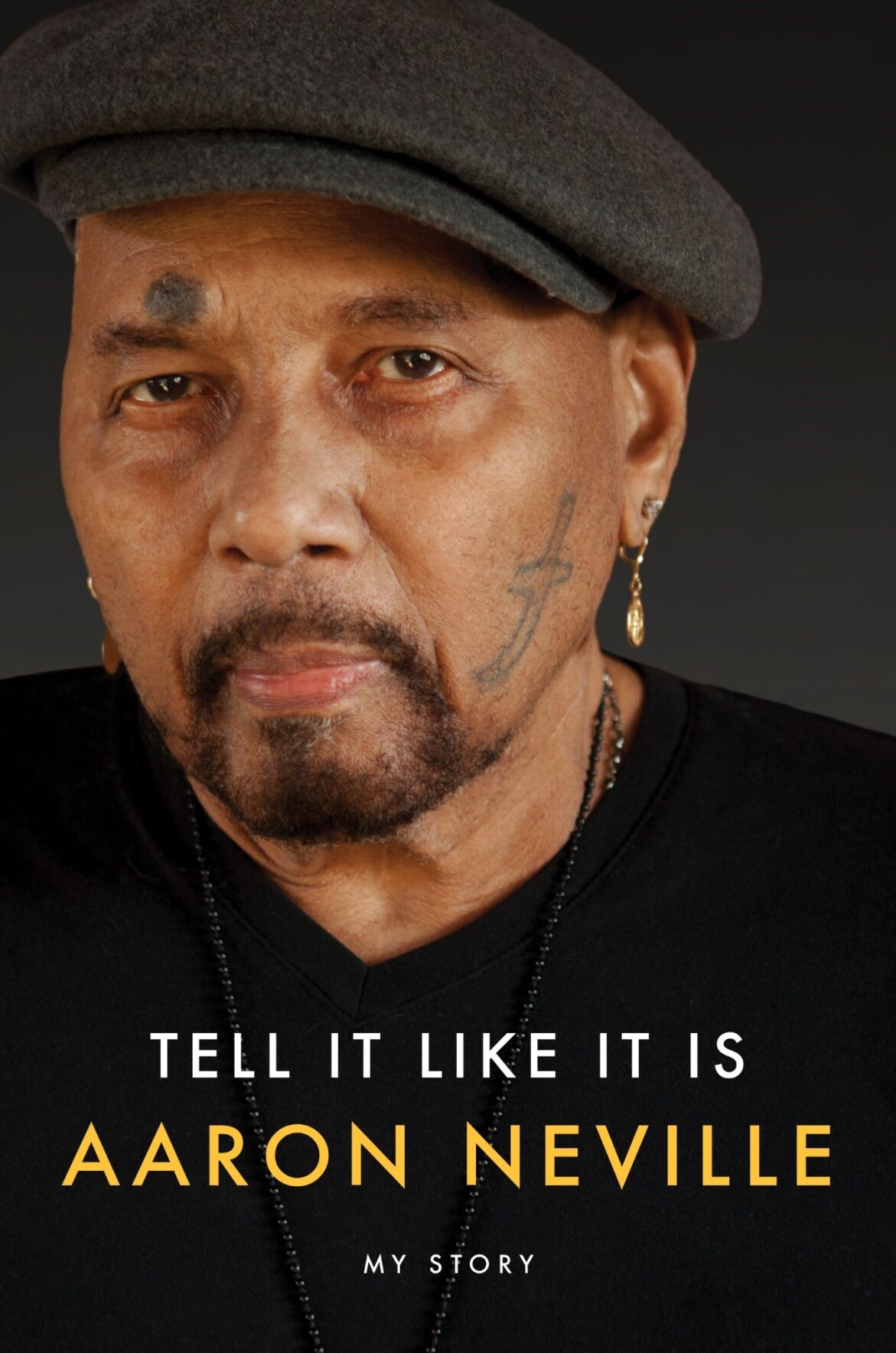
Contrary to circulating misinformation, the legendary American singer Aaron Neville did not die in July 2023. As of the current date in 2026, the Grammy Award-winning artist, known for his unique vibrato and his contributions to the Neville Brothers and his prolific solo career, remains alive. Confusion regarding his status often stems from the rapid spread of online death hoaxes or the misinterpretation of news concerning other public figures.
Understanding the Origin of Death Hoaxes
The digital age has introduced a persistent challenge for public figures: the "death hoax." These fabricated reports often follow a predictable pattern. A website or social media account creates a sensational headline, usually phrased as an "obituary" or "breaking news," to generate traffic through search engines and social platforms.
In the case of Aaron Neville, searches involving his name and specific dates like "July 2023" often aggregate from users who have encountered these predatory articles. These sites typically use "SEO-spamming" tactics—automated content generation designed to rank for high-intent keywords—to lure readers into clicking links. Once a user clicks, they are frequently directed to unrelated commercial content, malware-prone landing pages, or surveys.
It is critical to verify such information through established news outlets, official artist social media channels, or reliable databases such as the Grammy Awards archives or the Recording Academy’s official communications. In July 2023, there was no credible reporting from legitimate news organizations (such as The Associated Press, The New York Times, or Rolling Stone) regarding the passing of Aaron Neville.
The Significance of Aaron Neville’s Career
To understand why a public figure like Aaron Neville becomes the target of such rumors, one must recognize his standing in American music history. Born in New Orleans in 1941, Neville is a foundational figure in R&B, soul, and gospel. His voice is frequently cited by critics as one of the most distinctive in 20th-century music, characterized by a delicate, trembling quality that belies his rugged exterior.
Key Milestones and Contributions
- The Neville Brothers: Together with his brothers Art, Charles, and Cyril, he helped define the New Orleans sound, blending funk, soul, and jazz.
- "Tell It Like It Is": Released in 1966, this song catapulted him to international fame and remains a standard in the soul genre.
- Chart Success in the 80s and 90s: His duets with Linda Ronstadt, including "Don't Know Much" and "All My Life," brought his unique vocal style to a massive mainstream audience, securing his legacy as a crossover star.
- Grammy Recognition: He has received multiple Grammy Awards throughout his career, cementing his status as an industry legend.
Because his influence spans multiple generations, his name carries significant weight in search traffic. Malicious actors leverage this name recognition to push false narratives, banking on the emotional response of fans who hear these rumors and rush to search for confirmation.
How to Verify Public Figure Status
When you encounter a headline claiming the death of a prominent artist, it is essential to follow a structured verification process to avoid being misled by low-quality or malicious web content.
- Check Primary News Sources: Major wire services like Reuters or The Associated Press act as the final word for public announcements. If they haven't reported it, it hasn't happened.
- Verify Official Channels: Artists of Neville’s caliber typically have a management team or publicist. An official statement will usually be posted on their verified social media platforms (Twitter/X, Facebook, or Instagram) or their official website.
- Evaluate the Source: If the article appears on an obscure domain, a "news" site with poor design, or a URL that doesn't belong to a reputable journalistic organization, treat it with skepticism.
- Look for Cross-Reporting: If a death occurs, it will be covered by dozens, if not hundreds, of reputable news outlets simultaneously. A singular, isolated report on a low-quality blog is almost certainly a hoax.
Comparison of Reliable vs. Unreliable Information Sources
| Feature | Credible News Outlets | Death Hoax Sites |
|---|---|---|
| Verification | Cross-referenced with official sources | None; generated for clicks |
| Content | Fact-based, historical context | Sensationalist, repetitive filler |
| Advertising | Standard display or subscription | Aggressive, invasive, or redirecting |
| Date Stamps | Transparent and accurate | Often manipulated to look recent |
The Impact of Misinformation on the Public
Misinformation regarding the health and life status of public figures causes tangible confusion. When fans search for "Aaron Neville died July 2023," they are often met with a wall of deceptive content that can make it difficult to find the truth. This creates an environment of distrust where even legitimate updates can be questioned.
Furthermore, these searches can lead to "search engine pollution." When many people click on false results, search algorithms may mistakenly categorize those false pages as "relevant," causing them to appear higher in search rankings. This cycle perpetuates the myth and makes it harder for the truth—that the artist is alive—to rise to the top of results.
Navigating Biographical Information
When researching the lives and careers of long-standing artists, it is helpful to use biographical archives rather than search engine news results. Websites such as the Rock & Roll Hall of Fame, the Louisiana Music Hall of Fame, or even reputable music databases like Discogs provide static, factual information about an artist’s activity without the volatility associated with "news" feeds.
For those interested in the life of Aaron Neville, focusing on his discography, his New Orleans heritage, and his ongoing interviews provides a much more accurate view of his current status. As of 2026, he continues to be recognized as a living treasure of American music, with his contributions documented in various retrospective works.
Frequently Asked Questions
Did Aaron Neville pass away recently?
No. There have been no verified reports of Aaron Neville’s death as of 2026. Rumors suggesting he died in July 2023 are entirely false and lack any factual basis.
Where do death rumors come from?
They are typically generated by websites aiming to manipulate search engine rankings. By creating sensationalized, false obituaries, these sites attract traffic and profit from deceptive advertising practices.
How can I verify if a celebrity has died?
Always look for confirmation from reputable news organizations like The Associated Press or Reuters. If a celebrity of Neville's stature were to pass, major media outlets worldwide would report on it immediately and verify the information through family representatives.
Is there any official source for Aaron Neville’s updates?
Yes. Official social media accounts managed by his team or his record label are the most reliable places to find information about his current activities, health, or career updates.
What should I do if I see a "death" headline for a celebrity?
The best action is to ignore the link and avoid sharing it. Sharing or clicking these links provides the traffic that motivates the operators of these sites to continue creating misinformation.
Final Recommendation
When conducting searches for historical or personal facts about public figures, prioritize sources with an editorial process, such as established biographies, news wire services, or official artist websites. Do not rely on search engine snippets or the top results of a query if those results originate from click-driven content farms. Aaron Neville remains a vibrant part of the American musical landscape; any claims to the contrary are purely anecdotal and unsubstantiated.