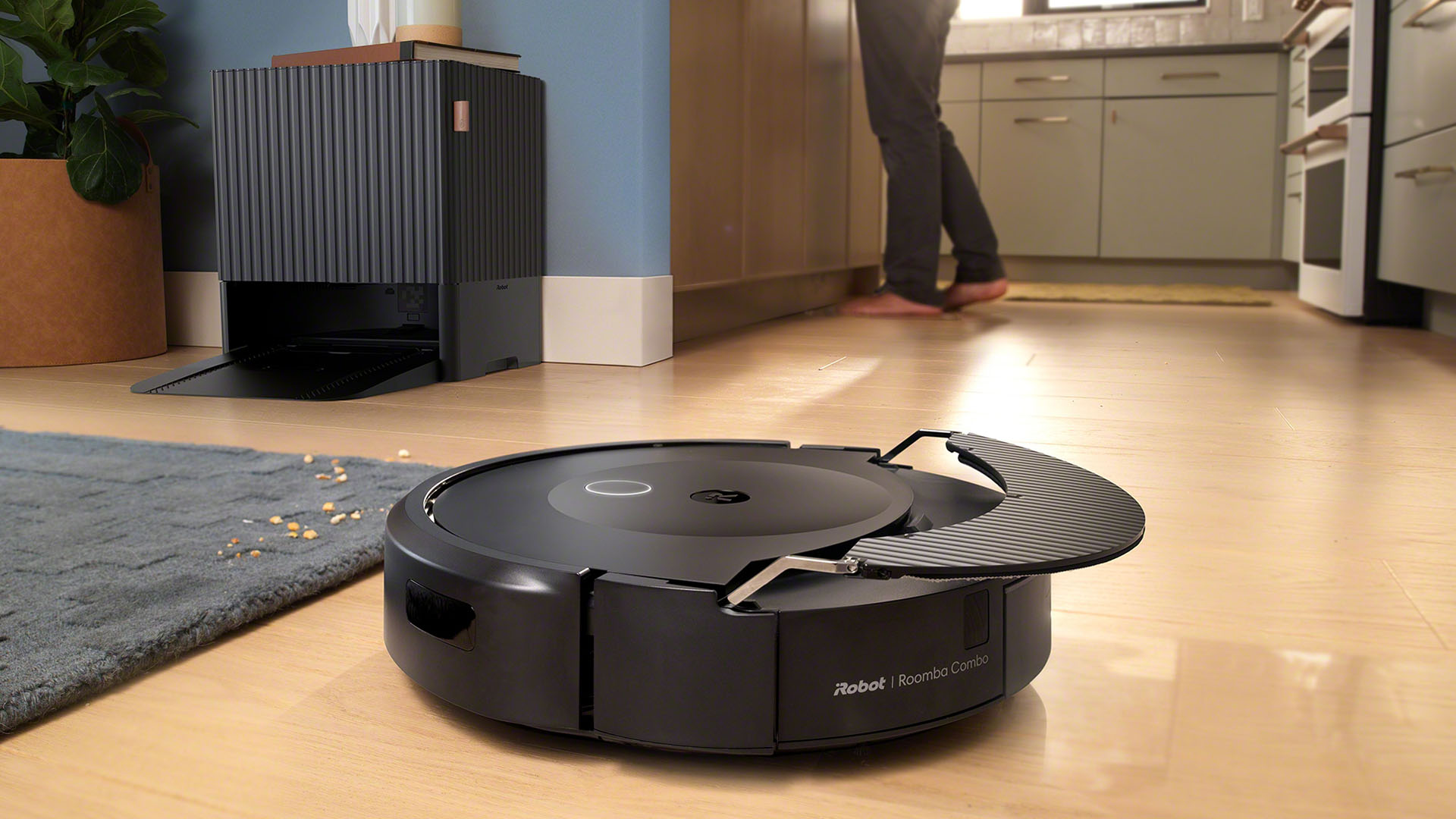
Finding the best robovac for pet hair involves evaluating suction power, anti-tangle brush rolls, filtration systems, and navigation technology to prevent clogs and ensure consistent cleaning performance across various floor types.
Pet ownership brings endless joy, but it also introduces a relentless cycle of shedding fur, tracked-in litter, and dander. Traditional upright vacuums require manual labor and frequent passes, whereas modern robotic vacuums promise automated maintenance. However, pet hair presents a unique challenge for automated cleaning devices. Fine undercoats wrap tightly around standard brush rolls, while heavier clumps can clog suction inlets, and pet waste can create catastrophic smears if navigation systems lack proper object recognition.
Selecting the right robotic vacuum requires looking beyond generic suction ratings. You must evaluate how a machine handles tangled hair, whether its filtration system traps microscopic allergens, and if its navigation tech can safely bypass unexpected obstacles like pet toys or accidents. This analysis examines top-performing models designed to manage pet hair effectively, helping you choose the right automated cleaning partner for your household.
Understanding the Unique Challenges of Pet Hair
Pet hair is notoriously difficult to clean because of its physical properties. Unlike human hair, which is longer and easier for standard brush rolls to catch and pull toward a suction inlet, pet fur—especially from double-coated breeds like Huskies, Golden Retrievers, or German Shepherds—comes in a dense mix of coarse guard hairs and fine undercoat fibers.
When these fine fibers enter a robotic vacuum, they tend to wrap around the rotating cylindrical brush. Over just a few cleaning cycles, this hair forms a tight, felt-like cylinder around the brush axle, forcing the motor to work harder, reducing cleaning efficiency, and eventually triggering error codes that require manual intervention with scissors. Furthermore, static electricity causes pet hair to cling stubbornly to upholstery, carpets, and baseboards, requiring strong airflow design rather than simple brush agitation.
Beyond hair accumulation, homes with pets demand superior filtration. Pet dander consists of microscopic protein flakes that easily become airborne and trigger allergic reactions. Standard foam filters often allow these fine particles to pass right back into the room through the vacuum exhaust. Consequently, models equipped with High-Efficiency Particulate Air (HEPA) filters or multi-stage sealed filtration systems are essential for maintaining indoor air quality while sweeping up pet hair.
Key Features to Look For in Pet-Specific Robotic Vacuums
When evaluating robotic vacuums for pet-friendly households, manufacturers employ several specific engineering solutions to combat hair tangles and cleaning inefficiencies.
Anti-Tangle Brush Rolls and Extraction Designs
The traditional bristle brush roll is the enemy of pet owners. Hair wraps around the bristles instantly. Modern pet-focused robovacs frequently utilize rubber paddle extractors or active anti-tangle combs. Rubber rollers use flexible fins that bounce against the floor, flicking hair and debris into the suction channel while naturally shedding wrapped fibers. Other models incorporate internal comb mechanisms that actively strip hair off the brush roll as it rotates, routing the hair directly into the dust bin.
Suction Power and Airflow Dynamics
Manufacturer-quoted suction pressure (measured in Pascals or Pa) is a useful metric, but actual cleaning performance depends heavily on the seal between the vacuum head and the floor. Pet hair requires high static pressure to lift it out of deep carpet piles. Look for models that automatically boost suction when transitioning from hard floors to carpets, ensuring that embedded fur is thoroughly extracted.
Advanced Obstruction Avoidance
Pets are unpredictable, and accidents happen. Older robotic vacuums would blindly plow through pet toys, food bowls, and solid pet waste, spreading messes across the entire house. Modern premium robovacs use advanced optical sensors, structured light, and artificial intelligence to identify and map small obstacles on the floor, steering clear of hazards while continuing their cleaning routes around hair tumbleweeds.
Detailed Review of the 7 Best Robovacs for Pet Hair
The market features numerous robotic vacuums, but only a select few excel at managing pet hair without constant maintenance. The following seven models stand out for their specialized pet-friendly engineering, robust suction, and reliable navigation.
1. iRobot Roomba j7+
The iRobot Roomba j7+ remains a benchmark for pet owners due to its dedicated focus on pet waste avoidance and dual multi-surface rubber brushes. Unlike traditional bristle brushes, the dual counter-rotating rubber rollers grab hair from carpets and hard floors without getting tangled.
- Primary Advantage: P.O.O.P. (Pet Owner Official Promise) guarantee—the front-facing camera explicitly identifies and avoids solid pet waste.
- Filtration: High-efficiency filter captures pollen, mold, dust mites, and cat and dog allergens.
- Self-Emptying: Includes a Clean Base Automatic Dirt Disposal dock that holds up to 60 days of debris in a sealed bag.
- Limitation: Navigation relies primarily on optical cameras, which struggle in completely unlit rooms.
2. Roborock S8 Pro Ultra
For households seeking maximum automation and raw power, the Roborock S8 Pro Ultra represents a powerhouse. It features dual rubber rollers and an exceptionally high suction rating, combined with a comprehensive self-cleaning and self-drying dock.
- Primary Advantage: DuoRoller Riser brush and VibraRise 2.0 mopping system that automatically lifts when carpets are detected.
- Filtration: Washable E11-rated air filter, though not medical-grade HEPA.
- Self-Emptying: Automatically empties dust, washes the mop pads with warm water, refills the water tank, and dries the pads with hot air.
- Limitation: Premium price point makes it one of the most expensive investments on the market.
3. Shark AI Ultra Robot Self-Empty
Shark offers a compelling mid-tier alternative that punches above its weight class, particularly for homes with a mix of heavy-shedding pets and varied flooring.
- Primary Advantage: Self-cleaning brushroll specifically engineered to eliminate hair wrap entirely during operation.
- Filtration: Anti-Allergen Complete Seal technology combined with a HEPA filter that traps 99.97% of dust and dander.
- Self-Emptying: Bagless base holds up to 60 days of pet hair and dirt, saving ongoing bag replacement costs.
- Limitation: LiDAR navigation can occasionally be confused by highly reflective or extremely dark surfaces.
4. Eufy Clean X9 Pro
The Eufy Clean X9 Pro leans heavily into dual-function cleaning, making it ideal for pet owners dealing with muddy paw prints alongside loose shedding fur.
- Primary Advantage: Dual rotating mop pads that apply downward pressure alongside strong suction to lift dried-on mud and pet stains.
- Filtration: Standard washable high-efficiency filter.
- Self-Emptying: Station washes and dries mop pads automatically, though the onboard dust bin requires manual emptying on some variations of the station setup.
- Limitation: The low profile under furniture is restricted when the dual mops are actively lowered.
5. Dreame L10s Ultra
Dreame brings advanced artificial intelligence and automated maintenance to the forefront, utilizing AI-powered obstacle avoidance to navigate around pet beds, toys, and feeding stations seamlessly.
- Primary Advantage: AI Action visual navigation paired with a rubber roller brush that excels at preventing hair wrap.
- Filtration: Standard dust-bin filtration backed by an antibacterial collection bag in the base station.
- Self-Emptying: Fully automated docking station handles dust emptying, mop washing, and hot-air drying.
- Limitation: App interface can feel overly complex due to the sheer volume of customizable cleaning routines.
6. Ecovacs Deebot X2 Omni
Breaking away from the traditional circular design, the Ecovacs Deebot X2 Omni features a square-ish profile that allows it to clean corners and edge along baseboards much more effectively where pet hair tends to accumulate.
- Primary Advantage: Low-profile square design and built-in edge-sweeping capabilities for tight corners.
- Filtration: High-efficiency triple-layer filtration system.
- Self-Emptying: Dual auto-empty and auto-wash dock featuring hot water mop washing.
- Limitation: The square front can occasionally catch on thick, loose hearth rugs if approaching at specific angles.
7. Shark Matrix Self-Empty Robot
A budget-friendly yet highly capable option, the Shark Matrix uses grid-based matrix cleaning passes to ensure every square inch of flooring is covered multiple times, loosening stubborn embedded pet hair.
- Primary Advantage: Matrix Clean navigation ensures multiple cleaning passes over high-traffic pet zones without requiring a luxury price tag.
- Filtration: Multi-stage filtration capturing dust and dander.
- Self-Emptying: Bagless base station with generous capacity.
- Limitation: Lacks advanced AI obstacle avoidance cameras, meaning small pet toys must be picked up before a run.
Comparative Specifications of Top Pet Hair Robovacs
| Model | Brush Type | Navigation Tech | Filtration Level | Self-Empty / Dock Features |
|---|---|---|---|---|
| iRobot Roomba j7+ | Dual Rubber Rollers | PrecisionVision AI Camera | High-Efficiency | Auto-Empty Bag (60 Days) |
| Roborock S8 Pro Ultra | Dual Rubber Rollers | Reactive 3D LiDAR | E11 Washable Filter | Full Auto-Wash, Dry, Empty |
| Shark AI Ultra | Self-Cleaning Bristle/Fin | 360° LiDAR | HEPA + Anti-Allergen Seal | Bagless Auto-Empty Base |
| Eufy Clean X9 Pro | Single Rubber Fin | iPath Laser + AI Camera | High-Efficiency | Auto-Wash / Dry Mops |
| Dreame L10s Ultra | Single Rubber Roller | AI Action + LiDAR | Standard + Bagged Base | Full Auto-Wash, Dry, Empty |
| Ecovacs Deebot X2 Omni | Rubber Bristle/Fin Combo | Dual-Laser LiDAR | Triple-Layer Filtration | Hot Water Wash & Empty |
| Shark Matrix Self-Empty | Self-Cleaning Brushroll | Matrix Grid LiDAR | Standard Multi-Stage | Bagless Auto-Empty Base |
Operational Limitations and Common Pitfalls
Even the most advanced robotic vacuums have strict physical limitations when operating in homes with pets. Understanding these boundaries prevents frustration and protects your investment.
The Pet Waste Hazard
While models like the Roomba j7+ feature specialized artificial intelligence designed to recognize and steer clear of solid pet waste, no robotic vacuum is entirely infallible. Running a robovac on a schedule while pets are unattended always carries a minor risk if an animal falls ill. Setting up exclusion zones around pet crates or feeding areas is a recommended precautionary measure.
Hair Accumulation Beyond the Brush
While anti-tangle brushes prevent hair from wrapping around the roller axle, pet hair can still accumulate inside the suction intake throat, inside the internal dust bin, or wrap around the side-spinning brushes. Regular manual inspection of these areas—typically once a week—ensures the vacuum continues to operate at peak suction capacity.
Carpet Fiber Compatibility
High-pile carpets and thick shag rugs present a significant hurdle for robotic vacuums. Long pet hair tangled deep within thick fibers often resists even the strongest suction motors. Homes with wall-to-wall high-pile carpeting should pair routine robotic vacuuming with periodic manual deep-cleaning using a specialized upright pet vacuum.
Maintenance Checklist for Pet-Heavy Homes
To maximize the lifespan and efficiency of your robotic vacuum, establish a routine maintenance schedule tailored to the demands of pet hair:
- Daily Inspection of Side Brushes: Check the spinning side brushes for hair wraps that can stall the small motor, and pull away tangled clumps.
- Weekly Roller Cleaning: Remove the main brush roll, check the end caps where hair frequently slips past the guards, and clear any accumulated fur.
- Bi-Weekly Filter Checks: Tap out loose dander and dust from the filter. If your model uses a washable filter, rinse it thoroughly with water and allow it to dry completely for at least 24 hours before reinstalling.
- Monthly Dock Maintenance: Clean the debris evacuation port on self-emptying docks, as pet hair can occasionally bridge across the opening and cause clogs.
Frequently Asked Questions
Do robotic vacuums really work for homes with shedding pets?
Yes, modern robotic vacuums equipped with rubber extractors and strong suction are exceptionally effective at managing daily shedding. By running daily cleaning cycles, they prevent fur from accumulating into large tumbleweeds, significantly reducing the amount of pet hair floating in the air and settling on furniture.
How often do self-emptying dust bins need to be emptied when cleaning up pet hair?
For homes with one or two heavy-shedding pets, self-emptying bases with bagged systems generally need to be replaced every 45 to 60 days. Bagless bases may require manual dumping every 30 days, though extremely dense undercoats or multiple giant-breed dogs can shorten these intervals.
Can robotic vacuums damage my floors while picking up pet hair?
No, modern robotic vacuums use soft rubber wheels and engineered floor-tracking sensors designed to protect hardwood, tile, and laminate flooring. The rubber roller extractors are specifically formulated to clean effectively without scratching sensitive wood finishes.
What should I do if my robovac smells like pet dander?
Over time, trapped pet dander inside the dust bin and filters can produce a stale odor. Wash the dust bin with mild soap and water (if manufacturer-approved), clean or replace the air filter, and consider placing a small piece of a scented dryer sheet inside the clean collection bag to neutralize odors.
Do I still need a manual vacuum if I buy a pet robovac?
While robotic vacuums handle daily maintenance effortlessly, you will still need a traditional manual vacuum or handheld attachment for deep carpet pile extraction, upholstered furniture, stairs, corners, and tight crevices that the low profile of a robovac cannot reach.
Conclusion and Final Recommendation
Choosing the best robovac for pet hair depends heavily on your flooring type, budget, and tolerance for manual maintenance. If your primary concern is absolute peace of mind against pet accidents, the iRobot Roomba j7+ offers industry-leading hazard recognition. If you prefer a hands-off, fully automated maintenance experience with maximum cleaning power, the Roborock S8 Pro Ultra stands out as the premier choice. For those seeking a balance of HEPA filtration, anti-tangle technology, and value, the Shark AI Ultra Robot provides robust daily performance without excessive upkeep. Assess your household layout, pet shedding volume, and flooring before committing to ensure cleaner floors with minimal daily effort.