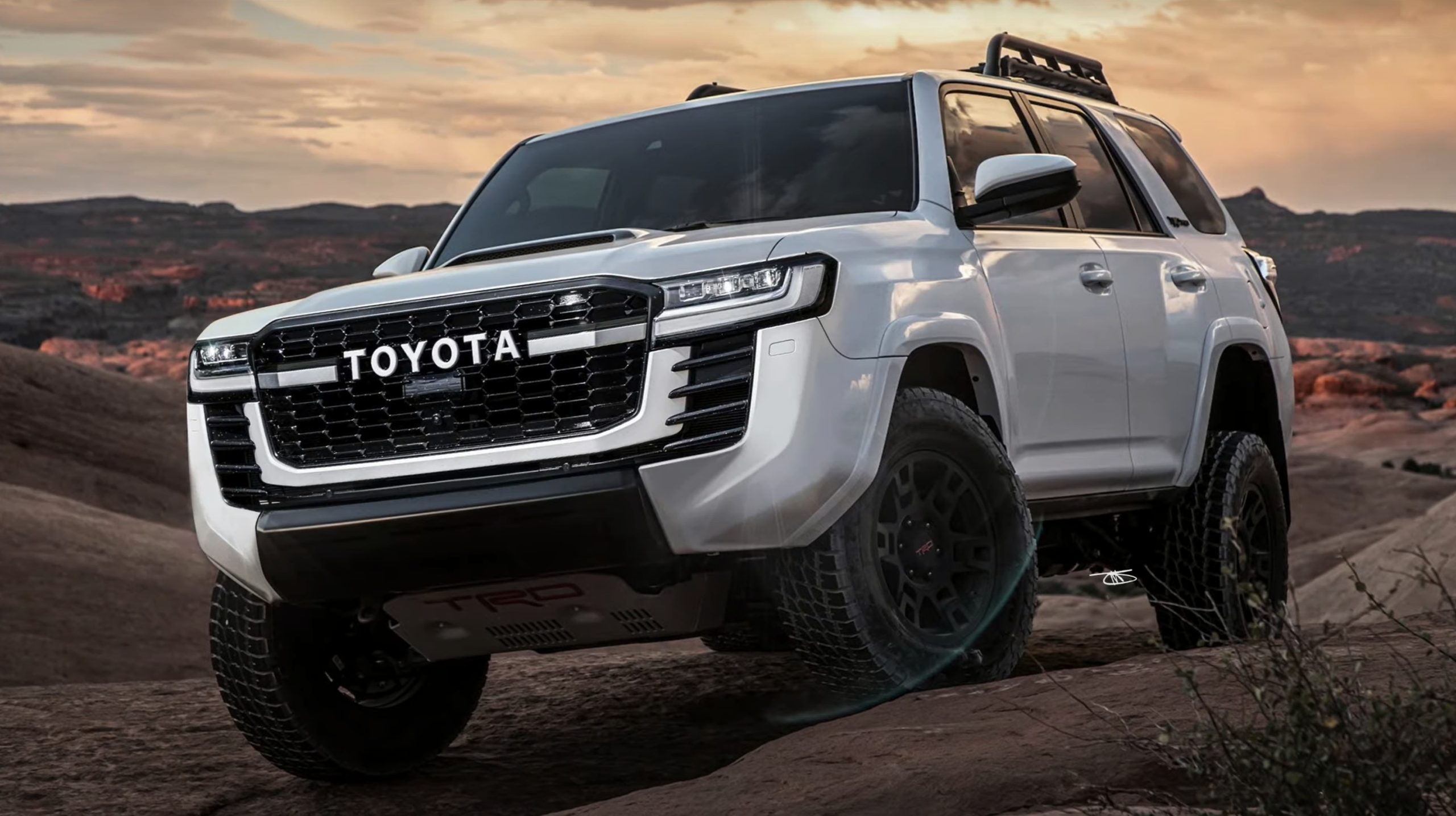
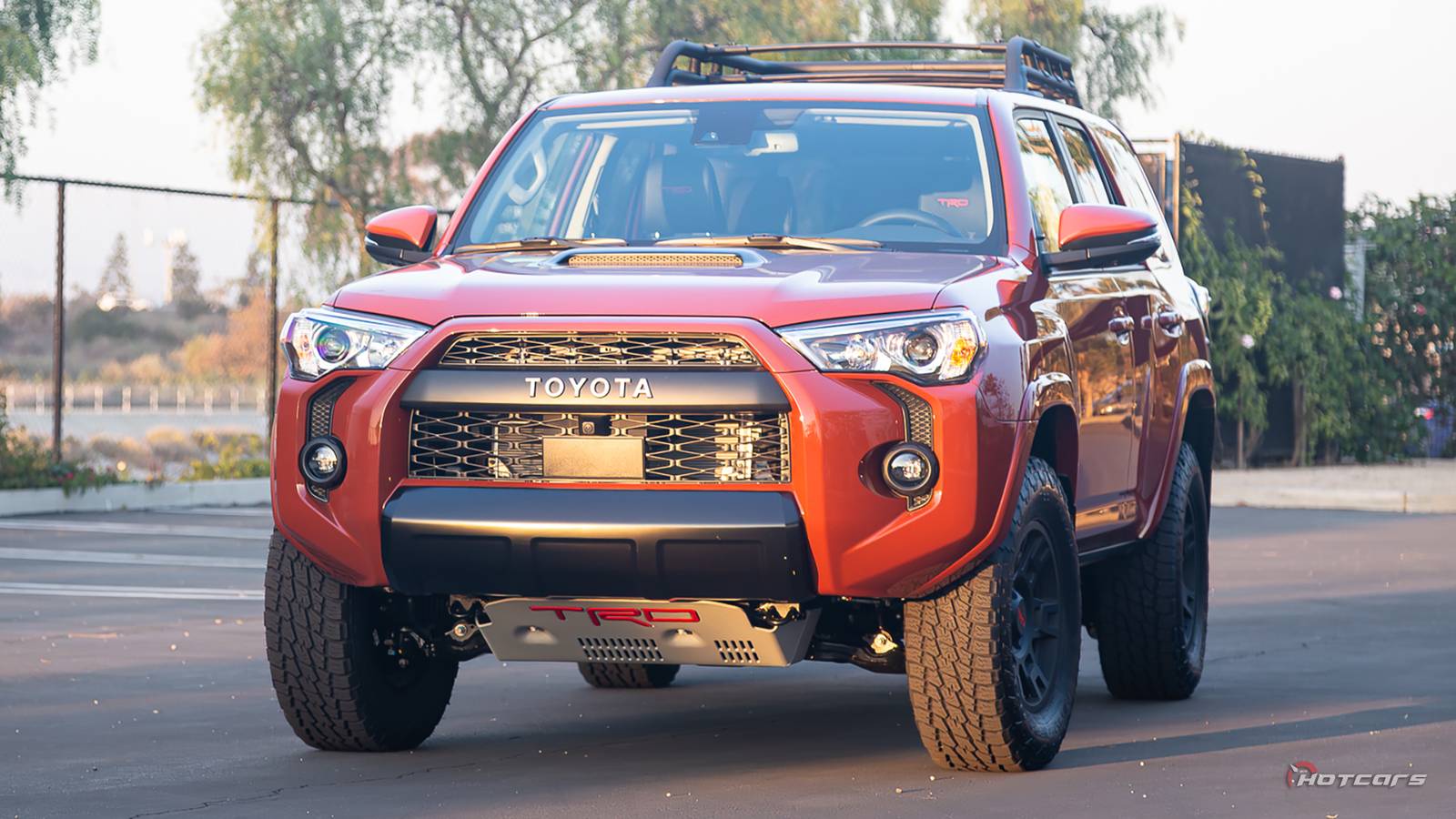
The 2024 Toyota 4Runner achieves a 0 to 60 mph acceleration time of approximately 7.7 to 8.0 seconds, depending on elevation, payload, and testing conditions. This performance comes from its stalwart 4.0-liter V6 engine and 5-speed automatic transmission, a mechanical configuration prized for long-term durability rather than off-the-line speed.
Evaluating an iconic body-on-frame SUV like the Toyota 4Runner requires looking beyond conventional stoplight performance metrics. While sports cars and modern crossover utility vehicles chase blistering acceleration figures, the 4Runner's engineering priorities focus entirely on rugged trail capability, towing reliability, and mechanical longevity. Understanding how the vehicle handles its 0-60 mph sprint provides essential context for prospective buyers evaluating its daily drivability and highway passing capabilities.
The Mechanical Foundation of the 2024 Toyota 4Runner
To comprehend why the 2024 Toyota 4Runner achieves a 0-60 mph time in the upper-seven to eight-second range, one must examine its underpinnings. The fifth-generation 4Runner platform carries forward a powertrain architecture that dates back nearly two decades. This mechanical continuity is precisely what attracts buyers seeking bulletproof reliability, but it imposes inherent performance ceilings when measured against modern turbocharged or electrified competitors.
At the heart of the vehicle sits the 1GR-FE 4.0-liter naturally aspirated V6 engine. This powerplant utilizes dual independent Variable Valve Timing with intelligence to balance low-end torque with high-rpm power delivery. It generates 270 horsepower at 5,600 rpm and 278 pound-feet of torque at 4,400 rpm. Unlike modern direct-injection engines that rely on high-pressure fuel delivery, this port-injection V6 avoids common carbon-buildback issues on intake valves, contributing to its legendary reputation for lasting hundreds of thousands of miles with basic maintenance.
| Powertrain Specification | Detail |
|---|---|
| Engine Type | 4.0L Naturally Aspirated V6 (1GR-FE) |
| Horsepower | 270 hp @ 5,600 rpm |
| Torque | 278 lb-ft @ 4,400 rpm |
| Transmission | 5-Speed Electronically Controlled Automatic |
| Curb Weight Range | 4,675 lbs to 4,805 lbs (Trim Dependent) |
| Drivetrain Layout | Rear-Wheel Drive (RWD) / Part-Time 4WD / Full-Time 4WD |
Mated to this V6 is a 5-speed ECT-i automatic transmission. While the automotive industry has largely transitioned to 8-, 9-, and 10-speed gearboxes, or continuously variable transmissions, the 4Runner’s 5-speed unit utilizes wider gear ratios. This configuration keeps the engine operating within predictable power bands during heavy off-roading, but it results in larger gaps between gear shifts during hard acceleration, directly influencing the vehicle's pacing from a dead stop.
Analyzing the 7.7-Second Acceleration Benchmark
Testing the 2024 Toyota 4Runner 0-60 time under standardized track conditions typically yields results between 7.7 and 8.1 seconds. Achieving the faster end of this spectrum—around 7.7 seconds—requires a rear-wheel-drive or light-trim four-wheel-drive variant tested at sea level with a minimal fuel load and no additional cargo. Heavy-duty trims loaded with off-road armor, roof racks, and all-terrain tires often see acceleration times extend past 8.2 seconds.
The acceleration profile is characterized by a deliberate, measured takeoff. Because the 4Runner weighs nearly 4,700 to 4,800 pounds depending on the trim level—such as the SR5, TRD Off-Road, or Limited—the V6 engine must overcome considerable mass before building momentum. When flooring the throttle from a standstill, the vehicle demonstrates mild initial squat as weight transfers to the rear wheels, followed by a linear climb through the rev range.
| Trim Level / Configuration | Estimated 0-60 mph Time | Notable Weight Factors |
|---|---|---|
| SR5 (RWD / Lightweight) | 7.7 seconds | Base weight, standard street tires |
| TRD Off-Road (4WD) | 7.9 seconds | Skid plates, heavier transfer case |
| TRD Pro (4WD) | 8.2 seconds | Factory roof rack, heavy skid plates, specialized suspension |
| Limited (Full-Time 4WD) | 8.0 seconds | Added luxury electronics, multi-terrain actuators |
The 5-speed transmission holds gears longer than modern multi-speed units would, producing a distinct engine note during hard highway merging. While the numbers suggest a modest pace compared to unibody crossovers, the subjective experience from the driver's seat feels adequate for daily commuting and highway passing, provided the driver anticipates the transmission's downshift behavior.
Real-World Driving Dynamics and Everyday Performance
Translating track testing numbers into daily driving scenarios reveals how the 4Runner behaves on public roads. Drivers transitioning from modern turbocharged crossovers will immediately notice the distinct power delivery curve of a naturally aspirated V6 engine. Peak torque arrives relatively high in the rev range at 4,400 rpm, meaning deep throttle inputs are required to extract rapid acceleration when overtaking slower traffic at highway speeds.
Highway passing maneuvers demand advanced planning. When stepping down on the accelerator at 65 mph, the 5-speed transmission drops down one or two gears, causing the V6 to spin up audibly as it enters its optimal power band. While the vehicle accelerates reliably, it lacks the effortless, low-end surge provided by turbocharged four-cylinder engines or hybrid powertrains found in competing midsize SUVs.
Fuel economy is another byproduct of this powertrain architecture. Operating a heavy body-on-frame chassis with a displacement-heavy V6 yields EPA estimates averaging around 16 mpg city and 19 mpg highway. Driving style heavily influences these figures; aggressive throttle applications aimed at pushing the SUV closer to its optimal acceleration limits will quickly degrade fuel efficiency.
How the 4Runner Compares to Competitors
To contextualize the 7.7-second 0-60 time, it helps to examine how the 2024 Toyota 4Runner stacks up against other body-on-frame and rugged midsize SUVs on the market. While competitors have adopted forced induction or electrification to boost acceleration and fuel economy, the 4Runner maintains its traditional mechanical formula.
- Jeep Wrangler (3.6L V6): Accelerates from 0 to 60 mph in roughly 6.5 to 7.0 seconds, benefiting from a lighter base curb weight and optional multi-speed transmissions, though it trades away some ride refinement on paved roads.
- Ford Bronco (2.3L Turbo I4): Posts 0-60 times around 6.7 to 7.3 seconds depending on tire packages and axle ratios, utilizing low-end turbo boost to pull away from a stop more aggressively than the naturally aspirated Toyota V6.
- Mazda CX-90 (Turbo Inline-6, for crossover comparison): Achieves the sprint in under 6.5 seconds, illustrating the performance advantages of modern unibody crossover engineering versus traditional truck-based platforms.
The 4Runner's slower acceleration is an intentional engineering compromise. Buyers choose this vehicle for its independent body-on-frame construction, robust solid rear axle, coil-spring suspension, and mechanical durability in harsh environments. Speed and acceleration take a back seat to payload management, chassis rigidity, and long-term reliability.
Factors That Impact Acceleration and Performance
Several variable elements influence whether a specific 2024 Toyota 4Runner will hit 60 mph closer to 7.7 seconds or lag past 8.5 seconds. Recognizing these factors helps owners manage expectations and understand how aftermarket modifications alter vehicle dynamics.
- Elevation and Density Altitude: Operating at high altitudes robs naturally aspirated engines of oxygen. A 4Runner driven in the Rocky Mountains will experience a noticeable drop in horsepower, extending 0-60 times by a full second or more compared to sea-level testing.
- Tire Selection and Weight: Upgrading from factory highway-terrain tires to aggressive, load-range E all-terrain or mud-terrain tires adds significant unsprung weight and rolling resistance, dampening acceleration responsiveness.
- Cargo and Passenger Load: Carrying heavy overlanding gear, rooftop tents, steel bumpers, and winches adds hundreds of pounds of dead weight, directly slowing the vehicle's initial launch off the line.
- Fuel Quality: While regular 87-octane fuel is fully compatible and standard for the 1GR-FE engine, maintaining clean fuel filters and fresh spark plugs ensures the engine delivers its factory-rated power output without timing retardation.
Frequently Asked Questions
Is the 2024 Toyota 4Runner fast?
The 2024 Toyota 4Runner is not considered a fast vehicle by modern automotive standards. With a 0-60 mph time of approximately 7.7 to 8.0 seconds, its acceleration is best described as adequate. It is engineered for heavy-duty off-road utility, towing, and mechanical longevity rather than high-speed performance.
Why does the 2024 4Runner use a 5-speed transmission?
Toyota retained the 5-speed automatic transmission in the fifth-generation 4Runner because of its proven durability and mechanical simplicity. While newer transmissions offer more gears for fuel economy and tighter ratios, this robust 5-speed unit has demonstrated an exceptional ability to handle heavy loads and extreme off-road abuse over hundreds of thousands of miles.
Can aftermarket modifications improve the 4Runner's acceleration?
Yes, minor improvements can be made, but they come with trade-offs. Lighter forged wheels, performance exhaust systems, and engine tuning can marginally sharpen throttle response. However, adding heavy aftermarket armor, roof racks, and larger tires will actually slow the vehicle down due to increased weight and aerodynamic drag.
How does altitude affect the 2024 4Runner's 0-60 time?
Because the 4.0-liter V6 engine is naturally aspirated rather than turbocharged, it loses approximately 3% of its power for every 1,000 feet of elevation gain. Driving at high mountain passes significantly reduces available horsepower, resulting in noticeably slower acceleration times compared to sea-level operation.
Is the 4Runner's engine reliable despite its older design?
The 1GR-FE 4.0-liter V6 engine is widely regarded by automotive technicians as one of the most reliable internal combustion engines built in the 21st century. Its port-injection fuel system, durable internal components, and lack of complex forced-induction plumbing contribute to an exceptionally long operational lifespan.
Conclusion and Next Actions
The 7.7-second 0-60 time of the 2024 Toyota 4Runner reflects an SUV built around traditional engineering values. Rather than chasing fleeting acceleration benchmarks, Toyota prioritized a powertrain designed to endure punishing off-road trails and hundreds of thousands of miles of heavy service. Prospective buyers should evaluate the vehicle based on its legendary reliability, resale value, and utility rather than its stopwatch figures. For those seeking rapid acceleration, exploring modern turbocharged or hybrid alternatives is recommended, but for drivers prioritizing mechanical resilience, the 4Runner remains a benchmark choice.