Tramadol 50mg is a synthetic opioid analgesic prescribed by veterinarians to manage moderate to severe pain in dogs, particularly for chronic conditions like arthritis or recovery from surgery. While it is the same medication used in humans, the canine dosage is strictly weight-dependent and must be administered under professional supervision to avoid toxicity.
Tramadol has long been a staple in veterinary medicine for its ability to modify the way a dog’s brain perceives pain. Although it belongs to the opioid family, it functions differently than traditional narcotics like morphine. In 2026, it remains a common choice for multimodal pain management, often paired with non-steroidal anti-inflammatory drugs (NSAIDs) to provide comprehensive relief. However, understanding the nuances of the 50mg tablet—the most common commercially available size—is crucial for any pet owner tasked with administering this medication at home.
What is Tramadol and Why is it Prescribed for Dogs?
Tramadol is a centrally acting analgesic that serves two primary functions. First, it binds to the mu-opioid receptors in the brain, which helps block pain signals. Second, it inhibits the reuptake of serotonin and norepinephrine, two neurotransmitters that play significant roles in the modulation of pain and mood. This dual mechanism makes it a versatile tool for various types of canine discomfort.
Veterinarians typically prescribe 50mg tramadol for several specific scenarios:
- Post-Operative Recovery: Following invasive procedures such as orthopedic surgery (TPLO or cruciate ligament repair) or soft-tissue surgeries (spays, neuters, or tumor removals), tramadol helps manage acute breakthrough pain.
- Osteoarthritis and Chronic Joint Pain: For aging dogs or those with hip dysplasia, tramadol can improve mobility and quality of life when used as part of a long-term management plan.
- Cancer-Related Pain: It is frequently used in palliative care to keep terminally ill dogs comfortable.
- Acute Injuries: Severe soft tissue injuries, fractures, or spinal issues like Intervertebral Disc Disease (IVDD) often require the potency of an opioid-like medication.
It is important to note that tramadol is considered an "extra-label" or "off-label" drug in veterinary medicine. This means that while the FDA has approved it for human use, it has not been specifically approved for dogs. However, its use is widely accepted as standard practice within the veterinary community, supported by years of clinical application and research.
Calculating the Correct Dosage of 50mg Tramadol
The 50mg tablet size is the standard human pharmaceutical production, which can make dosing complex for smaller dogs. Unlike many veterinary-specific medications that come in flavored chews or varied increments, tramadol is often dispensed in these white, round 50mg pills.
The general dosage range for dogs is typically 1 mg to 4 mg per pound of body weight (or roughly 2 mg to 10 mg per kilogram), administered every 8 to 12 hours. However, the exact milligram-per-kilogram ratio depends entirely on the dog's pain level, age, and liver and kidney function.
Weight-Based Dosage Reference Table
The following table provides a general guideline for how a 50mg tablet is typically divided based on the dog's weight. Note: Always follow the specific instructions on your veterinarian's prescription label, as they may adjust these amounts based on your dog's specific health profile.
| Dog Weight (lbs) | Dog Weight (kg) | Typical Dose Range (mg) | 50mg Tablet Equivalent |
|---|---|---|---|
| 5 - 10 lbs | 2.3 - 4.5 kg | 5 mg - 20 mg | 1/8 to 1/4 Tablet |
| 11 - 25 lbs | 5 - 11.3 kg | 20 mg - 50 mg | 1/2 to 1 Tablet |
| 26 - 50 lbs | 11.8 - 22.7 kg | 50 mg - 100 mg | 1 to 2 Tablets |
| 51 - 90 lbs | 23.1 - 40.8 kg | 100 mg - 180 mg | 2 to 3.5 Tablets |
| 90+ lbs | 41+ kg | 180 mg - 250 mg | 3.5 to 5 Tablets |
The Challenges of the 50mg Pill
Because tramadol tablets are often small and not always scored for easy breaking, precision can be an issue. For toy breeds weighing under 10 pounds, a 50mg pill is far too large. In these cases, a compounding pharmacy may be required to create a flavored liquid suspension or a much smaller, precisely measured capsule.
Never "guess" or eyeball the division of a pill for a small dog; an overdose of tramadol can lead to respiratory depression or seizures. Using a professional pill cutter is recommended for splitting tablets into halves or quarters.
Potential Side Effects and Adverse Reactions
While tramadol is generally well-tolerated when dosed correctly, it is a potent medication that affects the central nervous system. Pet owners should monitor their dogs closely for the first 24 to 48 hours after beginning a 50mg regimen.
Common Side Effects
- Sedation and Lethargy: This is the most frequently reported side effect. Some dogs may appear "loopy," drowsy, or disinterested in their surroundings.
- Gastrointestinal Upset: Nausea, vomiting, and a decrease in appetite can occur. Constipation is also a known side effect of long-term opioid use in dogs.
- Dizziness or Lack of Coordination: You may notice your dog swaying slightly or having trouble navigating stairs (ataxia).
- Dry Mouth: Your dog may lick their lips frequently or seek out more water than usual.
Severe Side Effects and Overdose Signs
If a dog receives too much tramadol, or if they have a sensitivity to the drug, immediate veterinary intervention is required. Signs of toxicity include:
- Respiratory Depression: Shallow or extremely slow breathing.
- Seizures: Especially in dogs with a pre-existing history of epilepsy.
- Pinpoint Pupils: A classic sign of opioid toxicity.
- Agitation or Tremors: Paradoxical excitement where the dog becomes hyper-active or begins shaking.
- Loss of Consciousness: Inability to wake the dog or extreme weakness.
One of the most dangerous complications is Serotonin Syndrome. This occurs when the levels of serotonin in the dog's body become dangerously high. This is most common when tramadol is combined with other medications like certain antidepressants (SSRIs) or MAOIs. Signs include high heart rate, muscle rigidity, and fever.
Administration Tips and Best Practices
Tramadol is notoriously bitter. Many dogs will spit the pill out or refuse to eat it if it is simply dropped into their food bowl. Because the 50mg pill often needs to be split, the bitter interior of the pill is exposed, making it even less palatable.
How to Give the Medication
- Hide the Pill: Use "pill pockets," a small piece of cheese, or a teaspoon of plain canned dog food. Avoid using fatty foods if your dog has a history of pancreatitis.
- With or Without Food: Tramadol can be given on an empty stomach, but giving it with a small snack often reduces the risk of vomiting.
- Consistency is Key: To maintain a "steady state" of pain relief in the bloodstream, try to give the doses at the same time every day. If you are on an 8-hour schedule (three times a day), try to stick to that rhythm.
What if I Miss a Dose?
If you miss a dose of 50mg tramadol, give it as soon as you remember. However, if it is almost time for the next scheduled dose, skip the missed dose and resume your regular schedule. Never give two doses at once to "catch up," as this significantly increases the risk of respiratory depression and overdose.
Contraindications: When Tramadol Should Not Be Used
Tramadol is not suitable for every dog. Its metabolism occurs primarily in the liver, and it is excreted through the kidneys. Therefore, dogs with significant liver or kidney disease may require a lower dose or a different medication entirely, as they cannot clear the drug from their system efficiently.
Drug Interactions
Tramadol has several high-risk interactions that every owner should be aware of:
- Antidepressants/Anxiety Meds: Fluoxetine (Reconcile/Prozac) and Clomipramine (Clomicalm) can lead to Serotonin Syndrome when mixed with tramadol.
- MAO Inhibitors: Medications like Selegiline (Anipryl), used for canine cognitive dysfunction, are strictly contraindicated.
- SAMe (S-Adenosylmethionine): Often used as a liver supplement, it may increase serotonin levels and should be used cautiously with tramadol.
- Amitraz: Found in some older tick collars or dips, this can interact poorly with the monoamine oxidase effects of tramadol.
Always provide your vet with a full list of every supplement, vitamin, and medication your dog is currently taking—including flea and tick preventatives.
The 2026 Perspective: Efficacy and Alternatives
By 2026, the veterinary community's understanding of tramadol has evolved. While once thought of as a "silver bullet" for pain, several studies (notably from the University of Georgia and other veterinary teaching hospitals) have suggested that tramadol may not be as effective for chronic osteoarthritis pain in dogs as it is for acute, post-surgical pain. This is because dogs produce very little of the "M1" metabolite, which is the specific breakdown product that provides the strongest opioid-like pain relief in humans.
As a result, many veterinarians now use tramadol as a "secondary" drug rather than a standalone treatment. If 50mg tramadol is not providing enough relief for your dog, your vet might suggest:
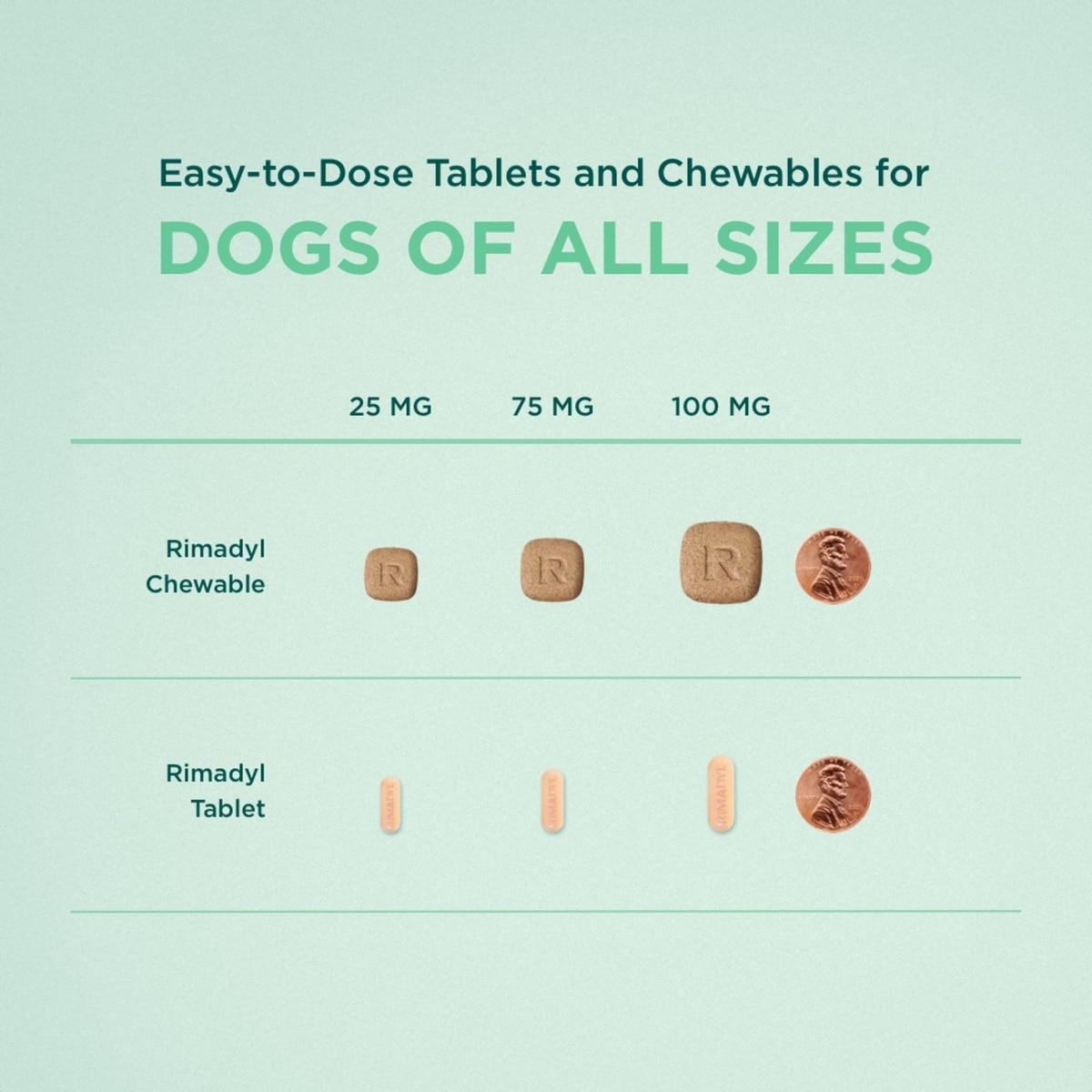
- NSAIDs: Drugs like Carprofen (Rimadyl), Meloxicam, or Galliprant. These address the inflammation that tramadol does not touch.
- Gabapentin: Excellent for nerve-related pain and often paired with tramadol for a synergistic effect.
- CBD Oil (Veterinary Grade): By 2026, high-quality, regulated CBD products are frequently used to manage chronic discomfort and anxiety in senior dogs.
- Librela (Bedinvetmab): A monthly monoclonal antibody injection that specifically targets Nerve Growth Factor (NGF) for arthritis pain.
- Physical Therapy: Laser therapy, hydrotherapy, and acupuncture are non-pharmaceutical options that can reduce the required dosage of oral medications.
Legal Status and Storage
In the United States and many other jurisdictions, tramadol is classified as a Schedule IV Controlled Substance. This classification is due to its potential for human misuse and addiction.
Responsible Ownership
- Secure Storage: Keep 50mg tramadol in a locked cabinet or a high shelf. It should never be accessible to children or other pets.
- Prescription Limits: Because it is controlled, your veterinarian cannot provide unlimited refills. You will likely need to bring your dog in for an annual or bi-annual exam to maintain the prescription.
- Disposal: Do not flush tramadol down the toilet. Many pharmacies or police stations have "drug take-back" bins for the safe disposal of controlled substances.
Frequently Asked Questions
Can I give my dog human tramadol?
While the active ingredient in human tramadol is the same as that prescribed for dogs, you must never give your dog a pill from your own prescription. Human dosages are formulated for human weights and metabolic rates. Furthermore, some human-grade medications may contain binders or additives (like Xylitol, though rare in tablets) that are toxic to dogs. Only use tramadol that has been specifically dispensed by a veterinarian for your pet.
How long does it take for 50mg tramadol to start working?
Typically, you will see the effects within 1 to 2 hours after administration. It reaches peak levels in the dog's bloodstream fairly quickly. For chronic pain, it may take a few days of consistent dosing to see a significant improvement in the dog's overall comfort levels and willingness to move.
My dog seems very restless after taking tramadol. Is this normal?
While sedation is the most common side effect, a small percentage of dogs experience "dysphoria" or paradoxical agitation. They may whine, pace, or seem unable to get comfortable. If your dog becomes hyperactive or distressed after taking 50mg tramadol, contact your veterinarian. They may need to lower the dose or switch to a different class of pain medication.
Can my dog stay on tramadol for the rest of their life?
Yes, many dogs with chronic conditions like end-stage arthritis or terminal cancer stay on tramadol for years. However, long-term use requires periodic blood work (usually every 6 to 12 months) to ensure the liver and kidneys are processing the medication safely.
Is tramadol an anti-inflammatory?
No. Tramadol is a pain reliever (analgesic) only. It does not reduce swelling or inflammation. This is why it is frequently prescribed alongside an NSAID (Non-Steroidal Anti-Inflammatory Drug). The NSAID treats the source of the inflammation, while the tramadol changes how the brain perceives the remaining pain.
Practical Recommendation for Dog Owners
If your dog has been prescribed 50mg tramadol, the most important action you can take is to keep a pain journal. Note the time you give the medication and observe your dog's behavior two hours later. Are they resting comfortably? Are they still limping? Are they acting "drunk" or overly sedated?
Providing this specific feedback to your veterinarian allows them to fine-tune the dosage. Pain management is rarely "one size fits all," and the goal is to find the lowest effective dose that provides maximum comfort without compromising your dog's personality or alertness. If you notice any signs of labored breathing or extreme lethargy, withhold the next dose and contact your emergency vet immediately.