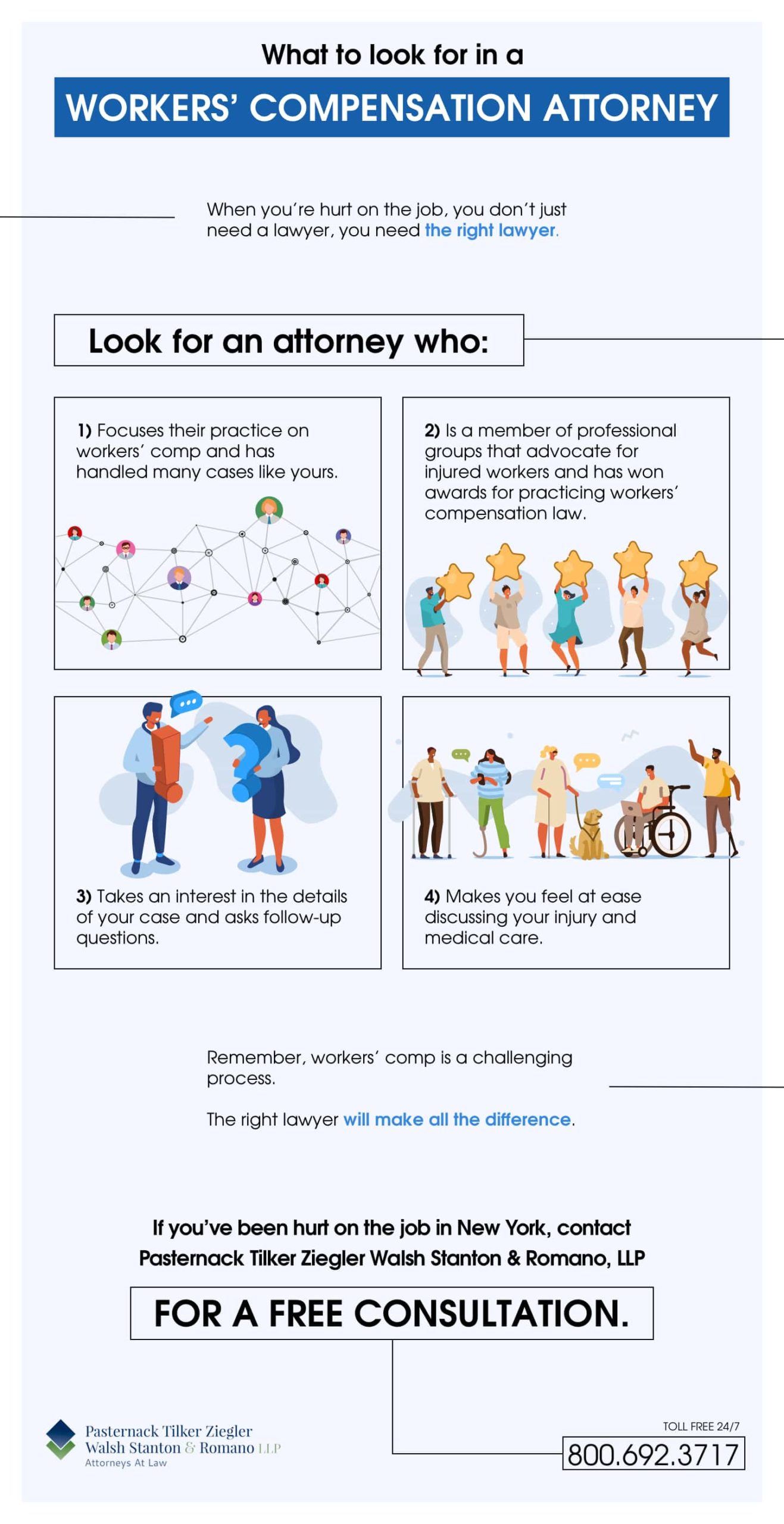
To choose the best workers' compensation attorney in San Jose, you must prioritize California State Bar certification, verified local experience with the San Jose District Office, and a transparent contingency fee structure. Evaluation should also focus on the attorney’s communication style and their specific success rate with your particular type of injury.
Navigating a workers' compensation claim in California is an intricate process, particularly in a high-density economic hub like San Jose. As of 2026, the intersection of technological labor, construction growth, and service-sector demands in Silicon Valley has created a complex legal environment where specialized knowledge is not just a benefit, but a necessity. If you have been injured on the job, the attorney you select will be the primary factor in determining your access to quality medical care, temporary disability benefits, and the eventual value of your permanent disability settlement.
1. Verify California State Bar Certified Specialization
The most critical step in vetting a workers' compensation attorney is determining if they are a Certified Specialist in Workers' Compensation Law. In California, the State Bar’s Board of Legal Specialization identifies attorneys who have gone beyond the standard licensing requirements. To become a certified specialist, an attorney must pass a comprehensive written examination, demonstrate a high level of experience in the field, fulfill ongoing education requirements, and receive favorable evaluations from other attorneys and judges.
Why Certification Matters in 2026
In the current legal landscape, workers' compensation laws frequently undergo legislative adjustments. A certified specialist is required to stay abreast of every nuance in the California Labor Code and the latest rulings from the Workers' Compensation Appeals Board (WCAB). When you hire a specialist, you are hiring someone who has proven their expertise specifically in this niche, rather than a "general practitioner" who may handle personal injury, family law, and workers' comp simultaneously.
How to Verify Credentials
You should not take a firm’s marketing at face value. Visit the State Bar of California website and use their search tool to confirm the attorney's status. Look specifically for the "Certified Specialist" designation. This verification ensures the individual handling your case has the technical proficiency to manage complex issues like Qualified Medical Evaluations (QME) and Apportionment disputes, which are often the points where claims fail or lose value.
2. Assess Local Experience with the San Jose District Office
While California law is statewide, the practice of law is local. San Jose has its own District Office of the Division of Workers' Compensation (DWC), located on West Julian Street. Choosing an attorney who regularly appears before the judges at this specific location provides a distinct advantage.
The Benefit of Local Relationships
An attorney who has practiced in San Jose for years knows the specific tendencies of the local Workers' Compensation Administrative Law Judges. They understand how certain judges interpret "Medical-Legal" reports or how they rule on "Utilization Review" (UR) appeals. Furthermore, a local attorney will be familiar with the defense firms representing major San Jose employers, such as the tech giants in North San Jose or the heavy industrial firms in the surrounding Santa Clara County.
Knowledge of Local Medical Providers
A significant portion of a workers' compensation case involves navigating the Medical Provider Network (MPN). An experienced San Jose attorney will know which local doctors are known for providing fair, unbiased evaluations and which tend to favor insurance carriers. They can guide you through the process of selecting a primary treating physician within the permitted network to ensure your medical evidence is robust and accurately reflects your level of impairment.
3. Evaluate Communication and Case Management Style
One of the most frequent complaints from injured workers is the inability to speak directly with their attorney. In San Jose, many "volume-based" firms—often referred to as "legal mills"—take on hundreds of cases and delegate the majority of the work to paralegals or junior assistants.
Direct Attorney Access
During your initial consultation, ask directly: "Who will be my main point of contact, and how often will I speak with an attorney?" While paralegals are essential for gathering medical records and filing forms, a qualified attorney should be the one making strategic decisions regarding your Application for Adjudication of Claim and representing you at Mandatory Settlement Conferences (MSC).
Assessing the Initial Consultation
The best attorneys use the initial consultation as a fact-finding mission, not a sales pitch. They should be able to explain the "Why" behind their proposed strategy. For instance, if you have a repetitive stress injury common in San Jose’s tech sector (such as carpal tunnel syndrome), they should explain how they intend to prove the injury is industrially related despite it being a cumulative trauma claim. If the attorney seems rushed or cannot explain the basic stages of your case, it is a sign that your file may not receive the attention it deserves.
4. Analyze the Firm’s Success with Your Specific Injury Type
Not all workers' compensation cases are the same. A fall from a ladder on a construction site in Willow Glen involves different legal hurdles than a stress-induced psychiatric claim from a high-pressure corporate environment in downtown San Jose.
Specialized Knowledge for Diverse Claims
When interviewing potential counsel, ask about their experience with injuries similar to yours.
- Orthopedic Injuries: Requires knowledge of the AMA Guides to the Evaluation of Permanent Impairment.
- Occupational Disease: Requires expertise in toxic exposure or long-term environmental factors.
- Catastrophic Injuries: Requires experience with life-care planning and high-value settlement negotiations.
- Death Benefits: Requires a sensitive but aggressive approach to securing support for surviving dependents.
In 2026, we see a rise in cases involving remote work injuries and "gig economy" employee misclassification. Ensure your attorney is well-versed in the current standards for AB 5 and subsequent legislation that defines who is actually an employee entitled to benefits in California.
5. Review Fee Structures and Ethical Transparency
In California, workers' compensation attorneys almost always work on a contingency fee basis. This means they only get paid if they win your case or obtain a settlement. However, there are nuances to this structure that you must understand before signing a Retainer Agreement.
Standard Fee Percentages
The Workers' Compensation Appeals Board must approve all attorney fees. Generally, these fees range from 12% to 15% of the settlement or award. If an attorney suggests a higher percentage, they must provide a compelling reason for the judge to approve it (such as extreme complexity). Be wary of any firm that asks for money upfront; this is generally prohibited in California workers' compensation law.
Costs vs. Fees
While the attorney's fee is a percentage of the settlement, there are also costs associated with a case, such as fees for expert witnesses, deposition transcripts, or copying medical records. A reputable San Jose attorney will typically "advance" these costs and then deduct them from the final settlement. You should clarify whether you are responsible for costs if the case is lost. Most top-tier firms will waive these costs if there is no recovery, but you must have this in writing.
| Feature | Certified Specialist | General Practice Attorney |
|---|---|---|
| State Bar Exam | Specialized exam passed | General Bar exam only |
| Experience Requirement | Must prove high volume of WC cases | No specific volume required |
| Peer Review | Verified by judges and peers | Not required |
| San Jose DWC Knowledge | High; frequent appearances | Variable; may be infrequent |
| Primary Focus | 100% Workers' Comp | Multiple practice areas |
Understanding the Legal Context: Professional Advice Limitation
The information provided in this guide is for educational and informational purposes only. It does not constitute legal advice, nor does it create an attorney-client relationship. Workers' compensation laws in California are subject to change by the state legislature and through judicial interpretation. Because every case is dependent on specific facts—such as the date of injury, the nature of employment, and medical evidence—you should consult with a licensed attorney in San Jose to discuss your specific circumstances.
The Role of the Workers' Compensation Appeals Board (WCAB)
In San Jose, the WCAB serves as the judicial body that resolves disputes between injured workers and insurance carriers. Understanding how your attorney interacts with this body is vital. The San Jose District Office handles a massive volume of cases. If your attorney is not organized or fails to file the Declaration of Readiness to Proceed (DOR) correctly, your case could languish for months or even years without a hearing.
An experienced attorney will proactively push your case toward a "Status Conference" or "Priority Conference" if the insurance company is "Delaying" or "Denying" your claim without a valid basis. In 2026, the DWC utilizes an electronic filing system (EERS) that requires technical precision. Errors in filing can lead to dismissals or sanctions, further emphasizing the need for an attorney who is technically proficient.
Frequently Asked Questions
How much does a workers' compensation attorney cost in San Jose?
In San Jose, and throughout California, attorneys typically charge a contingency fee of 12% to 15%. This fee is deducted from your final settlement or permanent disability award and must be approved by a judge. You should not be required to pay an "hourly rate" or a "retainer fee" upfront for a standard workers' compensation claim.
Can I fire my attorney if I am unhappy with their service?
Yes, you have the right to change attorneys at any time. If you do, the fee is usually split between the old attorney and the new attorney based on the amount of work each performed (referred to as a "lien" for services). You do not pay a double fee; the total 12-15% is simply divided between the two firms.
How long will my case take in the San Jose DWC office?
The timeline varies significantly based on the severity of the injury and whether the insurance company accepts or denies the claim. A simple case might resolve in 6 to 12 months, while complex cases involving multiple surgeries or disputed medical evidence can take 2 to 3 years. A proactive attorney can often expedite this by timely requesting hearings.
What happens if my employer is uninsured?
If your San Jose employer does not have workers' compensation insurance, your attorney can file a claim against the Uninsured Employers Benefits Trust Fund (UEBTF). This is a special fund in California designed to pay benefits to workers injured while working for illegally uninsured employers. These cases are highly complex and require an attorney with specific experience in UEBTF litigation.
Do I need an attorney if the insurance company is already paying me?
Even if you are receiving checks, an attorney can ensure you are being paid the correct Average Weekly Wage (AWW). Insurance companies often miscalculate this by failing to include overtime, bonuses, or lodging. Furthermore, an attorney protects your rights during the QME process, which ultimately determines how much your "Permanent Disability" is worth.
Will I have to go to court?
Most workers' compensation cases in San Jose are settled without a formal trial. However, you may need to attend a Mandatory Settlement Conference or a deposition. A deposition is where the insurance company's lawyer asks you questions under oath. Your attorney will be there to represent you and protect you from inappropriate questioning.
Final Recommendation for San Jose Claimants
When selecting your legal representation, do not rush. The "best" attorney is not necessarily the one with the biggest billboard on Highway 101, but the one who can demonstrate a deep understanding of the San Jose District Office operations and a commitment to your specific medical recovery.
Schedule at least three consultations with Certified Specialists. Compare their insights into your medical provider network and their willingness to explain the math behind your potential disability rating. In 2026, the difference between a standard settlement and a comprehensive one often lies in the attorney's ability to utilize "Vocational Expert" testimony and fight "Apportionment" claims that seek to blame your injury on "pre-existing conditions." Choose an advocate who is prepared for a trial, even if your goal is a fair settlement.