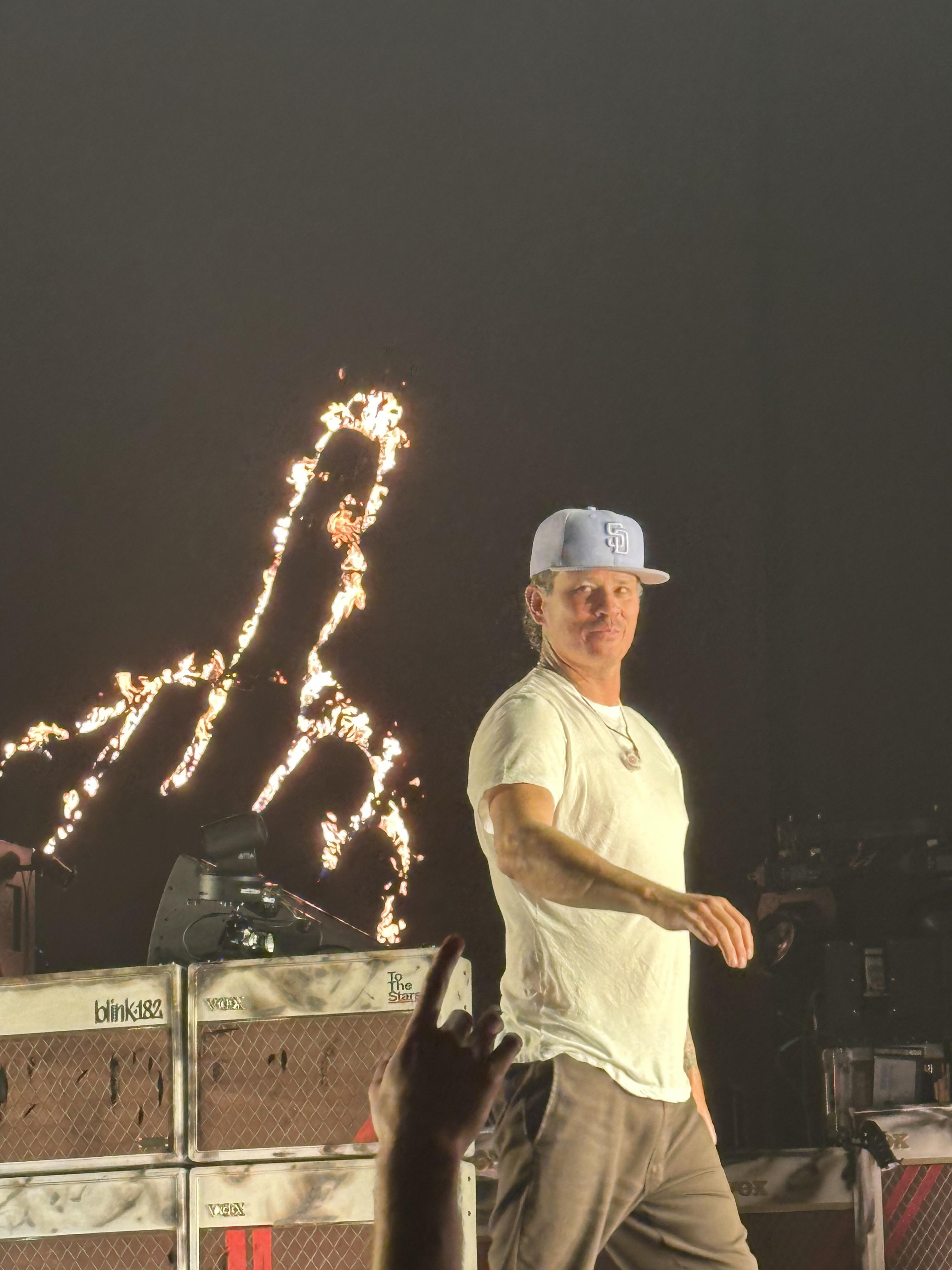
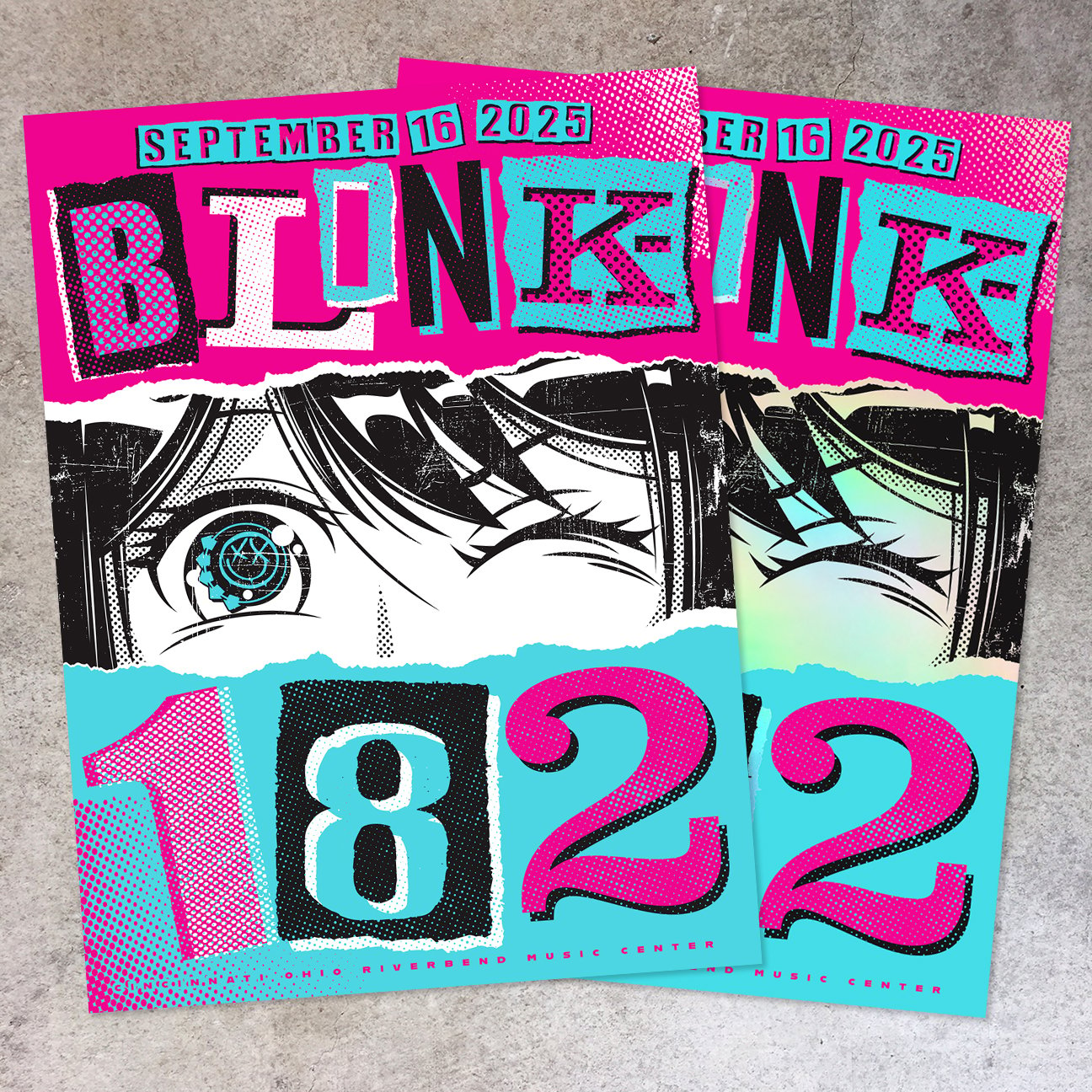
Watching Blink-182 in Cincinnati during their 2025 tour cycle offered a masterclass in pop-punk evolution, high-production live performance, and enduring cultural relevance. For fans and music critics alike, the tour stop provided a unique opportunity to witness the seminal trio—Mark Hoppus, Tom DeLonge, and Travis Barker—delivering a career-spanning setlist that bridged the gap between 90s nostalgia and modern stadium rock spectacle.
1. The Power of the Reunited Core Trio
The most compelling reason to attend a Blink-182 concert in the modern era is the undeniable chemistry of the original trio. Following Tom DeLonge’s return to the band, the dynamic shifted from a nostalgic side project to a creative powerhouse once more. Watching Hoppus, DeLonge, and Barker share the stage is not merely about hearing the hits; it is about witnessing the interplay that defined a genre.
In Cincinnati, this chemistry translated into a live set that felt both rehearsed and spontaneous. Hoppus provides the melodic bass foundation and characteristic self-deprecating humor that acts as the band's heartbeat, while DeLonge’s idiosyncratic vocal delivery and guitar work serve as the soaring, anthemic counterpoint. When you add Travis Barker—arguably the most technically proficient drummer in modern rock—into that mix, the result is a performance that maintains a level of intensity few bands from the 90s era can replicate. Seeing them in person clarifies why they remain the standard-bearers for their genre: the personal history between the three members creates a tension and resolution that cannot be manufactured by replacement musicians.
2. High-Production Value and Modern Stagecraft
Blink-182 has successfully transitioned from the dingy, club-based roots of the Southern California skate-punk scene to the polished, high-budget world of arena and stadium tours. By 2025, their stage production had become an essential part of the experience rather than a mere accompaniment to the music.
Attendees in Cincinnati were treated to a sophisticated visual landscape featuring massive LED screens, intricate lighting synchronization, and pyrotechnics that punctuated the high-energy nature of tracks like "First Date" and "What’s My Age Again?" The production design is crafted to ensure that even those in the upper levels of an arena feel connected to the performance. The use of spatial audio monitoring and high-fidelity sound engineering ensured that the raw, aggressive tone of the guitars remained crisp rather than becoming lost in the cavernous acoustic environment of a large venue. This commitment to production quality proves that the band understands the demands of modern concertgoers, balancing the "DIY" spirit of their early records with the technical requirements of a top-tier global act.
3. A Deep-Dive Setlist Spanning Three Decades
One of the primary frustrations for long-term fans of legacy acts is a setlist that relies too heavily on a handful of radio hits. Blink-182’s 2025 tour approach in Cincinnati challenged this by curating a selection that catered to both casual listeners and dedicated "die-hards."
The setlist strategy effectively balanced the rapid-fire energy of Cheshire Cat and Dude Ranch with the polished, experimental sounds of Blink-182 (the Untitled album) and their newer, post-reunion material. Hearing the transition from the crude, juvenile humor of early tracks to the more introspective, mature songwriting found in their later catalog allows the audience to map the band's growth. For a fan, this isn't just a concert; it is a chronological journey through their own life stages. The ability to pull off such a wide range of songs—requiring different vocal registers and musical tones—demonstrates the band’s versatility and longevity as songwriters.
4. The Unique Community and Cultural Atmosphere
There is a specific subculture surrounding Blink-182 that is distinct from the broader alternative rock scene. Attending a show in Cincinnati in 2025 provided a window into a multi-generational audience. It was not uncommon to see teenagers attending their first concert alongside fans in their 40s who first discovered the band during the Enema of the State era.
This demographic blend creates a unique concert atmosphere. The shared knowledge of the lyrics, the inside jokes embedded in the banter, and the collective celebration of a sound that defined an era of suburban angst makes for a communal experience that is hard to find elsewhere. The Cincinnati crowd, known for its vocal enthusiasm for national touring acts, provided the high-energy response that the band thrives on. Being part of this audience provides a sense of belonging to a long-standing musical tradition, proving that pop-punk remains a vital, living culture rather than a preserved museum piece.
5. Technical Excellence and Athleticism
Critics often overlook the sheer athletic demands of a Blink-182 show. Because their music is rooted in high-tempo rhythms and rapid-fire drumming, the band maintains a level of physical exertion that borders on the aerobic.
Travis Barker’s drumming, in particular, is a marvel of endurance and technical precision. Watching him play in real-time allows fans to appreciate the complexity of his fills and his ability to hold an incredibly tight tempo despite the chaotic energy of the songs. For musicians, watching Barker perform is a masterclass in percussion; for casual fans, it is a visceral experience that adds a layer of raw power to the live songs that the studio recordings simply cannot convey. When combined with the high-octane guitar work of DeLonge and the steady, driving bass lines of Hoppus, the band delivers a show that is as much about musical skill as it is about showmanship.
Comparative Overview: The Concert Experience
| Aspect | Classic Era | 2025 Touring Era |
|---|---|---|
| Setlist Variety | Limited (Hits-focused) | Extensive (Career-spanning) |
| Production | Minimal/DIY | High-Budget/Visual-Heavy |
| Band Dynamic | Developing | Refined/Mature |
| Venue Scope | Small Clubs | Arenas & Amphitheaters |
| Technical Focus | Raw Energy | Precision & Fidelity |
Frequently Asked Questions
What made the 2025 Cincinnati performance distinct from previous years? The 2025 performance was marked by a synthesis of legacy stability and modern production. With the trio fully reintegrated for several years, the band operated with a level of synchronicity and confidence that surpassed earlier reunion tours, which were often shadowed by the pressure of reintegration.
Did the setlist in Cincinnati include new material or only classics? The 2025 setlist was a strategic mix. While it included the essential tracks that defined the band's commercial peak, it also highlighted newer compositions that demonstrate their recent creative output. This hybrid approach ensures the show feels like a current musical entity rather than a static nostalgia act.
How does venue acoustics in Cincinnati impact a band like Blink-182? Venues in Cincinnati vary in their acoustic profiles, but the band’s 2025 production included proprietary sound monitoring and delay towers designed to compensate for larger spaces. This minimizes the "muddy" sound often associated with high-tempo punk rock in larger arenas, ensuring vocal clarity and drum definition.
Is it worth seeing Blink-182 if I am only a casual fan? Yes. Even for those with a passing interest, the show offers a high-value spectacle. The stage presence, the quality of the musicianship, and the sheer volume of recognizable, high-energy pop-punk songs make it an accessible experience for any fan of live rock music.
Final Recommendation
If you have the opportunity to see Blink-182 in a live setting, do not prioritize the nostalgia factor over the technical performance. The band is currently operating at a peak in terms of their live synergy. For the best experience, ensure you are positioned where you can clearly see the interplay between the three members—particularly the percussion work. Whether you are a long-term devotee or a newer listener, the 2025-era shows serve as a definitive statement on the band's role as pillars of modern rock. Prioritize securing tickets during early general sales or verified fan presales, as their capacity to sell out major venues remains high, and secondary market fees often fluctuate significantly as dates approach.