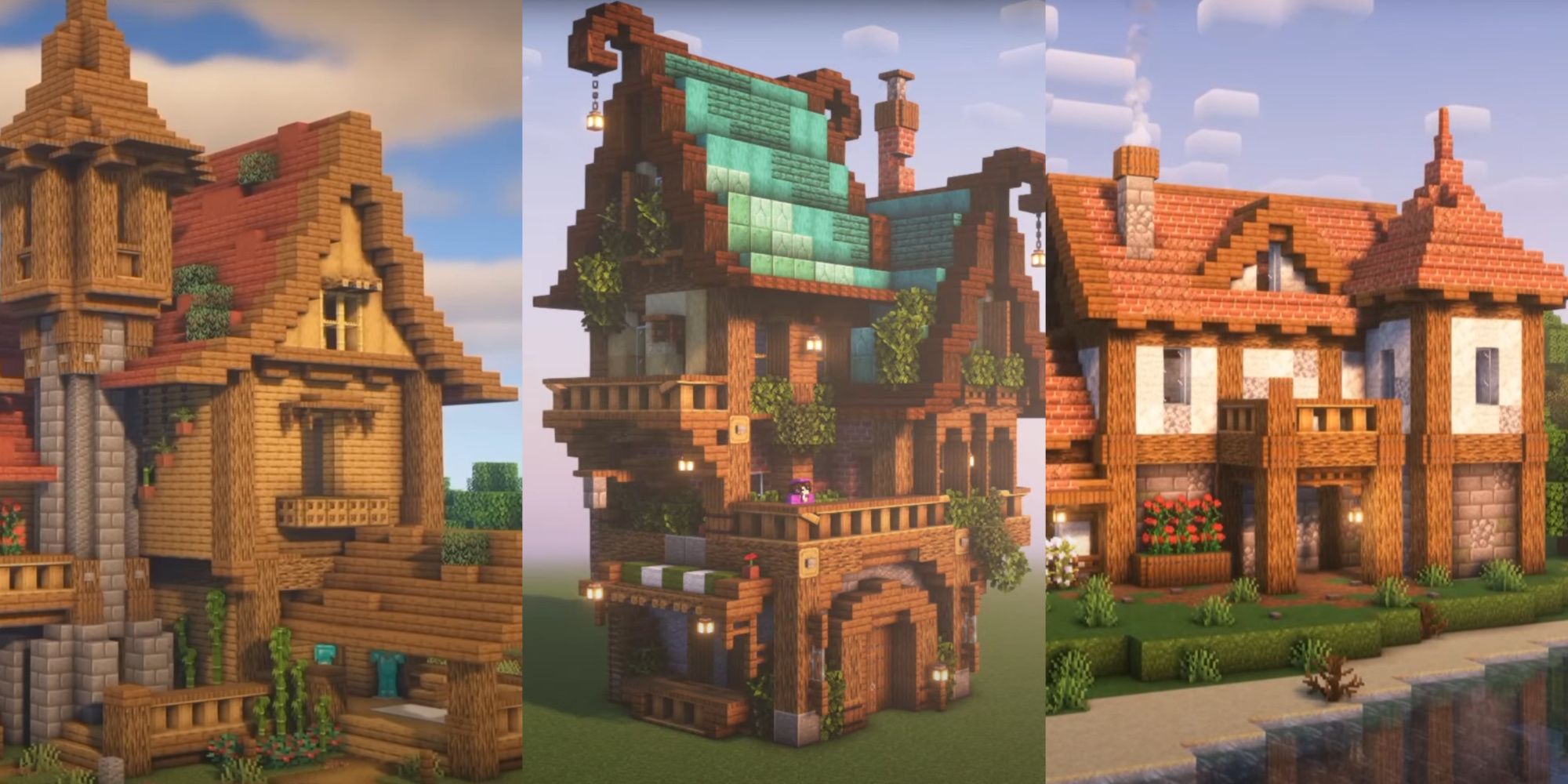
Choosing the right house to build in Minecraft depends on your survival progress, aesthetic preferences, and the amount of time you want to invest in gathering materials. Whether you are looking for a simple shelter to protect you from mobs on your first night or an expansive architectural masterpiece to house your automated farms and enchanting setups, finding a design that fits your gameplay style is essential.
1. The Starter Survival House
When you first spawn into a fresh Minecraft world, your immediate priority is survival. The starter survival house is designed to be compact, resource-efficient, and easy to construct within your first in-game day using basic materials like oak logs, cobblestone, and planks.
Core Features and Layout
A functional starter home typically measures around 5x5 or 7x7 blocks. This compact footprint ensures that you can fit all your essential utilities—a bed, a crafting table, a furnace, and a few double chests—without wasting time walking back and forth.
- Foundation: Built from cobblestone to prevent creepers from blasting away your exterior walls during early-night skirmishes.
- Walls: Stripped logs for corner pillars, filled in with wooden planks for a warm, classic aesthetic.
- Roof: An A-frame roof made of stairs that overhangs the walls by one block, preventing spiders from climbing up easily and adding architectural depth.
Resource Efficiency
The greatest advantage of the starter house is its minimal material requirements. You can harvest an entire stack of logs and a few stacks of stone using simple wooden or stone tools within ten minutes of starting a new world. This allows you to focus on gathering iron, exploring caves, and securing food rather than spending hours harvesting rare quartz or deepslate.
2. The Underground Modern Base
For players who prefer a clean, sleek aesthetic without cluttering the natural landscape above ground, the underground modern base offers an exceptional blend of style and security. By integrating quartz, smooth stone, tinted glass, and modern lighting elements into a subterranean cavity, you create a high-tech living space that remains entirely safe from surface mobs.
Design Principles and Architecture
An underground modern base relies heavily on geometric shapes, open-concept rooms, and stark color contrasts.
- Lighting: Instead of traditional torches, utilize sea lanterns, glowstone recessed into ceilings, or hidden shroomlights behind stairs to cast an even, contemporary glow.
- Materials: White concrete, smooth quartz blocks, and blackstone create a striking contrast that mimics modern interior design in the real world.
- Verticality: Incorporate cascading staircases, glass elevators using magma blocks and soul sand, or open drop shafts with water pads to move efficiently between floors.
Functional Integration
Because you are building underground, expanding your base is as simple as mining out more stone. This makes it an ideal location for massive storage rooms, potion-brewing labs, and villager trading halls. You never have to worry about running out of room or altering the surface terrain of your favorite biomes.
3. The Treehouse Sanctuary
Building high up in the canopy of a jungle, dark oak, or custom-planted giant spruce forest provides a whimsical and defenseless-feeling retreat that takes full advantage of Minecraft's verticality. A treehouse sanctuary blends organic architecture with clever engineering to create a stunning focal point in any world.
Structural Integrity and Support
A common mistake when building a treehouse is making the structure look like it is floating magically in mid-air. To achieve a realistic and visually appealing build, your treehouse should feel integrated into the flora.
- Trunk Reinforcement: Thicken natural tree trunks using matching wood types, bark blocks, and stripped logs to make them look capable of supporting a heavy wooden structure.
- Suspended Platforms: Use chains, fences, and wooden beams to anchor platforms to multiple surrounding trees rather than relying on a single trunk.
- Access Points: Implement winding wooden staircases wrapped around the trunk, ladder systems hidden inside hollowed-out branches, or scaffolding towers for easy entry and exit.
Biome Synergy
While jungle biomes offer massive canopy trees that make natural foundations, you can build a treehouse in almost any biome by growing your own large trees using bonemeal on spruce or dark oak saplings. This flexibility allows you to customize your views, whether you prefer looking over a sprawling savanna, a misty swamp, or a frozen peaks biome.
4. The Medieval Castle Estate
If you enjoy grand architectural projects and long-term building goals, a medieval castle estate serves as the ultimate late-game undertaking. These sprawling fortresses require significant material gathering and planning, but the resulting stronghold provides unmatched aesthetic presence and defensive capability.
Essential Castle Components
A complete medieval estate is more than just a single large building; it is a complex of interconnected structures designed for both defense and daily living.
| Component | Recommended Materials | Primary Purpose |
|---|---|---|
| Curtain Walls | Cobblestone, Stone Bricks, Mossy Cobblestone | Perimeter defense and visual boundary. |
| Keep / Main Tower | Chiseled Stone Bricks, Cracked Stone Bricks | Primary living quarters and throne room. |
| Stables and Pens | Spruce Fences, Hay Bales, Mud Bricks | Housing horses, sheep, and cows. |
| Armory / Forge | Nether Bricks, Magma Blocks, Anvils | Crafting, repairing, and gear storage. |
Detailing and Texturing
To prevent large stone walls from looking flat and boring, experienced builders use a technique called texturing. By mixing regular stone bricks with cracked stone bricks, mossy stone bricks, and Andesite blocks in a random distribution, you simulate centuries of weathering and structural wear. Adding ivy, hanging vines, and strategically placed lanterns further enhances the historic, lived-in atmosphere.
5. The Cozy Cottage
For players who prioritize relaxation, farming, and aesthetic warmth over grand defensive structures, the cozy cottage is the quintessential Minecraft home. Often nestled in meadows, flower forests, or near rivers, this style emphasizes rustic charm, gardens, and comfort.
Architectural Elements
The cozy cottage relies on mixed-material framing, steeply pitched roofs, and asymmetrical layouts to create an inviting look.
- Frame Construction: Use exposed dark oak or spruce logs for the structural skeleton, filled in with white terracotta, calcite, or smooth sandstone for plaster walls.
- Roof Variations: Combine brick stairs or deepslate tile stairs with copper elements that have weathered to a soft turquoise green to add color contrast.
- Botanical Accents: Surround the exterior with custom flower beds, sweet berry bush hedges, beehives, and leaf blocks shaped into bushes.
Interior Atmosphere
Inside the cottage, focus on warm lighting, barrel storage arrangements, and cozy reading nooks. Use armor stands with leather armor to simulate coats hanging by the door, and place carpets over wooden floorboards to add texture. A stone brick fireplace with a campfire chimney completes the rustic aesthetic while keeping the room safe from accidental fire spread.
Summary Comparison of Minecraft House Styles
| House Style | Ideal Biome | Material Complexity | Primary Focus |
|---|---|---|---|
| Starter Survival | Plains, Forest | Low (Wood, Cobblestone) | Fast setup, safety, low resource cost. |
| Underground Modern | Any (Subterranean) | Medium (Quartz, Concrete, Glass) | Clean aesthetics, expandability, mob safety. |
| Treehouse Sanctuary | Jungle, Dark Forest | Medium (Logs, Planks, Vines) | Verticality, scenery, organic design. |
| Medieval Castle | Mountains, Taiga | High (Stone Bricks, Iron, Wood) | Grand scale, defense, long-term building. |
| Cozy Cottage | Flower Forest, Meadow | Low to Medium (Wool, Wood, Terracotta) | Farming, aesthetics, warm interior design. |
Frequently Asked Questions
What is the easiest house to build for a beginner in Minecraft?
The starter survival house made from cobblestone and oak logs is the easiest and most practical choice for a beginner. It requires very few resources, can be built in less than ten minutes, and provides complete protection against zombies, skeletons, and creepers during your first few nights.
How do I protect my house from lightning strikes and fire?
To protect wooden houses from burning down during thunderstorms, avoid using open fire sources like standalone campfires or lava lamps near flammable blocks. In modern Minecraft versions, lightning rods placed on the highest point of your roof will safely absorb lightning strikes and prevent fires entirely.
What are the best blocks for modern house designs?
White concrete, quartz blocks, smooth stone, tinted glass, and polished diorite are the premier choices for modern architecture in Minecraft. Their clean textures and bright color palettes create sharp geometric lines that mimic real-world contemporary architecture.
How can I make my large stone walls look less repetitive?
You can break up the monotony of large stone walls by texturing them. Mix in alternative blocks with similar color values, such as cracked stone bricks, mossy stone bricks, cobblestone, and Andesite. Additionally, adding depth by recessing windows by one block and placing stairs around doorways creates natural shadows and visual interest.
Conclusion and Next Actions
Selecting and building the right house in Minecraft sets the tone for your entire survival world. Start by evaluating your current resources and gameplay needs: if you are just beginning, construct a compact starter shelter to secure your items. Once you have established a steady supply of materials and automated farms, challenge yourself with a sprawling medieval castle or a high-tech underground base. Gather your blocks, plan your layout, and start transforming your landscape today.