Choosing the right Litecoin (LTC) wallet in 2026 requires balancing impenetrable security with the functional needs of the MimbleWimble Extension Blocks (MWEB) protocol. The best options today offer non-custodial control, allowing users to manage their private keys while providing seamless interfaces for sending, receiving, and swapping LTC across various blockchain layers.
Since its inception, Litecoin has maintained its position as a "silver to Bitcoin's gold," prioritizing speed and low transaction costs. However, as the regulatory landscape for digital assets has matured in 2026, the method by which you store your LTC has become just as important as the asset itself. Whether you are a long-term "HODLer" or an active trader, the wallet you choose serves as your primary gateway to the Litecoin network.
A professional-grade Litecoin wallet must do more than just show a balance. It must provide robust recovery options, support for modern address formats (such as SegWit and Taproot), and, increasingly, privacy features that leverage Litecoin’s unique optional confidentiality. In this review, we examine the three top-tier wallets that have defined the standard for Litecoin storage this year: Ledger Nano X, Litewallet, and Exodus.
1. Ledger Nano X: The Gold Standard for Cold Storage
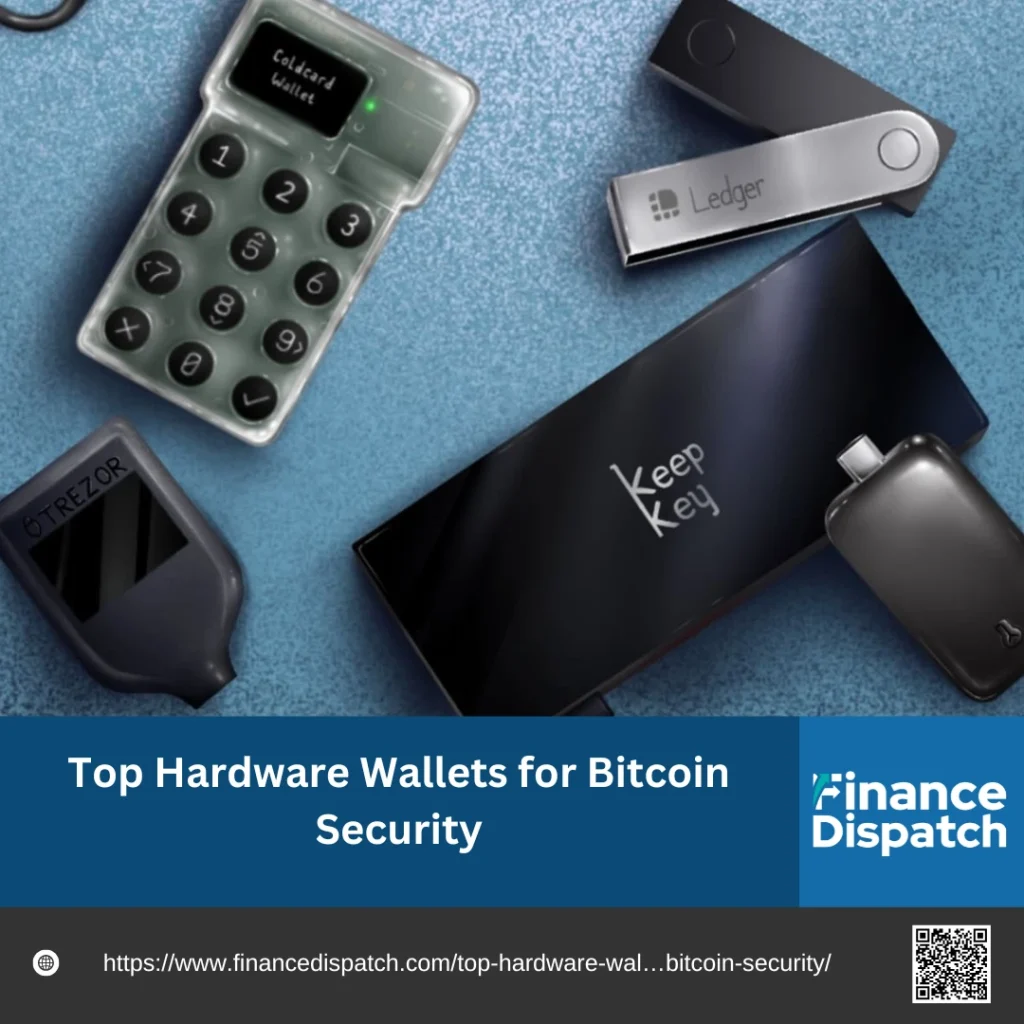
The Ledger Nano X remains the premier choice for Litecoin investors who prioritize absolute security over immediate convenience. As a hardware wallet, it keeps your private keys in a certified secure chip that is never exposed to the internet. In 2026, with the rise of more sophisticated remote draining attacks, the "air-gapped" nature of hardware storage is a critical defense mechanism.
Technical Architecture and Security
At the heart of the Nano X is the ST33J2M0 Secure Element (SE) chip, which is CC EAL6+ certified. This is the same level of security used in high-end credit cards and biometric passports. When you initialize the device, it generates a 24-word recovery phrase (BIP39 standard) offline. This ensures that even if your computer is infected with malware, your Litecoin remains safe because the transaction must be physically signed on the device via the side buttons.
In 2026, Ledger has further refined its "Ledger Live" companion app to fully support Litecoin’s MWEB features. This allows users to move their LTC into the extension block for enhanced privacy directly from the desktop or mobile interface, provided the device is connected via Bluetooth or USB-C.
User Experience and LTC Management
The Nano X features a small OLED screen that displays transaction details—amount, address, and fees—before you confirm. This prevents "man-in-the-middle" attacks where a hacker might change the destination address on your computer screen.
For Litecoin users, the Ledger ecosystem offers several advantages:
- Multiple Address Support: Easily toggle between Legacy, SegWit, and Native SegWit (Bech32) addresses.
- Staking and Swapping: Through integrated partners like Wyre or Banxa, users can buy LTC or swap it for other assets without moving the funds to a centralized exchange.
- Bluetooth Connectivity: The Nano X allows for mobile management on iOS and Android, making it more versatile than its predecessor, the Nano S Plus.
Limitations to Consider
While the security is unmatched, the Ledger Nano X is not free. In 2026, the retail price typically hovers around $149 USD. Additionally, there is a learning curve associated with managing recovery phrases and firmware updates. If you lose both your device and your recovery phrase, your Litecoin is permanently unrecoverable.
2. Litewallet: The Official Foundation Choice
Litewallet is the official mobile wallet developed by the Litecoin Foundation. It is designed specifically for Litecoin, making it a "Litecoin-first" application rather than a multi-currency hub. For users who want a lightweight, fast, and free way to use LTC for daily transactions, Litewallet is the industry benchmark.
Simple Payment Verification (SPV) Technology
Litewallet utilizes SPV technology, which allows the wallet to verify transactions on the Litecoin blockchain without requiring the user to download the entire multi-gigabyte ledger. This makes it incredibly fast on mobile devices. When you open the app, it syncs with the network in seconds, providing real-time balance updates.
One of the most significant updates in 2026 is the native integration of MWEB. Litewallet was one of the first mobile platforms to simplify the MimbleWimble protocol, allowing users to "peg-in" and "peg-out" of the privacy layer with a single tap. This makes it an essential tool for users who value financial privacy in their day-to-day spending.
Accessibility and Open Source Integrity
Because Litewallet is open-source, its code is regularly audited by the community. This transparency is vital in the cryptocurrency space. It is non-custodial, meaning the Litecoin Foundation never has access to your funds. You are provided with a 12-word seed phrase upon setup, which acts as your master key.
Key features include:
- No Registration: You do not need to provide an email, name, or phone number to use the wallet.
- Direct Support: As the official wallet, it receives the fastest updates regarding Litecoin network upgrades.
- Clean UI: The interface is stripped of the clutter found in multi-asset wallets, focusing entirely on LTC sending, receiving, and purchasing via integrated partners.
Practical Performance
Litewallet excels at "coffee shop" transactions. Its QR code scanning is rapid, and it automatically calculates the optimal network fee to ensure your transaction is included in the next block. However, as a "hot wallet" (connected to the internet), it is theoretically more vulnerable than a hardware wallet. It is recommended for smaller amounts used for spending rather than life savings.
3. Exodus: The Best Multi-Asset Experience
For those who hold Litecoin as part of a broader portfolio that includes Bitcoin, Ethereum, and various DeFi tokens, Exodus is the leading software wallet. It is renowned for its world-class user interface and its ability to sync across desktop, mobile, and browser extensions.
Design and Portfolio Management
Exodus transforms the technical complexity of the blockchain into a visually appealing dashboard. In 2026, the wallet’s LTC integration includes advanced charting features, allowing users to track the value of their holdings against fiat currencies or other crypto assets in real-time.
Exodus is a non-custodial wallet, but it operates differently than Litewallet. It is a "heavy" wallet in terms of features, offering an internal exchange where you can swap LTC for hundreds of other assets without leaving the app. This convenience is powered by third-party API providers, ensuring that you always have liquidity at your fingertips.
Trezor Integration: The Hybrid Security Model
One of the most powerful features of Exodus is its partnership with Trezor. If you own a Trezor hardware wallet, you can link it to the Exodus desktop interface. This gives you the beautiful UI of Exodus with the cold-storage security of Trezor. Your Litecoin private keys remain on the Trezor hardware, but you use the Exodus dashboard to manage them.
Other notable features:
- 24/7 Customer Support: Unlike many open-source projects, Exodus provides a dedicated support team to help users with technical issues.
- Automatic Fee Adjustment: Exodus automatically tracks network congestion to set the most efficient fee for LTC transactions.
- Customization: Users can personalize their dashboard with various themes and sounds, making the financial management experience less clinical.
Trade-offs: Privacy and Cost
Exodus is not open-source in its entirety. While many of its components are public, the core interface is proprietary. For strict "open-source only" advocates, this might be a deterrent. Furthermore, while the wallet itself is free, the spreads on the internal exchange can be higher than those on professional trading platforms.
Comparative Analysis of Top Litecoin Wallets
The following table compares the essential features of the three reviewed wallets to help you determine which fits your specific needs in 2026.
| Feature | Ledger Nano X | Litewallet | Exodus |
|---|---|---|---|
| Wallet Type | Hardware (Cold) | Mobile (Hot) | Software (Hot/Hybrid) |
| Primary Security | Secure Element Chip | OS Keychain / Biometrics | Encryption / Trezor Link |
| MWEB Support | Full (via Ledger Live) | Full (Native Mobile) | Limited / Basic |
| Cost | ~$149 USD | Free | Free (Exchange Spreads) |
| Setup Difficulty | Moderate | Easy | Easy |
| Open Source | Partially | Yes (Fully) | Partially |
| Best For | Long-term Security | Daily Spending | Portfolio Management |
Critical Security Prerequisites for Litecoin Users
Regardless of the wallet you choose, the security of your Litecoin depends on your adherence to fundamental cryptocurrency safety protocols. In 2026, the majority of lost funds are not due to blockchain hacks but to user error or social engineering.
- Seed Phrase Sovereignty: Your recovery phrase (12 or 24 words) is your money. Never store it in a digital format—no screenshots, no emails, and no cloud storage. Use a physical medium, such as a Billfodl or Cryptosteel, to protect it from fire and water damage.
- Verify the Source: Always download wallet software from official websites. Phishing sites often appear as "sponsored results" on search engines. For Litewallet, use the official links from the Litecoin Foundation; for Ledger and Exodus, go directly to their respective domains.
- Address Verification: When sending LTC, always verify the first and last five characters of the destination address on your wallet's screen. Some malware can "hijack" your clipboard and replace a copied address with the attacker's address.
- Updates: Keep your wallet firmware and software updated. These updates often contain critical security patches against newly discovered vulnerabilities.
How to Set Up Your Litecoin Wallet: A Step-by-Step Guide
If you are transitioning your Litecoin from a centralized exchange (like Coinbase or Binance) to a private wallet, follow these steps to ensure a smooth transfer.
Step 1: Initialize the Wallet
After downloading your chosen wallet, select "Create New Wallet." You will be prompted to write down your recovery phrase. Do this in a private setting where no cameras or people can see the words.
Step 2: Confirm the Recovery Phrase
Most wallets will require you to verify the phrase by selecting the words in the correct order. This ensures you haven't made a typo that would prevent future recovery.
Step 3: Locate Your Receiving Address
Navigate to the "Receive" section. You will see a long string of characters and a QR code. For Litecoin, this usually starts with an 'L' (Legacy), an 'M' (SegWit), or 'ltc1' (Native SegWit). Native SegWit (Bech32) is recommended for the lowest transaction fees.
Step 4: Perform a Test Transaction
Before moving your entire balance, send a small "dust" amount (e.g., 0.01 LTC). Wait for the transaction to receive at least 2-6 confirmations on the blockchain. Once the funds appear in your wallet, you can safely send the remainder.
Frequently Asked Questions
What are the transaction fees for Litecoin in 2026?
Litecoin transaction fees remain remarkably low, typically costing less than $0.01 USD for a standard transaction. Even when using the MWEB privacy layer, fees are significantly lower than Bitcoin's mainnet or Ethereum's Layer 1. Most wallets automatically calculate the fee based on the data size of the transaction.
Can I recover my Litecoin if I lose my phone or hardware device?
Yes, as long as you have your recovery seed phrase. You can input those 12 or 24 words into any other compatible wallet (following the BIP39/BIP44 standards) to regain access to your funds. The device is merely a gateway; the funds live on the blockchain, and the seed phrase is your key.
Is MWEB (MimbleWimble) supported by all wallets?
No. While the Litecoin network supports MWEB, individual wallet developers must implement the code to interact with the extension blocks. Litewallet and Ledger have robust support, but many third-party multi-currency wallets have not yet integrated the privacy features. Always check the specific wallet's documentation if privacy is your priority.
Why should I move my Litecoin off an exchange?
Storing Litecoin on an exchange means the exchange controls the private keys. If the exchange is hacked, goes bankrupt, or freezes your account, you lose access to your money. Moving funds to a private wallet like Ledger, Litewallet, or Exodus ensures you have "sovereignty" over your assets.
Does Litecoin support "Multi-sig" wallets?
Yes, Litecoin supports multi-signature (multi-sig) configurations, where multiple keys are required to authorize a transaction. This is typically used by businesses or for high-value cold storage. While the wallets reviewed here are primarily single-signature, Ledger can be used in conjunction with Electrum-LTC to create multi-sig setups.
Next Actions for Secure LTC Management
To ensure your Litecoin is protected for the remainder of 2026, take the following actions immediately. First, evaluate the value of your holdings; if they exceed the cost of a hardware wallet, purchase a Ledger Nano X to serve as your primary vault. Second, for smaller amounts intended for use, install Litewallet to familiarize yourself with MWEB privacy features. Finally, ensure you have a physical, non-digital backup of your recovery phrases stored in two separate, secure locations. By diversifying your storage between cold and hot wallets, you balance the need for high-level security with the functional benefits of the Litecoin network.