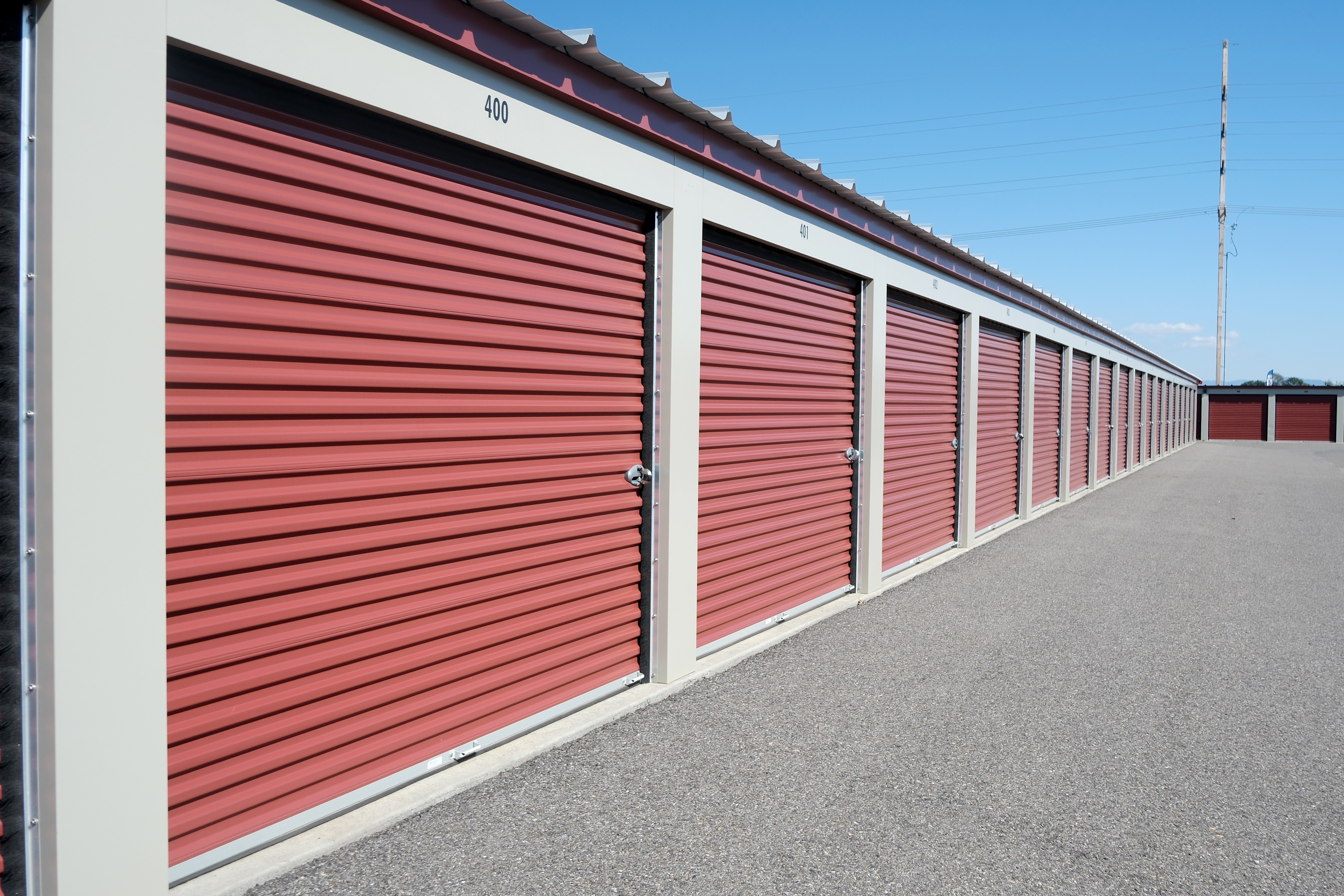
A 24hr storage unit is a self-storage facility that allows authorized tenants to enter their rented space at any time of day or night, regardless of standard business hours. These facilities provide continuous access through automated gate systems, unique digital PIN codes, and surveillance monitoring, offering essential flexibility for business owners, shift workers, and individuals requiring non-traditional access to their stored assets.
The Operational Logic of 24-Hour Access
At its core, a 24-hour storage unit functions differently than a standard facility that locks its gates between 7:00 PM and 7:00 AM. The infrastructure required to support around-the-clock access is sophisticated and reliant on integrated electronic security.
When you sign a lease for a 24-hour unit, you are typically issued a unique, encrypted PIN code. This code interacts with a centralized computer system that logs every entry and exit. The electronic gate system is the first barrier to entry; in many modern facilities, this gate remains locked even to tenants unless their status is "active" and their payments are up to date.
The move toward 24-hour access is often a deliberate business decision by facility operators. It requires higher investments in lighting (to ensure safe navigation of the hallways at night), motion-sensor technology, and advanced digital surveillance that can function in low-light environments. Because of these overhead costs, you will often find that 24-hour facilities are managed by larger corporations or high-end boutique operators who utilize automated software to track occupancy and security breaches in real time.
Benefits of Constant Access
The primary advantage of a 24-hour storage unit is the elimination of the time constraint. Traditional storage facilities often create friction for professionals whose work occurs outside the typical 9-to-5 window.
Professional and Business Applications
Many small business owners use storage units as an extension of their inventory management. For an e-commerce business, receiving a late-night shipment or needing to prepare a large order for early morning shipping often necessitates access to stored goods at irregular hours. Without 24-hour access, these businesses would be forced to pay for a warehouse or risk delayed fulfillment.
Lifestyle and Personal Use
For individuals undergoing major life transitions—such as emergency relocations, late-night moves, or unexpected housing repairs—the ability to move items into or out of storage at 2:00 AM can be a significant advantage. Furthermore, hobbyists who use storage units to house equipment that they access frequently (such as event production gear or seasonal sporting equipment) benefit from the freedom to pick up their items whenever their schedule dictates.
Evaluating Security Measures in 24hr Facilities
When a facility permits entry at all hours, the expectation for security is heightened. Because there are no staff members present overnight to act as a deterrent, the facility must rely on "hardened" security protocols.
When touring a 24-hour facility, look for these specific indicators of quality:
- Individual Unit Alarms: In premium facilities, it is not enough to secure the perimeter gate. Every individual unit door should be equipped with an electronic alarm that triggers a silent alert at a monitoring station if the door is opened without the authorized code.
- Perimeter Lighting: The facility should be bathed in high-intensity, motion-activated LED lighting. Dark corridors are not just a security risk; they are a liability for the operator and a safety concern for the tenant.
- High-Definition Surveillance: Modern systems use cloud-connected, high-definition cameras with infrared capabilities. Ensure that cameras cover not just the main entrances, but also the individual hallways leading to your specific unit.
- Access Logs: Ask if the facility provides an audit trail of access. Being able to see when your unit was last accessed—and by which code—is a vital layer of accountability.
Comparing Storage Access Options
Understanding the difference between access levels is critical for choosing the right facility. Not all "24-hour" access is created equal.
| Access Type | Features | Primary Use Case |
|---|---|---|
| Standard Access | Limited to business hours (e.g., 8am–6pm) | Long-term household storage |
| Extended Access | Early morning or late evening (e.g., 6am–10pm) | Occasional weekend access |
| 24-Hour Access | Full day/night/weekend availability | Active business use and shift workers |
| Climate Controlled 24hr | Temperature and humidity management + 24/7 access | Sensitive inventory and documents |
Potential Limitations and Hidden Requirements
While 24-hour access sounds like total freedom, there are operational realities that tenants must navigate.
Gate and Access Failures
Electronic systems are prone to technical glitches. If the facility’s server goes offline or a power failure occurs, the electronic gate may reset or lock down. It is essential to understand the facility's policy on emergency access. Do they have a manual override? Is there an on-call manager who can be reached at 3:00 AM?
Noise Ordinances and Neighborhood Rules
Even if the facility lets you inside, your activities are still subject to local ordinances. Many municipal areas have noise restrictions after 10:00 PM. If you are moving heavy machinery, using power tools, or playing music while organizing your unit, you may be in violation of local noise laws, which can lead to complaints and potentially the termination of your lease.
The "Access Privilege" Clause
In many states, 24-hour access is considered a privilege rather than a guaranteed right in the standard lease. If a tenant is frequently late on payments or triggers security alarms repeatedly, the operator may rescind the 24-hour access privilege while still allowing entry during standard office hours. Always check your rental agreement for language regarding the revocation of access rights.
Preparing for Your Move-in
Before signing a lease for a 24-hour unit, take the following steps to ensure the facility meets your practical needs:
- Verify the Gate Protocol: Test the gate keypad during your initial tour. Does it require a PIN? Is there a secondary layer, such as a mobile app that serves as a digital key?
- Assess Hallway Navigation: If you plan on moving large items at night, check the width of the hallways and the availability of carts. If a facility only keeps carts in the main office, you may find yourself unable to move heavy items if you arrive during off-hours.
- Check for "Locked Out" Status: Ask the site manager what happens if your payment is one day late. Many automated systems will instantly deactivate your gate code the moment a payment is missed, which could leave you stranded outside at night.
- Review the Insurance Policy: Many storage units require you to carry insurance for the contents of the unit. Confirm that your policy covers the facility, particularly during off-hours when staffing levels are at their lowest.
Frequently Asked Questions
Are 24-hour storage units more expensive than standard units? Yes, typically. The increased operational costs associated with advanced security, lighting, and specialized access software often result in a premium on the monthly rent. However, for businesses, this cost is often lower than the alternative of renting commercial office space or warehouse facilities.
Is it safe to visit a storage unit at night? Safety depends on the facility's design and location. Facilities that prioritize security—including high-end lighting, individual door alarms, and restricted site access—are generally safe. Always trust your instincts; if a facility’s lighting is broken or the security gates appear damaged, choose a different location.
What happens if I forget my gate code? Most modern facilities use a mobile application that allows you to bypass the keypad. If you rely on a manual keypad and forget your code, you will likely be locked out until the next business day unless the facility has a 24/7 support line.
Can I conduct business operations inside the unit? Generally, no. Most leases strictly prohibit using a storage unit as an office or a workshop. While you can store your inventory and prepare shipments, you should not be spending extended hours working inside the unit. Check your local building codes and the facility's "Use of Premises" clause.
How do I verify if a location truly offers 24-hour access? Do not rely on marketing brochures alone. Check the specific rental agreement. Some facilities advertise "extended access" as "24-hour access," which is misleading. If the contract stipulates restricted hours, they are not a true 24-hour facility.
Next Actions
If you require 24-hour access, your first step should be to use a facility locator tool to filter specifically for "24-hour access" rather than "extended access." Once you have identified three local options, schedule a site visit during the evening hours. This will allow you to personally verify that the lighting, gate, and security systems are functional and that you feel comfortable navigating the facility in the dark. Once you are satisfied, review the lease agreement specifically for the "Access" and "Default" sections to ensure your ability to enter the unit remains uninterrupted as long as your account remains in good standing.