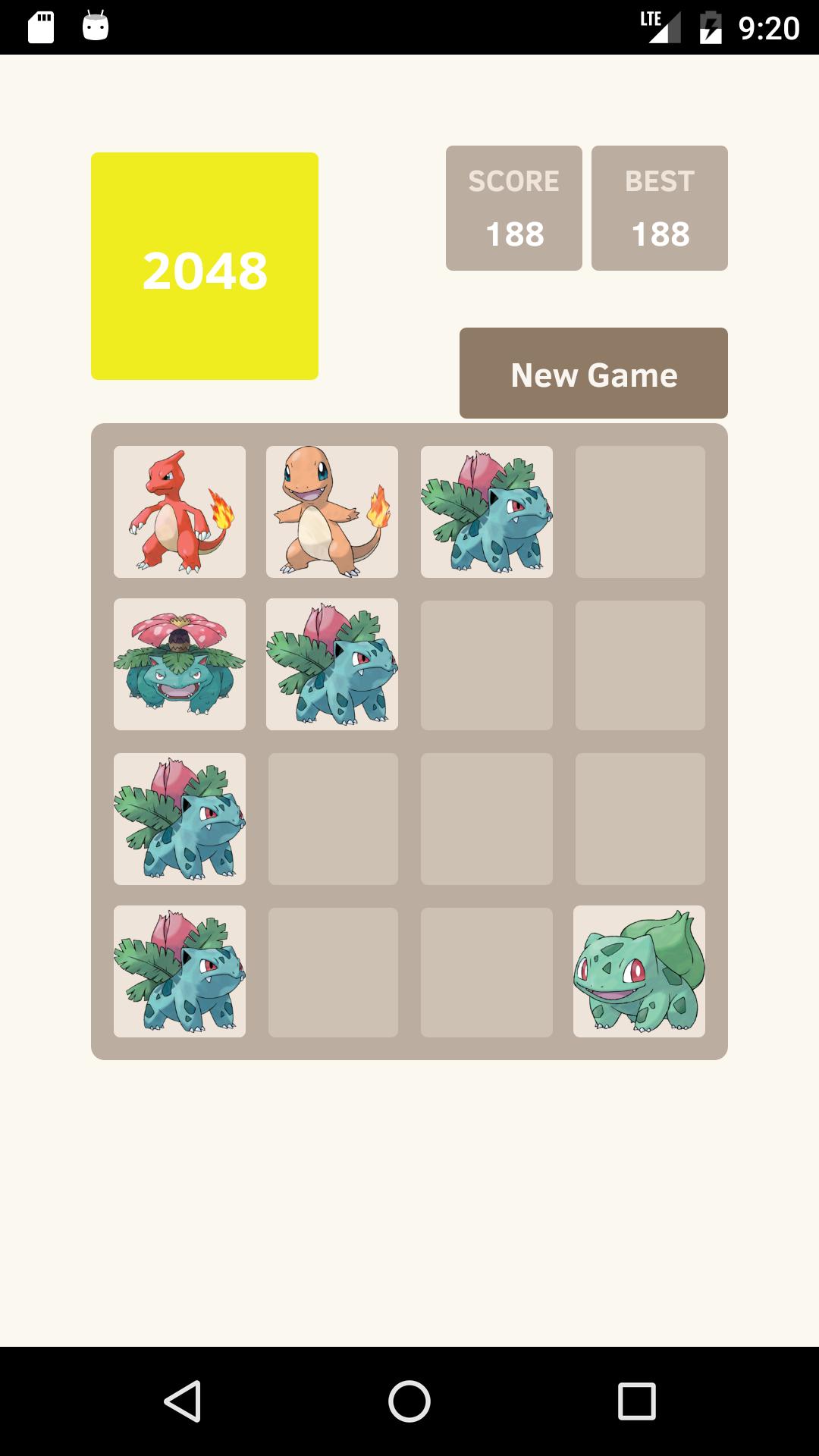
The net worth associated with 2048 and Pokémon GO connects the commercial success of Niantic's augmented reality phenomenon with Gabriele Cirulli’s viral indie puzzle game 2048. While these digital properties exist in entirely different financial and structural tiers, their collective market valuation highlights the diverse avenues through which digital entertainment generates immense value.
Introduction to the Financial Ecosystem of 2048 and Pokémon GO
When examining the intersection of viral web-based puzzles and global augmented reality blockbusters, the phrase "2048 pokemon go net worth" brings together two massive cultural milestones. On one hand, Pokémon GO represents a multi-billion-dollar enterprise engineered by Niantic in collaboration with Nintendo and The Pokémon Company. On the other hand, 2048 stands as a testament to open-source, minimalist game design that took the internet by storm in 2014 without requiring corporate funding or monetization at its inception.
Understanding the financial realities of these properties requires separating private corporate valuations from public app-store revenues, developer monetization models, and the broader economics of mobile gaming. This analysis explores how these distinct software projects accumulated value, how their creators or parent companies monetize their digital assets, and what market metrics reveal about their long-term financial footprint.
The Financial Monument of Pokémon GO
Pokémon GO is not merely a mobile application; it is a cultural and financial juggernaut operated by Niantic, Inc. Since its launch in July 2016, the game fundamentally transformed mobile gaming through location-based augmented reality (AR). To understand the net worth and revenue generation of Pokémon GO, one must analyze its lifetime earnings, developer valuation, and revenue-sharing structure.
Lifetime Revenue and Market Performance
According to market intelligence platforms such as Sensor Tower, Pokémon GO generated over $7 billion in lifetime player spending within its first seven years on the market, crossing significant revenue milestones consistently year over year. The game achieved its highest annual revenue year in 2020, capitalizing on global lockdown adaptations that allowed players to engage from home.
The financial engine of Pokémon GO relies on a freemium model. Players download the application for free, but spend real currency (PokéCoins) on in-game items such as raid passes, incubators, storage upgrades, and cosmetic avatar items. This continuous microtransaction stream ensures steady cash flow rather than a one-time purchase fee.
Niantic Corporate Valuation and Funding
Niantic spun out from Google as an independent entity in 2015. Subsequent funding rounds valued the parent company significantly. In a 2021 funding round led by Coatue, Niantic secured a valuation of $9 billion. While Niantic is a privately held company—meaning its exact daily net worth fluctuates based on private equity assessments, asset portfolios, and market conditions—its flagship asset, Pokémon GO, remains the primary driver of that multi-billion-dollar valuation.
Revenue Distribution and Licensing
The financial success of Pokémon GO is shared among three primary stakeholders:
- Niantic: As the developer and publisher, Niantic retains the lion's share of operating revenue to cover server maintenance, ongoing software development, and corporate overhead.
- The Pokémon Company: Responsible for the intellectual property, brand management, and licensing permissions.
- Nintendo: As a major stakeholder in The Pokémon Company and a partial investor in Niantic, Nintendo benefits financially from both direct dividends and indirect boosts to console hardware and software sales tied to the Pokémon franchise.
The Minimalist Phenomenon of 2048
In stark contrast to the corporate infrastructure of Pokémon GO, the puzzle game 2048 was created as a weekend coding project. Understanding its financial profile requires a completely different perspective on valuation, as open-source code and minimalist web design rarely translate into corporate net worth in the traditional sense.
Origins and Open-Source Distribution
In March 2014, 19-year-old Italian web developer Gabriele Cirulli created 2048 in just a few days. The game requires players to slide numbered tiles on a grid to combine them until they reach the 2048 tile. Cirulli released the game for free on GitHub, placing it into the public domain via an open-source license.
Because Cirulli did not commercialize the original release, load it with advertisements, or charge an upfront fee, the initial release of 2048 generated virtually zero direct revenue for its creator. Cirulli stated publicly that he did not want to profit from a mechanic that was heavily inspired by existing games like Threes and 1024.
Derivative Works and Indirect Commercialization
Although the original creator walked away without multi-million-dollar payouts, the intellectual property framework of 2048 spawned countless clones, official port applications on iOS and Android, and web portals that generate substantial ad revenue.
- Mobile Clones: Numerous independent developers launched branded versions of 2048 on mobile app stores, embedding banner ads, interstitial video ads, and in-app purchases to remove advertisements.
- Cross-Overs: The open-source nature of the game allowed developers to create customized variations, including themes based on pop culture icons, internet memes, and anime franchises—sometimes overlapping informally with intellectual properties like Pokémon, though these rarely achieve official licensing status.
Comparative Financial Metrics: Pokémon GO vs. 2048
To contextualize the vast differences in scale, market capitalization, and monetization between these two digital properties, the following comparison highlights their core structural and economic indicators.
| Metric | Pokémon GO | 2048 (Original Creator Version) |
|---|---|---|
| Primary Developer | Niantic, Inc. | Gabriele Cirulli |
| Corporate Valuation | Estimated at $9 billion (Niantic peak valuation) | Nominal (Open-source web project) |
| Lifetime Revenue | Multi-billion dollar gross earnings ($7B+) | Minimal to zero direct revenue for the original author |
| Monetization Model | Freemium microtransactions and sponsored locations | None (Original); Ad-supported mobile clones (Ecosystem) |
| IP Ownership | Jointly managed (Niantic, Nintendo, The Pokémon Company) | Public domain / Open-source code |
| Platform Ecosystem | iOS, Android (Mobile AR) | Web browsers, iOS, Android (via third-party clones) |
Economic Impact of Augmented Reality vs. Browser-Based Code
The financial chasm between Pokémon GO and 2048 illustrates broader economic shifts in digital media consumption. Enterprise-level mobile gaming requires sustained capital expenditure, licensing negotiations, server architecture, and ongoing live-ops management.
Niantic's Ongoing Operational Costs
Maintaining Pokémon GO requires continuous financial investment. Niantic must pay licensing fees to The Pokémon Company, maintain high-capacity cloud infrastructure to track millions of concurrent global users, manage physical safety liability during live community events (like Pokémon GO Fest), and fund research and development for their proprietary Lightship AR SDK. Consequently, while the gross revenue is immense, the net profit margins are balanced against substantial operating expenses.
The Longevity of Web-Based Viral Loops
Conversely, 2048 demonstrates the power of organic viral marketing. With zero marketing budget, the game spread globally through social media sharing. While the original creator did not monetize the project, the underlying code architecture paved the way for educational coding exercises, UI/UX design case studies, and lightweight browser entertainment that costs virtually nothing to host and maintain.
Frequently Asked Questions
What is the estimated net worth of Pokémon GO?
Pokémon GO is not a standalone publicly traded company, so it does not have a distinct corporate net worth. However, it serves as the primary revenue engine for Niantic, a private company valued at approximately $9 billion during major venture capital funding rounds, with lifetime player spending exceeding $7 billion.
Did the creator of 2048 make millions from the game?
No. Gabriele Cirulli released 2048 for free as an open-source project on GitHub and chose not to monetize it with advertisements or microtransactions. While hundreds of third-party developers created monetized clones of the game for mobile app stores, the original creator earned very little from the phenomenon.
How does Pokémon GO generate revenue if the app is free?
Pokémon GO utilizes a freemium monetization model. While downloading and playing the core game costs nothing, players purchase premium in-game currency called PokéCoins. These coins are used to buy functional items such as raid passes, incubators, bag upgrades, and aesthetic avatar customization gear.
Are there official Pokémon 2048 crossover games?
There are no official, Niantic-backed or Nintendo-licensed crossover games combining the mechanics of 2048 with Pokémon GO. Most 2048 games featuring Pokémon sprites or themes are fan-made browser projects or independent third-party mobile apps operating outside official licensing channels.
Who owns the intellectual property rights to Pokémon GO?
The Pokémon intellectual property is jointly owned by Nintendo, Game Freak, and Creatures Inc., operating collectively as The Pokémon Company. Niantic licenses this intellectual property to develop, publish, and operate Pokémon GO globally.
Conclusion and Strategic Takeaways
The juxtaposition of 2048 and Pokémon GO demonstrates two entirely different paths to digital prominence. Pokémon GO showcases the pinnacle of modern corporate software scaling—combining a multi-decade global brand with location-based augmented reality technology to generate billions in sustained revenue. Meanwhile, 2048 highlights the enduring appeal of elegant, accessible game design that captures public imagination without corporate backing. For developers, investors, and enthusiasts, analyzing these properties reveals the critical importance of intellectual property ownership, monetization strategy, and scalable technical infrastructure in the digital economy.