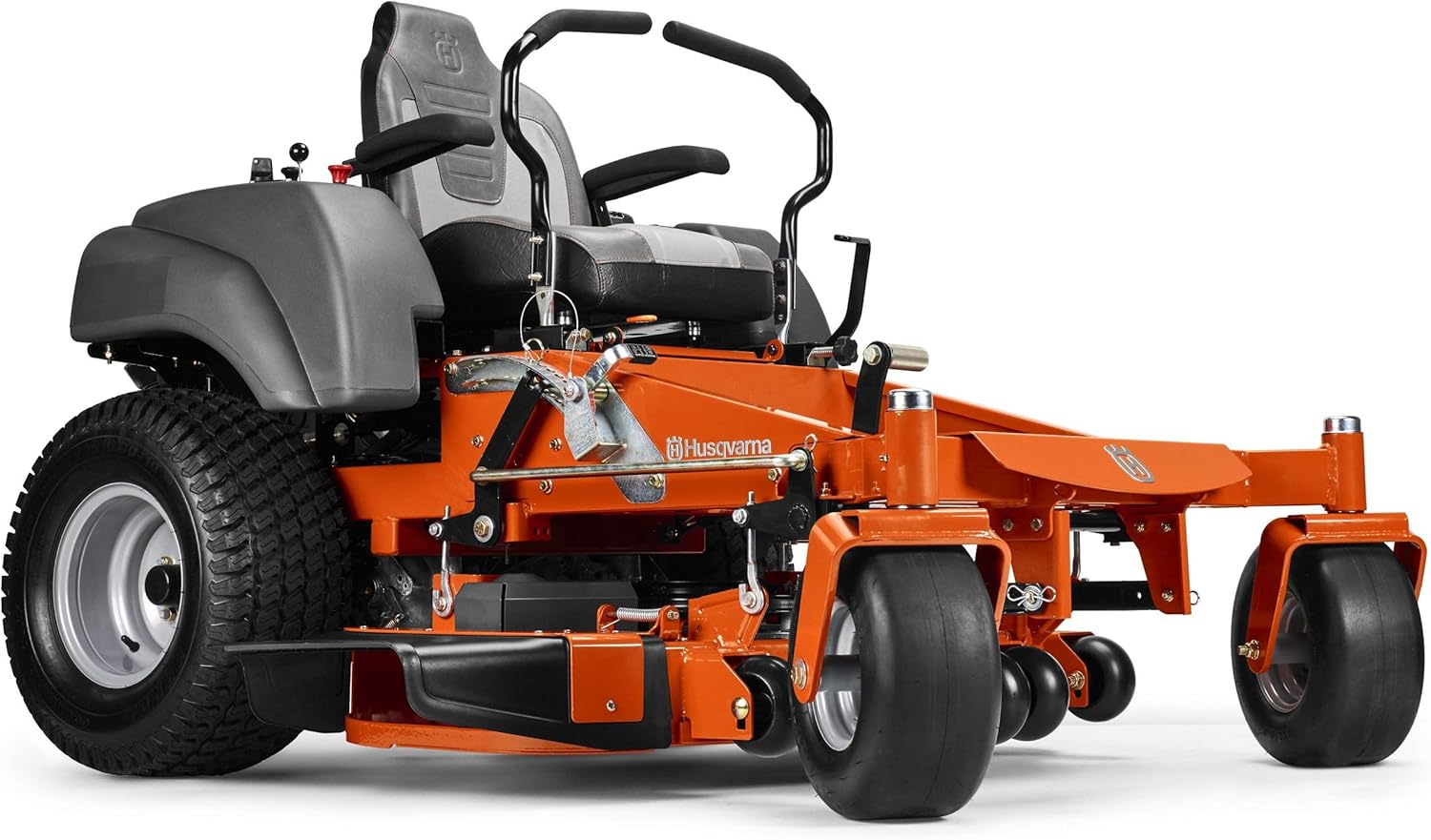
Selecting a zero-turn mower from the 2025 model year requires balancing your specific acreage requirements, terrain topography, and long-term maintenance expectations. These machines, defined by their ability to rotate 360 degrees on their own axis, provide unmatched maneuverability for complex landscapes, though they demand a different operational skill set compared to traditional steering-wheel tractors.
Understanding the Zero-Turn Mechanism
The defining characteristic of a zero-turn mower is its drivetrain. Unlike conventional lawn tractors that rely on a front-wheel steering system linked to a steering wheel, zero-turn mowers utilize two independent hydrostatic transmissions. Each rear drive wheel is controlled by an individual lever or a joystick. By pushing one lever forward and pulling the other back, the mower can pivot on a zero-degree radius.
This mechanical configuration allows for precise cutting around trees, flower beds, and landscaping features, effectively eliminating the need for extensive string trimming after the mowing session. However, this precision comes with operational constraints. Because the front wheels are usually casters, they provide little traction on steep inclines. Operators must exercise caution when navigating slopes, as the independent drive system can easily cause the machine to lose its line of travel if the center of gravity shifts too aggressively.
Key Classifications in the 2025 Market
When evaluating 2025 zero-turn models, manufacturers generally categorize their equipment by intended usage frequency and duty cycle. Understanding these segments is the first step in ensuring your investment aligns with your property needs.
Residential Entry-Level
These models are designed for homeowners with flat, clear lawns under two acres. They typically feature lighter-gauge steel frames and residential-grade hydrostatic transmissions. While cost-effective, they are not intended for heavy daily use or clearing dense brush. The focus here is on ease of operation and storage efficiency.
Residential Prosumer
Targeting the 2–5 acre segment, prosumer models offer upgraded engine options, often transitioning from single-cylinder to V-twin configurations. The decks are constructed with thicker, fabricated steel rather than stamped steel, providing greater durability against accidental impacts with rocks or roots. These units often feature more comfortable seating and adjustable suspension components to minimize operator fatigue.
Commercial Grade
Commercial-grade mowers are engineered for high-hour operation, often exceeding 500 to 1,000 hours per year. These machines feature heavy-duty welded frames, commercial-rated engines with advanced filtration systems, and high-capacity hydraulic pumps. They are built for speed and consistent cut quality under demanding conditions, featuring wider discharge chutes and reinforced spindles that can handle thick, overgrown turf.
Performance Specifications and Selection Factors
Choosing the correct machine involves more than selecting the highest horsepower rating. In the 2025 product lineup, several technical metrics dictate how a mower will perform over the duration of its lifespan.
Deck Construction and Width
The cutting deck is the most utilized component of the mower. Stamped decks, often found on entry-level models, are formed from a single sheet of steel. They are generally lighter and effective for standard residential maintenance. Conversely, fabricated decks are built by welding multiple pieces of steel together. They provide superior structural integrity, especially when debris strikes the housing. Deck width should be chosen based on the narrowest point of your property, such as gate widths or the spacing between permanent garden structures.
Transmission and Hydraulic Systems
The hydrostatic transmission is the heart of the mower. Entry-level units often use sealed transmissions, which are maintenance-free but may not be serviceable if they fail. Higher-tier models utilize serviceable transmissions that allow for fluid and filter changes, which is critical for long-term reliability. Look for the "CC" or "cc" rating of the pumps; larger pumps generally translate to higher ground speeds and better torque when mowing on inclines.
Ergonomics and Operator Safety
Because zero-turn mowers are prone to rapid directional changes, operator comfort features are significant contributors to safety. Vibration-dampening floor mats, adjustable high-back seats with armrests, and intuitive control dampeners all contribute to a more stable mowing experience. Safety interlocks, which prevent the mower from operating if the seat is empty or the parking brake is not engaged, remain a standard requirement across all reputable brands.
Comparative Analysis of Zero-Turn Categories
| Feature Category | Residential Entry-Level | Residential Prosumer | Commercial Grade |
|---|---|---|---|
| Typical Deck Type | Stamped Steel | Fabricated Steel | Heavy-Duty Fabricated |
| Transmission Type | Sealed Hydrostatic | Serviceable Hydrostatic | Commercial Piston Pumps |
| Engine Configuration | Single Cylinder | V-Twin | V-Twin / EFI |
| Avg. Ground Speed | 5–6 mph | 7–9 mph | 10–14+ mph |
| Duty Cycle | Low (Occasional) | Moderate (Weekly) | High (Daily) |
Operational Best Practices
Operating a zero-turn mower effectively requires practice, particularly in mastering the dual-lever controls. New users often attempt to push the levers to their maximum extent, resulting in jerky, inconsistent movement. The key is fluid, incremental pressure. To turn, one lever should be moved slightly ahead of the other rather than one being pushed and the other pulled back to a full stop, which minimizes turf scuffing.
Terrain Management
Zero-turn mowers are optimized for flat, expansive lawns. If your property contains slopes greater than 10 to 15 degrees, these machines may not be the safest choice. When mowing slopes, always navigate up and down rather than across the slope, if the grade permits. If the machine begins to slide, the immediate corrective action is to turn the mower back toward the direction of the slope, but keep the speed low to avoid a tip-over.
Maintenance Schedule
Maintaining the 2025 model year equipment is essential for longevity. Regardless of the brand, the maintenance cycle is generally dictated by engine hours:
- Every 8–10 hours: Inspect air filter, check oil levels, and clear debris from the deck underside.
- Every 50 hours: Grease all spindle and pivot points, check tire pressure, and sharpen mower blades.
- Every 100–200 hours: Change engine oil and filter, replace fuel filters, and inspect drive belts for signs of fraying or stretching.
Troubleshooting Common Issues
When a mower fails to perform as expected, start with the most common points of failure before assuming a mechanical defect.
- Uneven Cut Quality: This is frequently caused by tire pressure imbalances or the deck not being leveled correctly. Ensure all tires are inflated to the manufacturer’s specification, as a five-psi difference can shift the deck angle significantly.
- Excessive Vibration: This usually indicates a bent blade or debris trapped in the deck pulleys. Before inspecting, always disconnect the spark plug wire to ensure the engine cannot start accidentally.
- Loss of Power/Stalling: Often attributed to restricted airflow in the air intake or a clogged fuel filter. If the mower is a 2025 fuel-injected (EFI) model, check for electrical issues at the battery terminals before inspecting the fuel pump.
Frequently Asked Questions
How does a zero-turn mower compare to a standard garden tractor for hills? Zero-turn mowers generally have a higher center of gravity and casters at the front, making them less stable than traditional tractors on significant inclines. If your property is primarily hilly, a garden tractor with a locking differential is often the safer, more stable choice.
Do I need a commercial mower for a large residential lot? Not necessarily. While commercial mowers provide faster speeds and durability, the decision should be based on the number of hours you mow per year. If you have five acres, a high-end residential prosumer model will likely provide sufficient longevity, provided you maintain it according to the service schedule.
What is the advantage of EFI (Electronic Fuel Injection) engines in 2025 models? EFI engines automatically adjust the fuel-to-air mixture based on temperature and load. They typically offer better fuel efficiency, easier starting in cold weather, and a more consistent power delivery compared to carbureted engines, which may struggle with altitude or fuel quality variations.
Can zero-turn mowers pull attachments? Most residential zero-turn mowers are not designed for heavy towing. While some models feature a hitch plate, they lack the transmission torque to pull heavy carts or garden implements. Consult your owner's manual for specific weight capacity limits; exceeding these will void most manufacturer warranties.
How long should I expect a 2025 model to last? With proper maintenance, a residential prosumer model should offer 500 to 800 hours of engine life, while commercial-grade units are often rated for 2,000 to 3,000 hours. The chassis and deck will typically last as long as the engine, provided they are kept clean and free of rust-inducing debris.
Final Recommendations
To maximize your investment in a 2025 zero-turn mower, prioritize models that offer local dealer support. Access to proprietary parts and authorized service technicians is more valuable than a marginal difference in initial purchase price. Before purchase, test the ergonomics at a dealership to ensure the seat and controls fit your frame comfortably, as you will likely spend significant time in the operator's position. Verify the warranty terms—specifically the distinction between consumer and commercial coverage—to ensure your usage patterns align with the manufacturer’s warranty limitations.