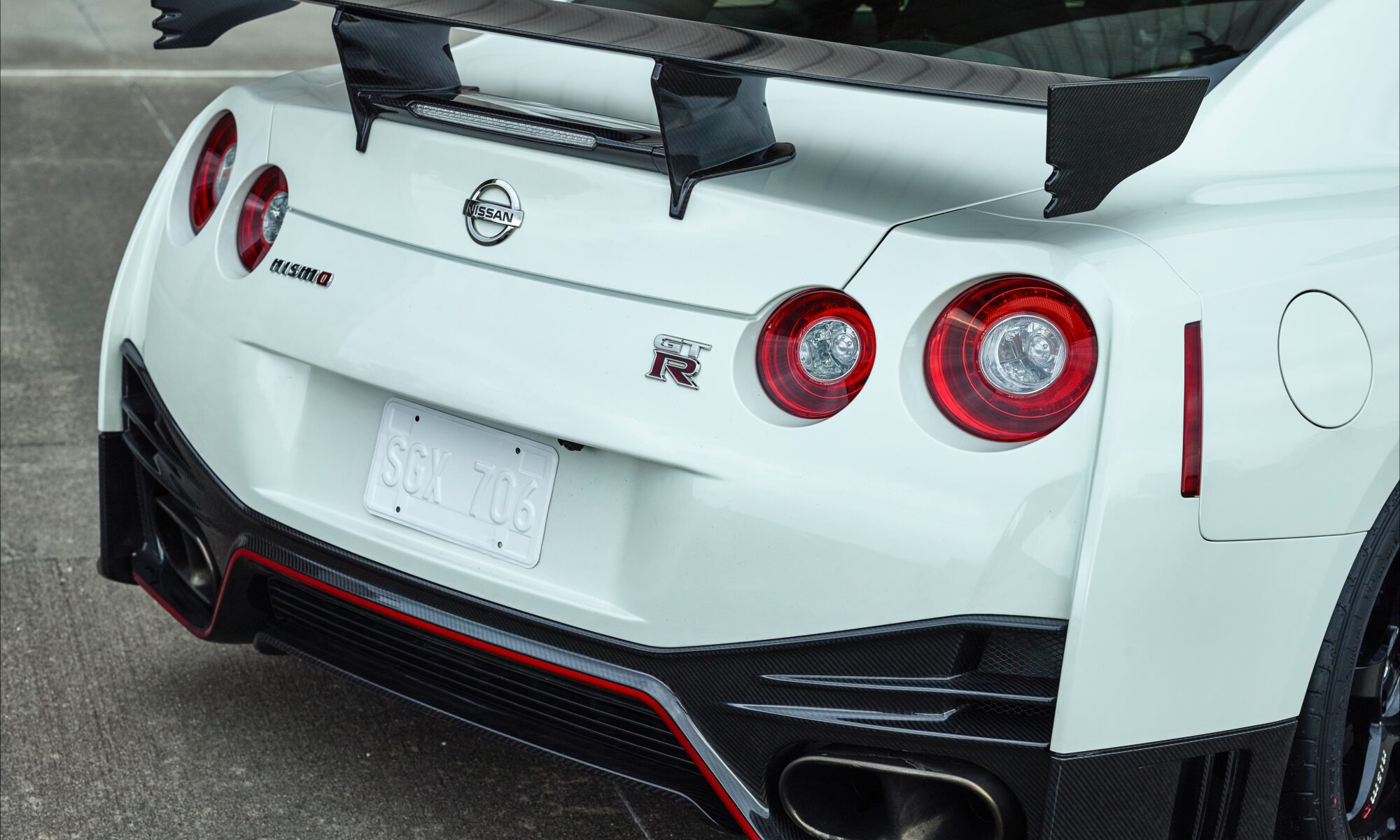
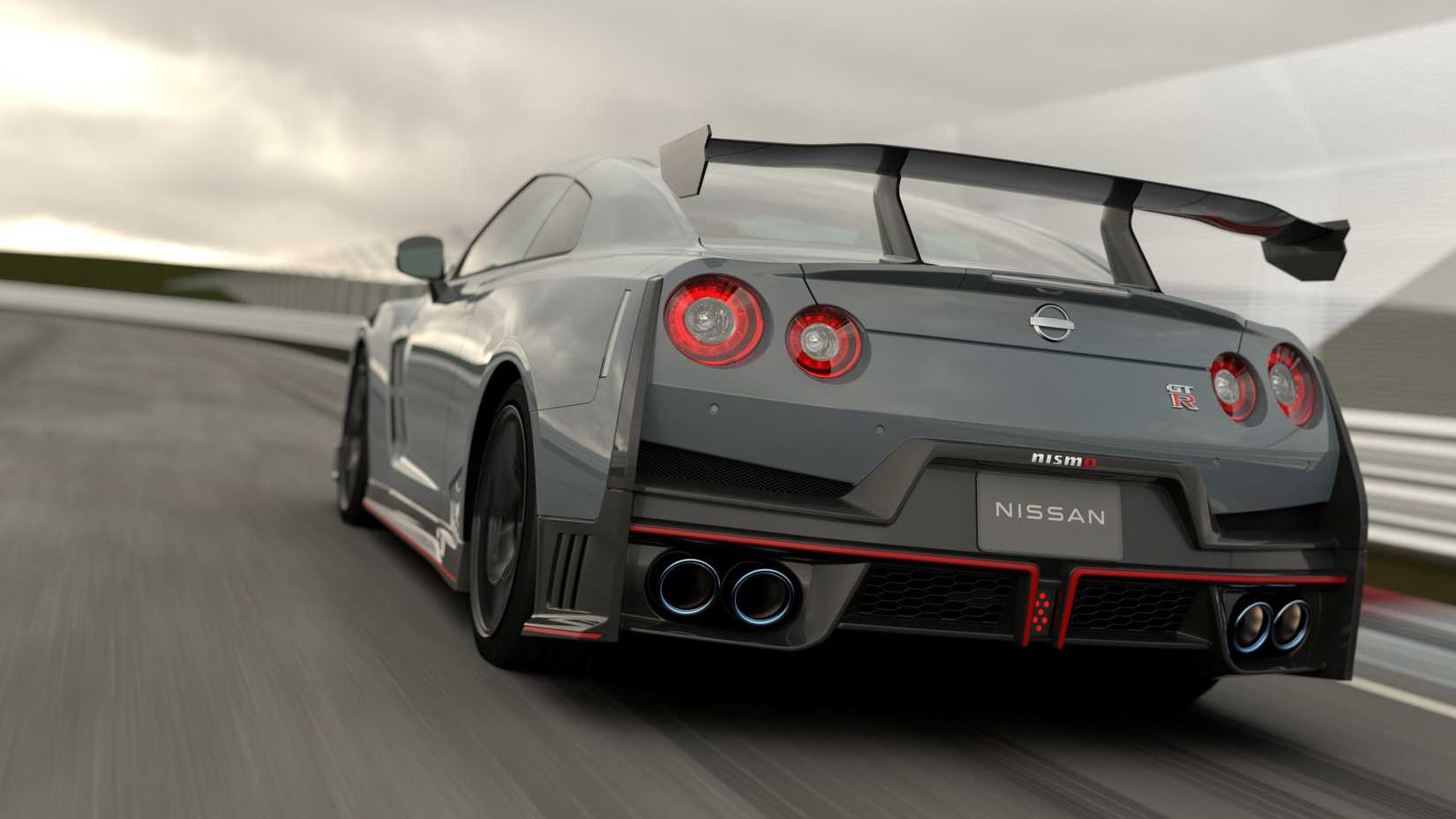
The 2016 Nissan GT-R Premium and the 2016 GT-R NISMO represent two distinct philosophies of the legendary R35 platform. While the 545-horsepower Premium trim serves as a versatile, high-speed grand tourer, the 600-horsepower NISMO is a precision-engineered track weapon featuring GT3-spec components and a significantly reinforced chassis. Choosing between them involves weighing daily usability against raw, uncompromised performance and long-term collectibility.
For many enthusiasts, the 2016 model year is considered a "sweet spot" in the R35's long production run. It arrived just before the major 2017 refresh, which introduced a more refined interior but also a softer, more "civilized" character. In 2016, the GT-R still retained much of its mechanical rawness, but with the reliability and transmission refinements that the early 2009–2011 models lacked.
Standing a decade removed from its launch, the 2026 perspective on these two machines is clearer than ever. One is the ultimate iteration of the "everyday supercar," while the other is a motorsport-derived icon that has since become a staple of high-end automotive collections.
Engine and Power: The Heart of Godzilla
Both the Premium and NISMO variants are powered by the hand-assembled VR38DETT, a 3.8-liter twin-turbocharged V6. However, the difference in output is not merely a result of a simple ECU "flash" or increased boost pressure.
The 545 HP Premium Engine
The 2016 Premium trim produces 545 horsepower at 6,400 rpm and 463 lb-ft of torque. This engine was the result of years of incremental updates to the original 480-hp unit from 2009. By 2016, Nissan had perfected the fuel injection timing and the intake/exhaust efficiency. The Premium model uses standard turbochargers that provide a broad powerband, making it exceptionally responsive in traffic and during highway overtakes. It is a "square" performance curve that feels relentless but accessible.
The 600 HP NISMO Engine
The NISMO variant elevates the VR38DETT to 600 horsepower and 481 lb-ft of torque. To achieve this 55-hp jump, Nissan’s engineers utilized the same high-flow, large-capacity turbochargers found in the GT3-class GT-R race cars. These turbos feature a larger housing and improved vane design to move more air at higher velocities.
Additionally, the NISMO features optimized individual ignition timing control for each cylinder and an upgraded fuel pump system to ensure the engine never runs lean under the massive G-forces it can generate on a circuit. From a 2026 vantage point, these NISMO engines are highly prized for their "over-engineered" nature, often capable of handling even more power with minimal modifications, though collectors usually keep them stock to preserve value.
Chassis and Suspension: Beyond the Numbers
While horsepower sells cars, the chassis wins races. This is where the gap between the Premium and the NISMO becomes a canyon. Many buyers mistakenly believe the NISMO is just a Premium with a body kit and a tune, but the structural differences are profound.
Adhesive Bonding and Structural Rigidity
The NISMO chassis is physically stiffer than the Premium. During the manufacturing process at the Tochigi plant, the NISMO receives additional adhesive bonding in addition to spot welding. This technique, borrowed from the world of endurance racing, increases the structural rigidity of the body shell. A stiffer chassis allows the suspension to work more accurately because the body doesn't flex under load.
Suspension Tuning: Bilstein DampTronic
Both cars utilize a Bilstein DampTronic system with three driver-selectable modes: Comfort, Normal, and R (Race). However, the valving and spring rates are drastically different:
- Premium: Tuned for a balance of high-speed stability and long-distance comfort. In "Comfort" mode, the 2016 Premium is surprisingly compliant on the highway.
- NISMO: Features bespoke springs and custom-developed Bilstein dampers. Even in its softest setting, the NISMO is significantly firmer than the Premium. It uses a 17.3mm hollow rear anti-roll bar to reduce body roll to almost zero during high-speed cornering.
Aerodynamics and Exterior Design
The visual differences between the two trims are not just for aesthetics; they are functional requirements for high-speed stability.
The Premium’s Understated Aggression
The 2016 Premium features the classic R35 silhouette with a drag coefficient ($C_d$) of 0.26. It uses a standard rear wing and integrated underbody diffusers to maintain stability at its 196-mph top speed. For most drivers, this setup provides more than enough downforce for spirited mountain road driving or occasional track days.
The NISMO’s Carbon Fiber Mastery
The NISMO is draped in carbon fiber. It features a unique front bumper, a longer tapered rear bumper, and a massive carbon fiber rear wing mounted on the trunk lid. These modifications aren't just for show—at 186 mph (300 km/h), the NISMO generates an additional 220 lbs (100 kg) of downforce compared to the Premium.
The NISMO also utilizes wider 20-inch Rays forged aluminum wheels, finished in black, which are slightly lighter and stronger than the standard wheels found on the Premium. These wheels are wrapped in NISMO-specific Dunlop SP Sport Maxx GT 600 DSST CTT tires, which use a stickier compound and stiffer sidewalls to handle the increased cornering loads.
Interior Experience: Luxury vs. Purpose
Inside the cabin, the 2016 GT-R shows its age compared to 2026 supercars, but it remains a functional, driver-centric environment.
- Seats: The Premium comes equipped with leather-appointed heated power seats designed for "Grand Touring" comfort. They provide decent lateral support but are built for longer stints behind the wheel. The NISMO features carbon-fiber-backed Recaro bucket seats upholstered in Alcantara. These seats are narrower, firmer, and designed to lock the driver in place during 1.0G+ cornering maneuvers.
- Steering Wheel: The NISMO wheel is wrapped in Alcantara with a red "12 o'clock" stripe, a nod to its racing pedigree. The Premium uses a standard leather-wrapped wheel.
- Materials: You will find significantly more Alcantara and red contrast stitching in the NISMO, whereas the Premium focuses on a mix of leather and synthetic materials that prioritize durability and a premium feel.
Performance Metrics Comparison
The following table outlines the technical specifications and performance data for the 2016 Nissan GT-R Premium versus the NISMO variant.
| Feature | 2016 GT-R Premium | 2016 GT-R NISMO |
|---|---|---|
| Engine | 3.8L V6 Twin-Turbo (VR38DETT) | 3.8L V6 Twin-Turbo (GT3-Spec) |
| Horsepower | 545 hp @ 6,400 rpm | 600 hp @ 6,800 rpm |
| Torque | 463 lb-ft @ 3,200–5,800 rpm | 481 lb-ft @ 3,200–5,800 rpm |
| 0–60 MPH | ~2.9 Seconds | ~2.7 Seconds |
| Top Speed | 196 mph | 196 mph (Aero limited) |
| Chassis Prep | Standard Spot Welding | Adhesive Bonding + Spot Welding |
| Turbos | Standard IHI | High-Flow GT3-Spec |
| Curb Weight | ~3,911 lbs | ~3,850 lbs (approx. 60 lbs lighter) |
| Downforce | Standard | +220 lbs @ 186 mph |
| Brakes | Brembo 6-piston (F) / 4-piston (R) | Brembo 6-piston (F) / 4-piston (R) |
| 2016 MSRP | ~$101,770 | ~$149,990 |
| 2026 Est. Value | $75,000 – $95,000 | $175,000 – $225,000+ |
Maintenance and Longevity in 2026
As these vehicles reach the ten-year mark in 2026, maintenance becomes a critical factor in the ownership experience. The R35 is notoriously expensive to maintain, earned the nickname "The Budget Supercar with the Non-Budget Maintenance."
- Transmission (GR6): The dual-clutch transmission is the most sensitive component. Even by 2016, the solenoids were much more reliable than in early models, but fluid changes (every 18,000 to 36,000 miles depending on track use) remain mandatory and costly.
- Brakes: Both models use massive Brembo rotors. The NISMO does not use carbon ceramics as standard for the 2016 US model (those came later in the N-Attack package or later model years). Replacing the floating iron rotors and pads on either car can easily cost $4,000–$6,000.
- Tires: The GT-R eats tires, especially the NISMO with its aggressive alignment. Owners should budget for a new set of high-performance rubber every 10,000 to 15,000 miles.
- NISMO-Specific Parts: This is where the NISMO becomes a liability for some. Because of the carbon fiber aero and bespoke suspension components, replacement parts are astronomical. A damaged front carbon splitter on a NISMO can cost more than a used economy car.
Market Value and Investment Potential
In the current 2026 market, the 2016 GT-R NISMO has transitioned from a "fast car" to a "blue-chip collectible." Because of its limited production numbers and the "NISMO" branding, it has appreciated significantly beyond its original sticker price. Clean, low-mileage examples often fetch well over $200,000, as they are seen as one of the rawest expressions of the NISMO brand before it pivoted toward more electrification and heavy tech in the mid-2020s.
The Premium model, conversely, has followed a more traditional depreciation and stabilization curve. It remains the "enthusiast's choice" for those who actually want to drive their cars. With a 2026 market value often sitting below $100,000, it offers a performance-per-dollar ratio that few modern cars can match, even a decade later.
Frequently Asked Questions
Is the NISMO too stiff for daily driving?
For most drivers, yes. The NISMO's increased spring rates and solid suspension bushings translate a significant amount of road vibration and noise into the cabin. While it is street-legal and has "Comfort" mode, the Premium is a far superior choice if you plan on using the car for road trips or commuting.
Can a Premium be tuned to 600 horsepower easily?
Yes. The VR38DETT is famously overbuilt. A simple "Stage 1" or "Stage 2" tune with intake and exhaust modifications can easily bring a Premium to 600 horsepower or more. However, you will still lack the NISMO's GT3 turbos, structural adhesive bonding, and specialized aerodynamics, which means the car will still feel and handle differently on a track.
Does the 2016 NISMO have carbon-ceramic brakes?
The standard 2016 GT-R NISMO in the United States came with high-performance Brembo iron rotors. Carbon-ceramic brakes were introduced as standard on later NISMO models (2020+) or were available through the extremely rare and expensive "N-Attack" package parts.
Why is the 2016 model year preferred over the 2017?
Some enthusiasts prefer the 2016 model because it retains the original "industrial" dashboard and the stiffer, more communicative steering feel. The 2017 refresh made the GT-R more of a luxury GT, which some purists felt diluted the "Godzilla" persona.
Is the NISMO a better investment than the Premium?
Historically, yes. Limited-edition NISMO models have shown much stronger value retention and appreciation. If you are looking for a vehicle to keep in a climate-controlled garage and see its value grow, the NISMO is the clear winner. If you want to drive 5,000 miles a year, the Premium is the more logical financial choice.
Final Recommendation: Which One Should You Buy?
In 2026, the choice between these two icons depends entirely on your intent as an owner.
Choose the 2016 Nissan GT-R Premium if:
- You want the ultimate "practical" supercar that you can drive to the office or on a weekend getaway.
- You plan on modifying the car; the Premium provides a perfect blank canvas for aftermarket tuners.
- You want 90% of the GT-R experience for less than half the price of a NISMO.
Choose the 2016 Nissan GT-R NISMO if:
- You are a collector looking for a definitive piece of Japanese automotive history.
- You spend a significant amount of time on the track and require the cooling and aero benefits of the GT3 turbos and carbon bodywork.
- You want the most "hardcore" version of the R35 ever produced before the platform began its transition toward refinement.
The Premium is a legend you can live with; the NISMO is a legend you respect. Both remain benchmarks of engineering excellence ten years after they first rolled off the assembly line.