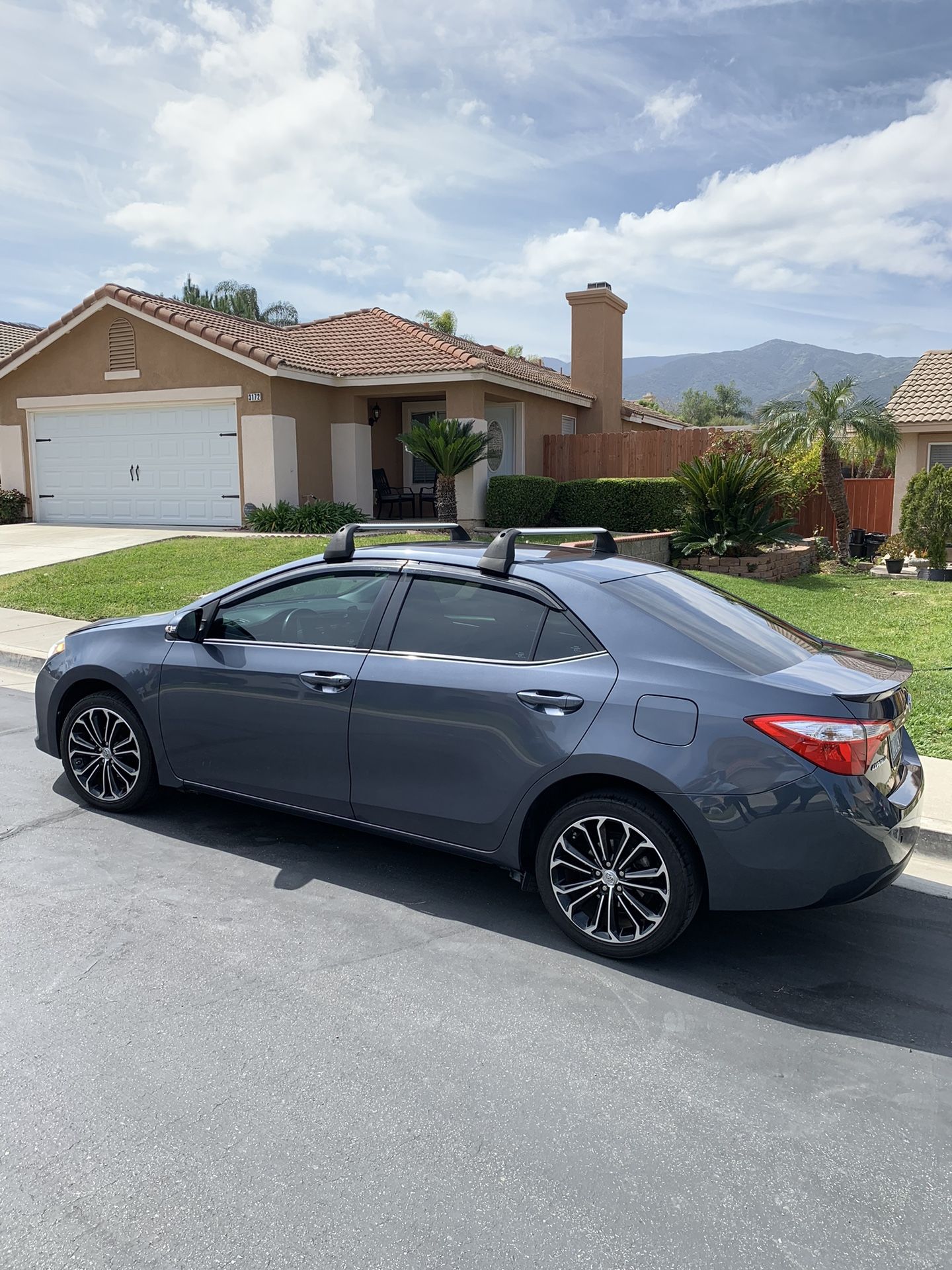
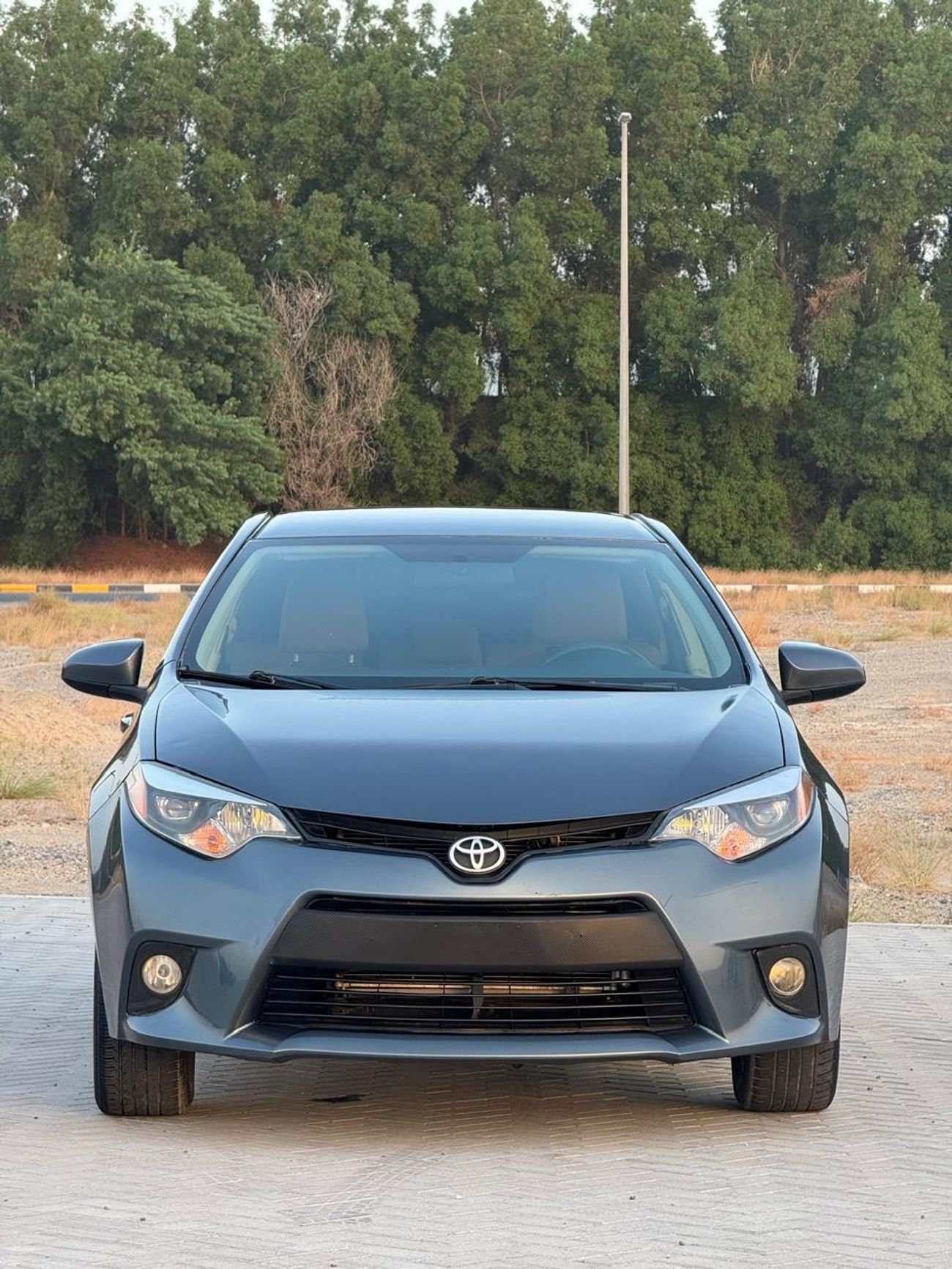
The 2016 Toyota Corolla utilizes three primary wheel sizes depending on the trim level: 15-inch, 16-inch, and 17-inch diameters. Most base L models feature 15-inch steel wheels, while LE and LE Eco trims typically use 16-inch wheels, and the sportier S trim comes equipped with 17-inch alloy wheels. All 2016 Corolla models share a 5x100mm bolt pattern and a 54.1mm center bore.
Choosing the correct wheel size for a 2016 Toyota Corolla involves more than just selecting a diameter that looks appealing. Because the 11th-generation Corolla was engineered with specific suspension geometry and fuel efficiency targets, the wheel specifications—including width, offset, and bolt pattern—play a critical role in maintaining the vehicle's safety and performance. As of 2026, many of these vehicles are reaching a decade of service, making wheel replacement or upgrades a common maintenance task for owners looking to refresh their vehicle’s appearance or improve handling characteristics.
Standard Wheel Sizes by Trim Level
Toyota categorized the 2016 Corolla lineup into several distinct trims, each paired with a specific wheel and tire combination designed to meet the intended use of that variant. Whether you are driving the fuel-sipping LE Eco or the more aggressive S trim, the factory specifications serve as the baseline for any replacement.
The L Trim: 15-Inch Utility
The base L trim was designed for maximum affordability and ride comfort. It comes factory-equipped with 15x6.0J steel wheels. These wheels are paired with 195/65R15 tires. The high sidewall of these tires provides a significant cushion against road imperfections, which is ideal for city driving where potholes are a concern. Steel wheels are heavier than alloy but are notably durable and cheaper to replace if damaged.
The LE and LE Eco Trims: 16-Inch Balance
The LE and LE Eco are the most common configurations found on the road. These trims typically feature 16x6.5J wheels. While the LE often utilizes steel wheels with plastic covers, the LE Eco and higher LE packages often feature aluminum alloy wheels. The standard tire size for these 16-inch rims is 205/55R16. This setup offers a balance between the soft ride of the 15-inch wheels and the sharper handling of the 17-inch versions.
The S and Special Edition Trims: 17-Inch Performance
For a more spirited driving experience and a modern aesthetic, the Corolla S and the 2016 Special Edition models utilize 17x7.0J alloy wheels. These are almost exclusively aluminum alloy to reduce unsprung weight, which improves suspension response. These wheels use 215/45R17 tires. Because the sidewall is thinner (a lower "aspect ratio"), the steering feel is much more direct, though the ride may feel slightly firmer compared to the smaller wheel sizes.
Critical Fitment Specifications: Bolt Pattern and Center Bore
When shopping for aftermarket wheels in 2026, you cannot rely on diameter alone. The physical interface between the wheel and the car's hub is governed by two immutable numbers: the bolt pattern and the center bore.
The 5x100mm Bolt Pattern
The 2016 Corolla uses a 5x100mm bolt pattern (also known as the Pitch Circle Diameter or PCD). This means there are five lug nut holes arranged in a circle with a diameter of 100 millimeters. It is vital to note that this is different from the larger Toyota Camry, which often uses a 5x114.3mm pattern. Attempting to force a wheel with the wrong bolt pattern onto a Corolla is impossible and dangerous.
The 54.1mm Center Bore
The center bore is the machined hole in the middle of the wheel that fits over the hub of the car. The 2016 Corolla has a 54.1mm hub diameter. Toyota designs these vehicles to be "hub-centric," meaning the weight of the car is supported by the hub itself, not just the lug studs.
If you purchase aftermarket wheels with a larger center bore (such as 73.1mm, which is common), you must use hub-centric rings to bridge the gap. Failure to do so can lead to persistent wheel vibrations at high speeds, as the wheel may not be perfectly centered on the axle.
Wheel Offset and Backspacing Explained
Offset is perhaps the most misunderstood aspect of wheel fitment. It refers to the distance between the wheel's mounting surface and its centerline, measured in millimeters. For the 2016 Corolla, the factory offset generally ranges between +33mm and +45mm.
- Positive Offset: The mounting surface is toward the front (street side) of the wheel. Most modern front-wheel-drive cars, including the Corolla, use a positive offset.
- The Impact of Incorrect Offset: If you choose a wheel with too much positive offset, the inner edge of the wheel or tire may rub against the suspension struts or brake calipers. Conversely, an offset that is too low (or negative) will push the wheels outward, potentially causing the tires to rub against the fender liners during sharp turns or when the car is fully loaded.
For those looking to achieve a "flush" look in 2026, staying within the +35mm to +40mm range on a 7-inch wide wheel usually provides a clean appearance without requiring modifications to the fenders.
2016 Toyota Corolla Wheel Specification Summary Table
| Trim Level | Wheel Diameter | Wheel Width | Material | Tire Size | Bolt Pattern |
|---|---|---|---|---|---|
| L | 15" | 6.0" | Steel | 195/65R15 | 5x100mm |
| LE | 16" | 6.5" | Steel / Alloy | 205/55R16 | 5x100mm |
| LE Eco | 15" / 16" | 6.0" / 6.5" | Alloy | 195/65R15 / 205/55R16 | 5x100mm |
| S | 17" | 7.0" | Alloy | 215/45R17 | 5x100mm |
| Special Ed. | 17" | 7.0" | Alloy (Gloss Black) | 215/45R17 | 5x100mm |
Tire Pressure Monitoring System (TPMS) Considerations
As a 2016 model, every Corolla sold in the United States is equipped with a direct Tire Pressure Monitoring System (TPMS). This system uses sensors mounted inside the wheel, integrated with the air valve stem.
When changing your wheel size or replacing old rims, you must decide whether to transfer your existing sensors or purchase new ones. By 2026, many original TPMS sensors from 2016 are reaching the end of their battery life (typically 7–10 years). If you are buying a new set of wheels, it is highly recommended to install new sensors simultaneously to avoid the labor cost of dismounting tires later when the old batteries inevitably fail.
New sensors must be "relearned" to the vehicle's ECU. Many modern tire shops use handheld OBD-II tools to complete this process in minutes. For more information on automotive safety standards regarding tire pressure, the National Highway Traffic Safety Administration (NHTSA) provides comprehensive guidelines on TPMS requirements.
Upgrading vs. Downsizing: Pros and Cons
Many owners consider changing their wheel size to either improve the vehicle's aesthetics or to save money on tires. This is often referred to as "Plus Sizing" or "Minus Sizing."
Upgrading to 17-Inch or 18-Inch Wheels
If your Corolla currently has 15-inch wheels, moving to 17-inch wheels (Plus Two sizing) will significantly change the car's personality.
- Pros: Improved cornering stability, more responsive steering, and a more premium appearance.
- Cons: Increased road noise, a harsher ride over bumps, and slightly lower fuel economy due to increased weight and rolling resistance.
Downsizing for Winter (Minus Sizing)
In colder climates, it is a common practice to "downsize" for winter tires. If you have an S trim with 17-inch wheels, you might buy a set of 15-inch steel wheels for the winter.
- Pros: 15-inch tires are significantly cheaper than 17-inch tires. The narrower tire (195mm vs 215mm) cuts through deep snow more effectively, and the taller sidewall protects the rims from hidden potholes under the snow.
- Cons: Reduced dry-pavement handling and a less "sporty" look.
Installation and Maintenance: Lug Nuts and Torque
Proper installation is critical for safety. The 2016 Corolla uses M12 x 1.5 thread pitch lug nuts. If you are switching from factory steel wheels to aftermarket alloy wheels, you will likely need new lug nuts.
- Seat Type: Factory Toyota wheels usually use a "mag seat" lug nut with a flat washer. Most aftermarket wheels use a "conical" or "tapered" seat. Using the wrong lug nut seat will prevent the wheel from being secured properly, which can lead to the wheel falling off while driving.
- Torque Specification: The correct torque for the 2016 Corolla lug nuts is 76 lb-ft (103 Nm). Always use a calibrated torque wrench and tighten the nuts in a "star pattern" to ensure even pressure across the hub face. Over-tightening can warp brake rotors, while under-tightening can cause the wheel to wobble.
Detailed torque specifications and maintenance schedules can be verified through the Toyota Owners Manual Resource.
Frequently Asked Questions
Can I put 18-inch wheels on my 2016 Corolla?
Yes, 18-inch wheels can fit the 2016 Corolla, provided you use a lower-profile tire (such as 225/40R18) to keep the overall diameter the same as the factory tires. However, be aware that 18-inch wheels significantly increase the risk of rim damage from potholes and will result in a much firmer ride. You must also ensure the offset remains around +35mm to +45mm to avoid rubbing.
Is the bolt pattern for the 2016 Corolla the same as the 2016 Camry?
No. The 2016 Corolla uses a 5x100mm bolt pattern, whereas the 2016 Camry uses a 5x114.3mm (5x4.5") pattern. Wheels are not interchangeable between these two models despite both being Toyotas from the same year.
Why does my LE Eco have different wheel options?
The LE Eco was designed for maximum fuel efficiency. Some versions came with 15-inch wheels and low-rolling-resistance tires to achieve higher MPG ratings. Others featured 16-inch aerodynamic alloy wheels. If you change these wheels to heavier aftermarket versions, you may notice a 2–4 MPG drop in your fuel economy.
Do I need to recalibrate my speedometer if I change wheel sizes?
If you maintain the correct overall tire diameter, you do not need to recalibrate the speedometer. For example, a 195/65R15 tire and a 215/45R17 tire have nearly identical outer diameters. If you significantly increase the outer diameter of the tire, your speedometer will read slower than your actual speed.
Can I use wheels from a Subaru on my Corolla?
Many older Subaru models (like the Impreza and Legacy) also use the 5x100mm bolt pattern. However, Subaru wheels often have a different center bore and a much higher offset (often +55mm). While the bolts may line up, the wheel may sit too far inward and hit the Corolla's suspension components. Always check the offset and center bore before attempting a swap.
Final Recommendations for 2026
If you are looking to replace the wheels on your 2016 Toyota Corolla today, the best balance of cost, comfort, and availability is the 16x6.5-inch configuration. This size offers a vast selection of tire brands and styles while maintaining the fuel efficiency the Corolla is known for. Always verify the 5x100mm bolt pattern and 54.1mm center bore before purchasing. If you are opting for aftermarket alloys, remember to budget for a new set of TPMS sensors and the appropriate conical lug nuts to ensure a safe and vibration-free installation.