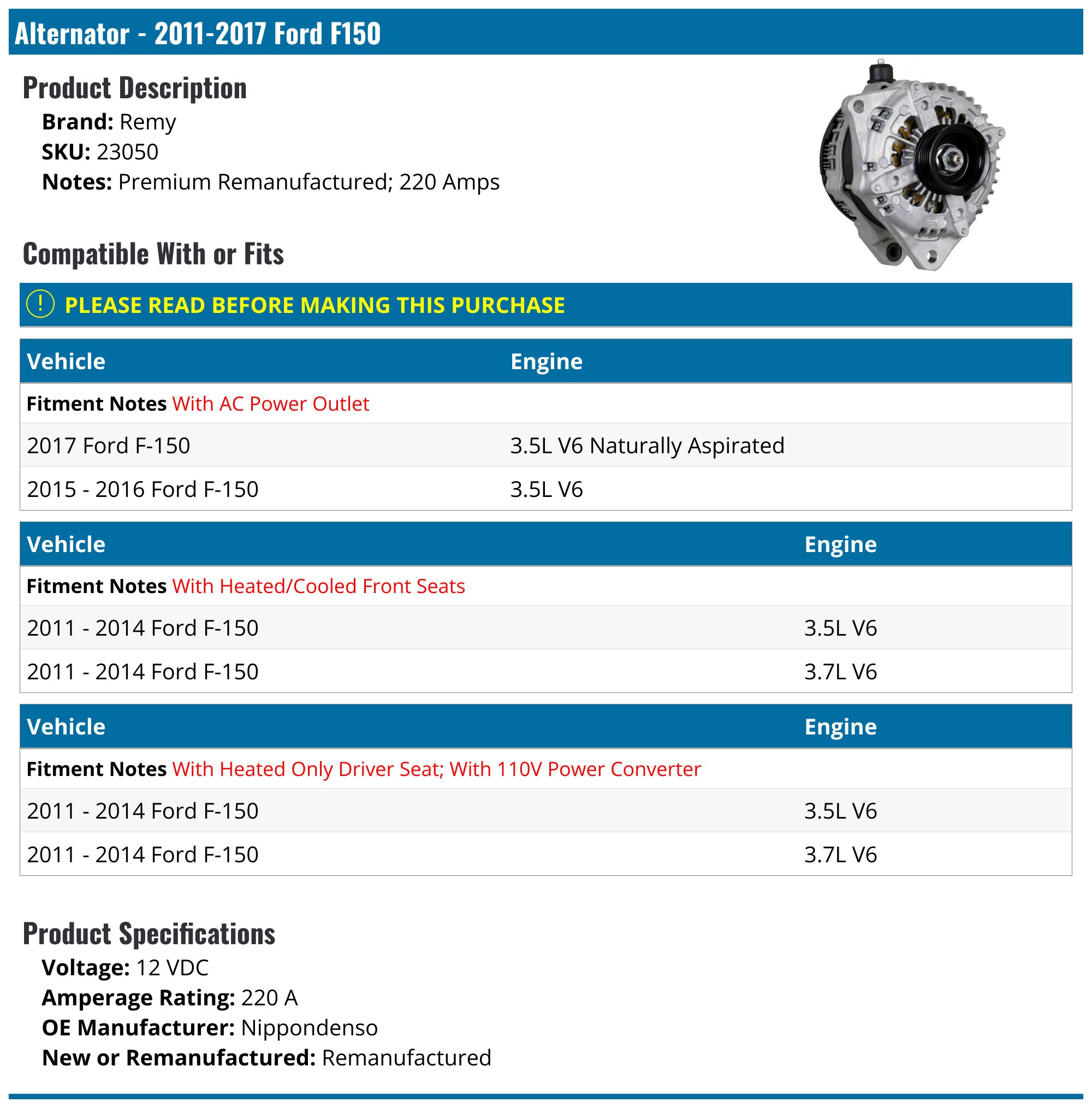
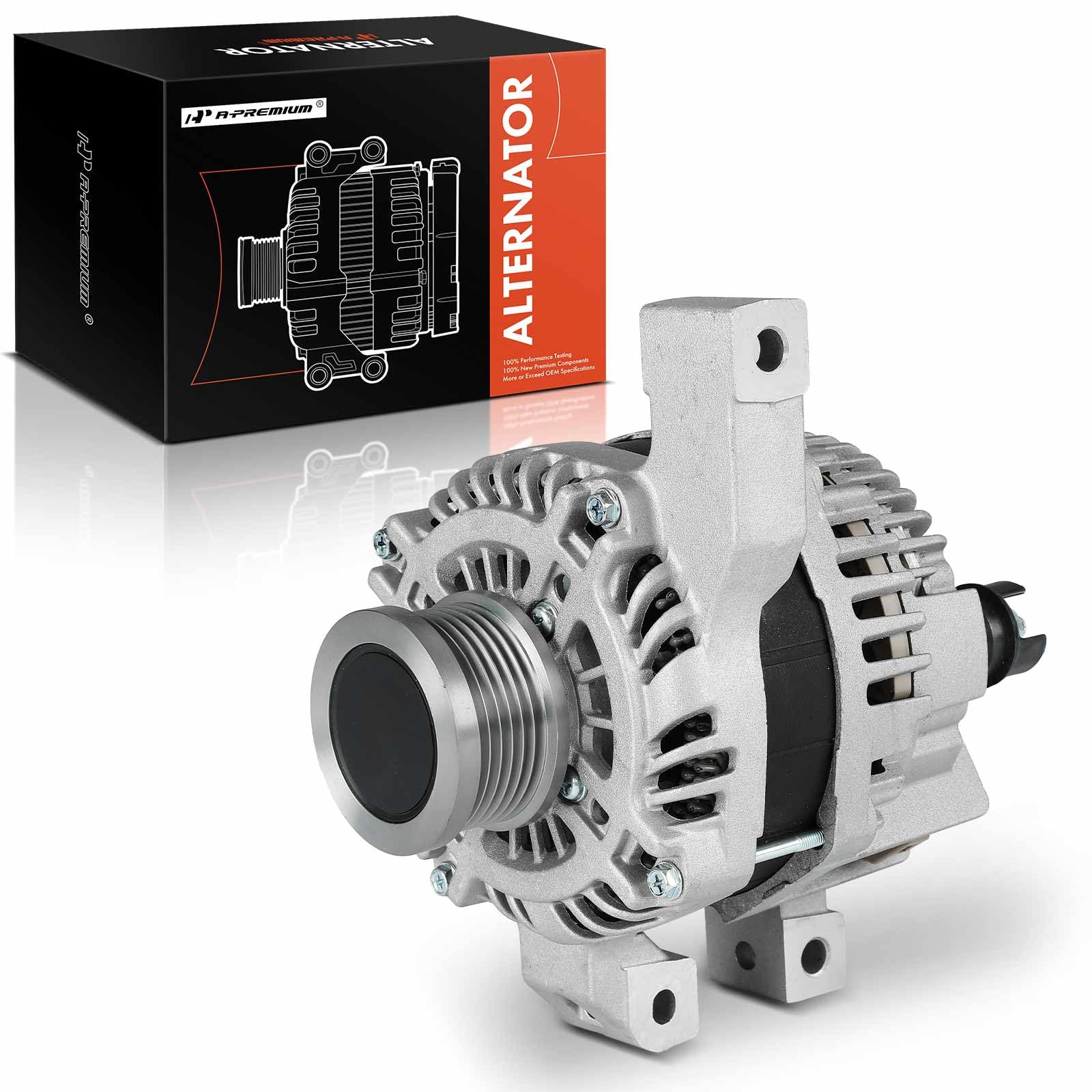
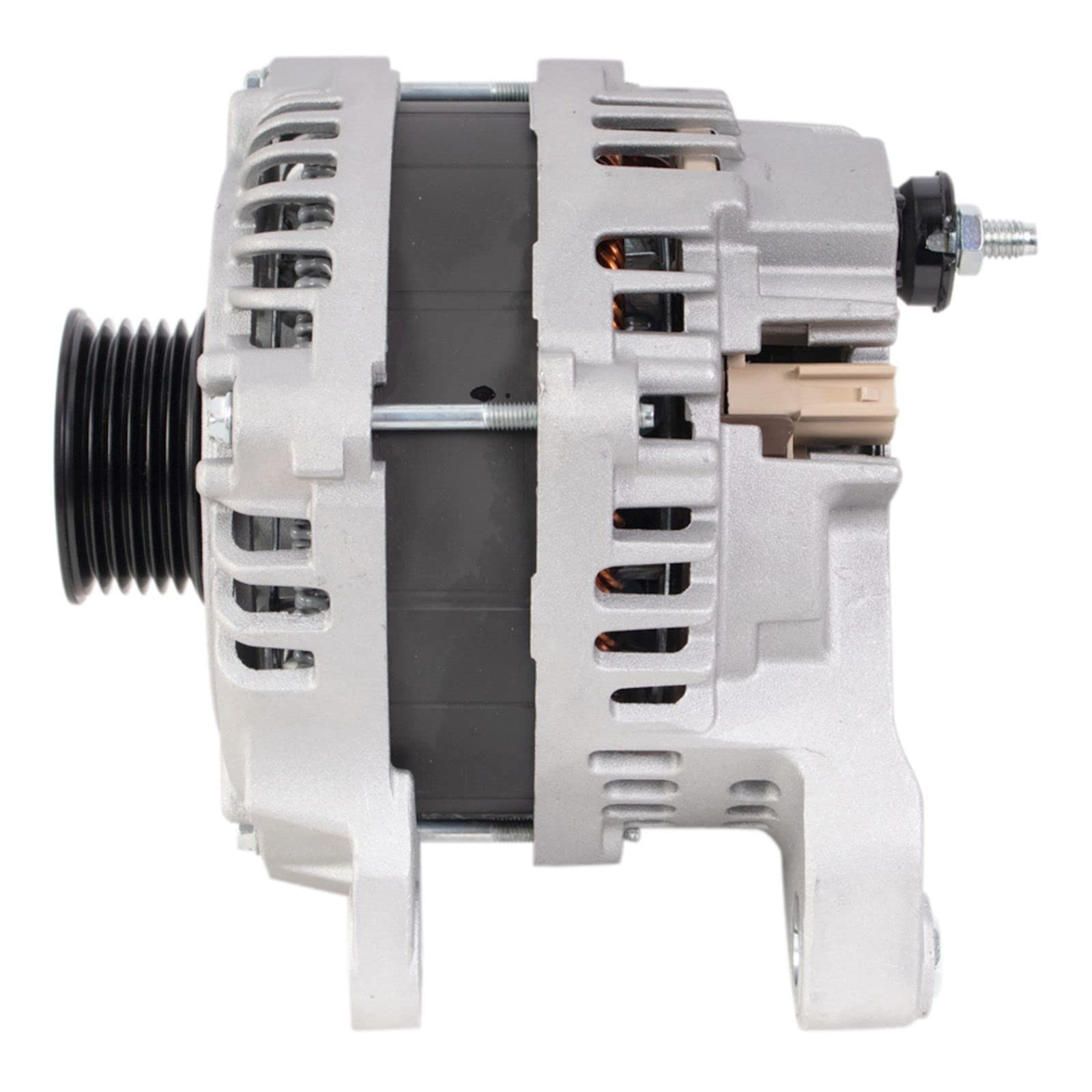
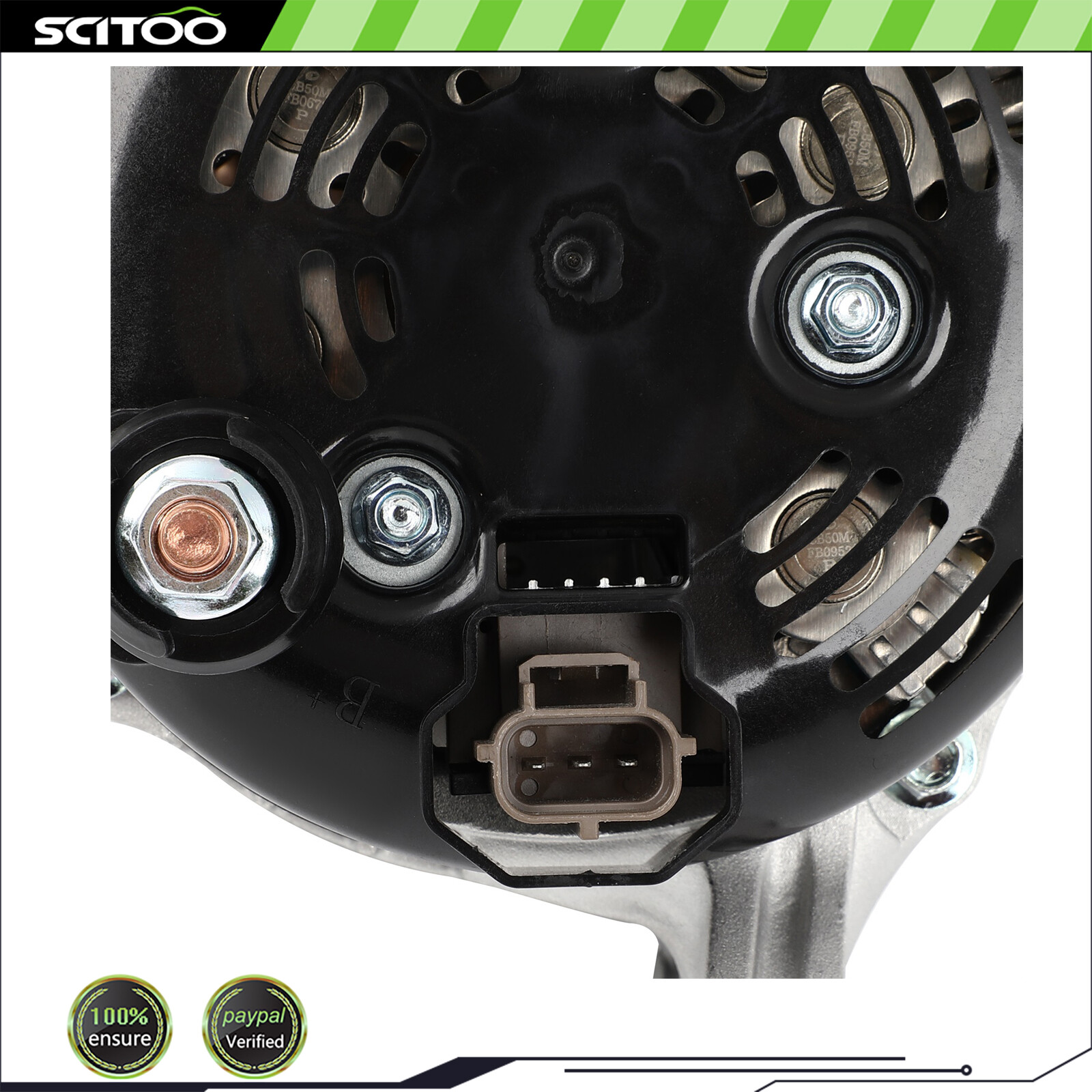
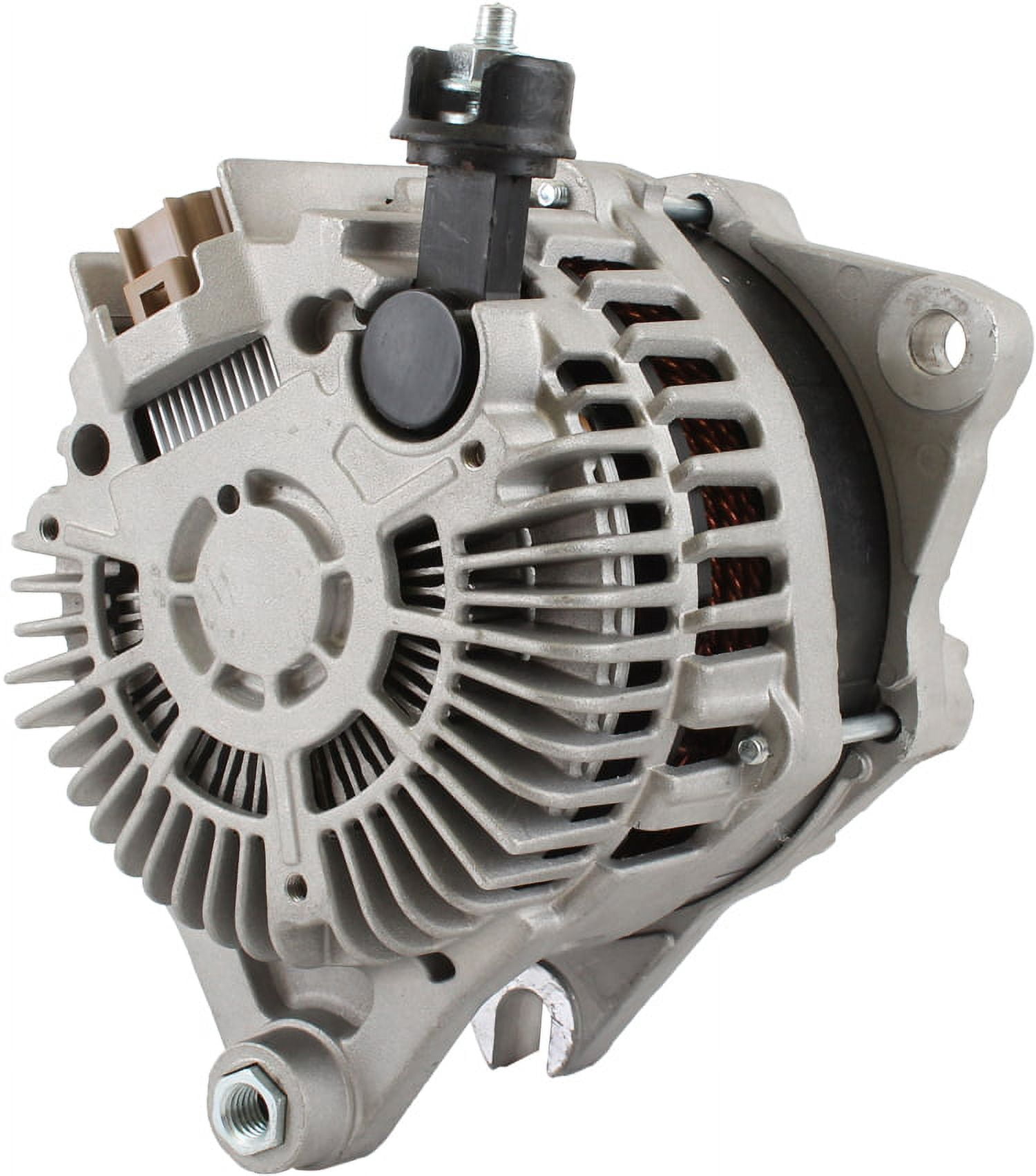
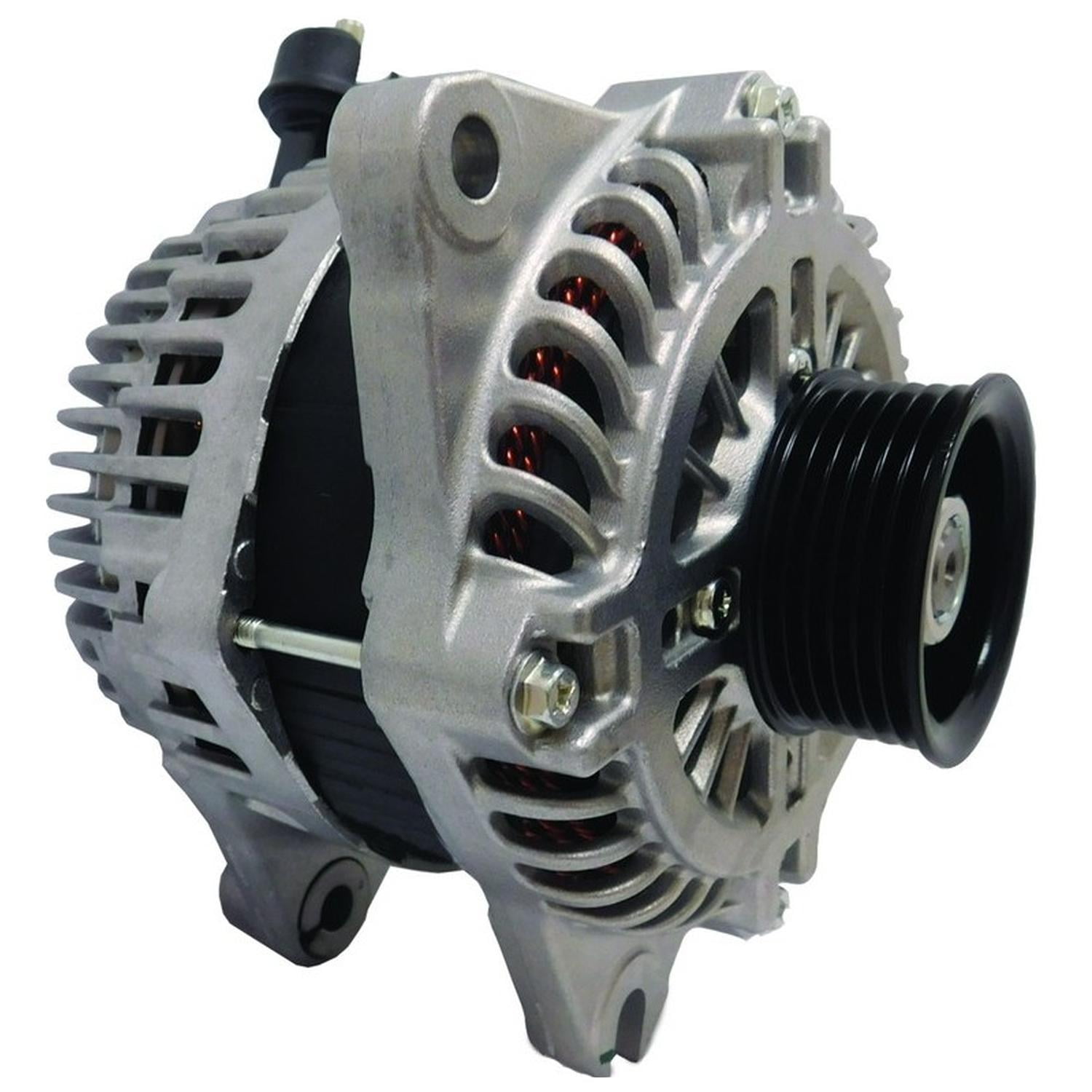
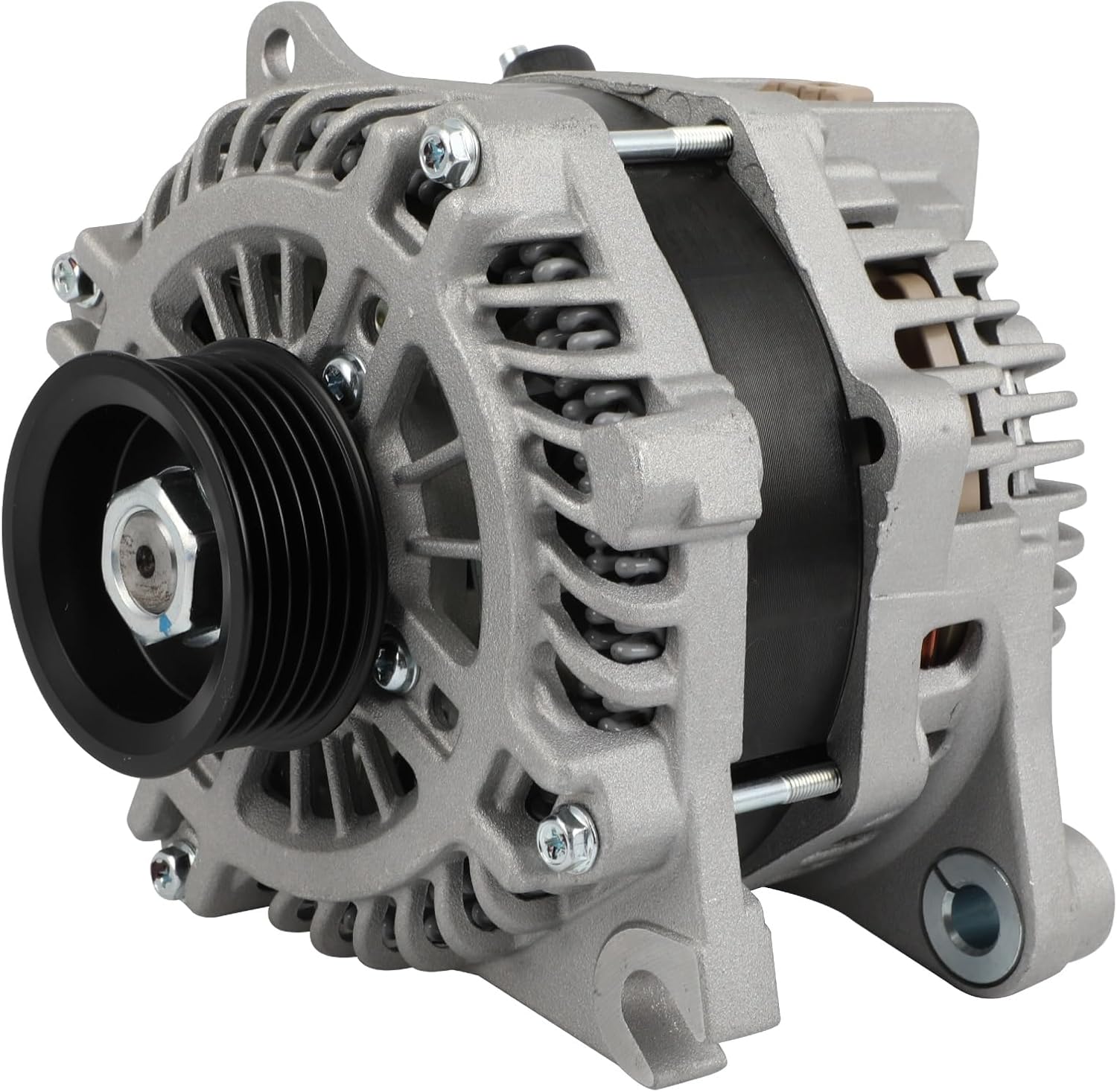
Replacing the alternator on a 2011 Ford Edge generally costs between $650 and $1,100 when performed by a professional mechanic, depending on regional labor rates and the choice between OEM or aftermarket parts. DIY enthusiasts can significantly reduce this expense, often completing the repair for the cost of the part alone, which typically ranges from $250 to $500.
The 2011 Ford Edge is a reliable mid-sized crossover, but as these vehicles age, the electrical charging system—centered around the alternator—becomes a common failure point. Because the alternator is responsible for both recharging the battery and powering the vehicle's electrical components while the engine is running, a failure often leaves the driver stranded. Understanding the financial and technical commitment required to address this repair is essential for any 2011 Ford Edge owner.
Understanding the Alternator’s Role and Failure Signs
The alternator is essentially a small generator driven by the engine's serpentine belt. It converts mechanical energy into electrical energy, keeping the 12-volt battery charged and supplying the necessary current for the fuel pump, lighting, infotainment system, and climate control.
When an alternator begins to fail, the symptoms are rarely subtle. Recognizing these signs early can save you from a complete breakdown. Common indicators include:
- Dashboard Warning Lights: A battery-shaped icon or a "Check Charging System" message on the instrument cluster is the most direct indicator.
- Dimming or Flickering Lights: If the interior dome lights or headlights appear dimmer than usual or flicker when the engine RPM changes, the alternator is likely failing to maintain a constant voltage.
- Electrical Gremlins: Because modern vehicles are computer-dependent, low voltage can cause erratic behavior in the transmission shifting, dashboard gauges, or power windows.
- Strange Noises: A grinding or whining sound coming from the engine bay, specifically near the alternator, often indicates failing internal bearings.
- The Smell of Burning Rubber: A seized alternator pulley creates excessive friction, which can lead to a burning smell from the serpentine belt.
Cost Breakdown: Professional Repair vs. DIY
When budgeting for this repair, it is helpful to categorize costs into parts and labor. Repair shops typically mark up the cost of parts to cover inventory management and warranty administration, and they charge for labor based on the time allotted in industry-standard repair guides.
Professional Repair Costs
At a dealership or an independent mechanic, labor accounts for a significant portion of the total. The 2011 Ford Edge has a relatively complex engine bay layout, meaning access to the alternator can be time-consuming.
- Labor Time: Expect between 2.5 and 4 hours of billed labor time.
- Hourly Rates: Rates vary by region, ranging from $100 to $200 per hour.
- Parts Costs: High-quality remanufactured alternators cost between $300 and $450, while brand-new OEM units from Ford can exceed $500.
DIY Savings
If you choose to perform the replacement yourself, you eliminate the labor cost entirely. However, you must account for the time required and the potential need for specific tools, such as a serpentine belt tool. Ensure you have a safe space to work, as the vehicle will need to be raised and secured properly.
Cost Comparison Table
| Service Type | Estimated Parts Cost | Estimated Labor Cost | Total Estimated Cost |
|---|---|---|---|
| Independent Mechanic | $300–$500 | $300–$600 | $600–$1,100 |
| Ford Dealership | $450–$650 | $450–$800 | $900–$1,450 |
| DIY Replacement | $250–$500 | $0 | $250–$500 |
Technical Considerations and Prerequisites
The 2011 Ford Edge was available with different engine configurations, most notably the 3.5L V6 and the 2.0L EcoBoost. The location and accessibility of the alternator vary significantly between these power plants.
Before starting, it is crucial to verify the exact engine type in your vehicle. For the 3.5L V6, the alternator is located on the front of the engine, but removing it often requires moving other components to create enough clearance to extract the unit from the engine compartment.
Safety Prerequisites:
- Disconnect the Battery: Always disconnect the negative battery terminal before touching the alternator. The alternator’s main output terminal is connected directly to the battery and carries a high-current load that can cause severe sparking or electrical burns.
- Belt Tension Management: You will need a serpentine belt tool to relieve tension on the belt before removing it from the alternator pulley.
- Proper Jacking: If you need to access the alternator from underneath, ensure the vehicle is supported by jack stands, never a hydraulic jack alone.
Common Mistakes to Avoid
Many owners attempt this repair and find themselves facing secondary issues due to oversight. The most frequent error is neglecting the battery condition. If your alternator failed because it was overworked by an aging or shorted battery, installing a new alternator without replacing the battery may result in the new unit failing prematurely.
Another common mistake involves the "core charge." When purchasing a replacement alternator, most vendors charge a "core fee" (typically $50–$100). This is a deposit that is returned to you when you bring your old, broken alternator back to the store. Many DIYers forget to return the core and lose this deposit.
Finally, ensure that all electrical connections—especially the main charging wire—are cleaned and tightened. A loose connection causes high resistance, which leads to heat buildup and premature failure of the new alternator.
Choosing the Right Replacement Part
When selecting an alternator, you will generally have three options:
- OEM (Original Equipment Manufacturer): These are parts designed specifically for the Ford Edge. They are the most reliable but often the most expensive.
- Remanufactured: These are original units that have been professionally rebuilt with new bearings, brushes, and diodes. They are a popular middle-ground choice.
- Aftermarket New: Produced by third-party manufacturers, these vary wildly in quality. Stick to reputable brands to avoid "cheap" units that may produce electrical noise or fail within a year.
Frequently Asked Questions
Will a bad alternator drain my battery overnight?
Yes. A faulty internal diode can allow current to flow backward from the battery through the alternator while the engine is off. This creates a "parasitic draw" that will drain the battery, often leaving you with a no-start condition in the morning.
Do I need to replace the serpentine belt at the same time?
It is highly recommended. Since you already have the belt removed to reach the alternator, the cost of a new belt (roughly $25–$40) is negligible compared to the labor cost of having to remove the belt again later if it breaks.
Can I drive with a failing alternator?
It is not recommended. Once the alternator stops charging, you are running entirely on battery power. Once that battery reaches a critical low voltage, the engine will stall, the power steering will fail, and the braking system's vacuum assist may be compromised.
How do I verify if the alternator is truly the problem?
Use a multimeter to measure the battery voltage while the engine is running. A healthy charging system should show between 13.5 and 14.8 volts at the battery terminals. If the reading is 12.6 volts or lower while the engine is idling, the alternator is not charging.
Are there any software resets required after replacement?
In some 2011 Ford Edge models, the Battery Management System (BMS) may need to be reset using an OBD-II diagnostic tool after a battery or alternator replacement to ensure the charging profile is optimized for the new component.
Professional Recommendation
If you have basic mechanical experience, access to a set of sockets, and a free afternoon, the DIY route is the most cost-effective path for a 2011 Ford Edge alternator replacement. However, if you are uncomfortable working with high-amperage electrical systems or struggle with the tight clearances of the engine bay, seek out a trusted independent mechanic. Always ask for a warranty on both the part and the labor—typically 12 months or 12,000 miles is the industry standard—to protect your investment.