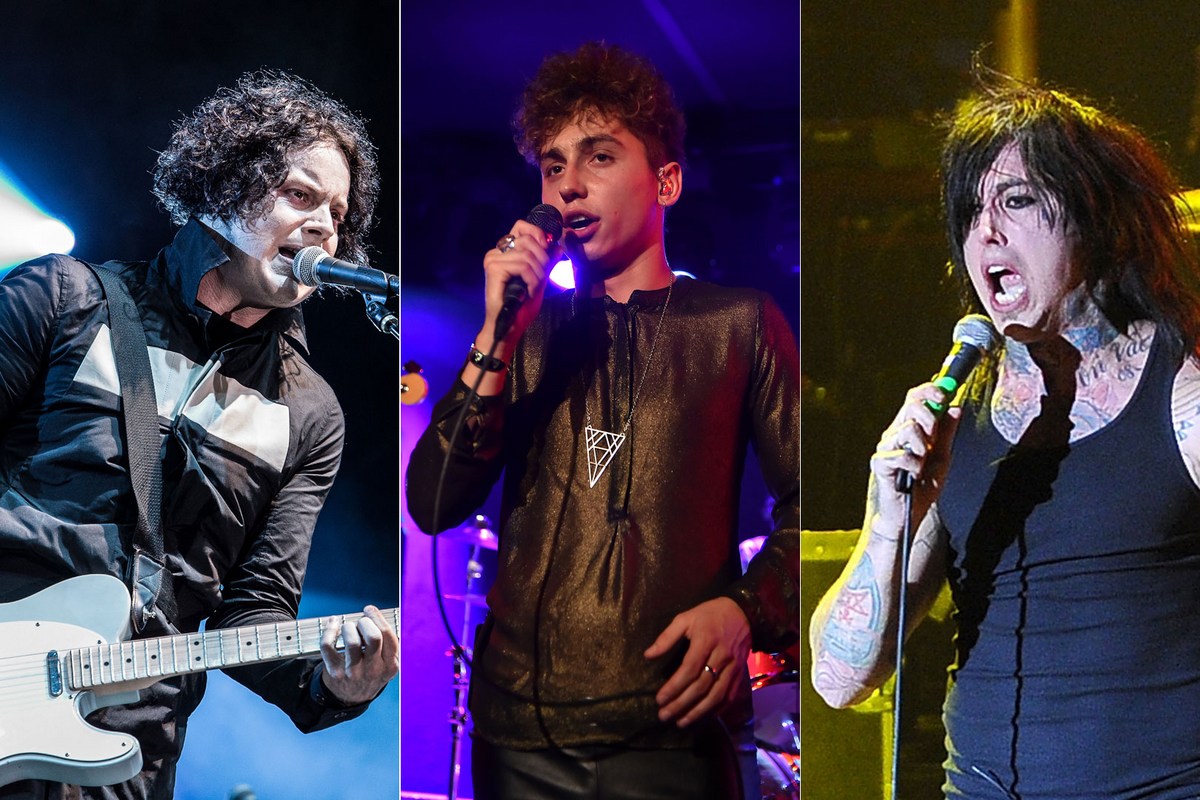
The 2010s represented a transformative decade for the pop music landscape, characterized by the rise of social media-driven stardom, the diversification of sub-genres, and the global dominance of boy bands and vocal groups. This era bridged the gap between traditional radio-led success and the streaming-first consumption model that defines music consumption in 2026.
The Defining Characteristics of 2010s Pop
To understand the bands of the 2010s, one must first recognize the industry shift that occurred during this period. The early part of the decade saw a resurgence of the "boy band" phenomenon, modeled after the successful blueprints of the 1990s but amplified by the internet. Fans no longer waited for televised appearances; they engaged in real-time conversation on platforms like Twitter and Tumblr, creating global, highly mobilized fanbases.
Musically, the decade began with heavy electronic dance music (EDM) influences—often referred to as "the EDM boom"—which gradually matured into more nuanced, atmospheric, and trop-pop-infused sounds. Bands of this era were frequently defined by their visual aesthetics, carefully curated social media personas, and the ability to pivot between high-energy pop anthems and stripped-back acoustic ballads.
Key Musical Entities and Success Stories
Several groups rose to prominence during this timeframe, cementing their legacies through record-breaking tours and chart-topping singles.
One Direction: The Global Standard
Emerging from the 2010 season of The X Factor UK, One Direction became the template for the modern pop group. Their trajectory—from reality competition hopefuls to a multi-platinum touring powerhouse—demonstrated the power of the internet in mobilizing a fanbase. By the time they entered their indefinite hiatus in 2016, they had successfully transitioned from bubblegum pop to a more mature, rock-influenced sound, setting the stage for the solo careers of Harry Styles, Niall Horan, Liam Payne, Louis Tomlinson, and Zayn Malik.
Fifth Harmony and Little Mix: The Vocal Group Renaissance
Parallel to the boy band boom, the industry saw a resurgence of female vocal groups. Fifth Harmony, formed on the U.S. version of The X Factor in 2012, brought a distinct R&B-infused pop sound to the mainstream. Simultaneously, Little Mix became a dominant force in the United Kingdom and globally, characterized by their intricate vocal harmonies and empowering lyrical themes. Both groups faced the challenges of maintaining group cohesion during a decade that increasingly favored solo branding, yet both left an indelible mark on the pop charts.
The 1975: Genre-Bending and Critical Acclaim
Not all 2010s pop bands followed the reality show trajectory. The 1975, hailing from Wilmslow, England, redefined the concept of a "pop band" by blending elements of 80s synth-pop, indie rock, and jazz-funk. Their introspective, often cynical lyrics provided a counterpoint to the polished, upbeat sounds of their contemporaries. They proved that a band could maintain a large, cult-like following while simultaneously achieving significant commercial success in the pop sphere.
Comparative Analysis: Approaches to Stardom
The following table outlines the diverse methods by which these groups navigated the music industry during the 2010s.
| Band Name | Formation Origin | Primary Musical Style | Key Market Impact |
|---|---|---|---|
| One Direction | Reality TV (UK) | Pop / Pop Rock | Global teen-pop dominance |
| Little Mix | Reality TV (UK) | Pop / R&B | Vocal harmony revival |
| Fifth Harmony | Reality TV (USA) | Dance-Pop / R&B | Digital streaming success |
| The 1975 | Independent | Synth-Pop / Indie | Critical acclaim / Genre-blending |
| 5 Seconds of Summer | Social Media | Pop Rock | Bridged pop and rock audiences |
Technological Requirements and Shift to Streaming
The success of 2010s pop bands was inextricably linked to the technology of the time. The transition from physical media and digital downloads (iTunes) to subscription-based streaming (Spotify, Apple Music) changed how these groups measured success.
- Social Media Engagement: Bands that mastered the art of "relatability" on Twitter and Instagram often saw the most consistent growth. Providing behind-the-scenes content allowed for a parasocial connection that translated into ticket and merchandise sales.
- Short-Form Content: By the late 2010s, the rise of platforms like Musical.ly (which later became TikTok) began to influence song structure. Pop bands started writing tracks with "hook-first" designs, ensuring songs were optimized for 15-second viral clips.
- The Global Tour Economy: As recorded music revenue declined due to piracy and the slow transition to streaming, touring became the primary income source. The 2010s saw the professionalization of the "mega-tour," where production value, stage design, and fan experiences became as important as the setlist.
Challenges Faced by Groups in the 2010s
Maintaining a band structure in the 2010s was fraught with difficulty. The pressure of constant digital exposure often led to burnout. Furthermore, the industry machinery often encouraged the "solo pivot," where managers and labels might view group members as more valuable individually than as a collective.
- Public Scrutiny: Unlike previous decades, every member's personal life was subjected to 24/7 analysis by fans on social media.
- Creative Autonomy: Many groups faced the challenge of being pigeonholed into specific "character archetypes" by marketing teams, often leading to internal friction as members sought to express their individual artistic identities.
- Contractual Shifts: The 2010s saw a greater emphasis on individual publishing deals, even within bands, which often created long-term structural instability.
Troubleshooting: Assessing Your Collection or Knowledge
If you are looking to revisit this era, the most effective approach is to utilize curated discographies rather than relying on randomized playlists. Most streaming platforms as of 2026 have dedicated "The Sound of the 2010s" portals that highlight these artists. When verifying information about these bands, prioritize official record label archives or verified autobiographical accounts, as internet fandom sites often prioritize rumors over confirmed industry events.
Frequently Asked Questions
Which band defined the sound of 2010s pop? While many groups were influential, One Direction is widely considered the defining pop band of the decade due to their record-breaking commercial performance, global tour statistics, and the sheer volume of their impact on pop culture trends during the 2011–2015 period.
Why did so many 2010s pop bands break up? Most breakups or "hiatuses" in the 2010s were driven by a combination of extreme touring exhaustion, the desire for individual creative exploration, and the financial incentive structure of the music industry, which often rewards solo endeavors more highly after a group has established a brand.
Are 5 Seconds of Summer considered a boy band? While they rose to fame supporting One Direction, they are technically a pop-rock band. They write their own music and play their own instruments, which historically differentiates them from the traditional boy band definition, though they occupy the same cultural space.
How did streaming change the music of this era? Streaming shifted the focus from selling albums to individual track performance. This led to shorter, more focused song structures and a decline in the "album-filler" culture that was prevalent in the early 2000s.
What is the legacy of 2010s pop bands in 2026? The legacy lies in the democratization of fan interaction. The communication methods established by these groups—direct-to-fan engagement via apps and social media—are now the industry standard for every artist, regardless of genre or status.
Next Actions for Enthusiasts
For those interested in exploring the 2010s music scene further, begin by cross-referencing major Billboard or Official Charts Company end-of-decade reports. By examining the year-end "Top Groups" charts between 2010 and 2019, you can identify the specific tracks that dominated radio and streaming. If you are conducting research for a project, prioritize interviews from the 2015–2019 period, as these often contain the most candid reflections on the pressures of the pop machine during the height of these bands' fame.