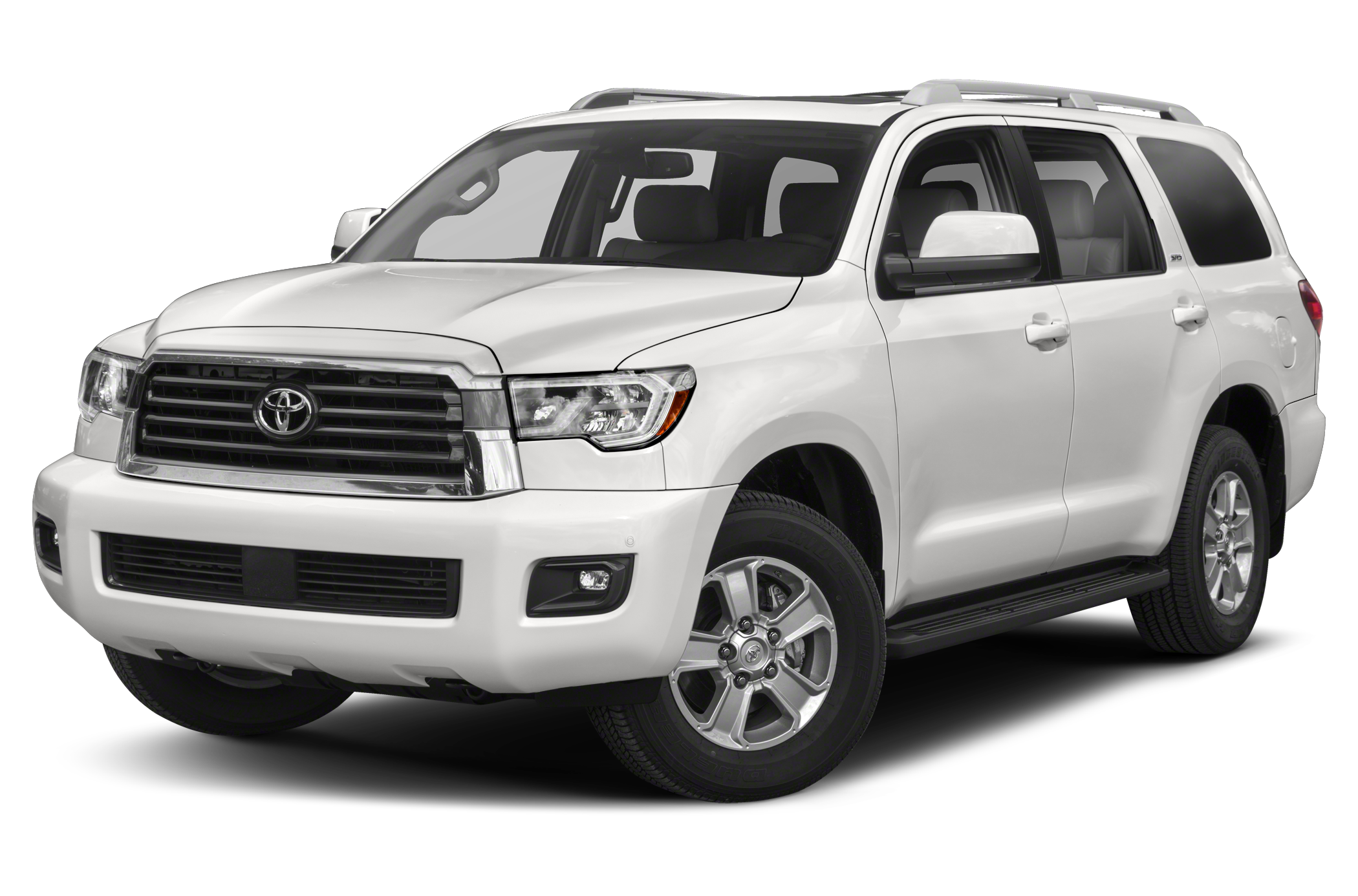
The 2010 Toyota Sequoia, a full-size SUV built on the Tundra platform, generally achieves an EPA-estimated 14 to 15 miles per gallon (MPG) in combined city and highway driving. While these figures represent the official baseline for the 4.6L and 5.7L V8 engines, actual fuel efficiency varies significantly based on powertrain configuration, towing habits, cargo load, and driving conditions.
The 2010 Toyota Sequoia remains a formidable presence on the road, celebrated for its rugged construction, cavernous interior, and towing capacity. However, as gasoline prices fluctuate and vehicle longevity becomes a priority for owners, the question of fuel efficiency moves to the forefront of maintenance and operational planning. Understanding why this vehicle consumes fuel at its current rate requires a deep dive into the engineering choices Toyota made in the late 2000s, specifically regarding engine displacement and transmission gearing.
Technical Specifications and Engine Variants
The 2010 Sequoia was marketed with two distinct engine options, both of which define its fuel economy profile.
The 4.6L i-FORCE V8
Introduced as the successor to the 4.7L engine, the 4.6L V8 was designed to offer improved efficiency and power. In rear-wheel drive (RWD) configurations, this engine is often cited as the most "efficient" of the lineup, though efficiency is relative in a vehicle of this weight class. It utilizes an intelligent variable valve timing system (VVT-i) to optimize combustion. While it offers a slight edge in fuel consumption, it is still tasked with moving a curb weight exceeding 5,700 pounds, which naturally limits how much "fuel savings" a driver can realize.
The 5.7L i-FORCE V8
The 5.7L engine is the hallmark of the Sequoia’s capability. It is a workhorse engine designed for maximum torque output, which is essential for towing trailers, boats, or campers. From an engineering perspective, this engine operates under a constant load due to the vehicle's mass. The fuel economy for the 5.7L variant is consistently lower than the 4.6L, particularly in stop-and-go city traffic where the vehicle must overcome significant inertia from a standstill.
EPA Estimates vs. Real-World Driving
The Environmental Protection Agency (EPA) provides a standardized testing framework, but these numbers often differ from the experiences of owners who use the Sequoia for its intended purpose: hauling, towing, and family transport.
Factors Influencing Your Fuel Economy
- Aerodynamic Drag: The Sequoia has a large, upright frontal area. At highway speeds (typically above 65 mph), wind resistance increases exponentially. Driving at 75 mph rather than 65 mph can reduce fuel economy by several percentage points.
- Towing and Payload: When towing, the engine remains in a higher RPM range for longer durations to maintain torque. Under these conditions, "MPG" becomes a secondary concern to the vehicle's cooling and braking systems.
- Tire Specifications: Many owners opt for aggressive, all-terrain tires to enhance the Sequoia’s off-road aesthetic. These tires are typically heavier and have a higher rolling resistance than the factory-spec all-season highway tires, which can result in a measurable drop in fuel economy.
- Idle Time: Large V8 engines consume a significant amount of fuel while idling. If the vehicle is used for school drop-offs or sits in heavy traffic, the "average MPG" will plummet because the distance traveled remains zero while fuel consumption continues.
Comparative Fuel Efficiency Table
The following table provides the generalized EPA estimates for the 2010 model year. Please note that these are estimates for well-maintained vehicles operating under ideal conditions.
| Engine | Drivetrain | City MPG | Highway MPG | Combined MPG |
|---|---|---|---|---|
| 4.6L V8 | RWD | 14 | 19 | 16 |
| 4.6L V8 | 4WD | 13 | 18 | 15 |
| 5.7L V8 | RWD | 13 | 18 | 15 |
| 5.7L V8 | 4WD | 13 | 17 | 14 |
Maintenance for Optimal Fuel Consumption
To keep a 2010 Toyota Sequoia performing as close to its factory potential as possible, systematic maintenance is required. As the vehicle ages, secondary factors become more impactful than when the car was brand new.
Oxygen Sensors and Catalytic Converters
The 2010 Sequoia uses multiple oxygen sensors to monitor the exhaust stream and adjust the air-fuel ratio. If these sensors become sluggish or "lazy" due to age, the engine control unit (ECU) may default to a "rich" mixture, meaning it injects more fuel than necessary. Replacing degraded sensors often restores lost fuel economy.
Fuel System Cleaning
Over the course of 15+ years, fuel injectors can develop carbon deposits that disrupt the spray pattern of the gasoline. A fine mist is necessary for complete combustion; if the spray is uneven or dripping, fuel efficiency drops and engine performance degrades. Professional fuel system cleaning or the periodic use of high-quality fuel additives can mitigate these issues.
Transmission Fluid
The Sequoia’s transmission is critical to its efficiency. If the transmission fluid has degraded, the torque converter may not lock up as efficiently as intended, leading to "slippage." This slippage translates directly into wasted kinetic energy and heat, reducing overall fuel efficiency.
Common Mistakes That Lower Mileage
Many owners unintentionally reduce their fuel economy through common habits or modifications:
- Under-inflated Tires: Tires that are 5-10 PSI below the recommended cold inflation pressure significantly increase rolling resistance. Regularly checking tire pressure against the manufacturer’s door-jamb placard is the simplest way to maintain efficiency.
- Excessive Cargo: Carrying unnecessary items in the trunk or cargo area adds weight that the engine must constantly accelerate. For every 100 pounds of excess weight, fuel economy can drop by roughly 1-2%.
- Roof Racks and Accessories: Empty roof racks create turbulence and drag. If a roof box or rack is not in use, removing it will yield a noticeable improvement in highway fuel economy.
Expert Guidance: How to Monitor Your Real-World MPG
Rather than relying on the vehicle's dashboard computer, which can be inaccurate, use the manual "mile-per-gallon" calculation method to track your specific vehicle's health:
- Fill your fuel tank until the pump clicks off automatically.
- Reset your trip odometer to zero.
- Drive your vehicle as you normally would until the next fill-up.
- Fill the tank again, recording the exact number of gallons added.
- Divide the number of miles driven on the trip odometer by the number of gallons added.
If your calculated result is consistently more than 2-3 MPG lower than the combined EPA estimate, it may be an indication of an underlying mechanical issue, such as a sticking brake caliper, a vacuum leak, or a failing spark plug, rather than just the nature of the vehicle.
Frequently Asked Questions
Does premium fuel improve the gas mileage of a 2010 Toyota Sequoia?
No. The engine management system is calibrated for 87-octane regular gasoline. Using premium fuel will not improve performance or fuel economy, nor will it clean the engine more effectively than a high-quality top-tier gasoline.
Does 4WD mode significantly decrease fuel economy?
Yes. Engaging the 4WD system adds mechanical drag because the engine must drive both the front and rear differentials, as well as the transfer case. It is recommended to use 4WD only when road conditions necessitate it.
How much does towing impact the 2010 Sequoia's MPG?
Towing will cause a significant drop in fuel economy, often resulting in 8-11 MPG. This depends heavily on the frontal area of the trailer and the total weight being towed.
Can aftermarket exhaust systems improve gas mileage?
Most aftermarket "cat-back" exhaust systems are designed for sound rather than efficiency. While they may slightly reduce backpressure, the stock exhaust system is already highly optimized for the engine's power band. The potential gains are usually negligible.
Is it normal for my 2010 Sequoia to get worse mileage in the winter?
Yes. During colder months, engines take longer to reach operating temperature. Furthermore, winter-blend gasoline often has a different energy content, and increased use of the heater (which runs the A/C compressor for defrosting) contributes to higher fuel usage.
Should I use synthetic oil to help with fuel economy?
Yes. Using high-quality synthetic oil of the correct viscosity (usually 0W-20 or 5W-20, as specified in your owner’s manual) reduces internal engine friction compared to conventional oils. This can provide a very modest but beneficial increase in fuel efficiency over the long term.
Final Recommendation
The 2010 Toyota Sequoia is a robust vehicle designed for utility, not for hyper-miling. If you are struggling with lower-than-expected fuel economy, begin by checking your tire pressure and performing a basic tune-up—specifically focusing on spark plugs and air filters. If these basics are addressed and the mileage remains poor, have a technician check for "stored" trouble codes that might indicate an inefficient catalytic converter or a faulty mass airflow sensor. Prioritize these mechanical health indicators over aftermarket modifications, as a well-maintained stock engine will almost always deliver the best possible balance of power and efficiency for this platform.