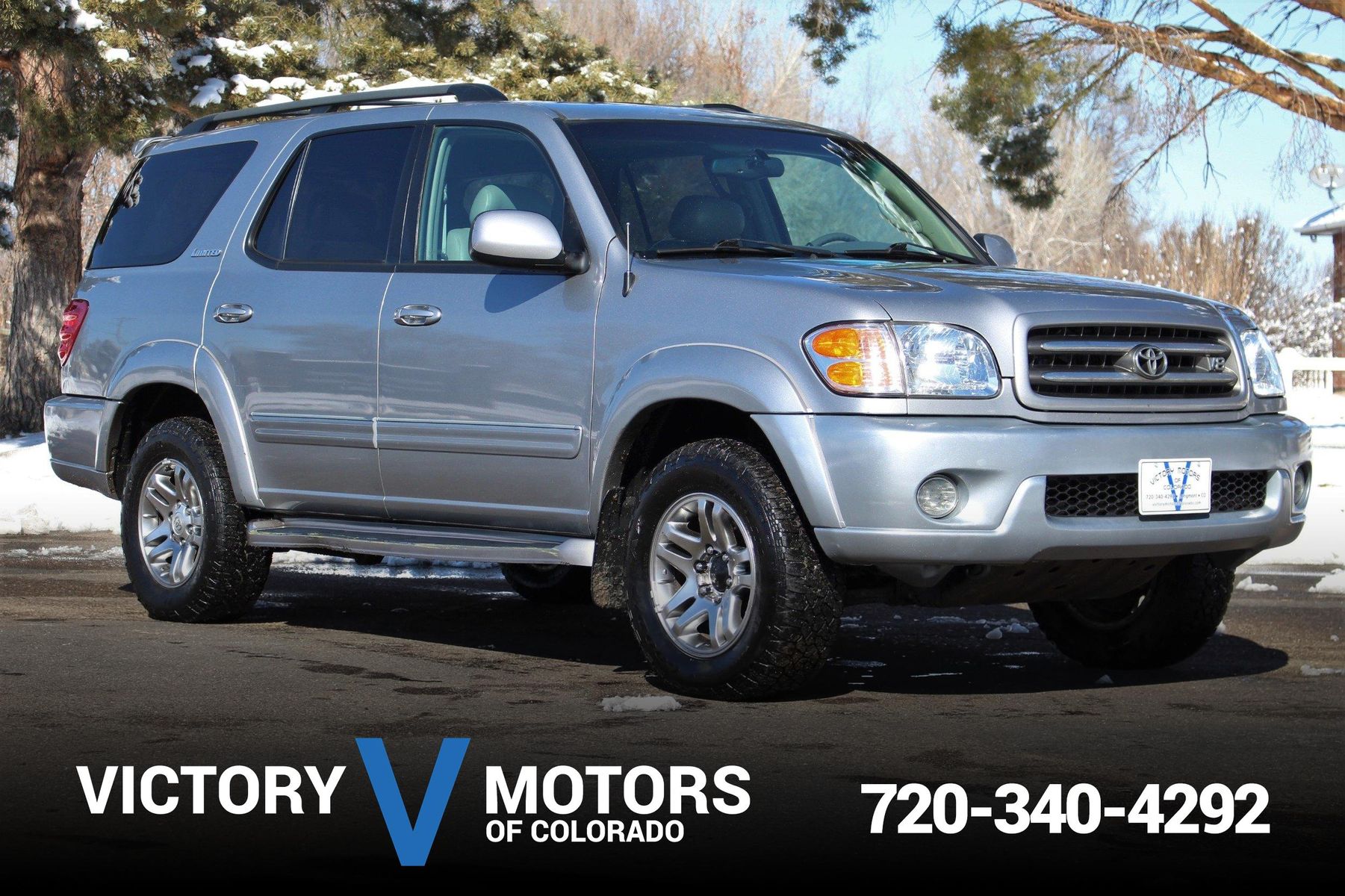
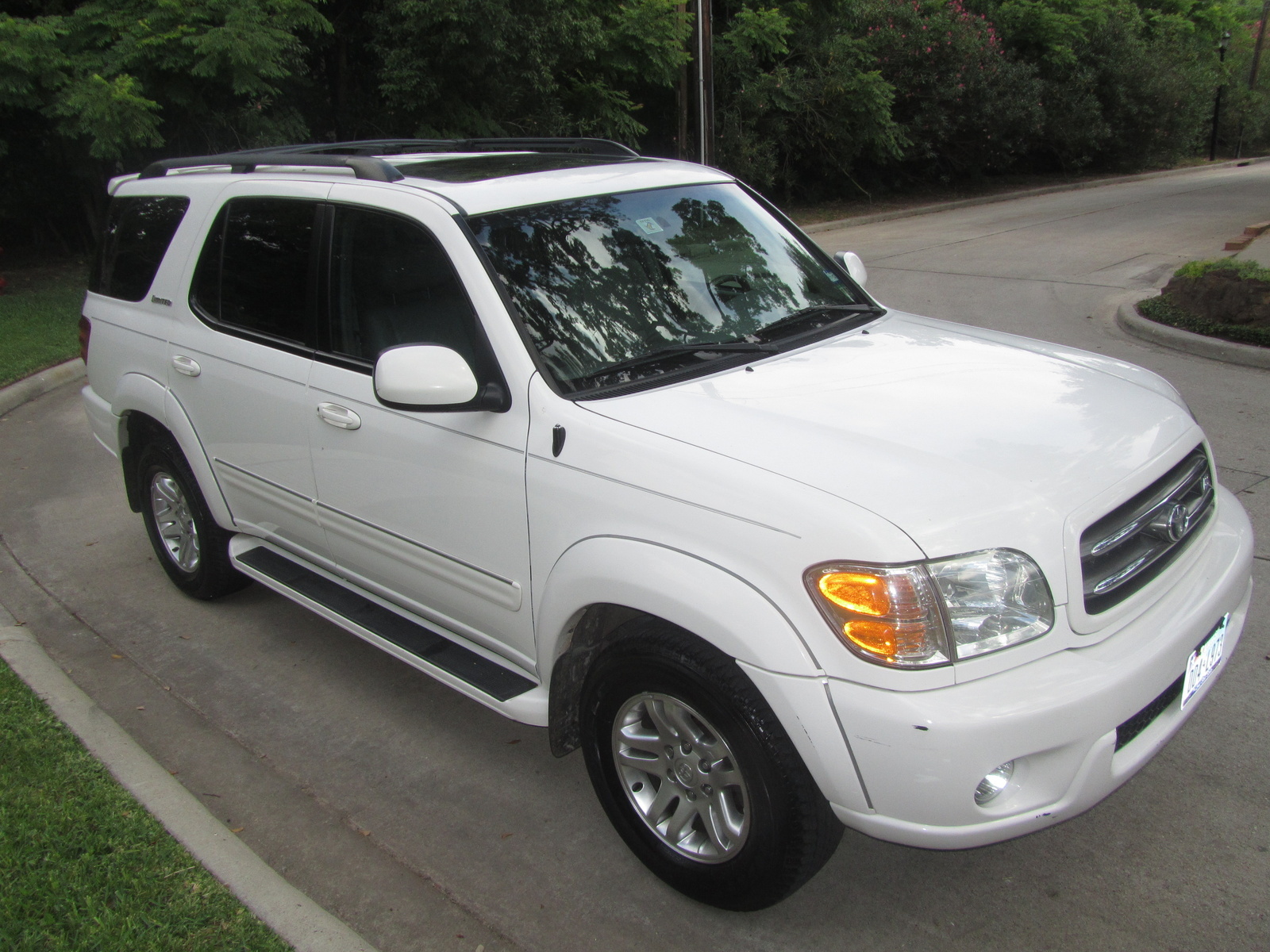
The factory wheel size for a 2004 Toyota Sequoia typically depends on the vehicle's trim level—either the SR5 or the Limited. Standard configurations feature 16-inch alloy wheels wrapped in 265/70R16 tires, while higher trims or optional packages often upgrade to 17-inch wheels with 265/65R17 tires, utilizing a 6x139.7mm (6x5.5-inch) bolt pattern, a 106.1mm center bore, and positive offsets ranging from +15mm to +25mm.
Understanding the wheel size of a 2004 Toyota Sequoia is essential for anyone looking to replace worn-out rims, upgrade to aftermarket wheels, or install larger tires for off-road performance. As a first-generation full-size SUV built on the Toyota Tundra truck platform, the 2004 Sequoia possesses specific mechanical clearances, suspension limits, and load-rating demands. Selecting the correct wheel dimensions ensures that your vehicle maintains proper handling, speedometer accuracy, load-carrying capabilities, and clearance against critical components like brake calipers and suspension arms.
Factory Wheel Specifications by Trim Level
The 2004 Toyota Sequoia came from the factory in two primary trim levels: the SR5 and the Limited. Both trims could be configured with either rear-wheel drive (RWD) or four-wheel drive (4WD), which influenced standard equipment packages. However, the physical wheel and tire combinations were primarily determined by trim package choices and optional upgrades rather than the drivetrain layout alone.
The base SR5 model commonly rolled off the assembly line with 16-inch silver-painted alloy wheels. These wheels were paired with 265/70R16 passenger or all-terrain tires. The Limited trim frequently featured upgraded 17-inch split-spoke alloy wheels wearing 265/65R17 tires. Some owners also opted for factory chrome packages or distinct aluminum finishes offered through Toyota dealerships during the vehicle's production run.
| Trim Level | Standard Wheel Size | Factory Tire Size | Bolt Pattern | Center Bore | Offset Range |
|---|---|---|---|---|---|
| SR5 (Base) | 16 x 7.0 inches | 265/70R16 | 6 x 139.7 mm | 106.1 mm | +15 mm to +20 mm |
| Limited (Upgraded) | 17 x 7.5 inches | 265/65R17 | 6 x 139.7 mm | 106.1 mm | +15 mm to +25 mm |
Reviewing these factory parameters provides a safe baseline. Deviating too far from these specifications without proper mechanical modifications can introduce clearance issues, steering feedback problems, and premature wear on wheel bearings and suspension joints.
Decoding Wheel Metrics: Diameter, Width, and Bolt Pattern
To successfully shop for replacement or aftermarket wheels for a 2004 Toyota Sequoia, you must understand the technical terminology behind wheel measurements. Each specification dictates how the wheel mounts to the vehicle and how it interacts with the tires and suspension.
Bolt Pattern (PCD)
The bolt pattern, or Pitch Circle Diameter (PCD), describes the arrangement and spacing of the bolt holes. The 2004 Toyota Sequoia uses a 6x139.7mm bolt pattern (commonly referred to in imperial measurements as 6x5.5 inches). This means there are six bolt holes evenly spaced along a circle with a diameter of 139.7 millimeters. This is a very common truck and SUV pattern shared with many Toyota, Chevrolet, GMC, and Nissan vehicles. However, center bore and offset must still be checked when cross-shopping wheels from other makes.
Wheel Diameter and Width
Wheel diameter is the measurement across the face of the wheel from bead seat to bead seat, expressed in inches (e.g., 16 inches or 17 inches). Wheel width is the distance between the inner and outer bead seats where the tire mounts. Factory 16-inch wheels are typically 7.0 inches wide, while factory 17-inch wheels are typically 7.5 inches wide. Width dictates the acceptable range of tire widths you can safely mount.
Center Bore
The center bore is the machined hole in the exact center of the wheel that centers the wheel onto the vehicle's hub. The 2004 Toyota Sequoia has a hub center bore of 106.1mm. Wheels designed for this vehicle must have a center bore of at least 106.1mm. If you purchase aftermarket wheels with a larger center bore (hub-centric or lug-centric), you will need hub-centering rings to prevent vibrations at highway speeds.
Wheel Offset and Backspacing
Offset is the distance from the mounting surface (the backside of the wheel where it bolts to the hub) to the true centerline of the wheel.
- Positive Offset: The mounting surface is toward the front (street side) of the wheel centerline. This pulls the wheel deeper into the wheel well.
- Negative Offset: The mounting surface is toward the back (brake side) of the wheel centerline, pushing the wheel outward.
- Zero Offset: The mounting surface lines up with the exact centerline.
The 2004 Sequoia typically uses positive offsets between +15mm and +25mm. Moving to a heavily negative offset or wider aftermarket wheels will push the tires outward, which increases the risk of rubbing against the inner plastic fender liners or the outer metal fenders during turns.
Upgrading Aftermarket Wheels and Tires
Many owners of the first-generation Toyota Sequoia choose to upgrade their wheels and tires to improve aesthetics, enhance off-road capability, or accommodate larger all-terrain rubber. Because the Sequoia shares its platform with the first-generation Tundra, suspension geometry and wheel wells share similar clearance limits.
When moving up to larger wheel sizes, such as 18-inch or 20-inch rims, you must adjust the tire sidewall profile to keep the overall rolling diameter close to the factory specification (approximately 30.6 inches for stock configurations). Failing to match the overall diameter will result in inaccurate speedometer readings, incorrect transmission shift points, and diminished braking efficiency.
| Factory Size | Common Plus-One Upgrade | Common Plus-Two Upgrade | Purpose / Considerations |
|---|---|---|---|
| 265/70R16 | 265/65R17 | 265/60R18 | Maintains stock width, updates rim style, preserves fuel economy. |
| 265/70R16 | 275/70R17 | 275/65R18 | Slightly wider tire, better off-road traction, minor trimming may be required. |
| 265/65R17 | 275/60R18 | 275/55R20 | Street-oriented luxury look, stiffer ride due to shorter sidewall. |
Clearances and Potential Rubbing
If you install larger tires—such as a 285/75R16 or 285/70R17—you will likely encounter rubbing on the upper control arms, frame rails at full steering lock, or the front mud flaps and plastic fender liners. Resolving this often requires a minor suspension lift (1.5 to 3 inches), aftermarket upper control arms to correct caster angles, or minor trimming of the plastic inner liners.
Weight Ratings and Load Capacity
The 2004 Toyota Sequoia is a heavy vehicle, with a curb weight hovering around 5,000 to 5,300 pounds and a Gross Vehicle Weight Rating (GVWR) exceeding 7,000 pounds. Furthermore, it is frequently used for towing heavy trailers or hauling dense cargo. Therefore, wheel load rating is a critical safety consideration.
When purchasing aftermarket wheels, you must verify that the wheel's certified load rating meets or exceeds the weight limits of the Sequoia's axles. Passenger car wheels or lightweight aftermarket rims lacking adequate structural load ratings can crack, bend, or fail under the heavy stress of trail driving, towing, or emergency braking maneuvers. Look for wheels stamped with structural load certifications from organizations like the Society of Automotive Engineers (SAE) or VIA/JWL standards.
Frequently Asked Questions
Will wheels from a newer Toyota Tundra or Sequoia fit a 2004 Toyota Sequoia?
Wheels from newer Toyota Tundra (2007-present) and Sequoia (2008-present) models generally do not fit a 2004 Sequoia. Newer full-size Toyota trucks switched to a 5x150mm bolt pattern, whereas the 2004 model uses a 6x139.7mm (6x5.5-inch) bolt pattern. Always verify the bolt pattern before purchasing used factory take-offs.
Can I install 15-inch wheels on a 2004 Toyota Sequoia?
No, 15-inch wheels will not clear the factory brake calipers on a 2004 Toyota Sequoia. The physical diameter of the front and rear brake rotors and calipers requires a minimum wheel diameter of 16 inches to maintain proper clearance and safe operating temperatures.
What is the maximum tire size I can fit on a stock 2004 Sequoia without rubbing?
On a completely stock suspension, the largest tire size you can typically run without rubbing during full steering lock or suspension compression is 265/70R16 on 16-inch wheels or 265/65R17 on 17-inch wheels. Going wider to a 275mm or 285mm section width usually requires a leveling kit or a small suspension lift.
How do I check if my aftermarket wheels need hub-centric rings?
Measure the center bore of your new aftermarket wheel and compare it to the Sequoia's 106.1mm hub flange. If the wheel's center bore is larger than 106.1mm (for example, 108mm or 110mm), the wheel is lug-centric rather than hub-centric. You will need aluminum or polycarbonate hub-centric rings to fill the gap, ensuring the wheel centers perfectly on the hub to prevent steering wheel vibrations.
Does wheel size affect fuel economy and towing performance?
Yes. Upgrading to significantly larger, heavier wheels and tires increases rotational mass. This forces the 4.7L V8 engine to work harder to accelerate, which decreases fuel economy and can alter transmission shift mapping. Additionally, larger rolling diameters effectively change your final drive ratio, reducing low-end towing punch unless you re-gear the differentials.
Conclusion and Next Actions
Selecting the correct wheel size for your 2004 Toyota Sequoia balances safety, structural load requirements, and aesthetic goals. Whether you are replacing damaged factory alloy rims or planning an aggressive off-road stance, always verify that your chosen wheels feature the correct 6x139.7mm bolt pattern, a 106.1mm center bore, appropriate positive offset, and a robust load rating suited for a full-size SUV. Before making a final purchase, test-fit at least one wheel on both the front and rear hubs to confirm absolute clearance over brake calipers, steering knuckles, and suspension components.