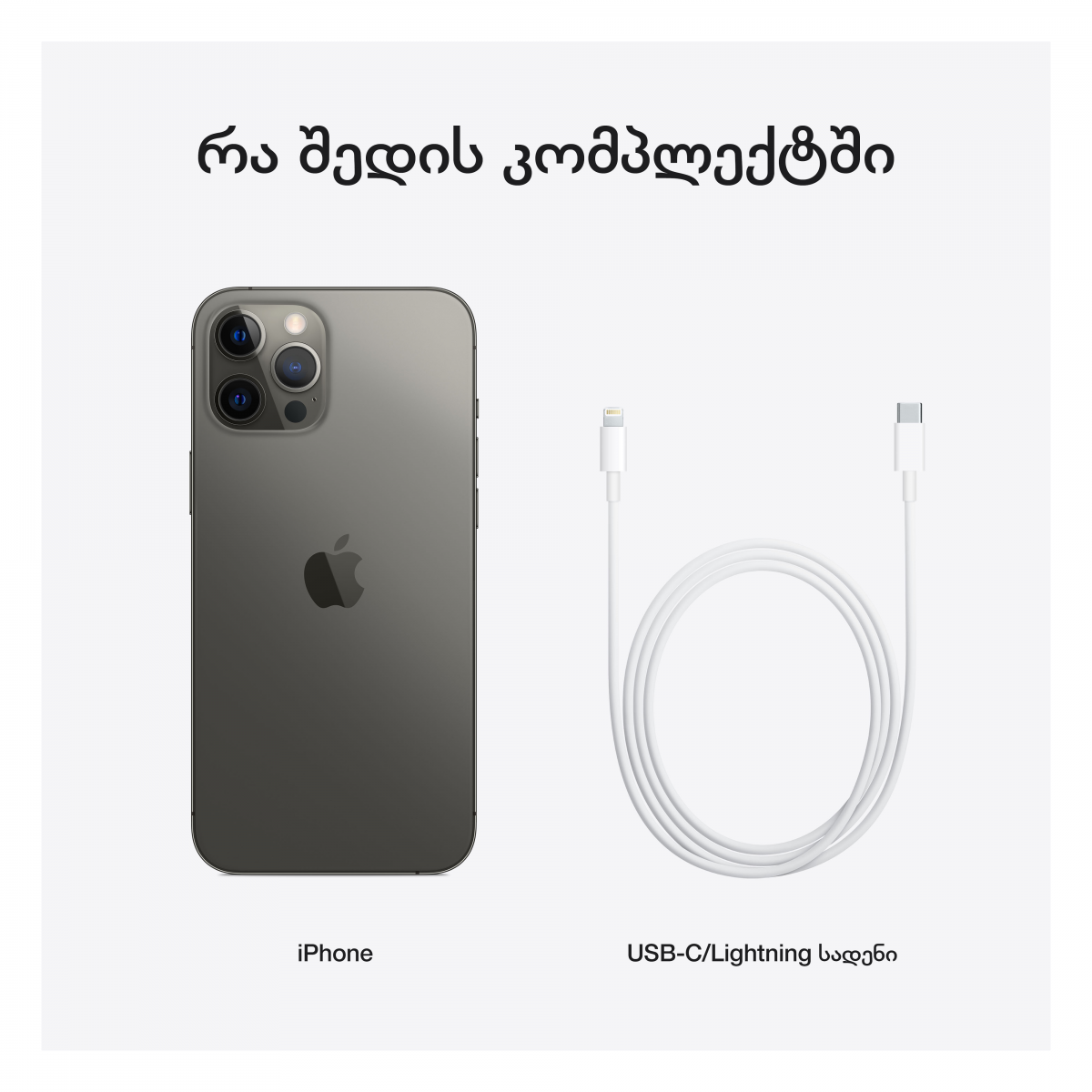
The Apple iPhone 12 Pro Max has an official weight specification of 228 grams (8.03 ounces). This exact measurement positions it as one of the heavier smartphones in Apple’s modern historical lineup, driven by its large 6.7-inch Super Retina XDR display, a stainless steel chassis, a triple-camera module with sensor-shift stabilization, and a robust internal battery system designed to power the device throughout a full day of intensive use.
Introduction to the iPhone 12 Pro Max and Its Physical Footprint
When Apple introduced the iPhone 12 lineup, it overhauled the industrial design language, moving away from the curved aluminum edges of the iPhone 11 generation and embracing flat, surgical-grade stainless steel sides. Among the four models released in that cycle, the iPhone 12 Pro Max stood out as the largest, most feature-rich, and heaviest iteration. Understanding the 12 pro max weight specification requires looking beyond the raw number of 228 grams to examine how material choices, internal components, and hardware engineering contribute to the device’s physical profile.
For prospective buyers, current owners evaluating upgrades, or accessories designers seeking precise dimensional tolerances, knowing the exact mass and distribution of the device is essential. Weight influences daily comfort, pocketability, fatigue during extended one-handed use, and the compatibility of various mounting accessories such as car docks, gimbals, and magnetic charging stands.
Breakdown of the 228-Gram Specification
At 228 grams (or 8.03 ounces), the iPhone 12 Pro Max is a substantial piece of consumer electronics. To place this figure in proper perspective, it is helpful to analyze how it compares to its immediate predecessors and successors within the Apple ecosystem.
| iPhone Model | Screen Size | Official Weight (Grams) | Official Weight (Ounces) | Chassis Material |
|---|---|---|---|---|
| iPhone 11 Pro Max | 6.5 inches | 226 g | 7.97 oz | Stainless Steel |
| iPhone 12 Pro Max | 6.7 inches | 228 g | 8.03 oz | Stainless Steel |
| iPhone 13 Pro Max | 6.7 inches | 240 g | 8.47 oz | Stainless Steel |
| iPhone 14 Pro Max | 6.7 inches | 240 g | 8.47 oz | Stainless Steel |
| iPhone 15 Pro Max | 6.7 inches | 221 g | 7.81 oz | Titanium |
As illustrated in the comparison table above, the iPhone 12 Pro Max added a mere 2 grams over the iPhone 11 Pro Max, despite expanding the display diagonal from 6.5 inches to 6.7 inches and transitioning to a boxier, flat-sided structural chassis. However, subsequent generations like the iPhone 13 Pro Max and iPhone 14 Pro Max grew even heavier due to larger camera sensors and expanded battery capacities, reaching 240 grams before Apple pivoted to grade 5 titanium with the iPhone 15 Pro Max to reduce the load.
Architectural Drivers Behind the Weight
A smartphone’s weight is not arbitrary; every gram is accounted for by specific engineering requirements, thermal management systems, and functional hardware. The 228-gram weight of the iPhone 12 Pro Max stems from several primary architectural components:
1. Surgical-Grade Stainless Steel Band
Unlike standard aluminum frames found on entry-level models like the base iPhone 12, the Pro series utilizes a high-strength stainless steel band that wraps around the perimeter of the device. Stainless steel possesses a significantly higher density than aluminum, imparting structural rigidity, premium aesthetics, and scratch resistance, but at the direct cost of increased mass.
2. Large Display Assembly and Ceramic Shield
The front glass features Apple’s Ceramic Shield, co-developed with Corning, which infuses nano-ceramic crystals into the glass matrix to improve drop performance. Coupled with the expansive 6.7-inch OLED (Organic Light-Emitting Diode) panel and its underlying digitizer and touch-sensing layers, the display assembly accounts for a significant portion of the phone's upper mass.
3. Advanced Camera System
The Pro Max variant houses a sophisticated triple-lens camera array comprising wide, ultra-wide, and telephoto lenses. Furthermore, the wide camera introduced sensor-shift optical image stabilization (OIS) for the first time in an iPhone, replacing traditional lens-based stabilization with a system that physically moves the image sensor itself. The mechanical actuators required for sensor-shift stabilization add physical weight and complexity to the camera module.
4. Battery Capacity and Thermal Plates
To power a large 6.7-inch high-refresh-rate-adjacent display and the Apple A14 Bionic system-on-chip, the device requires a high-capacity lithium-ion battery. The L-shaped battery cell inside the iPhone 12 Pro Max, combined with internal graphite thermal sheets and logic board shielding, contributes substantially to the overall heft.
Ergonomic Implications and Practical Handling
Carrying and operating a 228-gram smartphone requires a distinct ergonomic adjustment compared to lighter, smaller devices. While the flat edges introduced with the iPhone 12 generation provide a secure grip compared to slippery rounded frames, the sharp 90-degree angles can dig into the user's fingers during extended reading or gaming sessions.
One-Handed Reach and Fatigue
For users with average or smaller hands, reaching across the entire 6.7-inch screen is difficult without shifting the phone in the palm. The concentration of mass near the upper half of the device—dictated by the heavy camera module—can cause a slight top-heavy tipping sensation. Prolonged one-handed typing or browsing often leads to "smartphone pinky," a colloquial term for the minor strain experienced when resting the device's lower edge on the pinky finger for structural support.
Pocketability and Clothing Considerations
At over 228 grams before adding a protective case, the iPhone 12 Pro Max creates a noticeable pull in loose clothing pockets, such as athletic shorts or lightweight trousers. Many users find that deep pockets, structured jackets, or belt holsters provide a more stable and comfortable carrying experience during active movement.
Impact of Protective Cases and Accessories
Very few users operate a high-end flagship device naked; the vast majority encase their smartphones in protective shells. This introduces a critical factor when evaluating the total weight specification:
- Slim Silicone or TPU Cases: Typically add 25 to 35 grams, bringing the total daily carry weight to approximately 253–263 grams.
- Rugged Armor Cases: Dual-layer protection cases with drop-rated corner bumpers can add 50 to 80 grams, pushing the total handheld mass past the 280-gram mark.
- MagSafe Wallets and Battery Packs: Attaching a MagSafe leather wallet adds about 40 grams, while a MagSafe battery pack adds roughly 115 grams, transforming the lightweight handset into a substantial 340+ gram tool.
When selecting accessories, users sensitive to wrist fatigue or hand strain should balance the level of drop protection desired against the cumulative weight penalty imposed by heavy-duty cases.
Frequently Asked Questions
How does the iPhone 12 Pro Max weight compare to the standard iPhone 12?
The standard iPhone 12 weighs 164 grams (5.78 ounces), making the iPhone 12 Pro Max significantly heavier at 228 grams (8.03 ounces). This difference of 64 grams is primarily due to the larger physical dimensions, the heavier stainless steel frame instead of aluminum, the larger battery, and the more complex triple-lens camera system with sensor-shift stabilization.
Does the weight of the iPhone 12 Pro Max include the SIM card?
Yes, smartphone manufacturers test and report device weight with standard internal components installed, including the logic board, battery, Taptic Engine, and camera modules. For models equipped with a physical nano-SIM card slot (or dual SIM trays in specific regional variants), the inserted SIM card adds an infinitesimal fraction of a gram, which has no practical impact on the official 228-gram specification.
Why did Apple increase the weight of the Pro Max series in later years?
Subsequent models like the iPhone 13 Pro Max (240 grams) and iPhone 14 Pro Max (240 grams) grew heavier because Apple integrated larger camera sensors, heavier telephoto periscope-style or optical zoom hardware, and larger battery cells to satisfy consumer demand for extended screen-on time and improved low-light photography performance.
Is the iPhone 12 Pro Max considered heavy compared to other phones of its size?
Yes, relative to Android flagship devices of similar screen sizes built with aluminum frames or lighter composite materials, stainless-steel iPhones traditionally trend heavier. However, within the landscape of ultra-premium "Max" or "Ultra" tier smartphones featuring robust glass-and-metal construction, 228 grams is a standard baseline measurement for devices of this physical footprint.
How can I reduce hand fatigue when using a heavy smartphone?
To minimize strain caused by the 228-gram mass, consider utilizing a pop-socket, finger strap, or a slim silicone case with a textured matte finish to improve grip security. Additionally, utilizing accessibility features like "Reachability" (which pulls the top half of the screen down toward the bottom via a simple downward swipe on the home indicator) reduces the need to constantly adjust your grip during one-handed navigation.
Conclusion and Recommendations
The iPhone 12 Pro Max weight specification of 228 grams is a direct reflection of Apple's design choices for its 2020 flagship generation: a large 6.7-inch display, a dense surgical-grade stainless steel chassis, and advanced camera and battery hardware. While this mass contributes to a premium in-hand feel and structural durability, it also demands consideration regarding ergonomic comfort, pocket stability, and accessory selection.
Prospective buyers and current owners should evaluate whether the expansive screen real estate and photographic capabilities outweigh the physical trade-off of carrying a heavier handset. For those prone to hand strain, pairing the device with a lightweight, minimalist case and utilizing ergonomic gripping aids ensures a comfortable daily user experience without sacrificing protection.