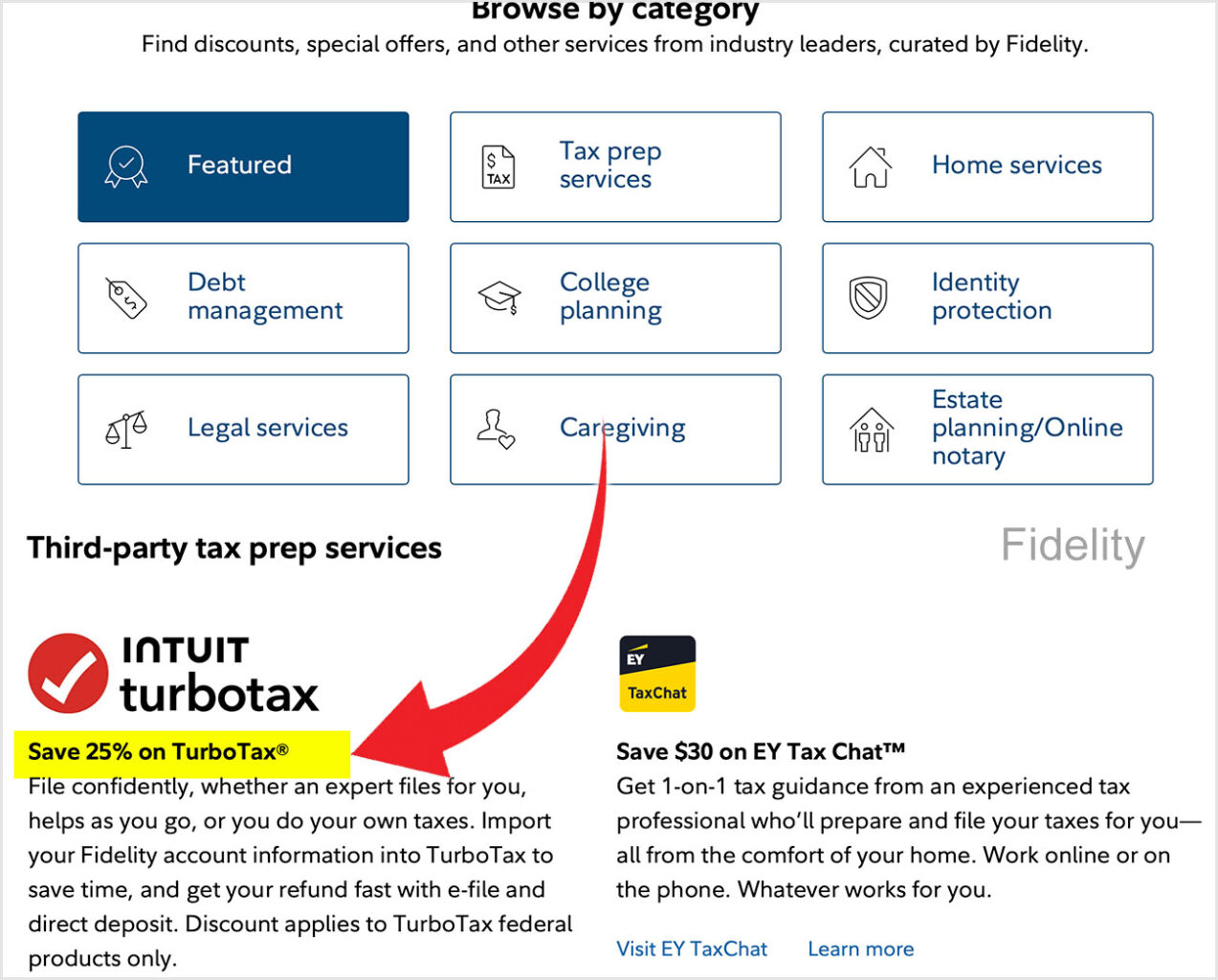
If you are looking for information regarding a "TurboTax lawsuit 2026," it is important to distinguish between historical litigation settlements and current consumer status. As of 2026, there are no active, massive class-action settlements involving Intuit/TurboTax that require new participant registration. Most major legal actions regarding marketing practices and "free" tax filing claims were resolved through multi-state settlements concluded between 2022 and 2024.
Contextualizing Historical Litigation Against Intuit
To understand the current legal landscape regarding TurboTax, one must look back at the significant multi-state settlement finalized in May 2022. This legal action was spearheaded by a coalition of state attorneys general, led by New York, which accused Intuit—the parent company of TurboTax—of deceptive advertising practices. The core of the complaint centered on the marketing of "free" tax filing services.
The allegations stated that Intuit aggressively marketed its products as "free, free, free" while, in practice, restricting the ability to use the free edition for many taxpayers. Specifically, individuals with more complex tax returns—such as those involving 1099 income, student loan interest, or investment income—were often funneled into paid products after starting the process under the impression that their filing would be free of charge. This bait-and-switch dynamic formed the basis of the legal investigation.
By 2024, the administration of the restitution funds associated with this landmark settlement had largely been completed. Eligible consumers who filed taxes through TurboTax during the relevant tax years (typically 2016 through 2018) were notified via email and received payments via check or direct deposit. As of 2026, the claims portal for this specific settlement is closed, and funds have been distributed.
Differentiating Current Consumer Status from Past Claims
Taxpayers searching for information about a "TurboTax lawsuit" in 2026 may be reacting to lingering search results or outdated social media discussions regarding historical settlements. It is vital for users to verify their current standing rather than assuming they are eligible for a new payout.
Legal developments involving software companies often go through a lifecycle:
- Investigation: Regulatory bodies or private law firms gather evidence of consumer harm.
- Filing: A class-action lawsuit is filed, or state attorneys general initiate a formal inquiry.
- Settlement/Judgment: The parties reach an agreement involving monetary compensation and changes to business operations.
- Distribution: Funds are sent to verified class members.
- Closure: The court grants final approval, and the settlement fund is closed.
As of 2026, the major litigation regarding TurboTax is in the closure phase. If you receive unsolicited communications claiming you are entitled to a "2026 settlement check" related to a past tax software lawsuit, exercise caution. Scammers frequently use the names of well-known class-action settlements to harvest personal information.
What Taxpayers Should Monitor in 2026
While the massive 2022 multi-state settlement is concluded, the regulatory scrutiny of tax software providers continues to evolve. In 2026, the Federal Trade Commission (FTC) and various state agencies remain focused on "dark patterns" in digital marketing—the use of design elements that nudge consumers into making choices that are not in their best interest.
If you believe you have been misled by a tax software company in the current tax year, the appropriate action is not to look for a class-action lawsuit, but to report the incident to the appropriate consumer protection agency.
| Action Item | Recommended Agency | Purpose |
|---|---|---|
| Report Deceptive Ads | Federal Trade Commission (FTC) | Document potential unfair trade practices. |
| File Tax Grievances | State Attorney General’s Office | Report specific consumer complaints in your jurisdiction. |
| Inquire about Status | Official Settlement Administrator | Verify if a specific, valid court-ordered fund is still active. |
| Verify Tax Issues | IRS Taxpayer Advocate Service | Resolve technical issues regarding your actual tax return filing. |
Recognizing Potential Financial Scams
In the wake of widely publicized legal settlements, malicious actors often attempt to exploit the trust consumers place in the legal system. In 2026, be wary of any "official" notice regarding a TurboTax lawsuit that requests:
- Payment of a "processing fee" to receive your settlement check.
- Sensitive personal data (such as your full Social Security number) via email or unsolicited text messages.
- Banking login credentials under the guise of "verifying your identity" to deposit funds.
Legitimate class-action administrators communicate via official postal mail or verified email addresses. They will never ask you to pay a fee to access money that is rightfully yours as a result of a legal judgment. Always navigate to the official, verified court-appointed website rather than clicking links provided in suspicious correspondence.
Comparing Filing Options to Avoid Misleading Claims
To avoid the frustrations that led to past legal actions, taxpayers are encouraged to verify the nature of "free" filing offers before beginning their data entry. The landscape of tax filing has expanded since the previous litigation, with the IRS now offering its own direct filing solutions.
When selecting a platform in 2026, consider the following checklist:
- Check the IRS Free File Program: The IRS maintains a list of trusted partners that provide free federal (and in some cases, state) tax preparation for eligible taxpayers. These offers are verified by the federal government.
- Verify Income Thresholds: "Free" often has a limit. Always check the AGI (Adjusted Gross Income) requirements stated on the landing page of the software.
- Assess Complexity Limitations: Many software editions marketed as "free" are restricted to Form 1040 without schedules. If your return includes Schedule C (business income) or Schedule D (capital gains), confirm the "free" offer applies to your specific tax forms.
- Review Pricing Upfront: Legitimate software companies provide a clear pricing tier page that breaks down what is included in each version before you are prompted to create an account.
Frequently Asked Questions (FAQ)
1. Is there an active TurboTax settlement I can join in 2026? No. As of 2026, the primary class-action and multi-state settlements related to past "free" tax filing marketing have been fully processed and concluded. There is no active registration process for these historical cases.
2. I received an email about a 2026 tax lawsuit payout. Is it legitimate? It is highly likely to be a phishing attempt. Official legal settlements do not reach out to you via unsolicited, generic emails asking for financial details. If you have questions about your eligibility for past cases, you should only visit the specific settlement website established by the court, not a link provided in an email.
3. What should I do if I feel misled by a tax software company this year? You should document the steps you took on the software’s website, take screenshots of any "free" advertising that led to a "paid" checkout screen, and file a formal complaint with the Federal Trade Commission (FTC) or your state’s Office of the Attorney General.
4. Where can I find the official IRS options for free filing? You can access the official IRS Free File program directly through the IRS government website (irs.gov). This is the safest way to ensure that your filing service is authorized by the federal government and meets specific standards for transparency.
5. Does the current state of consumer protection affect my 2026 tax return? The regulatory environment has increased the requirements for transparency in advertising. However, this does not grant you a "payout." It simply means that companies are now under stricter oversight to ensure their "free" branding is accurate to the services provided.
Recommendation for Taxpayers
If you were impacted by past marketing practices, your claim has already been resolved or the window has closed. For your 2026 tax filing, prioritize the use of the IRS Free File program or standard, transparent tax preparation services. Always perform a quick check of the software's pricing terms before entering your sensitive financial data. If you have concerns about the accuracy or fairness of a service, use official government channels like the FTC or your state attorney general to lodge a complaint, which helps keep the marketplace transparent for all consumers.