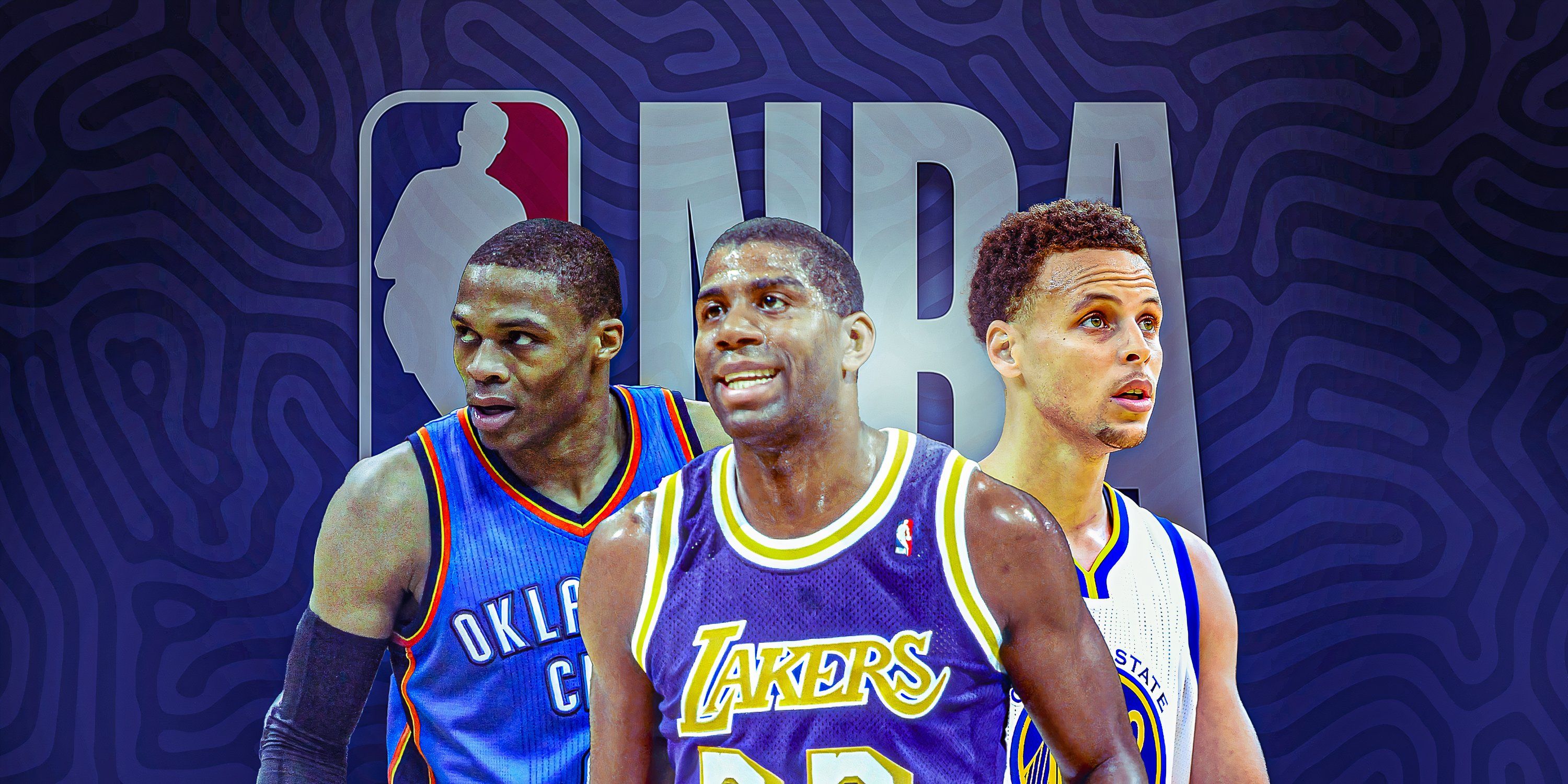
The 2025 NBA season solidified the point guard position as the league's primary engine, emphasizing a blend of elite perimeter scoring, high-level playmaking, and defensive versatility. Luka Dončić stood out as the preeminent floor general, combining unprecedented usage rates with historical passing efficiency to anchor the Dallas Mavericks' championship-contending offense.
The Role of the Modern NBA Point Guard
The definition of a "point guard" has shifted dramatically over the last decade. In the mid-2020s, the position transitioned from a purely facilitator-based role to a multi-faceted offensive hub. Today’s elite guards are expected to be "three-level scorers" who can space the floor, operate in the pick-and-roll, and exert enough gravity to force defensive rotations.
While traditional playmaking remains a requirement, modern coaches demand that their lead guards serve as the team’s primary decision-makers in transition and half-court sets. This shift is driven by the league's increased pace and the prevalence of small-ball lineups that rely on guard-led perimeter shooting.
Evaluating Performance: Metrics and Methodology
To accurately rank the top point guards, we must look beyond basic counting statistics like points or assists per game. Modern analytics provide a clearer picture of value through advanced metrics:
- True Shooting Percentage (TS%): Measures efficiency by accounting for two-point field goals, three-point field goals, and free throws.
- Usage Rate (USG%): Estimates the percentage of team plays a player "finishes" while on the floor.
- Assist-to-Turnover Ratio: A fundamental measure of decision-making and ball security.
- Defensive Box Plus-Minus (DBPM): An estimate of defensive impact relative to the league average.
Elite status in 2025 requires balancing high usage—often exceeding 30%—with maintained efficiency, a feat only the game’s absolute best can accomplish.
Luka Dončić: The Apex Floor General
Luka Dončić entered the 2025 season as the definitive standard for the position. His ability to manipulate defensive schemes through methodical pace and high-IQ passing made the Dallas Mavericks' offense statistically elite. Unlike faster, smaller guards who rely on verticality, Dončić utilizes size and change-of-pace dribbling to navigate tight spaces.
His 2025 campaign was characterized by a rare combination of volume scoring and lead playmaking. By forcing teams to double-team him at the perimeter, he consistently opened lanes for teammates, proving that the most effective point guard in the modern era is one who acts as both a primary scorer and a secondary coach on the floor.
Competitive Tiers: Comparing the Elite
The depth of the point guard talent pool in 2025 was significant. While Dončić occupied the top tier, several other players challenged his dominance through unique stylistic advantages.
| Player | Primary Strength | Style of Play | Efficiency Profile |
|---|---|---|---|
| Luka Dončić | Playmaking/Gravity | Methodical/High Usage | High Volume/Elite Passing |
| Shai Gilgeous-Alexander | Mid-range/Finishing | North-South/Slasher | Elite Scoring Efficiency |
| Stephen Curry | Off-ball/Gravity | Motion-based | All-time 3-point volume |
| Jalen Brunson | Footwork/Creation | High-IQ/Isolation | High-Efficiency Playmaker |
| Tyrese Haliburton | Vision/Transition | Pace-based/Pass-First | Elite Assist Ratio |
The Impact of Physicality and Defense
A common point of contention among scouts in 2025 was the defensive liability often associated with high-usage point guards. The most successful teams—those reaching the Conference Finals and beyond—required their lead guards to show at least league-average defensive competence.
Players like Shai Gilgeous-Alexander distinguished themselves by using their length to disrupt passing lanes, making them two-way threats. This added defensive dimension is quickly becoming a prerequisite for inclusion in the "top tier" of the league. Guards who provide only offense are increasingly targeted by opposing teams in the playoffs through "hunting" strategies, where offensive players intentionally switch mismatches to force weak defenders into vulnerable spots.
Tactical Challenges and Coaching Philosophy
The 2025 NBA season saw an increase in "positionless" basketball, which creates a complex environment for point guards. Many teams now utilize secondary ball-handlers, such as power forwards or small forwards, to alleviate the pressure on the primary point guard.
This tactical evolution requires elite point guards to be effective off-the-ball. For example, Stephen Curry’s continued dominance in 2025 was largely attributed to his unparalleled ability to operate without the ball, sprinting through screens and drawing defenders away from the paint. This versatility is essential for maintaining an offensive rhythm when a team's primary play-calling structure is disrupted.
Frequently Asked Questions
What distinguishes a top-tier point guard from a secondary playmaker? A top-tier point guard commands the attention of the defense at all times. They have the ability to dictate the pace of the game and create high-quality shot opportunities for teammates even when the primary offensive set breaks down.
How does defensive ability factor into point guard rankings? In the 2025 landscape, elite status is rarely granted to players who are defensive liabilities. While offense remains the priority, the ability to switch, navigate screens, and contest shots is necessary to avoid being a target for opposing team strategies during postseason series.
Does usage rate correlate with winning? High usage is a double-edged sword. While it allows star players to carry offensive loads, it can also lead to fatigue and lower efficiency. The best point guards are those who can maintain a high usage rate while sustaining their field-goal percentage and keeping turnovers low.
Why is "gravity" an important metric for point guards? Gravity refers to a player's ability to pull multiple defenders toward them, which in turn creates open space for the rest of the team. A point guard with high gravity—like Luka Dončić or Stephen Curry—makes their teammates better simply by stepping onto the court.
What is the most important skill for a young point guard to develop? Decision-making under pressure is paramount. The ability to distinguish between taking a contested shot and making a pass to an open teammate at the end of a shot clock is what separates good guards from great ones.
Next Steps for Evaluating Talent
When analyzing the performance of NBA point guards, spectators and analysts should look past the box score. Pay close attention to how a player navigates double-teams and their impact on team-wide offensive efficiency metrics. The 2025 season underscored that the most valuable guards are those who possess the highest basketball IQ, enabling them to read the floor in real-time and make the correct adjustment before the defense can react. As the league continues to evolve, the demand for high-efficiency, high-gravity point guards will only increase, shaping the future of team construction.