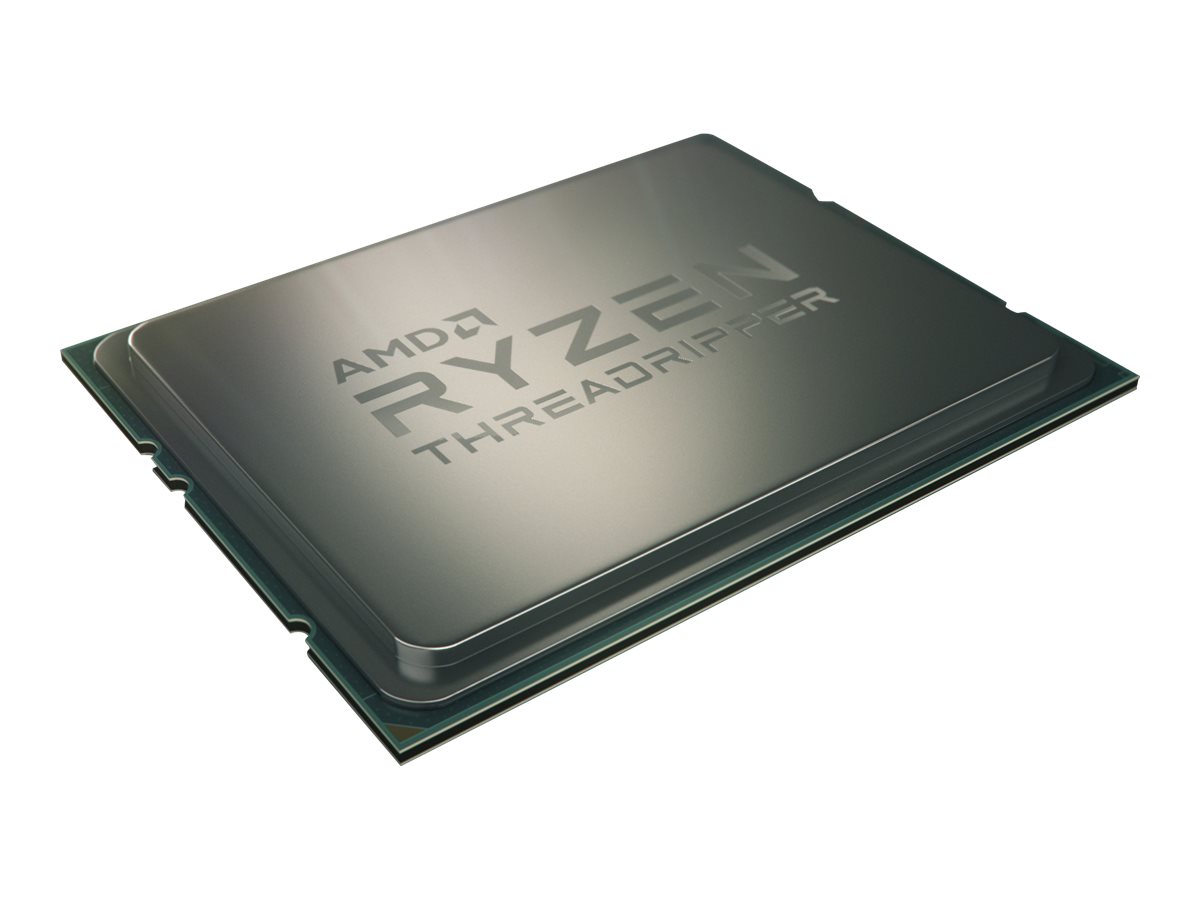
The AMD Ryzen 2000 series, based on the Zen+ microarchitecture, represents the second generation of AMD’s high-performance processor lineup, released in 2018. This series introduced the 12nm manufacturing process, providing improvements in clock speeds, IPC (Instructions Per Clock) efficiency, and memory latency compared to the initial Zen-based Ryzen 1000 series, solidifying AMD’s position in the high-core-count consumer desktop market.
The Ryzen 2000 series (often referred to as Ryzen 2 by users) bridged the gap between the original Zen architecture and the subsequent Zen 2. By shrinking the process node from 14nm to 12nm, AMD was able to push higher boost frequencies while maintaining the same thermal design power (TDP) envelopes as its predecessors. This generation remains a popular subject for those evaluating the evolution of the AM4 socket ecosystem.
Architectural Foundations: Moving to Zen+
The transition to Zen+ was not a complete overhaul but rather a refinement of the Zen microarchitecture. The most significant change was the move to the GlobalFoundries 12nm Leading-Performance (LP) process. This process allowed for better power efficiency and density, enabling the silicon to achieve higher clock speeds at lower voltages.
A crucial focus for AMD during this period was the optimization of memory latency. The original Zen architecture suffered from higher-than-desired cache and memory latency, which could bottleneck gaming performance. Zen+ significantly improved L3 cache latency and improved the implementation of Precision Boost 2.
Precision Boost 2 and XFR 2
One of the defining features of the Ryzen 2000 series is the introduction of Precision Boost 2 and Extended Frequency Range 2 (XFR 2). Unlike the first generation, which used a more rigid set of boost behaviors, Precision Boost 2 allows the processor to scale clock speeds more granularly based on power, temperature, and thread count.
- Precision Boost 2: This algorithm evaluates the workload constantly. It can boost single cores or all cores to the maximum potential of the thermal and power budget, rather than being restricted to specific "boost bins" or limited to all-core vs. single-core scenarios.
- XFR 2: This is the automatic overclocking feature that allows the processor to exceed its rated Precision Boost limits if the cooling solution is sufficient. With better cooling, the CPU stays at higher frequencies for longer durations, effectively rewarding users who invest in high-end air coolers or AIO liquid cooling systems.
Core Configurations and Product Segments
The Ryzen 2000 series maintained the naming convention that tiered processors by core count, thread count, and cache size. The lineup included the Ryzen 7 (8 cores/16 threads), Ryzen 5 (6 cores/12 threads or 4 cores/8 threads), and Ryzen 3 (4 cores/4 threads) segments.
| Model | Cores / Threads | Base Clock | Boost Clock | L3 Cache | TDP |
|---|---|---|---|---|---|
| Ryzen 7 2700X | 8 / 16 | 3.7 GHz | 4.3 GHz | 16 MB | 105W |
| Ryzen 7 2700 | 8 / 16 | 3.2 GHz | 4.1 GHz | 16 MB | 65W |
| Ryzen 5 2600X | 6 / 12 | 3.6 GHz | 4.2 GHz | 16 MB | 95W |
| Ryzen 5 2600 | 6 / 12 | 3.4 GHz | 3.9 GHz | 16 MB | 65W |
| Ryzen 3 2300X | 4 / 4 | 3.5 GHz | 4.0 GHz | 8 MB | 65W |
These chips were designed for the AM4 platform. While they were launched alongside the X470 chipset, they remain fully compatible with B350 and X370 motherboards, provided the BIOS has been updated to support the newer AGESA (AMD Generic Encapsulated Software Architecture) code.
Memory Compatibility and Infinity Fabric
The Ryzen 2000 series officially supported faster DDR4 memory speeds compared to the 1000 series. While the Ryzen 1000 series was officially rated for 2667 MHz, the Ryzen 2000 series saw official support increased to 2933 MHz. In practice, many users found that these processors could easily handle 3200 MHz or higher with XMP (Extreme Memory Profile) or DOCP (Direct Over Clock Profile) settings enabled in the BIOS.
The Infinity Fabric—the high-speed interconnect used to link the CCXs (Core Complex) within the CPU—is directly tied to the memory clock speed. By increasing the memory frequency, the Infinity Fabric speed also increases, which reduces the communication latency between cores and improves overall system performance, particularly in memory-sensitive applications like gaming and productivity software.
The Role of Chipsets: X470 and B450
The Ryzen 2000 series launched alongside the X470 and later the B450 chipsets. These boards offered improved power delivery (VRM designs) and better board-level trace routing to support the faster memory speeds of Zen+.
- X470: Targeted at enthusiasts, these boards supported features like StoreMI, which allowed users to combine the speed of an SSD with the capacity of an HDD into a single virtual drive.
- B450: Designed for mainstream users, these boards retained support for overclocking, which remains a key differentiator for AMD’s mainstream platforms compared to Intel's non-Z series boards.
Performance in Practical Applications
The performance gains of the Ryzen 2000 series over the previous generation were generally in the range of 5–10%, depending on the workload. In multi-threaded tasks like video encoding, rendering, and compression, the higher sustained boost clocks provided a tangible advantage.
For gaming, the reduction in cache latency proved to be the most critical improvement. Users upgrading from the first generation of Ryzen noticed higher minimum frame rates (1% lows), which resulted in a smoother gameplay experience even if the average frame rate increase was modest. This cemented the 2700X and 2600X as "sweet spot" processors for mid-range gaming builds during their peak relevance.
Thermal Considerations and Power Efficiency
Despite the move to a 12nm process, the Ryzen 2000 series remained relatively power-hungry at high loads. The "X" series processors (e.g., 2700X) featured a 105W TDP, which required robust cooling to hit maximum boost frequencies.
AMD included high-quality stock coolers, such as the Wraith Prism with the 2700X and the Wraith Spire with the 2600X. These coolers were significantly better than the standard plastic-framed stock coolers provided by competitors at the time, featuring RGB lighting and decent heat dissipation capabilities for users who did not wish to pursue aggressive manual overclocking.
Common Troubleshooting and Optimization
When setting up a Ryzen 2000 series processor, several factors can impact stability and performance:
- BIOS Updates: If a system fails to boot after installing a 2000-series chip on an older 300-series motherboard, it is almost certainly a BIOS version issue. A CPU from the 1000 series may be required to boot the system long enough to flash the firmware.
- RAM Configuration: Always ensure RAM sticks are installed in the correct slots (usually slots 2 and 4 on a 4-slot board) to enable dual-channel memory, which is critical for performance.
- Power Plans: In Windows, using the "AMD Ryzen Balanced" power plan (provided by the chipset drivers) is generally recommended over the Windows default "High Performance" plan to ensure the processor can down-clock properly during idle periods, saving energy and reducing heat.
Comparison with Contemporary Options
Compared to its direct competitor at the time, the 8th and 9th generation Intel Core processors, the Ryzen 2000 series offered a superior value proposition for multi-threaded workloads. While Intel often held a slight lead in single-core clock speeds for raw gaming performance, Ryzen provided more cores and threads at a lower price point, making them the preferred choice for content creators and multitaskers.
Frequently Asked Questions
Is the Ryzen 2000 series still viable in 2026? Yes, for light-to-moderate productivity and entry-level gaming, the Ryzen 5 2600 or Ryzen 7 2700 remain functional. However, for modern, high-refresh-rate gaming or professional-grade rendering, they are significantly outperformed by modern architectures like Zen 4 or Zen 5.
Does the Ryzen 2000 series support Windows 11? Officially, the Ryzen 2000 series is not listed on the Windows 11 supported processor list. While it may be possible to bypass requirements, it is not recommended for production environments due to potential stability and security update limitations.
What is the best RAM speed for Ryzen 2000? The "sweet spot" is generally considered to be 3200 MHz with low latency timings (CL14 or CL16). Going beyond 3200 MHz often yields diminishing returns due to the limitations of the internal Infinity Fabric controller.
Can I overclock the non-X models? Yes, all Ryzen 2000 series processors are multiplier-unlocked. You can use AMD’s Ryzen Master software or the motherboard BIOS to overclock the CPU, though the non-X models generally have less headroom for high-frequency overclocking compared to the factory-binned X models.
Do I need a dedicated GPU for Ryzen 2000 processors? Unless you are using an APU model (specifically those with a 'G' suffix like the Ryzen 5 2400G), you will need a dedicated graphics card. The standard 2000 series chips do not have integrated graphics.
Final Recommendation
The Ryzen 2000 series stands as a historical turning point for AMD. For those currently using these processors in 2026, the best next action is to assess your current bottleneck. If you are experiencing poor performance in modern titles, upgrading your GPU is the most likely solution. However, if your system feels sluggish in multi-tasking, you may be approaching the ceiling of the AM4 platform's early potential. Consider updating your BIOS to the latest available version to maintain security and compatibility before deciding to jump to a newer Ryzen 5000 series chip, which is often a drop-in upgrade that provides a massive performance leap on the same motherboard.