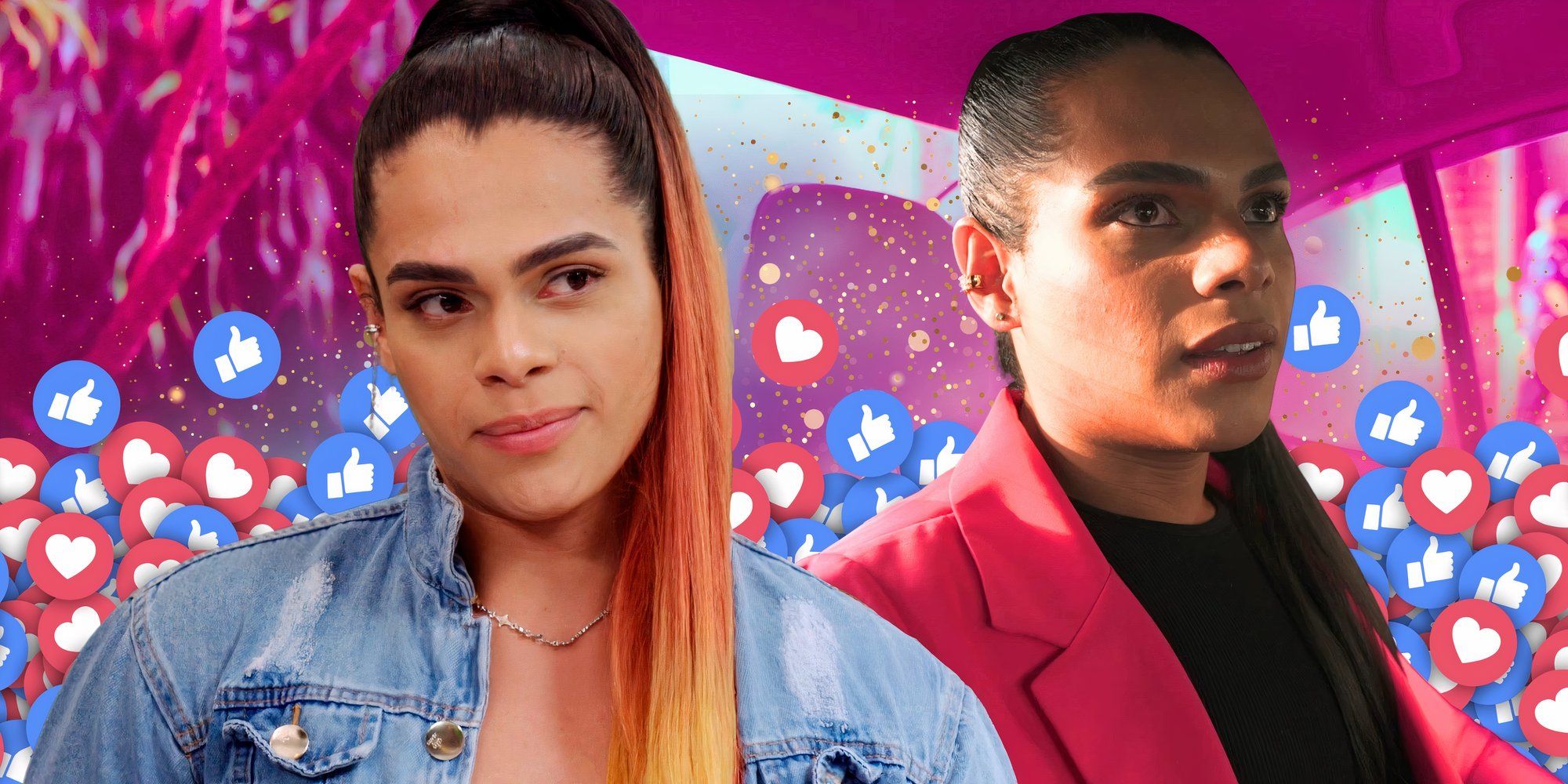
Mary’s transition into the public eye through TLC’s 90 Day Fiancé franchise brought a dramatic shift in how she utilized social media, particularly Instagram, to manage public perception, share personal updates, and navigate intense fan scrutiny.
The phenomenon of reality television stardom often reshapes an individual's digital footprint, turning a private Instagram account into a dynamic, highly scrutinized public platform. For Mary, who appeared alongside her partner Brandan on 90 Day Fiancé: The Other Way, her Instagram journey offers a distinct look into the mechanics of reality TV fame, audience psychology, and digital reputation management. Understanding this evolution requires examining how reality stars shift their online content strategy to cope with public attention, monetization pressures, and controversies.
The Reality Television Ecosystem and Digital Profiles
When cast members join international hit franchises like 90 Day Fiancé, their existing social media profiles undergo an immediate transformation. Accounts that once served as personal photo albums for friends and family suddenly convert into broadcast channels for hundreds of thousands of curious, and often critical, viewers.
For Mary, this digital transition involved navigating a rapid influx of followers, continuous engagement with fan communities, and the unique pressure of defending personal choices made on screen. Reality television editing often leaves gaps in narrative continuity, prompting viewers to turn to social media for clarification, validation, or confirmation of rumors. Consequently, cast members frequently use platforms like Instagram as a direct line of communication to challenge edits, provide behind-the-scenes context, or simply showcase their day-to-day realities away from the television cameras.
Shifting Boundaries Between Personal Life and Public Content
A central dynamic of Mary’s Instagram journey involves the delicate balance between sharing authentic personal milestones and withholding private details to protect family well-being. Following their time on the show, Mary and Brandan’s lives faced continuous public commentary regarding their relationship stability, parenting experiences, and financial circumstances.
Cast members typically manage this tension through distinct phases of social media engagement:
- The Broadcast Phase: Sharing curated highlights during the active airing of the television season to build audience engagement.
- The Defense Phase: Utilizing stories and direct posts to address viewer criticism, debunk rumors, or respond to online controversies.
- The Commercial Phase: Integrating brand partnerships, sponsored content, or promotional links once follower counts reach viable thresholds for monetization.
- The Retraction Phase: Periodically deactivating accounts, archiving posts, or restricting comment sections in response to sustained cyberbullying or intense public backlash.
Content Evolution Across Different Seasons
Mary’s Instagram feed shifted significantly from the pre-show era to the post-broadcast period. Initially, the content mirrored typical young adult posting habits—casual snapshots, personal milestones, and lifestyle images. As her visibility increased, the styling, frequency, and tone of the posts adapted to meet the demands of a larger audience.
| Instagram Feature | Pre-Show Usage | Post-Show and Broadcast Era |
|---|---|---|
| Audience Demographics | Local peers, family, and personal acquaintances | Global fan base, critics, media outlets, and trolls |
| Posting Frequency | Sporadic, organic lifestyle updates | Strategic updates, frequent stories, and live broadcasts |
| Comment Moderation | Minimal or open to public interaction | Heavily restricted, filtered, or entirely disabled |
| Monetization Strategy | Non-existent | Occasional promotional posts, links, or direct messaging |
This structural shift highlights how reality stars must professionalize their digital presence almost overnight. The absence of media training for many participants often leads to volatile online interactions, where impulsive replies to negative comments amplify public scrutiny.
Managing Public Scrutiny and Digital Fatigue
One of the most profound insights drawn from Mary’s social media trajectory is the psychological toll of sustained digital exposure. Reality television audiences frequently blur the line between the persona depicted on a heavily edited television program and the real-life individual behind the screen. This dynamic often results in high volumes of negative engagement, direct messages, and comment-section vitriol.
To cope with digital fatigue, many reality personalities adopt cyclical engagement strategies. Temporary account deactivations, extended breaks from posting, and the implementation of strict comment filters become necessary tools for self-preservation. In Mary’s case, fluctuations in account availability directly correlated with high-intensity broadcast moments or real-life controversies. These digital retreats illustrate the limits of public accessibility, reminding observers that constant connectivity can exact a heavy emotional price.
The Intersection of Social Media and Fan Culture
The relationship between 90 Day Fiancé cast members and online fan communities is mutually dependent yet deeply adversarial. Dedicated fan pages, Reddit forums, and Instagram fan accounts dissect every story, caption, and deleted post. This hyper-analytical culture creates an environment where a simple picture or casual statement can trigger widespread speculation across multiple digital platforms.
For Mary, engaging with this culture meant learning to navigate viral moments where out-of-context screenshots circulated widely. The insight gained here underscores a broader reality of modern celebrity: once an individual enters the franchise, their narrative is no longer solely in their hands. Fan communities actively co-create the mythology surrounding cast members, interpreting social media activity as hidden clues about relationship status, personal finances, or future television appearances.
Practical Guidance for Navigating Reality TV Digital Footprints
For individuals entering the public spotlight or researchers studying modern media consumption, observing journeys like Mary’s provides clear lessons on digital reputation management:
- Establish Boundaries Early: Maintain strict separation between professional public-facing profiles and private personal communication channels where possible.
- Anticipate Scrutiny: Recognize that historical posts, comments, and deleted content will be archived and scrutinized by dedicated fan communities.
- Prioritize Mental Well-being: Utilize platform tools such as comment filters, restricted messaging, and scheduled offline breaks to mitigate digital fatigue.
- Approach Monetization Cautiously: Ensure that any commercial partnerships or promotional activities align with long-term personal credibility rather than short-term visibility.
Frequently Asked Questions
Why do reality TV stars frequently change their Instagram handles or deactivate accounts?
Cast members often deactivate or alter their social media accounts to escape sustained cyberbullying, manage overwhelming public attention during controversial television episodes, or comply with network confidentiality agreements regarding upcoming plot developments.
How do 90 Day Fiancé cast members monetize their Instagram presence?
Once cast members achieve a substantial follower count, they may monetize their platform through sponsored brand partnerships, affiliate marketing links, personalized video shout-out platforms, and promotional content related to their time on television.
Can Instagram posts be used as official proof of relationship status after a show airs?
While fans often treat Instagram posts, story updates, and the presence or absence of partner photos as definitive proof of relationship status, reality stars are sometimes contractually obligated to conceal their true relationship status until the television season concludes airing.
What is the best way to handle negative comments on public social media profiles?
Content creators and public figures typically utilize automated comment-moderation filters, restrict interaction to verified followers, or disable comments entirely on sensitive posts to maintain a constructive digital environment.
Conclusion
Mary’s Instagram journey through the 90 Day Fiancé ecosystem highlights the complex interplay between modern reality television fame and digital self-presentation. From the initial rush of expanding follower counts to the challenges of managing public scrutiny and digital fatigue, her online presence demonstrates the realities of navigating public exposure. By examining these digital transitions, observers gain a clearer understanding of how public figures adapt, protect their well-being, and maintain boundaries in an era of relentless online connectivity.