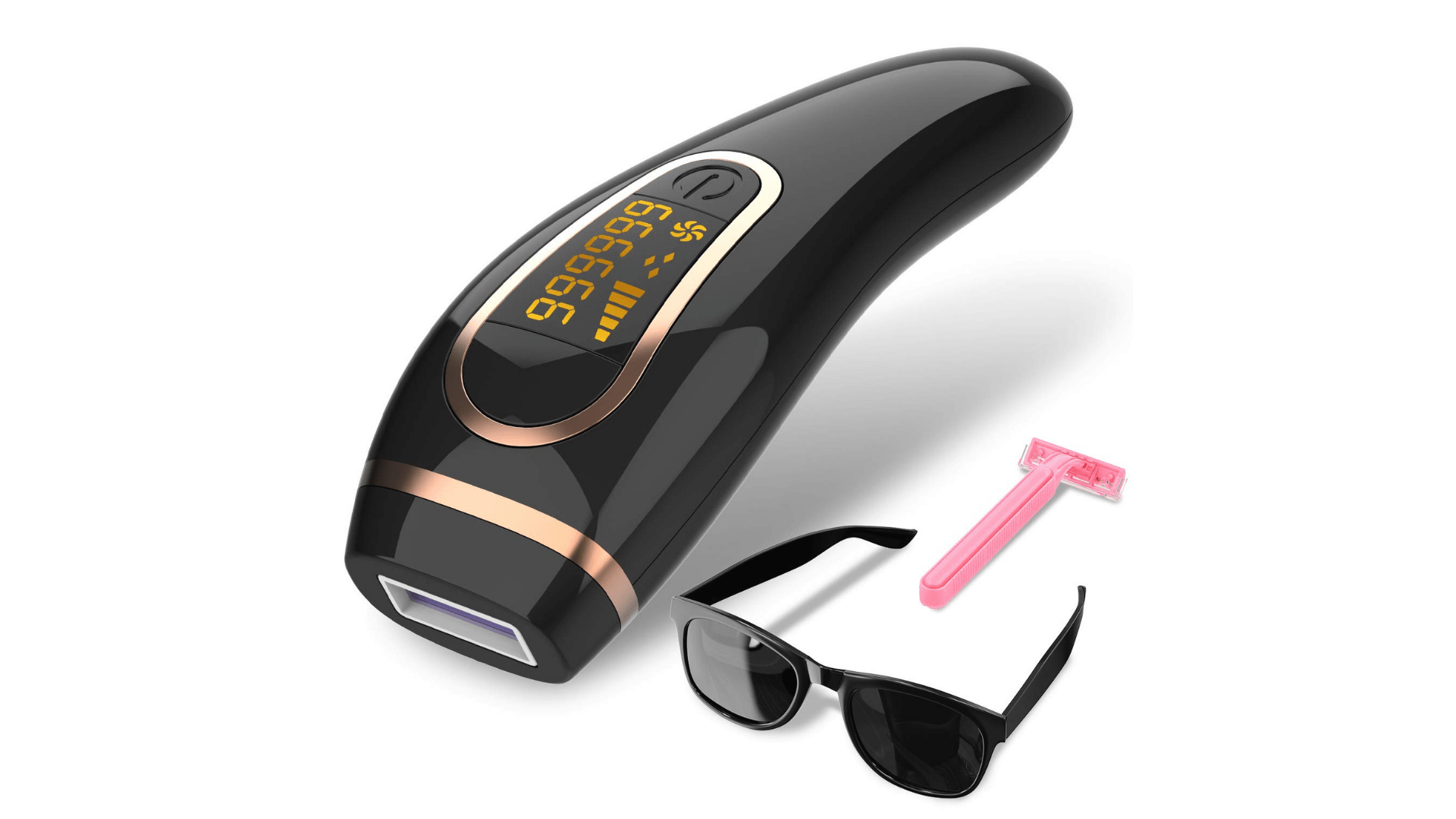
Choosing the right at-home hair removal solution requires evaluating multiple device specifications, safety features, skin tone compatibility, and financial trade-offs to find the single tool that best meets individual grooming requirements. While the term "laser" is commonly used in casual conversation, the vast majority of consumer-grade devices available for home use are actually Intense Pulsed Light (IPL) systems, which use broad-spectrum light rather than a single coherent laser wavelength.
Below is an examination of how these devices operate, what features distinguish top-performing options, and how to select the right tool based on your hair color, skin tone, and pain tolerance.
Understanding At-Home Hair Reduction Technology
To evaluate home hair removal tools accurately, it is necessary to understand the underlying physics and biological interaction of light-based devices. Both true home-use lasers (such as certain diode systems) and IPL devices rely on the principle of selective photothermolysis. This process targets the melanin pigment residing within the hair shaft and follicle.
[Light Emission] ---> [Melanin Absorption in Hair] ---> [Thermal Conversion] ---> [Follicle Stunned/Disabled]
When the device flashes, the light energy is absorbed by the melanin, converting rapidly into heat. This thermal energy travels down the hair shaft and damages the growth cells within the hair follicle, progressively delaying regrowth and eventually stunting future hair production.
However, because the technology targets melanin, its efficacy depends heavily on the contrast between your skin tone and your hair color. Light skin tones combined with dark brown or black hair provide the highest contrast, allowing the follicle to absorb maximum energy while the surrounding skin remains relatively cool. Conversely, individuals with very dark skin tones or very light hair (blonde, red, grey, or white) face significant limitations, as light-based devices cannot effectively distinguish between the melanin in the skin and the melanin in the hair, risking burns, hyperpigmentation, or complete inefficacy.
Key Factors When Evaluating Hair Removal Devices
Navigating the market of at-home hair removal tools involves analyzing several technical and practical metrics. Manufacturers often market high flash counts or rapid treatment speeds, but a holistic comparison requires looking closer at safety certifications, power output, and user ergonomics.
Wavelengths and Energy Fluence
Energy fluence, measured in joules per centimeter squared ($\text{J/cm}^2$), dictates the raw power delivered to the follicle. Higher fluence generally correlates with more stubborn hair reduction, but it also increases the sensation of heat or discomfort. Consumer devices typically operate between 3 and 10 $\text{J/cm}^2$, which is significantly lower than professional clinical lasers (which can exceed 30 $\text{J/cm}^2$), making home devices safer for untrained users but necessitating longer treatment schedules.
Safety Mechanisms and Skin Sensors
The risk of accidental eye damage or skin burns makes built-in safety features non-negotiable. Quality tools feature integrated skin tone sensors that automatically measure your pigmentation before every flash. If your skin tone is too dark for the device's safe operating limits, the internal microprocessor will lock the device and refuse to flash. Additionally, contact sensors ensure that the treatment window must be held completely flat against the skin to emit light, preventing accidental flashes into open air.
Treatment Modes and Speed
At-home devices generally offer two main operational modes:
- Gliding Mode (Stamping/Sliding): Ideal for large surface areas like legs or arms. You hold down the button and glide the device continuously along the skin, releasing automatic flashes at set intervals.
- Precision Mode: Designed for smaller, contoured zones such as the upper lip, chin, or bikini line, requiring manual button presses for targeted placement.
Comparison of Leading At-Home Light-Based Hair Removal Systems
When consumers search for the top-rated home hair removal option, several standout models consistently dominate clinical reviews and consumer feedback due to their reliability, build quality, and safety profiles. The following table contrasts key attributes of three prominent systems available on the market.
| Feature / Specification | Philips Lumea Series 9000 | Braun ExpertPro 5 (PL5137) | Silk’n Infinity 2.0 |
|---|---|---|---|
| Technology Type | Intense Pulsed Light (IPL) | Intense Pulsed Light (IPL) | Home Pulsed Light (HPL - IPL + Galvanic Energy) |
| Energy Output | Up to 6.5 $\text{J/cm}^2$ | Up to 6 $\text{J/cm}^2$ | Up to 5 $\text{J/cm}^2$ |
| Skin Tone Sensor | SmartSkin Sensor (Auto-adjusts) | SensoAdapt (Continuous 80x/sec) | Built-in skin color sensor |
| Corded or Cordless | Corded and Cordless usage | Corded only | Corded only |
| Average Full-Body Time | ~15 minutes | ~5 to 10 minutes | ~20 minutes |
Analyzing the Top Contenders
The Braun ExpertPro 5 is widely regarded for its continuous skin-reading technology. Its SensoAdapt sensor evaluates skin pigmentation eighty times per second, automatically modulating the light intensity for every single flash. This ensures that even across areas with subtle tonal variations (like thighs versus knees), the energy level remains optimized for safety and efficacy.
The Philips Lumea Series 9000 stands out for offering a cordless operational mode alongside corded use, providing exceptional maneuverability without a tethered power cable getting in the way. It also features curved attachment heads specifically engineered to match the anatomical contours of different body parts, such as concave areas around the underarms and convex curves on the shins.
The Silk’n Infinity 2.0 incorporates Home Pulsed Light (HPL) technology, which combines traditional optical light energy with galvanic energy. The galvanic current temporarily opens up the skin pores, allowing the light energy to penetrate more efficiently down the hair shaft, making it a viable alternative for individuals with slightly darker skin boundaries than standard IPL allows, subject to strict adherence to safety guidelines.
Safety, Preparation, and Operational Limitations
Achieving optimal results with home hair removal tools requires strict adherence to preparation protocols and an understanding of physiological constraints. Skipping steps can reduce effectiveness or lead to adverse dermatological reactions.
Pre-Treatment Preparation
- Shaving, Not Waxing: You must shave the treatment area 24 hours prior to using the device. Never wax, pluck, or epilate. Light-based devices target the hair root hidden beneath the skin; if the hair is plucked out, there is no target for the light energy to hit. Shaving leaves the hair root intact beneath the skin surface while eliminating surface hair that would otherwise absorb energy externally, cause burning, and produce unpleasant odors.
- Skin Cleanliness: Ensure the skin is clean, dry, and free from lotions, oils, deodorants, or self-tanning products. Residues can interact with light energy to cause localized burns or block light transmission.
- Sun Exposure Restrictions: Avoid direct, unprotected sun exposure and tanning beds for at least four weeks before and during your treatment cycle. Tanning increases surface melanin, narrowing the safety margin between your skin and your hair, which drastically raises the risk of blistering or hyperpigmentation.
Expected Timelines and Maintenance
At-home hair removal is not an overnight fix. Hair grows in distinct cycles: anagen (growth), catagen (transition), and telogen (resting). Light-based devices can only disable hairs currently in the active growth (anagen) phase. Because not all hairs grow simultaneously, achieving smooth skin requires a consistent initial treatment schedule—typically once every week for 4 to 12 weeks.
Once the initial schedule is complete, maintenance sessions every 1 to 2 months are usually necessary to catch stray follicles entering the growth phase.
Frequently Asked Questions
Are at-home laser and IPL devices permanent?
Most regulatory bodies classify home light-based devices as achieving "permanent hair reduction" rather than "permanent hair removal." This means a significant reduction in hair growth occurs, and any hair that does eventually grow back tends to be significantly finer, lighter, and sparser. Maintenance sessions are required to sustain long-term smooth results.
Does at-home hair removal hurt?
Sensations vary by individual pain threshold and the energy setting used. Most users describe the sensation as a warm snapping feeling against the skin, similar to a rubber band flicking the area. Modern devices often include built-in cooling mechanisms or gentle modes to minimize discomfort for sensitive areas like the bikini line or underarms.
Can these tools be used on facial hair?
Many devices are safe for facial use below the cheekbones (upper lip, chin, and jawline) for women, provided they include precision attachments and strict eye-safety guidelines are followed. However, they are generally not recommended for men's facial hair due to the density of the hair and the structural thickness of the skin in that region.
What happens if I use an IPL device on tanned skin?
Using a device on recently tanned or sunburned skin increases the risk of adverse reactions because excess surface melanin absorbs the light energy meant for the hair follicle. This can result in skin discoloration, blistering, or painful burns. Always allow tans to fade completely before resuming treatments.
Conclusion and Next Action
Selecting the best tool depends on evaluating your personal budget, skin-to-hair contrast, and structural preferences regarding corded versus cordless operation. Before purchasing, verify your skin tone against the manufacturer's compatibility scale, perform a patch test on a small area of skin 48 hours before your first full session, and commit to the recommended multi-week schedule to evaluate genuine performance.