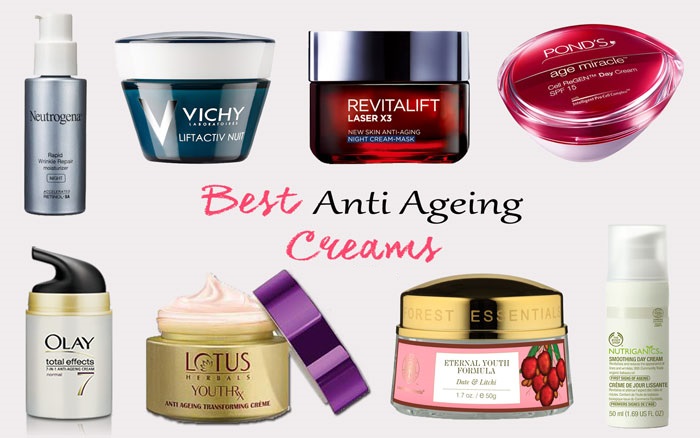
Finding the best anti-aging cream for UK women involves balancing high-potency ingredients like retinal and peptides with the hydrating needs necessitated by the UK’s hard water and temperate, often damp climate. For 2026, the No7 Future Renew Damage Reversal Night Cream remains the top overall choice for its accessibility and clinically proven peptide technology, while Medik8 Crystal Retinal is the superior choice for targeted wrinkle reduction.
The Evolution of Anti-Aging Skincare in the UK (2026)
By 2026, the UK skincare market has shifted significantly away from "miracle" claims toward transparent, ingredient-led formulations. British consumers are increasingly savvy, looking beyond elegant packaging to verify the concentrations of active ingredients. The primary concerns for UK women typically involve fine lines, loss of elasticity, and "inflammaging"—low-grade chronic inflammation often exacerbated by urban pollution in cities like London, Manchester, and Birmingham.
Furthermore, the UK's specific environmental factors play a massive role in how these creams perform. Hard water, prevalent in South East England, can strip the skin’s natural barrier, making the inclusion of ceramides and Niacinamide in anti-aging creams more critical than ever. In 2026, the "best" cream is no longer just about smoothing a wrinkle; it is about restoring the skin barrier to prevent future damage.
Understanding Key Anti-Aging Ingredients
Before comparing specific products, it is essential to understand the "Big Three" ingredient groups that dominate the UK market in 2026.
1. Retinoids (Retinol, Retinal, and Tretinoin)
Retinoids remain the gold standard for anti-aging. They work by increasing cell turnover and stimulating collagen production. In the UK, over-the-counter (OTC) strengths are strictly regulated, leading to the rise of Retinaldehyde (Retinal), which acts up to 11 times faster than traditional retinol but with less irritation.
2. Peptides and Growth Factors
Peptides are short chains of amino acids that act as messengers, telling the skin to produce more collagen or elastin. The most famous of these in the UK is Matrixyl 3000, though newer iterations like Pepticology (developed by the University of Manchester in partnership with No7) have become the benchmark for 2026.
3. Hyaluronic Acid and Ceramides
While not "corrective" in the way retinol is, these ingredients are vital for the UK climate. Hyaluronic acid pulls moisture into the skin, while ceramides lock it in. This "plumping" effect provides immediate results by filling out fine lines caused by dehydration.
Professional Advice Limitation: This guide is for informational purposes. Skincare results vary based on individual health, genetics, and skin type. Consult a dermatologist before starting high-strength retinoids, especially if you have rosacea, eczema, or are pregnant/breastfeeding.
Top 5 Anti-Aging Creams for UK Women Compared
To determine the best anti-aging cream, we have evaluated the top-performing products currently available in UK pharmacies and department stores, focusing on efficacy, price-to-volume ratio, and suitability for the British climate.
1. No7 Future Renew Damage Reversal Night Cream
No7 has long been a staple of the British high street, and their Future Renew range, powered by a proprietary "Pepticology" blend, remains a market leader in 2026.
- Why it works: This cream focuses on skin repair rather than just prevention. The peptide blend mimics the skin's natural repair process.
- The Experience: It has a rich, "cushiony" texture that offsets the drying effects of UK central heating.
- Best for: Women over 40 noticing the first signs of structural "sagging" or sun damage from years of European holidays.
2. Medik8 Crystal Retinal (Various Strengths)
Medik8 is a UK-born brand that has revolutionised the use of Retinaldehyde. Unlike traditional creams, this comes in a ladder system (CR1 to CR20), allowing users to build tolerance.
- Why it works: Retinaldehyde is only one conversion step away from retinoic acid (the active form), making it significantly more potent than the retinol found in most Boots-bought creams.
- The Experience: A lightweight, orange-tinted cream that absorbs instantly. It includes Vitamin E and Hyaluronic Acid to mitigate the "retinol purge."
- Best for: Those focused on deep-set wrinkles and skin texture who want professional-grade results at home.
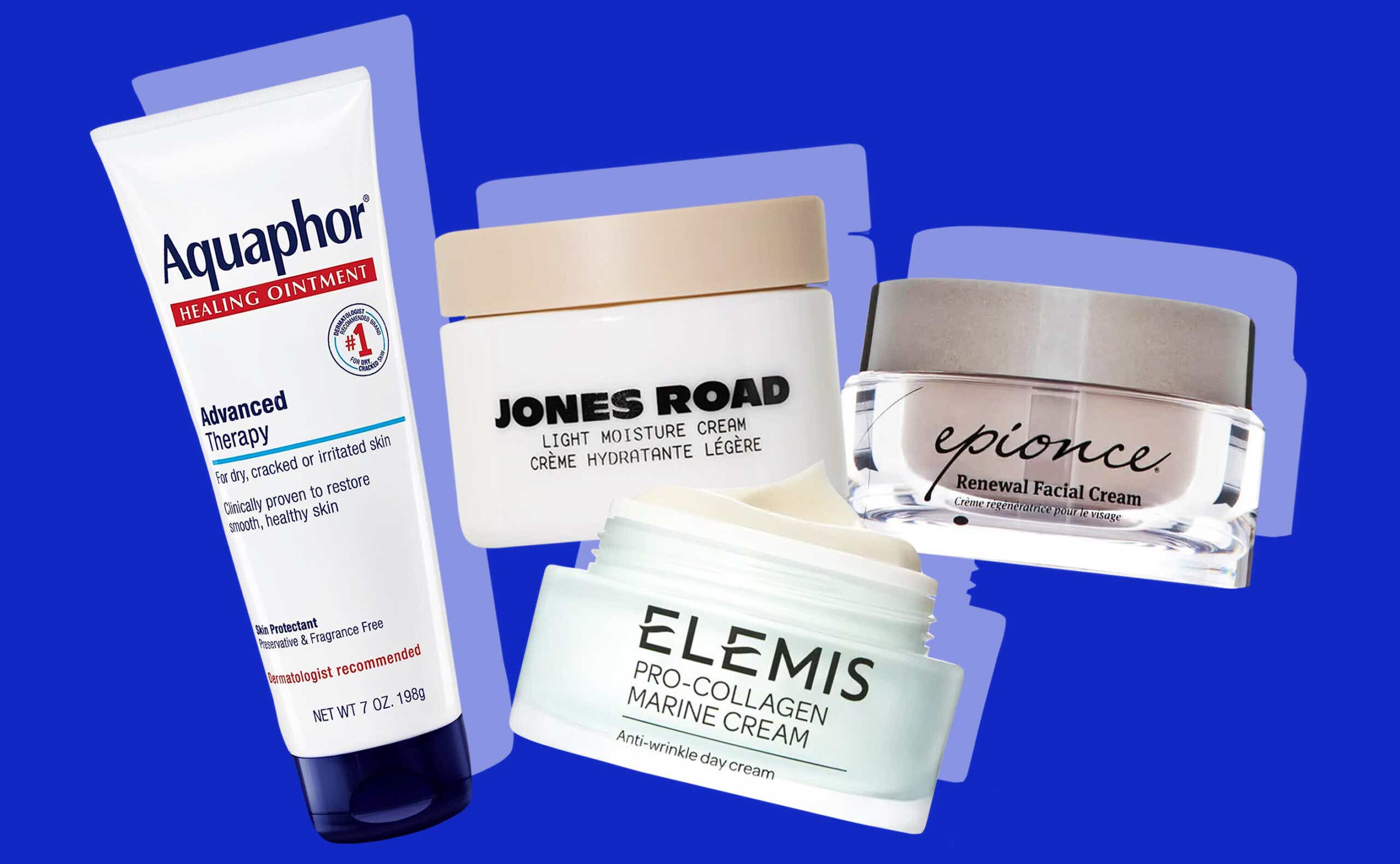
3. Elemis Pro-Collagen Marine Cream
A luxury British icon, this cream is frequently cited as the UK’s best-selling premium anti-ageing moisturiser.
- Why it works: It uses Mediterranean algae (Padina Pavonica) to increase hydration levels, which in turn improves skin firmness.
- The Experience: Ultra-lightweight and gel-like. It is famous for its "spa-like" scent and how well it sits under makeup.
- Best for: Women in their 30s and 40s who prefer a lightweight texture and a luxury sensory experience over heavy chemical actives.
4. Olay Regenerist 3-Point Firming Cream
Olay remains a powerhouse in the UK due to its high concentration of Niacinamide (Vitamin B3) and Amino-Peptides.
- Why it works: It targets the three areas most prone to aging: the eyes, jawline, and neck. The 2026 formulation has been updated to exclude specific parabens and include more sustainable sourcing.
- The Experience: A thick, reliable cream that provides an instant matte-but-hydrated finish.
- Best for: Budget-conscious shoppers who want a proven, scientific formula available at any local Superdrug or grocery store.
5. La Roche-Posay Redermic Retinol (UK Formulation)
As a French pharmacy brand with huge UK distribution, La Roche-Posay is the go-to for those with sensitive skin.
- Why it works: It combines pure retinol with a "gradual release" retinol to ensure the skin isn't overwhelmed. It also contains Hepes for gentle exfoliation.
- The Experience: Very fluid and non-greasy.
- Best for: Women with reactive skin or those who have previously found anti-aging creams too "stinging."
2026 UK Comparison Table
| Product | Primary Active Ingredient | Target Concern | Price Range (GBP) | Availability |
|---|---|---|---|---|
| No7 Future Renew | Pepticology Peptides | Structural Damage | £30 - £40 | Boots / Online |
| Medik8 Crystal Retinal | Retinaldehyde | Deep Wrinkles/Texture | £45 - £99 | Professional Salons / Online |
| Elemis Pro-Collagen | Padina Pavonica (Algae) | Hydration & Fine Lines | £85 - £110 | John Lewis / Spas |
| Olay Regenerist | Niacinamide & Peptides | Firming/Jawline | £15 - £35 | Supermarkets / High Street |
| La Roche-Posay Redermic | Gradual Release Retinol | Sensitive Skin Aging | £30 - £45 | Pharmacies |
How the UK Environment Affects Your Cream’s Performance
When choosing the "1 best" cream, you must consider the environmental stressors unique to the United Kingdom.
The Hard Water Factor
In London and the South East, the high mineral content in tap water can leave a residue on the skin that disrupts the acid mantle. This makes anti-aging creams that contain chelating agents or high concentrations of Niacinamide (like the Olay Regenerist) particularly effective, as they help repair the barrier that hard water damages.
Pollution and the "Urban Shield"
Women living in major UK cities face higher levels of particulate matter. By 2026, many anti-aging creams have added "anti-pollution" complexes. These are essentially high-dose antioxidants like Vitamin C or Ferulic Acid that neutralise free radicals caused by exhaust fumes and city grime.
The Lack of Consistent UV (The "Vitamin D" Trap)
While the UK isn't known for constant sunshine, UVA rays (the "ageing" rays) are present year-round, even on cloudy days in Manchester or Edinburgh. The best anti-aging routine in the UK always separates "correction" (the night cream) from "protection" (a dedicated SPF 50). Using an anti-aging cream with built-in SPF 15 is generally considered insufficient by 2026 standards; a separate high-factor sunscreen is required to preserve the effects of your expensive anti-aging cream.
Common Mistakes When Using Anti-Aging Creams
Even the best cream will fail if applied incorrectly. UK dermatologists frequently cite these three errors:
- Applying to Bone-Dry Skin: Most UK homes are very dry due to radiator heating. Applying a hyaluronic-based cream to bone-dry skin can actually draw moisture out of the deeper layers. Apply your moisturiser to slightly damp skin to "trap" that hydration.
- Neglecting the Neck and Décolletage: We often see "the UK contrast," where a woman has perfectly maintained facial skin but significant sun damage and sagging on the neck. Always carry your cream down to the chest area.
- Inconsistency: Many consumers switch products too quickly. In 2026, we know that skin cycles take roughly 28 to 40 days. You must use a product consistently for at least 8 to 12 weeks to see a material difference in collagen density.
Frequently Asked Questions
What is the difference between Retinol and Retinal available in the UK?
Retinol is a standard form of Vitamin A that requires two conversions within the skin to become active. Retinal (Retinaldehyde) only requires one conversion. In the UK market of 2026, Retinal is preferred for those wanting faster results without the prescription requirement of Tretinoin. Medik8 is currently the leading UK provider of stabilised Retinal.
Can I use these creams with UK "Hard Water"?
Yes, but you may find that you need to use a slightly larger amount of product or a hydrating toner beforehand. Hard water minerals can make the skin feel tight; using a cream rich in ceramides (like No7 or CeraVe) helps to replenish the lipids that hard water strips away.
Is it worth buying luxury brands like Elemis over high-street brands like Olay?
The choice depends on your priorities. Luxury brands like Elemis often invest more in "sensory science"—the smell, the feel, and how the product sits under makeup. High-street brands like Olay or No7 often have larger clinical trial budgets and offer similar or superior active ingredient concentrations for a fraction of the price. If you want results on a budget, go for No7. If you want a luxury experience, go for Elemis.
At what age should UK women start using anti-aging creams?
Prevention generally begins in the mid-20s with Vitamin C and SPF. However, corrective anti-aging creams (those containing retinoids or heavy peptides) are typically introduced in the early 30s, when natural collagen production begins to decline by approximately 1% per year.
Are "organic" anti-aging creams as effective as chemical ones?
In 2026, the gap has narrowed, but "chemical" actives like Retinol still outperform botanical alternatives like Bakuchiol in clinical trials for wrinkle depth reduction. Organic options are excellent for hydration and glow but may take significantly longer to show "lifting" or "reversal" effects.
Final Recommendation: Which One Should You Buy?
If you are looking for the absolute 1 best anti-aging cream for UK women that balances cost, scientific backing, and climate suitability, the No7 Future Renew Damage Reversal Night Cream is the winner. Its specific focus on repairing environmental damage—highly relevant for the UK’s pollution and weather—combined with the University of Manchester's peptide research, makes it a formidable product that outperforms many creams triple its price.
However, if your primary goal is the aggressive reduction of existing deep wrinkles and you have the budget, Medik8 Crystal Retinal is the gold standard for 2026, offering a clear "step-up" system that delivers results closest to a prescription-strength treatment.