Traveling from Atlantic City, New Jersey, to Ocean City, Maryland, involves a journey of approximately 100 miles when utilizing the Cape May-Lewes Ferry. This route serves as the most direct geographic connection between these two iconic East Coast boardwalk destinations, typically requiring between 2.5 and 4 hours depending on ferry schedules.
The Mid-Atlantic coastline is home to some of the most famous resort towns in the United States, and for many travelers, the trip between Atlantic City (AC) and Ocean City, Maryland (OCMD) is a staple of regional tourism. While they are both premiere beach destinations, they offer vastly different atmospheres—Atlantic City is defined by its high-rise casinos and gaming history, while Ocean City, Maryland, is renowned for its family-centric boardwalk and coastal charm. Navigating the 100-mile gap between them requires choosing between a scenic maritime crossing or a longer, more traditional highway drive.
Understanding the Geographic Gap
The distance of roughly 100 miles is not a straight line on a single highway. Because the Delaware Bay separates southern New Jersey from the Delmarva Peninsula (comprising parts of Delaware, Maryland, and Virginia), travelers must account for the water.
If you were to drive "around" the bay using only bridges and highways, the distance increases significantly to approximately 145 to 155 miles, depending on your starting point in Atlantic City. The "100-mile" figure specifically refers to the optimized route that cuts across the mouth of the Delaware Bay.
The Coastal Connection vs. The Inland Detour
There are two primary ways to navigate this distance. The choice you make impacts not only the mileage but also the "wear and tear" on the driver.
- The Coastal Route (Approx. 95–105 miles): This involves taking the Garden State Parkway south to its terminus in Cape May, New Jersey, boarding the Cape May-Lewes Ferry, and then driving south through Delaware into Maryland.
- The Inland Route (Approx. 145–155 miles): This route utilizes the Atlantic City Expressway, the Delaware Memorial Bridge, and then follows Route 1 or US-13 south through Delaware.
In 2026, both routes remain popular, though the coastal route is widely considered the "vacation" route, whereas the inland route is preferred by those traveling late at night or during the off-season when ferry crossings are less frequent.
The Scenic Option: The Cape May-Lewes Ferry
For most travelers looking to keep the trip close to the 100-mile mark, the Cape May-Lewes Ferry is the centerpiece of the journey. Operated by the Delaware River and Bay Authority (DRBA), this ferry service has been a vital link since the mid-1960s.
Logistics and Timing
The ferry crossing itself covers approximately 17 miles across the Delaware Bay. The voyage takes about 85 minutes. However, travelers must arrive at the terminal at least 45 to 60 minutes before departure for staging and loading.
When you factor in the 45-mile drive from Atlantic City to the Cape May terminal and the 30-mile drive from the Lewes terminal to Ocean City, Maryland, the "active" driving time is only about 75 to 90 minutes. The rest of the time is spent relaxing on the vessel.
Onboard Amenities and Experience
As of 2026, the ferry fleet has seen several upgrades to enhance the passenger experience. The vessels offer:
- Climate-controlled lounges: Essential for the humid Mid-Atlantic summers or brisk autumn days.
- Food and Beverage Services: Full-service snack bars and, on many crossings, outdoor "Lido" bars that serve regional craft beers and cocktails.
- EV Charging: While not available on the boats themselves due to weight and power constraints, both the Cape May and Lewes terminals have expanded their Level 3 fast-charging infrastructure to accommodate the high volume of electric vehicles in 2026.
Cost Considerations
The ferry is a premium travel option. Pricing is tiered based on the vehicle size and the number of passengers. For a standard passenger vehicle with two occupants, one-way fares in 2026 typically range from $45 to $65. While more expensive than the tolls on the Delaware Memorial Bridge, many travelers justify the cost by the savings in fuel and the reduction in driving fatigue.
The All-Land Route: Driving via the Delaware Memorial Bridge
If the ferry is fully booked or if you are traveling during a time of year when the ferry schedule is reduced, the inland route is your primary alternative. While it adds about 50 miles to the trip, it offers a more predictable timeline for those who do not want to be beholden to a boat schedule.
Route Breakdown
From Atlantic City, you will typically take the Atlantic City Expressway West. You will then transition to Route 40 West or I-295 South to reach the Delaware Memorial Bridge. This bridge is the critical link between New Jersey and the Delmarva Peninsula.
Once across the bridge into Delaware, you have two main choices:
- DE-1 South: This is a toll road that bypasses much of the local traffic in northern and central Delaware. It is the fastest land route to the beach.
- US-13 (DuPont Highway): This is a non-toll alternative, but it is heavily congested with stoplights and commercial development. It is generally not recommended for a quick trip.
Traffic Bottlenecks in 2026
Even in 2026, certain areas remain prone to congestion. The interchange where the Atlantic City Expressway meets the Garden State Parkway can be slow on Friday afternoons. Additionally, the construction projects on the Delaware Memorial Bridge—often necessary for maintenance on such a high-traffic span—can cause delays. Real-time GPS apps are essential for navigating these 150 miles efficiently.
Comparing the Two Paths
When deciding how to cover the 100-plus miles between these two cities, it helps to see the data side-by-side.
| Feature | The Coastal Route (Ferry) | The Inland Route (Highway) |
|---|---|---|
| Total Distance | ~95–100 miles | ~145–155 miles |
| Estimated Time | 3.5 to 4.5 hours (including wait) | 2.5 to 3.5 hours |
| Primary Roadways | GSP, DE-1, DE-113 | AC Expressway, I-295, DE-1 |
| Major Tolls/Fees | Ferry Fee ($45+) + GSP Tolls | AC Expressway + DE Memorial Bridge + DE-1 Tolls |
| Pros | Relaxing, scenic, less driving, pet-friendly | Faster, no schedule constraints, usually cheaper |
| Cons | Requires reservation, expensive, weather-dependent | High traffic, bridge congestion, boring scenery |
Major Waypoints and Stops Along the 100-Mile Journey
The stretch between Atlantic City and Ocean City, Maryland, is not just empty highway. It is dotted with historic towns and natural beauty that are worth a stop if your schedule allows.
Cape May, New Jersey
Before boarding the ferry, Cape May offers a glimpse into Victorian-era Americana. As a National Historic Landmark, the city is famous for its "gingerbread" houses and pristine beaches. Many travelers from Atlantic City choose to arrive in Cape May several hours early to have lunch at the Washington Street Mall or visit the Cape May Lighthouse.
Lewes, Delaware
Upon exiting the ferry in Delaware, you enter Lewes, the "First Town in the First State." Lewes is much quieter than Atlantic City. It features the Zwaanendael Museum and the scenic Cape Henlopen State Park. If you are a fan of nature, the "Walking Dunes" at Cape Henlopen offer a stark contrast to the neon lights of the casinos you left behind.
Rehoboth Beach and Dewey Beach
As you head south from Lewes toward Ocean City, you will pass through Rehoboth and Dewey. Rehoboth is known for its high-end dining and "tax-free" outlet shopping, which remains a massive draw for NJ and MD residents in 2026. Dewey Beach is the nightlife hub of the Delaware shore, often packed with live music fans during the summer months.
Travel Logistics and Infrastructure in 2026
Traveling in 2026 involves considerations that were less prominent a decade ago. The shift toward sustainable travel and smarter infrastructure has changed how we navigate the 100 miles between AC and OCMD.
Electric Vehicle (EV) Infrastructure
The corridor between southern New Jersey and Maryland is now well-equipped for long-range EVs. In addition to the terminal chargers at the ferry, major rest stops on the Garden State Parkway (such as the Ocean View Service Area) and the Delaware Highway 1 plazas offer high-capacity charging. For those driving the 100-mile coastal route, a full charge in Atlantic City is usually more than enough to reach Ocean City, MD, even with the ferry wait.
Seasonal Demand
It is important to note that the "100 miles" can feel like 500 miles on a holiday weekend. During the summer of 2026, the Friday-south and Sunday-north patterns remain intense. If you are taking the ferry, reservations are often required weeks in advance for peak times. If you are driving the inland route, traveling "off-peak" (before 10:00 AM or after 7:00 PM) can shave an hour off your travel time.
Comparing the Two Boardwalk Icons
Why do people make this 100-mile trip? Often, it is to experience the "other" side of Mid-Atlantic beach culture.
Atlantic City: The "Las Vegas of the East"
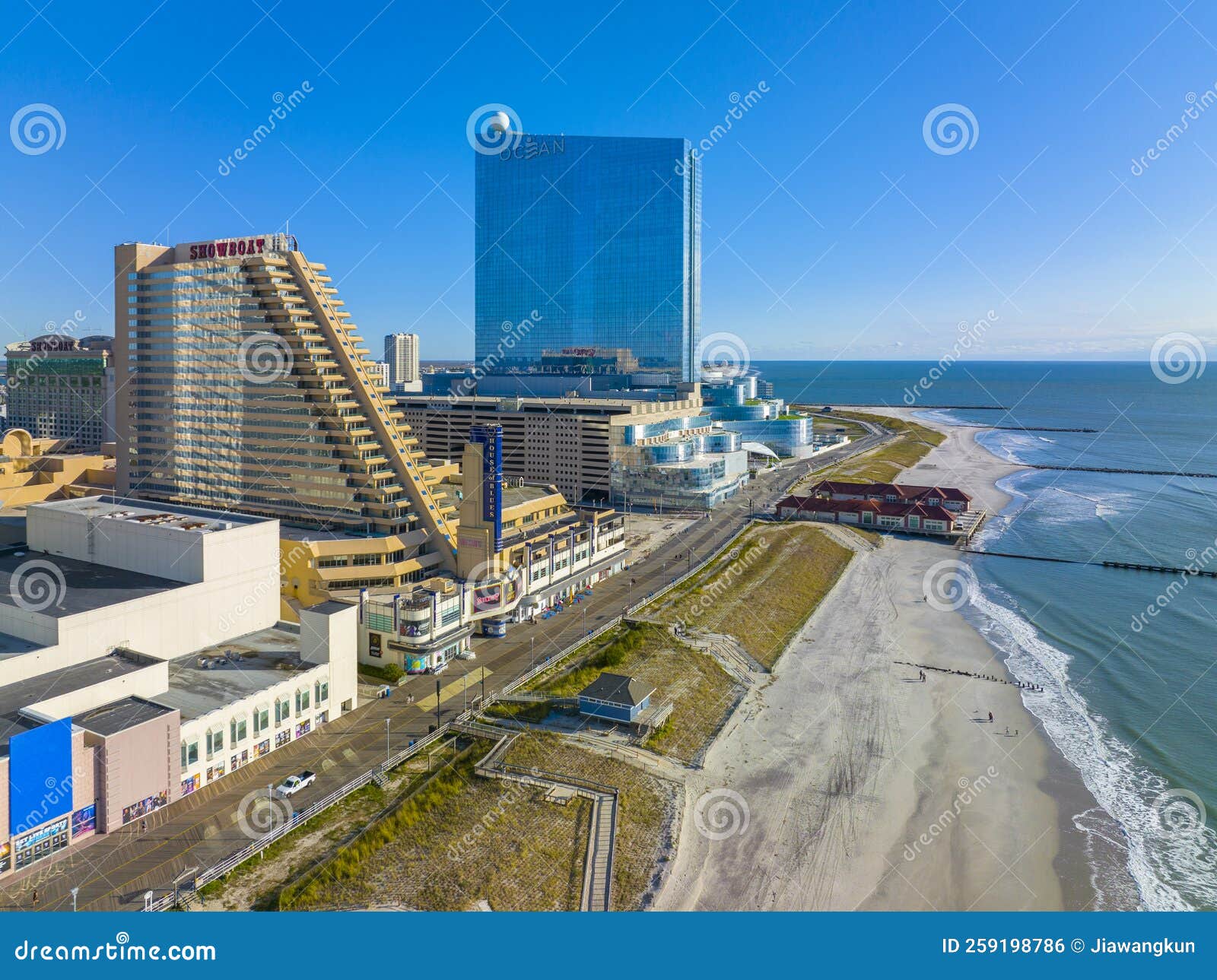
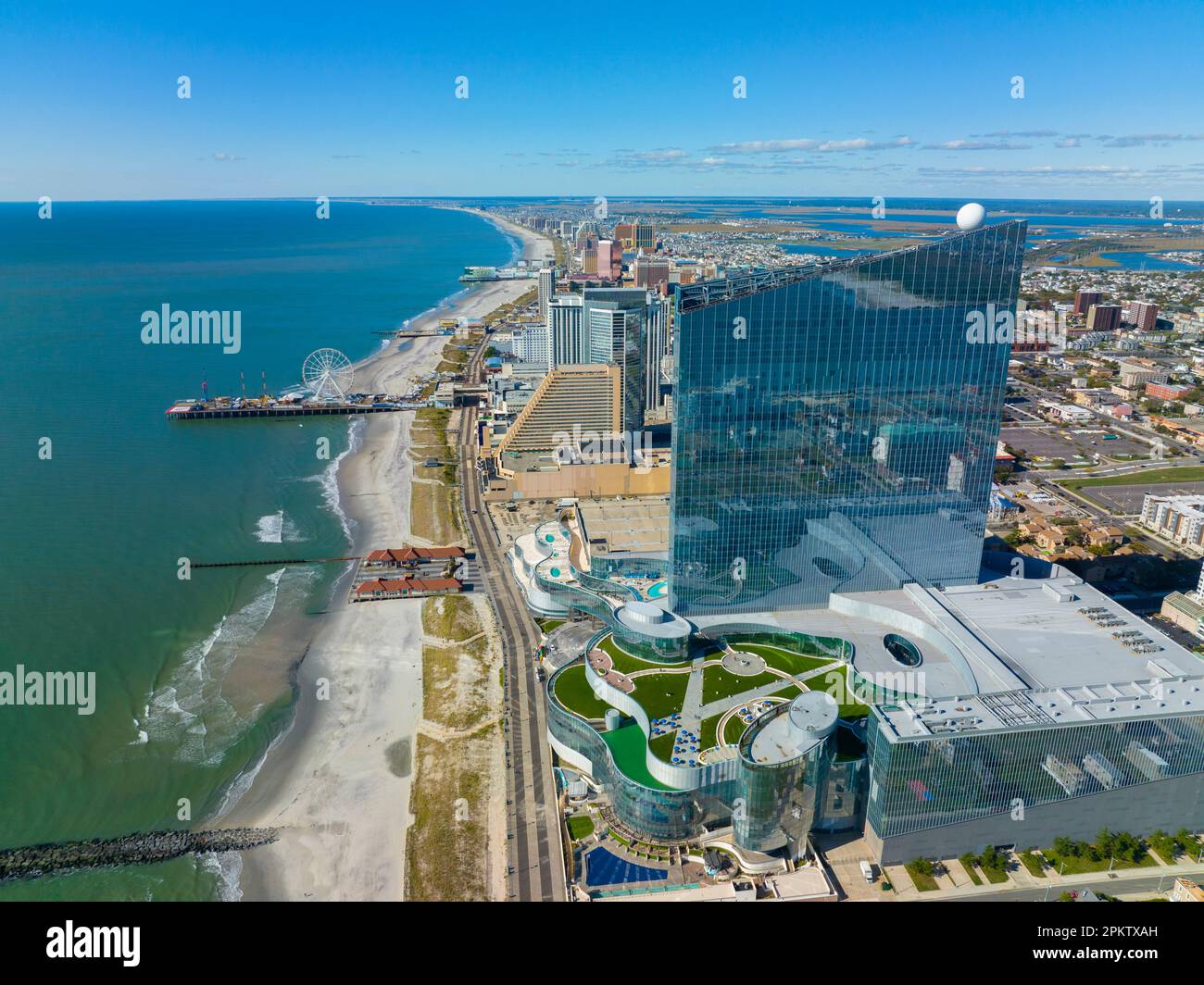
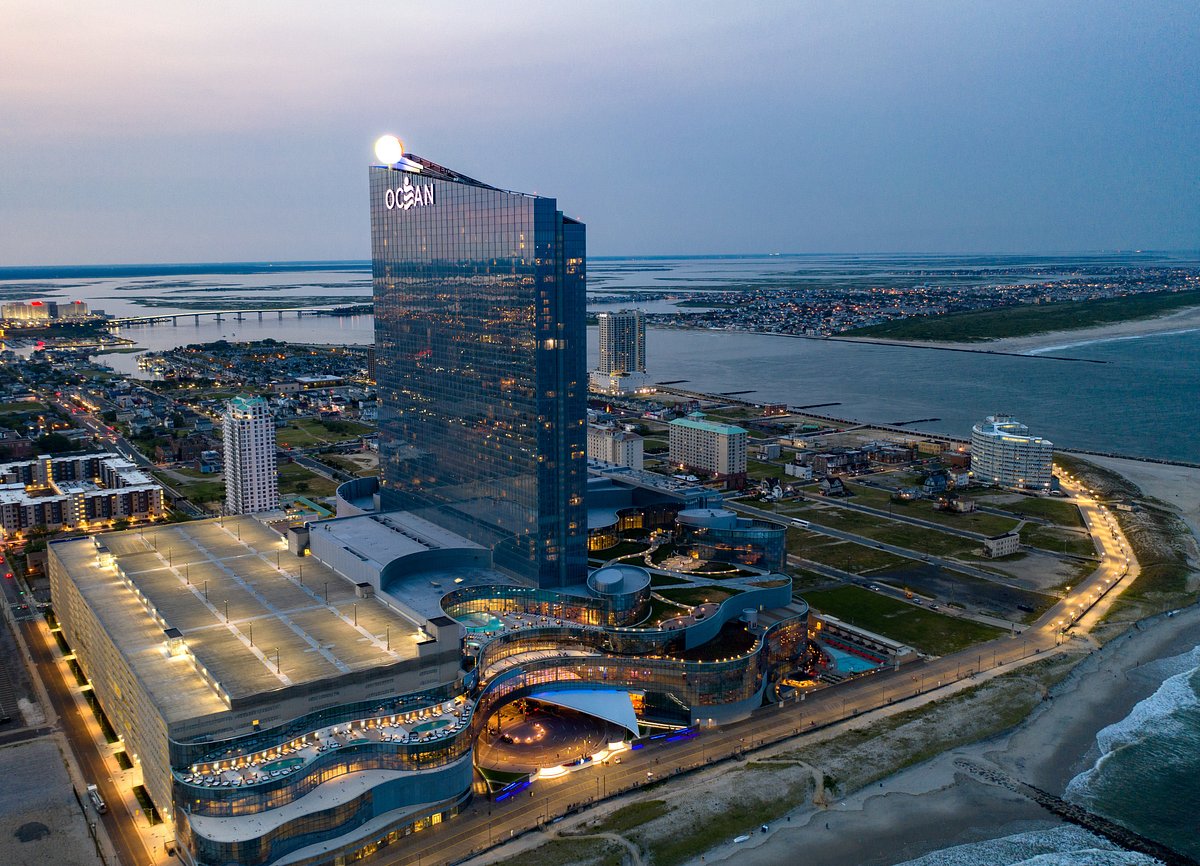
Atlantic City is a city of superlatives. It has the world's first boardwalk (dating back to 1870) and remains a center for major concerts, professional boxing, and high-stakes gaming. The architecture is dominated by massive hotel towers like the Borgata, Hard Rock, and Ocean Casino Resort. The experience here is often indoors, centered around the casino floor and luxury spas.
Ocean City, Maryland: The Family Playground
Ocean City, MD, by contrast, feels more sprawling and low-slung. While it has plenty of high-rise condos, the vibe is centered on the 2.7-mile boardwalk's amusements, such as Trimper’s Rides and Jolly Roger. It is famously "cleaner" in its reputation as a family destination, focusing on saltwater taffy, Fisher’s Popcorn, and Maryland blue crabs. The 100-mile distance is just enough to separate two entirely different worlds of coastal entertainment.
Frequently Asked Questions
Is there a bus or train that connects the two cities?
There is no direct train service between Atlantic City and Ocean City, Maryland. Travelers relying on public transit would typically need to use a combination of NJ Transit buses to Cape May, the ferry as a foot passenger, and the DART First State bus system in Delaware. This is a time-consuming process that can take 6-8 hours. Most visitors prefer to drive or use a private car service.
Can I take my pet on the ferry for this trip?
Yes, the Cape May-Lewes Ferry is famously pet-friendly. Pets are allowed on the external decks of the vessels at no extra charge, provided they are on a leash. This makes the 100-mile coastal route a favorite for dog owners traveling between the two resorts.
How much do tolls cost for the inland route in 2026?
If you choose the 150-mile inland route, you will encounter multiple tolls. As of 2026, the Atlantic City Expressway, the Delaware Memorial Bridge ($5.00+ for passenger cars), and the DE-1 toll road (variable pricing) can result in a total one-way cost of roughly $15 to $22. This is still significantly cheaper than the ferry but involves more fuel and time.
Is the ferry operational during the winter?
The ferry operates year-round, but the frequency of crossings is significantly reduced from November through March. During the winter, there may only be three or four departures per day. If you are traveling during these months, the inland route via the Delaware Memorial Bridge is often the more practical choice despite the extra mileage.
Which city is better for a weekend trip?
It depends on your interests. If you want gambling, nightlife, and world-class entertainment, Atlantic City is the choice. If you want a classic family beach vacation with amusement parks and a slower pace, Ocean City, Maryland, is superior. Because they are only 100 miles apart, many visitors choose to split their week between both.
Practical Recommendations for Your Trip
To make the most of the journey between Atlantic City and Ocean City, Maryland, plan your route based on the time of day and your budget.
If you value comfort and scenery, book a ferry reservation at least two weeks in advance for summer travel. This allows you to bypass the long drive around the bay and provides a 100-mile journey that feels more like a mini-cruise than a commute. Be sure to check the weather forecast, as high winds in the Delaware Bay can occasionally cause ferry delays or cancellations.
For those on a tighter schedule or a smaller budget, the inland route via the Delaware Memorial Bridge is reliable and straightforward. Use a navigation app to monitor traffic on the bridge, as this is the most likely spot for significant delays. Regardless of which path you choose, the trip between these two coastal landmarks remains one of the premier road-trip experiences in the Northeast.