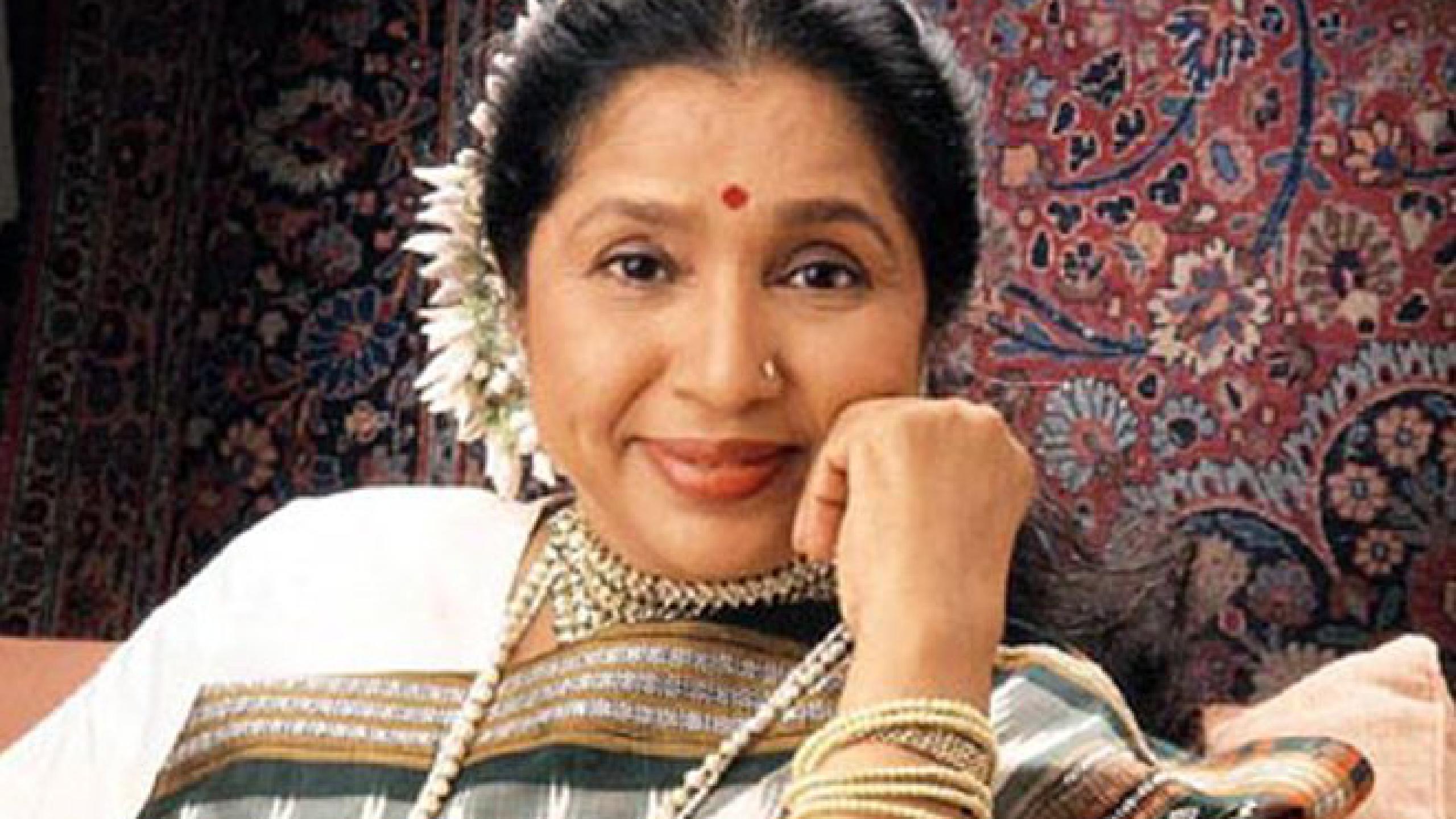
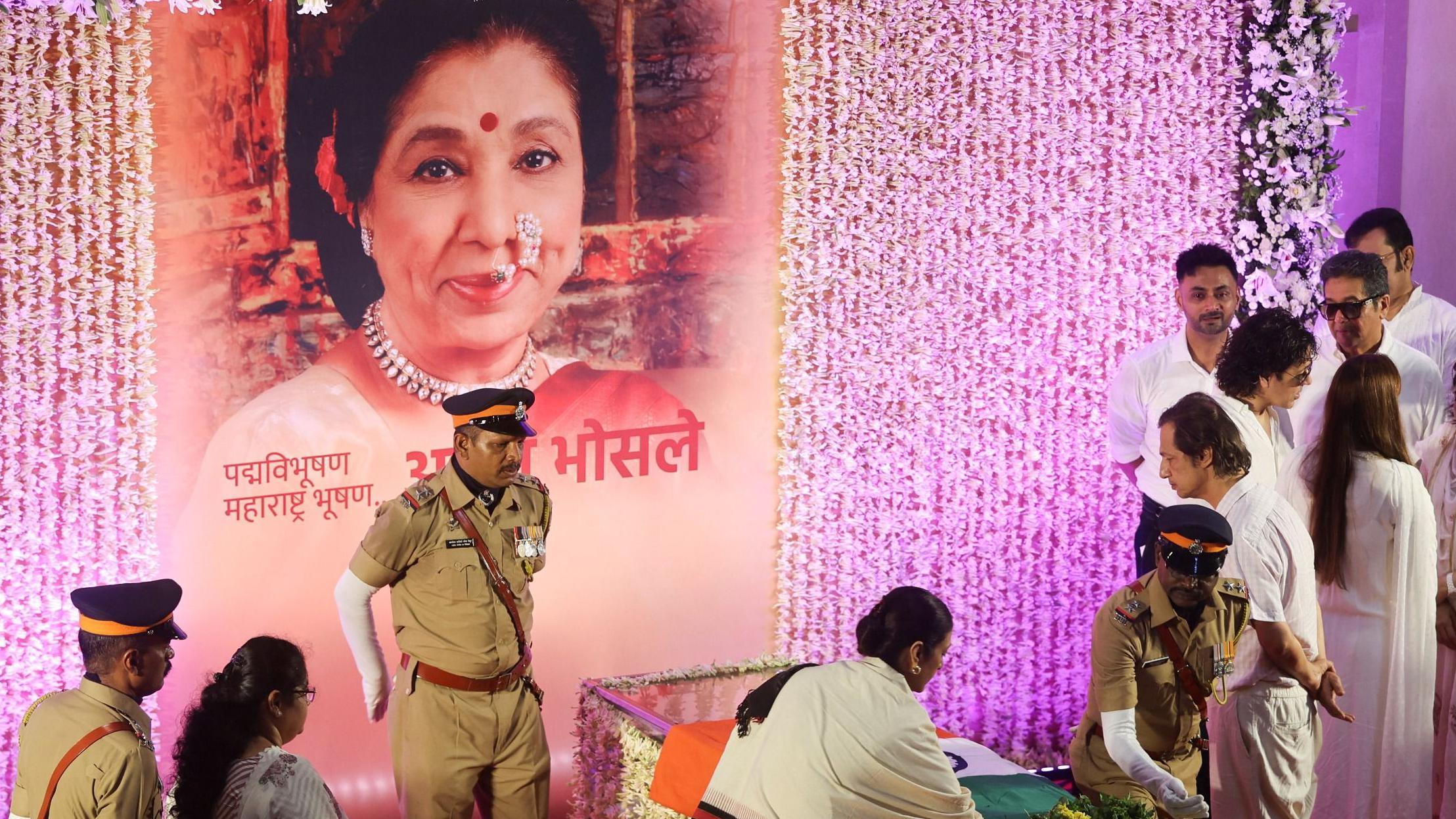
Asha Bhosle is an iconic Indian playback singer whose career spans over eight decades, encompassing thousands of recorded songs across multiple languages, genres, and cultural eras. Celebrated for her remarkable vocal versatility, expressive range, and ability to adapt to shifting musical landscapes, she remains one of the most influential and enduring figures in the history of Indian cinema and popular music.
Introduction to an Unprecedented Musical Journey
The history of Indian film music cannot be written without acknowledging the monumental contributions of Asha Bhosle. Emerging in an era dominated by classical traditions, she carved a distinct path defined by technical precision, emotional depth, and an adventurous spirit that embraced everything from classical ghazals and thumris to Western-influenced cabaret numbers, rock, and contemporary pop.
Born into a musically gifted family, Bhosle navigated early professional hardships, industry gatekeepers, and intense personal challenges to establish herself as an indispensable voice in Bollywood. Her extensive collaboration with legendary music directors such as O.P. Naydar, R.D. Burman, Madan Mohan, and Khayyam produced a staggering catalog of timeless classics. Beyond her commercial success, her work fundamentally reshaped the sonic identity of Indian cinema, empowering female vocalists to step outside conventional melodic boundaries and explore complex rhythmic and stylistic territories.
Early Life and Musical Heritage
Asha Bhosle was born on September 8, 1933, in the small village of Goar in Sangli, which is part of present-day Maharashtra, India. Music was deeply embedded in her lineage. Her father, Pandit Deenanath Mangeshkar, was a renowned classical singer and theatrical actor who provided her with her earliest vocal training. Following her father’s premature death in 1942, the burden of financial survival fell upon the young children, forcing Asha and her older sister, Lata Mangeshkar, to enter the film industry as child singers and actors.
The family relocated to Pune and later to Mumbai, where the sisters navigated the demanding environment of the Marathi and Hindi film industries. Bhosle recorded her first Hindi film song, "Chala Let Jaoon" for the movie Majha Baal (1943), composed by Datta Davjekar. Despite these early professional steps, the initial years were marked by intense financial struggle, fierce industry competition, and the necessity of accepting virtually any available singing assignment to support her family.
| Milestone / Period | Professional Focus & Key Developments |
|---|---|
| 1940s | Early child playback singing, minor film roles, and foundational classical training under family guidance. |
| 1950s | Breakthrough collaborations with O.P. Nayyar; transition to primary playback assignments for leading heroines. |
| 1960s–1970s | Dominance in diverse genres, ranging from classical ghazals (Umrao Jaan) to upbeat westernized dance tracks. |
| 1980s–Present | Genre-defying experimentation, international collaborations, live concerts, and recognition as a living legend. |
Evolution of Style and Vocal Versatility
What distinguished Asha Bhosle from many of her contemporaries was her extraordinary vocal agility. While classical purity was often prioritized in mid-century Indian cinema, Bhosle possessed a timbre that could shift effortlessly from sultry and provocative to sweet, melancholic, or playful. This stylistic fluidity made her the preferred choice for vamp roles, cabaret numbers, and character-driven songs that other singers might have avoided.
Her collaboration with music director O.P. Nayyar during the 1950s proved transformative. Together, they crafted vibrant, rhythm-heavy tracks driven by distinctive dholak and fast-paced orchestral arrangements. Songs like "Aane Se Uske Aaye Bahar" and "Pukarta Chala Hoon Main" showcased her unique ability to maintain precise pitch and rhythmic timing amidst complex arrangements. Later, her partnership and eventual marriage to musical innovator R.D. Burman in 1980 opened up entirely new creative horizons, introducing funk, disco, jazz, and rock influences to the Bollywood mainstream.
Landmark Collaborations and Iconic Discography
Bhosle’s discography is exceptionally vast, with industry estimates suggesting she has recorded over 12,000 songs in more than twenty languages, including Hindi, Marathi, Bengali, Gujarati, Tamil, Telugu, Malayalam, English, and even foreign languages like Russian and Malay. Her body of work covers several distinct musical epochs:
- The Classical and Ghazal Repertoire: Demonstrating deep grounding in Hindustani classical music, her work in films like Umrao Jaan (1981), with music by Khayyam, produced masterpieces such as "In Aankhon Ki Masti Ke" and "Dil Cheez Kya Hai." Her emotional delivery captured the nuanced poetry and tragic romance of the Lucknow courtesan tradition.
- The Cabaret and Pop Era: Tracks like "Piya Tu Ab Toh Aaja" and "Dum Maro Dum" redefined the sound of 1970s cinema. These songs combined Western instrumentation with unconventional vocal styling, establishing Bhosle as a modern icon of youth culture.
- Non-Film and Independent Projects: Beyond cinema, she ventured into ghazal albums with artists like Mehdi Hassan, recorded collaborations with international stars such as Boy George and the Kronos Quartet, and embraced contemporary Indi-pop during the 1990s and 2000s.
Awards, Honors, and Global Recognition
Throughout her illustrious career, Asha Bhosle has received numerous prestigious accolades, acknowledging her monumental impact on Indian music and global culture. She is a multi-time recipient of the Filmfare Award for Best Female Playback Singer and was awarded the Filmfare Lifetime Achievement Award in 2001.
At the national level, the Government of India honored her with the Padma Vibhushan in 2008, the second-highest civilian award in the country, following her earlier Padma Shri in 2000. In 2011, the Guinness Book of World Records officially acknowledged her as the most recorded artist in music history, a testament to her astonishing output across decades. Furthermore, she received the prestigious Dadasaheb Phalke Award in 2021 for her outstanding contribution to the growth and development of Indian cinema.
Cultural Impact and Enduring Legacy
Asha Bhosle’s influence extends far beyond the recording booth. She challenged patriarchal norms within the entertainment industry by asserting artistic autonomy and successfully navigating a career that ran parallel to, yet distinct from, her sister Lata Mangeshkar’s towering presence. By embracing innovation, recording experimental tracks, and maintaining an active performance schedule into her later years, she redefined what longevity meant for a female playback artist in South Asia.
Her voice remains a cultural touchstone for generations of music lovers, filmmakers, and contemporary artists who continue to sample, remix, and reinterpret her classic recordings. Whether performing live in packed international arenas or mentoring younger generations of musicians, Bhosle personifies the resilience, adaptability, and boundless creativity of Indian musical tradition.
Frequently Asked Questions
How many songs has Asha Bhosle recorded?
Asha Bhosle’s exact song count is difficult to verify due to the immense scale of early Indian recording archives, but industry experts and the Guinness World Records have estimated her output at over 12,000 songs across multiple languages and musical genres recorded throughout her career.
What are some of Asha Bhosle's most famous songs?
Some of her most celebrated tracks include "Piya Tu Ab Toh Aaja", "Dum Maro Dum", "In Aankhon Ki Masti Ke", "Chura Liya Hai Tumne Jo Dil Ko", "Dil Cheez Kya Hai", and "Aane Se Uske Aaye Bahar", representing a diverse cross-section of Indian film music history.
Is Asha Bhosle related to Lata Mangeshkar?
Yes, Asha Bhosle is the younger sister of the legendary playback singer Lata Mangeshkar. Both sisters trained under their father, Pandit Deenanath Mangeshkar, and became two of the most dominant and respected voices in Indian film history.
What awards has Asha Bhosle won?
Her major accolades include the Padma Vibhushan (2008), the Dadasaheb Phalke Award (2021), multiple Filmfare Awards, and a Guinness World Record recognition for being the most recorded artist in music history.
How did Asha Bhosle change Bollywood music?
She introduced stylistic versatility by effortlessly transitioning between classical ghazals, fast-paced cabaret numbers, rock, jazz, and pop. Her willingness to experiment with unconventional arrangements alongside composers like R.D. Burman expanded the sonic boundaries of Indian cinema.
Conclusion and Next Action
To truly appreciate the artistic genius of Asha Bhosle, listeners should explore her curated discography across different decades, noting the sharp contrast between her classical ghazals in Umrao Jaan and her rhythm-driven pop numbers from the 1970s. Examining her biographical milestones and listening to original vinyl or high-fidelity digital releases provides deeper insight into the evolution of modern Indian music.