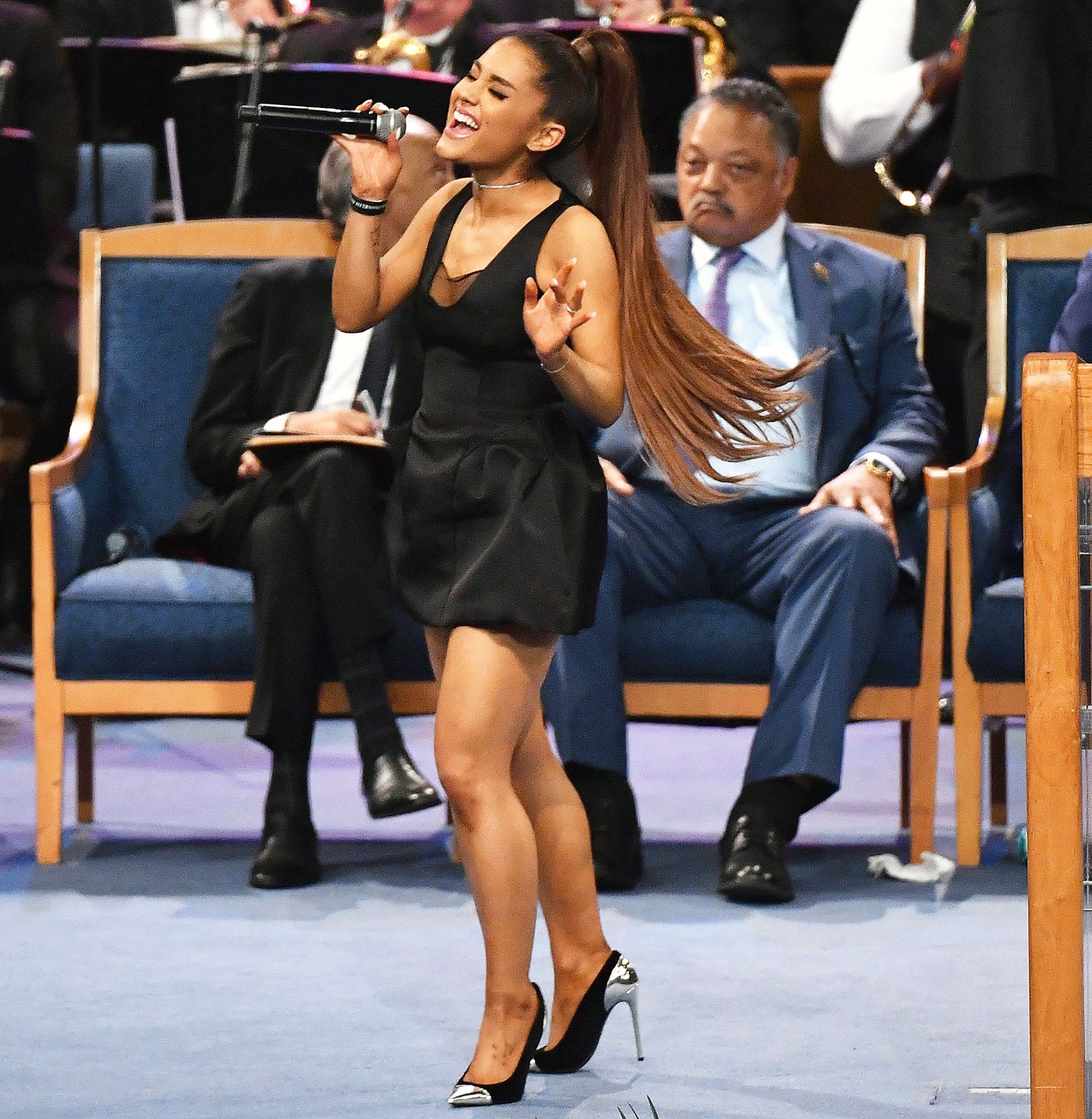
When pop superstar Ariana Grande attended and performed at Aretha Franklin’s funeral in August 2018, the event became one of the most widely discussed moments in modern pop culture. Grande spoke openly in subsequent interviews about her immense respect for the Queen of Soul, the surreal phone calls she had received from Franklin prior to her passing, and the deep emotional weight of delivering a live tribute during a historic, multi-hour memorial service.
The Context of the 2018 Memorial Performance
Aretha Franklin, universally revered as the "Queen of Soul," passed away on August 16, 2018, at the age of 76 due to advanced pancreatic neuroendocrine cancer. Her death prompted an outpouring of global grief and celebration of her pioneering music career. The funeral service, held on August 31, 2018, at the Greater Grace Temple in Detroit, Michigan, was an eight-hour celebration of her life, faith, civil rights legacy, and artistic genius.
The Franklin family personally invited Ariana Grande to perform at the service. The invitation stemmed from a mutual admiration between the two vocal powerhouses, as well as Franklin’s prior acknowledgement of Grande’s exceptional vocal talent. At the funeral, Grande performed a soul-stirring rendition of Franklin's iconic 1967 hit, "(You Make Me Feel Like) A Natural Woman."
Accompanied by a live gospel choir and orchestra, Grande’s performance showcased her powerful four-octave vocal range, paying homage to the complex melismatic phrasing and dynamic control that Franklin had championed throughout her career. While the vocal performance was widely praised by music critics and attendees inside the temple, the emotional gravity of the moment was amplified by the solemn responsibility resting on the shoulders of one of contemporary pop’s youngest superstars.
Ariana Grande’s Personal Reflections on Aretha Franklin
In the months and years following the funeral service, Ariana Grande offered candid reflections during media appearances—including detailed interviews on The Zach Sang Show and The Howard Stern Show—describing what it was like to know Franklin and honor her memory.
Unexpected Phone Calls and Mentorship
Grande shared surprising anecdotes about her direct interactions with Franklin before her passing. She recalled receiving unexpected telephone calls from Franklin, who would contact her directly to discuss music, vocal techniques, and new releases.
According to Grande, Franklin was uniquely charming, straightforward, and supportive. On one notable occasion, Franklin called Grande out of the blue to play her own prospective music tracks over the phone, asking for Grande's thoughts on the mixes. Grande expressed that as a young artist who had grown up studying classic soul and R&B, receiving personal validation and casual conversation from an icon of Franklin’s stature was deeply humbling and surreal.
The Honor and Pressure of the Detroit Tribute
Reflecting on the funeral itself, Grande emphasized the intense pressure she felt walking onto the stage at Greater Grace Temple. Performing in front of civil rights leaders, music legends, political figures, and Franklin’s surviving family required immense composure.
Grande noted that her primary objective was simply to honor Franklin's memory with authenticity and respect. Rather than trying to imitate Franklin's singular vocal style, Grande aimed to sing the song in a way that reflected Franklin’s profound influence on her own singing voice. She recounted feeling a mixture of grief, awe, and deep gratitude for having been included in such an extraordinary lineup of performers, which also included Stevie Wonder, Chaka Khan, Gladys Knight, and Jennifer Hudson.
Public Controversies surrounding the Service
While Ariana Grande’s intention was entirely centered on paying tribute to an idol, her appearance at the funeral became entwined with several broader public controversies that generated significant media coverage and social dialogue.
The Stage Incident with Bishop Charles H. Ellis III
The most prominent controversy occurred immediately following Grande’s performance of "(You Make Me Feel Like) A Natural Woman." As Grande finished singing, officiating pastor Bishop Charles H. Ellis III brought her to the podium to address the congregation. During this moment, camera footage captured Ellis holding Grande far above her waist, with his hand wrapped tightly around her side and resting against her chest area.
Viewers across the world quickly called out the gesture on social media, identifying it as an uncomfortable and inappropriate breach of physical boundaries. The image went viral, sparking widespread criticism regarding personal consent, body autonomy, and professional decorum—especially within sacred spaces.
Following the backlash, Bishop Ellis issued a public apology via news agencies, including the Associated Press. He stated:
"It would never be my intention to touch any woman's breast... Maybe I crossed the border, maybe I was too friendly or familiar, but again, I apologize."
Ellis further added that he had hugged all the artists, male and female, throughout the lengthy service and never intended to cause discomfort. While Grande did not launch a dedicated public campaign against Ellis, her subtle body language during the broadcast—leaning away and attempting to maintain distance—became a central focal point in discussions surrounding women's safety and boundaries in public settings.
Media Debates Over Attire and Church Etiquette
A secondary discussion emerged regarding the black mini-dress Grande wore for the performance. Some commentators and social media users debated whether the dress was appropriate for a traditional church funeral, while many others, including prominent figures in entertainment and journalism, defended Grande against unnecessary scrutiny.
Supporters pointed out that the focus on her wardrobe served as an unnecessary distraction from her vocal contribution and deflected attention from the inappropriate physical interaction on stage. The debate highlighted ongoing generational cultural shifts regarding dress codes at modern celebratory memorial services versus traditional religious ceremonies.
Key Overview of Ariana Grande’s Tribute to Aretha Franklin
| Aspect | Details & Historical Record |
|---|---|
| Event Date & Location | August 31, 2018 |
| Featured Musical Tribute | "(You Make Me Feel Like) A Natural Woman" (Originally released by Aretha Franklin in 1967) |
| Invitation Origin | Extended directly by the Franklin family due to Franklin's personal fondness for Grande |
| Fellow Funeral Performers | Stevie Wonder, Chaka Khan, Gladys Knight, Jennifer Hudson, Shirley Caesar, Faith Hill |
| Key Public Controversy | Unwanted physical contact by Bishop Charles H. Ellis III; subsequent public apology |
| Grande's Personal Account | Highlighted Franklin's humor, random phone calls, and the profound weight of singing for her legacy |
Artistic Influence and Legacy Connection
Ariana Grande’s reflections on Aretha Franklin extend far beyond a single performance in 2018. The artistic lineage connecting Franklin to modern pop music is extensive, and Grande has frequently cited 20th-century soul and vocal powerhouses as foundational to her technique.
Vocal Technique and Soul Roots
Though primarily recognized as a global pop and contemporary R&B star, Grande’s training and listening habits heavily feature classic soul music. Franklin’s ability to seamlessly blend gospel dynamics, blues inflection, and pop accessibility established a blueprint for generations of vocalists who followed.
When analyzing Grande’s performance at the funeral, musicologists noted how she employed specific stylistic elements characteristic of Franklin’s legacy:
- Dynamic Belting: Shifting cleanly between soft head voice tones and powerful chest-dominated mix belts.
- Melismatic Runs: Utilizing quick, precise pitch shifts to convey heightened emotional intensity.
- Rhythmic Flexibility: Singing slightly behind or ahead of the beat to mimic the expressive conversational phrasing popularized by gospel singers.
By demonstrating these techniques at Greater Grace Temple, Grande paid tribute not just through lyrics, but through the technical vocal traditions that Franklin helped pioneer.
Preserving the Memory of Gospel and Soul Icons
In subsequent years, Grande has continued to highlight the importance of respecting older generations of musical innovators. In industry conversations, she has emphasized that modern pop artists owe a structural debt to the Black women who built the foundation of American popular music. Her reflections on Franklin’s funeral serve as a reminder of the generational bridge that connects legacy soul artists with contemporary billboard-topping performers.
Frequently Asked Questions
What song did Ariana Grande perform at Aretha Franklin’s funeral?
Ariana Grande performed Aretha Franklin's classic 1967 hit "(You Make Me Feel Like) A Natural Woman." She was backed by a live gospel choir and orchestra inside the Greater Grace Temple in Detroit.
How did Ariana Grande know Aretha Franklin before her death?
Ariana Grande and Aretha Franklin had met on various occasion at industry events, including performing at the White House for President Barack Obama. Prior to her passing, Franklin had reached out to Grande directly via phone to chat about vocal music, share upcoming tracks, and offer personal encouragement.
What happened between Bishop Charles H. Ellis III and Ariana Grande?
Following Grande’s tribute song, officiating pastor Bishop Charles H. Ellis III brought her to the pulpit. Video footage showed him holding her tightly around her waist, with his hand pressed against the side of her chest. The incident drew international criticism for inappropriate physical contact, leading Ellis to issue a public apology for his behavior.
What did Ariana Grande say about performing at the funeral?
Grande described the experience as an immense honor accompanied by overwhelming emotional weight. She reflected fondly on Franklin’s vibrant personality and humor during their past conversations, emphasizing that her goal was simply to sing from the heart and honor one of her greatest musical inspirations.
Who else performed at Aretha Franklin's memorial service?
The eight-hour funeral featured performances from numerous legendary artists, including Stevie Wonder, Chaka Khan, Gladys Knight, Jennifer Hudson, Faith Hill, Shirley Caesar, and Yolanda Adams.
Final Perspective and Key Takeaway
Ariana Grande’s reflections on Aretha Franklin’s funeral provide insight into the deep respect that connects modern pop vocalists with the foundational icons of soul music. Despite the media frenzy surrounding stage conduct and decorum at the Detroit service, Grande’s primary focus remained centered on honoring Franklin’s memory, reflecting on their personal interactions, and delivering a musical performance worthy of the Queen of Soul’s enduring legacy.