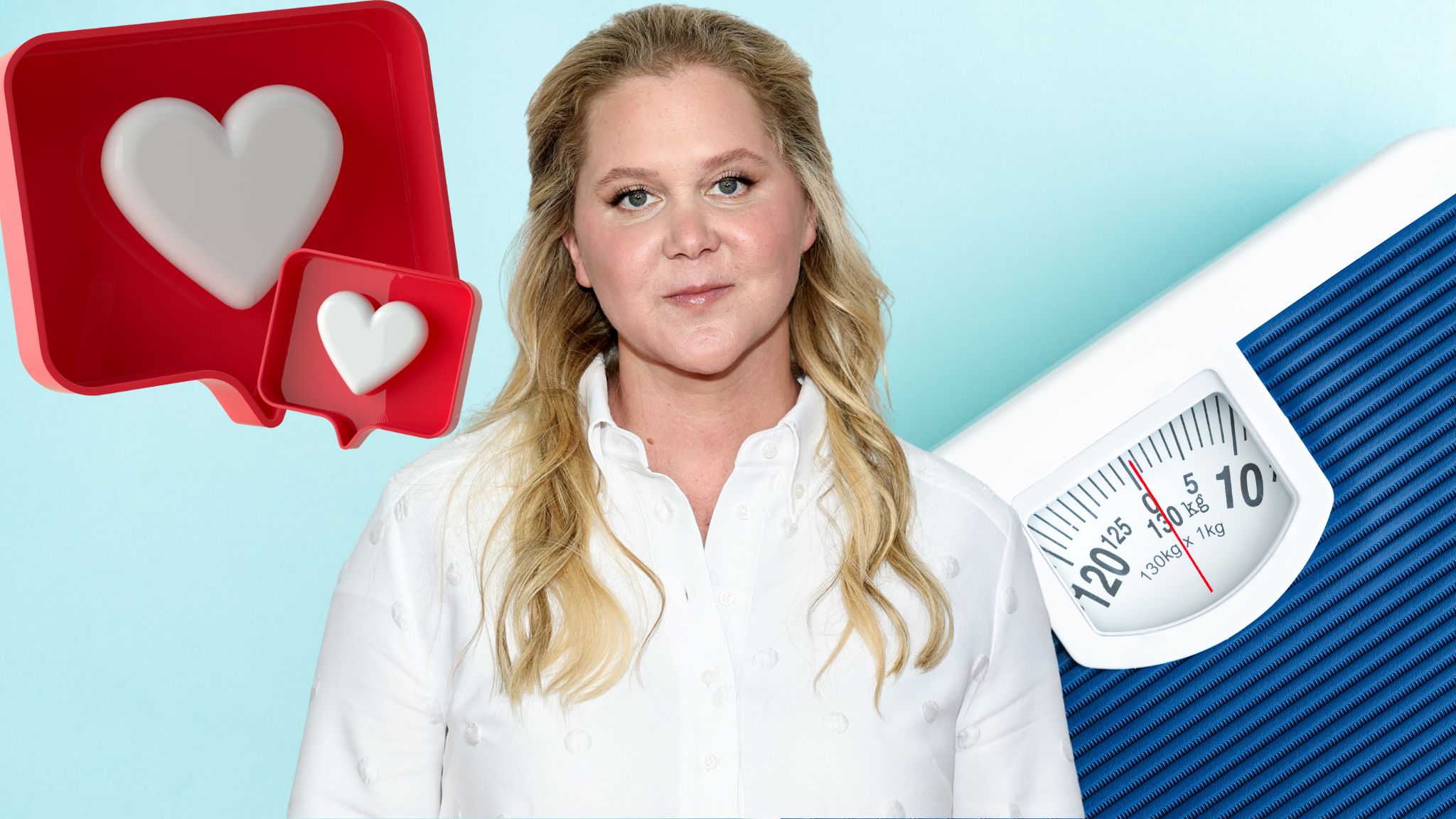
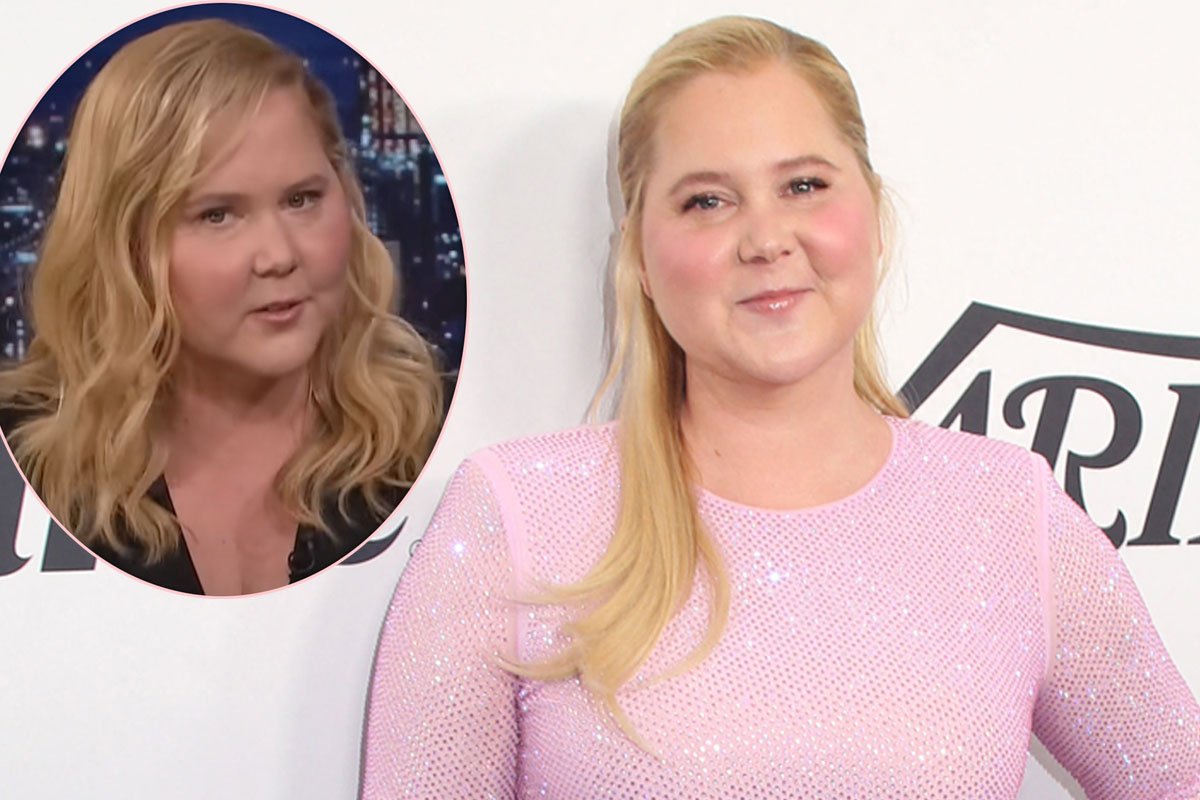
Amy Poehler has long been celebrated for her razor-sharp wit, comedic brilliance, and authentic presence in the entertainment industry, but public fascination with her physical appearance has periodically triggered a wave of unverified rumors regarding dramatic weight loss transformations. When public figures experience natural bodily shifts over decades in the public eye, digital spaces frequently distort these changes into exaggerated fitness claims, sensationalized diet trends, and misleading promotional schemes. Understanding these narratives requires separating tabloid speculation from factual reality, examining how celebrity images are exploited online, and recognizing the broader cultural context surrounding public scrutiny of women's bodies.
Understanding the Roots of Celebrity Weight Loss Rumors
The digital ecosystem surrounding celebrity culture thrives on speculation, and high-profile women in Hollywood are disproportionately subjected to intense public scrutiny regarding their appearance. When an actress or comedian appears on a red carpet, promotes a new project, or undergoes natural aging, rumors often circulate claiming they achieved sudden physical transformations through secret diets, extreme regimens, or specialized supplements.
In the case of Amy Poehler, various online outlets and predatory marketing campaigns have occasionally capitalized on her name to drive web traffic or sell unauthorized health products. These fabricated narratives typically rely on familiar templates:
- The "Secret" Discovery: Claiming the celebrity discovered an obscure supplement, cleanse, or workout routine.
- Misattributed Quotes: Taking casual interview remarks completely out of context to imply a rigorous weight loss journey.
- Altered Visuals: Using heavily manipulated photographs or misleading before-and-after comparisons to manufacture dramatic results where none exist.
Recognizing these patterns helps media consumers identify predatory content designed to exploit public curiosity. Public figures like Poehler rarely endorse sudden, drastic physical overhauls, focusing instead on sustainable professional pursuits, creative endeavors, and balanced personal lives.
The Anatomy of Online Supplement Scams and Fake Endorsements
One of the most persistent issues in celebrity culture is the unauthorized use of names and likenesses to promote weight loss gummies, teas, and miracle pills. Scam artists frequently leverage automated ad networks to distribute fake news articles or sponsored social media posts that appear to be legitimate journalistic features.
These deceptive marketing practices usually follow a predictable lifecycle:
- The Clickbait Headline: An alarming or intriguing title linking a beloved public figure, such as Amy Poehler, to a shocking physical transformation.
- The Fabricated Interview: A fake narrative detailing how the celebrity supposedly overcame personal struggles using a specific commercial product.
- The Hidden Paywall: Directing the user to an unfamiliar e-commerce site offering trial periods that result in recurring, unauthorized credit card charges.
Neither Amy Poehler nor other reputable entertainment figures routinely participate in or endorse these aggressive marketing schemes. Consumer protection agencies, such as the Federal Trade Commission (FTC), frequently issue warnings about celebrity endorsement scams, advising internet users to verify claims through official brand channels and reputable news sources.
Media Scrutiny, Aging, and the Entertainment Industry
The persistent focus on the bodies of female comedians and actresses reflects deeper cultural expectations within the entertainment industry. As women navigate long-term careers in film and television, public commentary often shifts from artistic achievements to physical maintenance, weight fluctuations, and aging.
| Factor | Public Perception vs. Reality |
|---|---|
| Natural Aging | Gradual changes in facial structure and body composition are normal over a decades-long career, yet tabloid media frequently frame them as dramatic weight loss or gain. |
| Styling and Wardrobe | Professional tailoring, professional lighting, and specific camera angles significantly alter how physical appearance is perceived on screen versus daily life. |
| Project Preparation | Actors occasionally adjust their physical presentation for specific roles under professional supervision, which is distinct from general lifestyle transformations. |
Amy Poehler has consistently prioritized her career as a writer, producer, director, and performer—leading critically acclaimed projects like Parks and Recreation, Inside Out, and SNL—while maintaining a boundary between her professional work and personal life. Reducing her enduring cultural footprint to superficial weight loss speculation diminishes her extensive contributions to comedy and media production.
Common Myths Surrounding Celebrity Transformations
When evaluating online claims about celebrity health habits, several recurring misconceptions consistently mislead consumers. Examining these myths provides clarity on how the human body functions and why rapid transformation claims are structurally unreliable.
Myth 1: Rapid Targeted Weight Loss Exists
Many commercial ads associated with celebrity rumors claim that individuals can drop significant amounts of fat from specific areas of the body in a matter of days. Medical science consistently demonstrates that fat loss occurs systemically across the entire body through a sustained caloric deficit, rather than through spot-reduction products or restrictive cleanses.
Myth 2: Extreme Dietary Restrictions Are Sustainable
Tabloid culture frequently promotes the idea that celebrities maintain their appearance through extreme deprivation or bizarre dietary fads. Nutritionists and medical professionals emphasize that sustainable health relies on balanced nutrition, adequate hydration, and consistent physical activity rather than crash diets that disrupt metabolic health.
Myth 3: Supplements Replace Lifestyle Fundamentals
Another prevalent falsehood is that a specific pill or powder can replace the fundamental pillars of long-term wellness: sleep, stress management, regular movement, and whole-food nutrition. No dietary supplement possesses the physiological capacity to undo the effects of chronic sleep deprivation or poor nutritional habits.
Evaluating Health Claims Responsibly
Navigating health and wellness information in the digital age requires a disciplined, critical approach to source verification. Before accepting claims about any public figure's lifestyle or adopting a new fitness regimen, individuals should apply standard verification steps.
- Check Primary Sources: Look for direct statements from the individual or verified interviews with established journalistic publications rather than third-party aggregation sites.
- Identify Commercial Intent: Determine whether the article or social media post exists to inform the reader or to sell a commercial product, supplement, or subscription service.
- Consult Qualified Professionals: Seek guidance from registered dietitians, primary care physicians, or certified fitness experts before implementing significant changes to diet or exercise routines.
Relying on verified scientific consensus ensures that health decisions remain grounded in physiological reality rather than sensationalized internet gossip.
Conclusion
The rumors surrounding Amy Poehler and weight loss illustrate a broader pattern of misinformation within celebrity culture, where natural life changes and professional images are frequently distorted by predatory marketing campaigns and speculative tabloids. By examining the mechanics behind fake endorsements and prioritizing evidence-based health principles, consumers can easily separate celebrity myth from reality. Ultimately, maintaining a healthy perspective on wellness involves focusing on sustainable lifestyle practices rather than chasing sensationalized online claims.