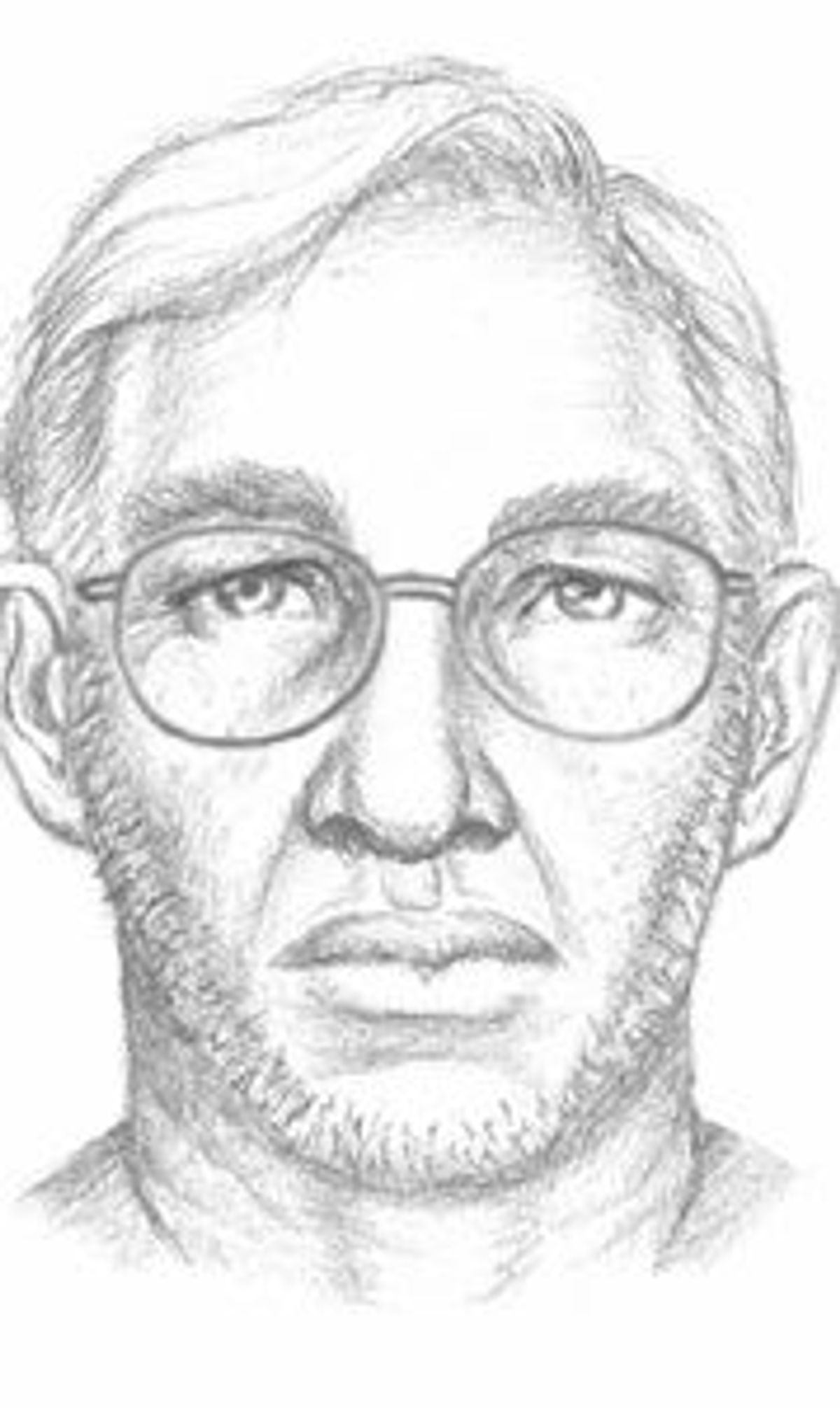
The suspect sketch released in the Amy Mihaljevic case depicts a white male estimated to be in his late 20s to mid-30s at the time of her 1989 abduction from Bay Village, Ohio. Law enforcement continues to leverage composite sketches, unique physical evidence, and modern genetic genealogy to identify the killer and solve one of Northeast Ohio’s most prominent cold cases.
Background of the 1989 Abduction
On October 27, 1989, ten-year-old Amy Mihaljevic disappeared from the Bay Square Shopping Center in Bay Village, Ohio, an affluent suburb located west of Cleveland. Investigations revealed that the abductor contacted Amy prior to the incident through a series of telephone calls to her residence. The caller established rapport by claiming to work with her mother, Margaret Mihaljevic, and offered to take Amy shopping to buy a surprise gift to celebrate her mother's recent career promotion.
Amy walked to the shopping center after school to meet the caller, where witnesses reported seeing her speaking with an unidentified man near the local pharmacy. When Amy failed to return home, her family notified the Bay Village Police Department, initiating a regional search effort involving local, state, and federal agencies.
- Oct 27, 1989: Amy Mihaljevic abducted from Bay Square Shopping Ctr
- Nov-Dec 1989: Initial composite suspect sketches released to public
- Feb 8, 1990: Body recovered in rural Ashland County, Ohio
- 2000s-2020s: Forensic fiber analysis & advanced DNA extraction
- Present: Active investigation via BVPD, FBI & Genetic Genealogy
On February 8, 1990, a jogger discovered Amy's body in a rural field in Ruggles Township, located in Ashland County, Ohio—approximately 50 miles southwest of Bay Village. Forensic examination confirmed that her death was a homicide caused by blunt force trauma to the head and stab wounds to the neck. Crime scene analysis indicated that her body was deposited at the rural site shortly after her murder in late October 1989.
Breakdown of the Suspect Composite Sketches
Following Amy’s disappearance, investigators from the Bay Village Police Department and the Federal Bureau of Investigation (FBI) interviewed several middle school students who observed a man speaking with Amy near the shopping plaza. Based on these witness interviews, law enforcement artists generated composite sketches of the prime suspect.
FBI COMPOSITE SUSPECT PROFILE - 1989
- Light brown or hazel eyes
- Medium build / 5'8" - 5'10"
- Clean-shaven, light skin
- Age: 28-35 (in 1989)
- Dark jacket or windbreaker
Physical Characteristics Identified in Official Sketches
The composite sketch distributed by law enforcement highlights several key physical attributes provided by eyewitnesses:
- Estimated Age: 28 to 35 years old at the time of the abduction (born between 1954 and 1961).
- Height and Weight: Approximately 5 feet 8 inches to 5 feet 10 inches tall, weighing between 150 and 170 pounds, displaying a medium build.
- Hair and Facial Features: Short, neat light brown or medium brown hair; clean-shaven; fair skin tone.
- Attire: Witnesses described the man wearing aviator-style glasses in some descriptions, dark-colored slacks, and a dark windbreaker or casual jacket.
Variations and Behavioral Profiles
Over the course of the investigation, law enforcement released refined renderings of the composite sketch to reflect additional witness statements from other young girls in the area who had received similar phone calls prior to Amy's abduction.
Behavioral profiling conducted by the FBI Behavioral Analysis Unit (BAU) suggested that the suspect possessed specific local knowledge. The caller understood the family’s schedule, knew that Amy’s mother had received a promotion, and was familiar with local landmarks such as the Bay Square Shopping Center. This evidence led investigators to conclude that the suspect lived or worked in the Cleveland West Shore area, or had close ties to the community.
Investigative Evidence Matrix
Law enforcement agencies have combined physical evidence collected from the recovery site with eyewitness accounts to establish a profile for potential suspects.
| Evidence Category | Description & Characteristics | Forensic Relevance | Current Status |
|---|---|---|---|
| Composite Sketch | White male, 28–35 years old (in 1989), 5'8"–5'10", medium build. | Visual matching for public tips and person-of-interest screening. | Widely circulated; continuously cross-referenced. |
| Phone Solicitation | Direct calls made to Amy and other local girls using personal details. | Establishes premeditation and local geographic knowledge. | Phone records and caller methodology evaluated. |
| Fiber Evidence | Rare yellowish-gold curtain/blanket fibers found on the body. | Links suspect's vehicle or residence directly to the victim. | Microscopic and chemical analysis completed. |
| Animal Hair | Dog hair (specifically terrier-mix or similar breed) on victim clothing. | Indicates suspect owned or lived near a specific pet in 1989. | Extracted for nuclear and mitochondrial DNA profiling. |
| Missing Belongings | Turquoise horse-head earrings, leather boots, teal binder. | Key trophies or discarded items taken from the crime scene. | Items remain unrecovered; used to evaluate suspect tips. |
Forensic Artifacts and Physical Evidence Analysis
The physical evidence recovered from the Ashland County crime scene remains central to verifying or eliminating potential leads.
RECOVERED FORENSIC ARTIFACTS
- Yellowish-Gold Curtain Fibers: Indicates vehicle interior or specific home decor
- Dog Hair (Terrier/Domestic Mix): Indicates pet ownership in late 1989
- Trace Foreign DNA Samples: Subject to modern genetic genealogy matching
Fiber Evidence
Technicians from the Cuyahoga County Coroner's Office and the FBI laboratory recovered distinct, mustard-yellow or gold carpet/curtain fibers from Amy's body. Testing determined these fibers belonged to a low-production textile, likely originating from a bedspread, curtain, or automotive interior manufactured during the 1970s or 1980s.
Animal Hair Testing
Investigators isolated animal hairs from the victim’s clothing that did not match any pets in the Mihaljevic household. Subsequent testing identified the samples as domestic dog hair. Forensic geneticists have extracted mitochondrial DNA profiles from these samples to compare against animals associated with persons of interest.
Missing Items
Several items in Amy's possession at the time of her abduction were absent when her body was found:
- A teal, horse-head-embossed leather binder.
- A pair of black leather ankle boots.
- A denim jacket.
- A pair of custom turquoise earrings shaped like horse heads.
Law enforcement considers the discovery of any of these items in a suspect's possession to be a primary marker for solving the case.
Modern Investigative Methods and DNA Advances
Over the decades, the investigation into Amy Mihaljevic's murder has transitioned from traditional detective work to high-tech forensic analysis.
ADVANCEMENT OF INVESTIGATIVE TECHNIQUES
- 1989-1990 to Present:
- Eyewitness Interviews & Sketches to Investigative Genetic Genealogy (IGG)
- Basic Fiber & Blood Type Analysis to Advanced Touch DNA Profiling & Mass Array
Touch DNA and Genetic Genealogy
Technological developments in low-copy-number DNA (touch DNA) have enabled forensic labs to re-examine biological material recovered from the crime scene. The FBI and Cuyahoga County Sheriff's Office have applied investigative genetic genealogy (IGG) to trace unidentified DNA profiles. By uploading partial profiles to public genetic databases like GEDmatch and FamilyTreeDNA, genealogists build family trees to identify distant relatives of potential suspects.
Caller Pattern Re-Evaluation
Researchers and cold case units continue to examine the pattern of phone calls made to young girls in the Bay Village, North Olmsted, and Fairview Park areas during 1989. These calls involved similar tactics—offering help to buy a gift for a family member or conducting fake market research surveys. Investigators cross-reference phone log records from that era with individuals who had access to directory listings or local school rosters.
Challenges in Cold Case Eyewitness Evidence
Relying on composite sketches generated decades ago presents inherent investigative challenges:
- Memory Decay: Eyewitness recall fades or becomes distorted over time, potentially impacting the precision of composite drawings.
- Age Progression: A suspect who was 30 years old in 1989 would be in his mid-to-late 60s today, altering physical features such as hair color, weight, and facial structure.
- Misidentification Risks: Composite sketches are generic approximations rather than photographs; focusing exclusively on one sketch feature can cause investigators to overlook viable leads who differ slightly in appearance.
To counter these limitations, law enforcement agencies use composite sketches primarily to corroborate secondary evidence—such as geographic ties to Bay Village, ownership of specific vehicles, or access to matching fiber materials.
How to Submit Tips and Assist Law Enforcement
The Bay Village Police Department and the Cleveland Division of the FBI maintain an active tip line for the Amy Mihaljevic case.
Critical Information Needed by Investigators
Law enforcement prioritizes tips that provide verifiable detail rather than general speculation:
- Geographic Connections: Individuals who lived, worked, or frequented Bay Village or Ashland County, Ohio, between October 1989 and February 1990.
- Vehicle and Decor Matches: Information regarding individuals who owned vehicles with mustard-yellow interior fabric or gold carpet/curtains during 1989.
- Behavioral Indicators: Persons who exhibited sudden, unexplained absences from work or school, or who disposed of clothing, bedding, or vehicles abruptly in late 1989.
- Possession of Missing Items: Knowledge regarding the whereabouts of the teal horse-head binder or turquoise horse earrings.
OFFICIAL TIP REPORTING CHANNELS
- Bay Village Police Department
- Phone: (440) 871-1234
- FBI Cleveland Field Office
- Phone: (216) 522-1400 / Tips: tips.fbi.gov
Frequently Asked Questions
What does the suspect sketch in the Amy Mihaljevic case show?
The composite sketch shows a white male estimated to be between 28 and 35 years old at the time of the 1989 abduction. He is depicted with medium-length light-to-medium brown hair, a clean-shaven face, light skin, and a medium build. Some witness accounts noted he wore aviator-style glasses and a dark jacket.
Where was Amy Mihaljevic last seen?
Amy Mihaljevic was last seen at the Bay Square Shopping Center in Bay Village, Ohio, on October 27, 1989. She had walked there after school to meet an unknown male caller who promised to take her shopping for a gift for her mother.
What physical evidence was recovered from the crime scene?
Key physical evidence includes rare yellowish-gold curtain or blanket fibers, domestic dog hair found on her clothing, and foreign biological samples. Additionally, several of Amy's personal items, including her teal binder and turquoise earrings, were missing from the scene.
How are modern investigators trying to solve the case?
Law enforcement agencies utilize advanced touch DNA testing, microscopic fiber analysis, and investigative genetic genealogy (IGG). These tools allow forensic teams to construct family trees from trace DNA samples to pinpoint unknown suspects.
Who is leading the investigation into Amy Mihaljevic's murder?
The primary investigating agency is the Bay Village Police Department, working in close coordination with the FBI Cleveland Field Office, the Cuyahoga County Sheriff’s Office, and the Cuyahoga County Prosecutor’s Office.
Next Steps and Actionable Guidance
If you possess historical records, photographs, or personal information regarding individuals residing in the Cleveland West Shore area during 1989 who match the composite sketch or physical evidence markers:
- Document Details: Write down specific dates, locations, vehicle descriptions, and personal connections before contacting authorities.
- Contact Official Tip Lines: Reach out directly to the Bay Village Police Department at (440) 871-1234 or the FBI Cleveland Field Office at (216) 522-1400.
- Submit Digital Tips: Online tips can be submitted securely to the FBI via tips.fbi.gov.