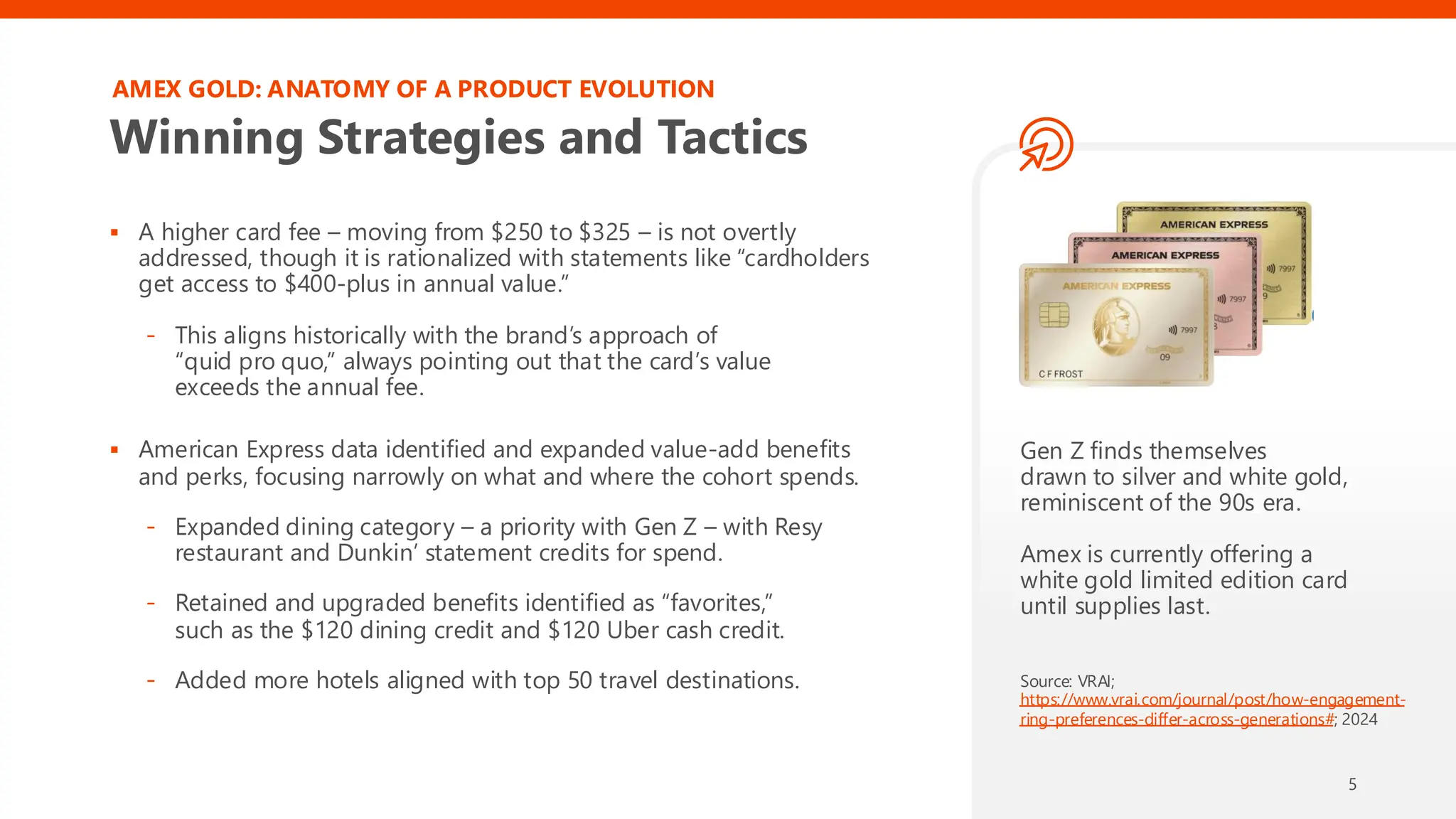
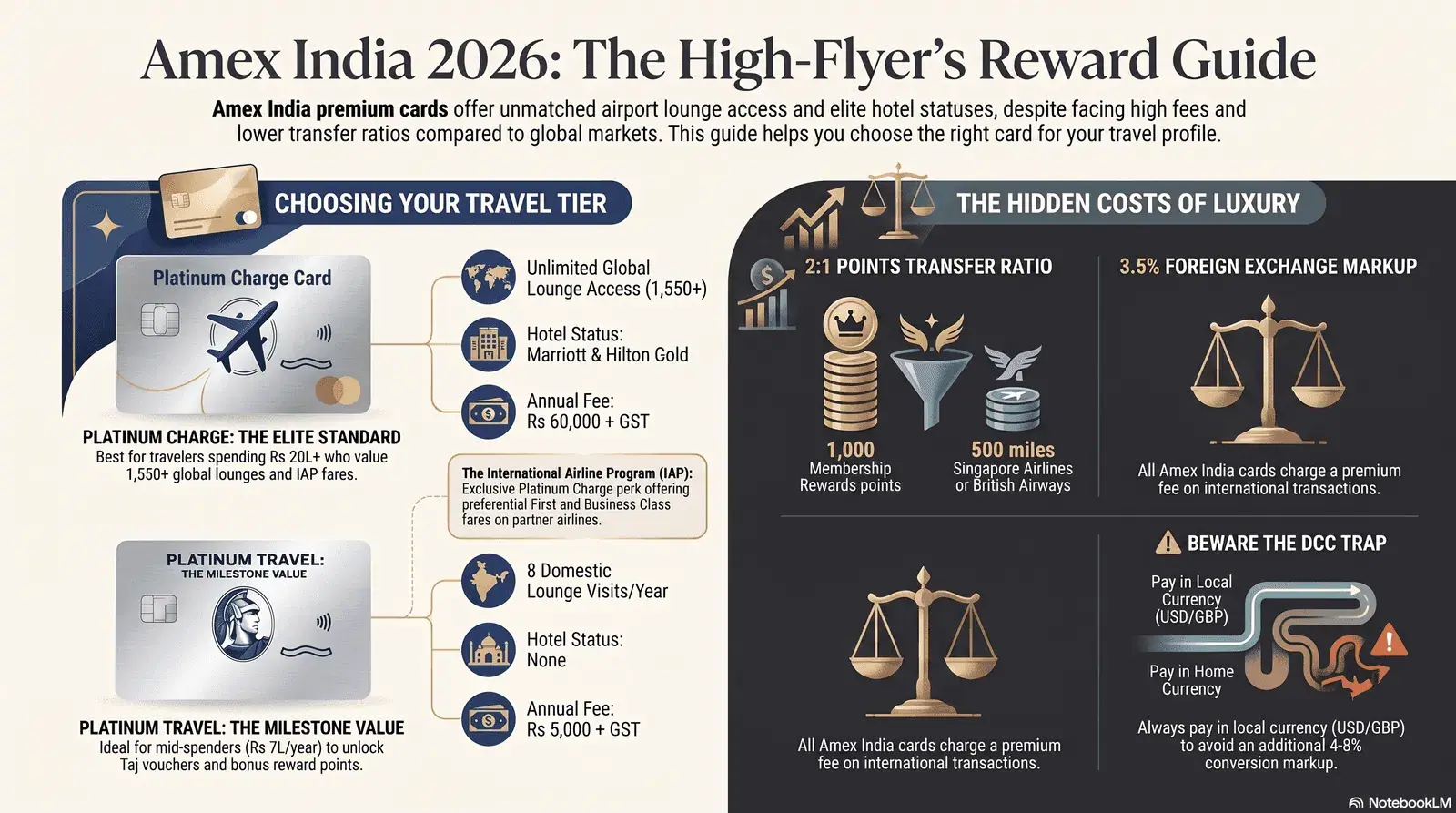
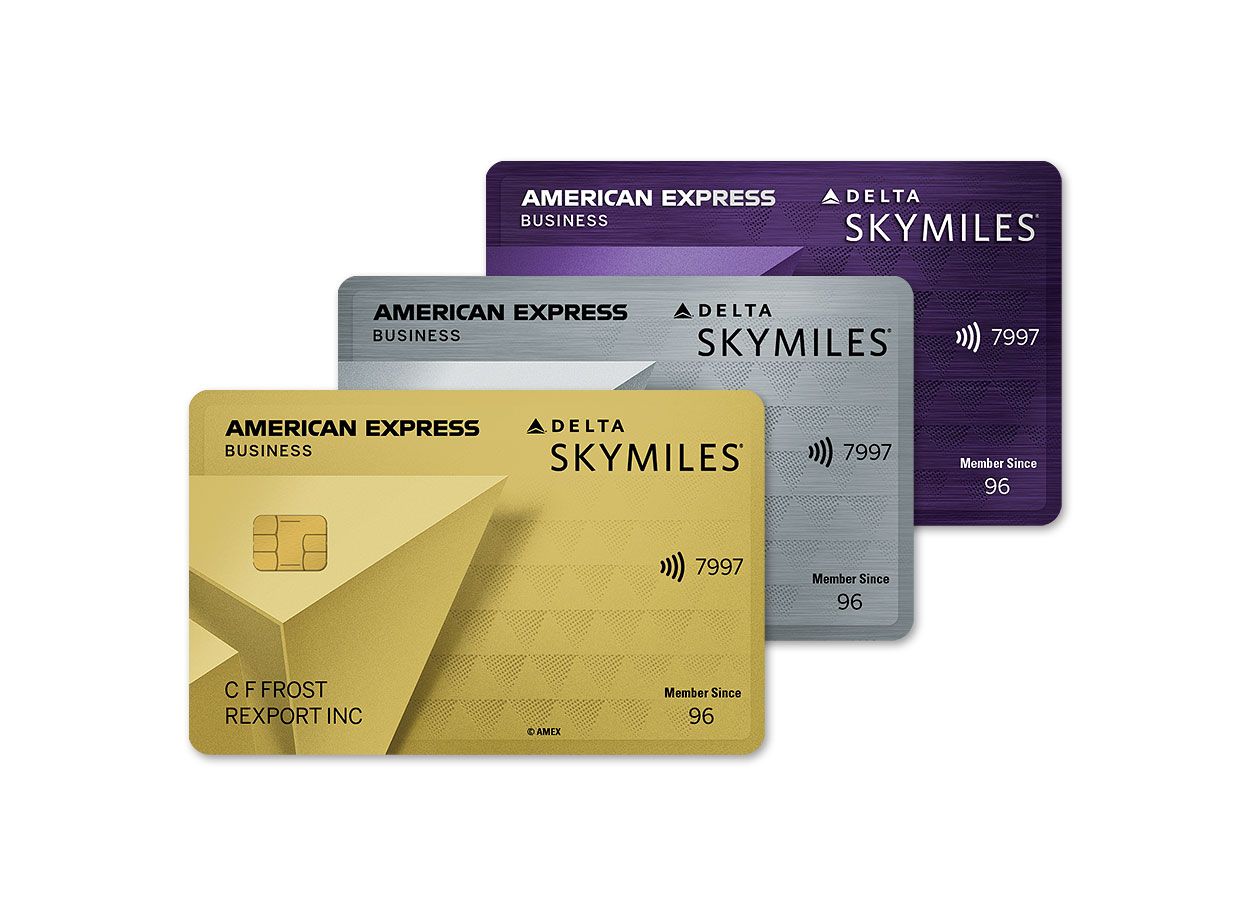
The American Express Gold Card is primarily known as a dining and grocery rewards powerhouse, but it also offers valuable flight-related benefits. Cardholders can earn 3X Membership Rewards points on flights booked directly with airlines or through American Express Travel, utilize the $100 annual airline fee credit, leverage robust travel protection policies, and transfer points to numerous airline partner programs for high-value redemptions.
Navigating the landscape of credit card travel rewards often leads consumers down a rabbit hole of complex point systems, transfer partners, and hidden perks. While cards like the Platinum Card® from American Express heavily focus on luxury airport lounge access and comprehensive concierge services, the Amex Gold Card occupies a different tier. It is tailored heavily toward everyday spending categories—specifically dining at restaurants worldwide and purchases at U.S. supermarkets—yet it retains a suite of features designed to enhance flight bookings and travel experiences. Understanding how these flight benefits operate, how to activate them, and how to maximize their underlying value can dramatically alter the math of holding a card that carries an annual fee.
To evaluate the true worth of the Amex Gold for flight bookings, one must look beyond surface-level marketing and examine the mechanics of earning points, the utility of transfer partners, and the safety nets provided by the card's built-in travel insurance coverages. This comprehensive breakdown explains every flight-related mechanism associated with the Amex Gold Card, ensuring you can extract maximum return from your travel expenditures.
Core Flight Earning Structure on the Amex Gold Card
The foundation of any travel-focused credit card lies in its point-earning multipliers. The American Express Gold Card features a permanent, ongoing earning rate specifically designed for airfare purchases, making it a viable alternative for booking flights when other dedicated travel cards are not utilized.
3X Membership Rewards Points on Flights
When you use your Amex Gold Card to purchase airfare, you earn 3X Membership Rewards points per dollar spent. However, specific structural rules govern how this multiplier is applied:
- Direct Bookings: You earn 3X points when you book flights directly with scheduled airlines. This includes major domestic and international carriers such as Delta Air Lines, United Airlines, American Airlines, Air France, and Lufthansa.
- American Express Travel Portal: You also earn 3X points when flights are booked through amextravel.com.
It is important to note that charter flights, private jet services, or non-airline travel agencies (such as Expedia, Priceline, or corporate booking tools that do not code directly as airlines) may not automatically trigger the 3X multiplier unless booked through the Amex Travel portal.
Understanding Membership Rewards Currency
The points earned through airfare purchases are deposited into your collective American Express Membership Rewards account. Unlike cash-back cards where earnings are tethered to a static redemption rate (typically one cent per point), Membership Rewards points represent a flexible, transferable currency. The true value of earning 3X points on flights depends heavily on how you choose to redeem those points later. Redeeming them for statement credits or online shopping yields a suboptimal return, whereas transferring them to airline partners often unlocks outsized value.
The $100 Annual Airline Fee Credit
One of the most tangible offsets to the Amex Gold Card's annual fee is the annual airline fee credit. Unlike some travel cards that offer a broad, sweeping travel credit applicable to any travel purchase, the Amex Gold's credit is structured with specific rules that require careful navigation.
Mechanics of the Airline Fee Credit
Cardholders receive up to $100 in statement credits each calendar year for incidental fees charged by a single, pre-selected qualifying airline.
- Selection Requirement: Before making any purchases, you must log into your American Express online account and officially select one eligible airline from a predetermined list of domestic carriers.
- Calendar Year Reset: The $100 credit resets every year on January 1st and does not roll over. Unused portions of the credit do not accumulate.
- Incidental vs. Airfare: The credit applies strictly to incidental fees, not the purchase price of the ticket itself.
What Qualifies as an Incidental Fee?
American Express explicitly defines incidental fees as charges related to airline travel that are processed separately from the airfare ticket charge. Qualifying incidental purchases typically include:
- Checked bag fees and overweight baggage charges.
- In-flight food, beverage, and entertainment purchases.
- Phone reservation fees.
- Seat selection fees (assigned seats chosen after booking).
- Airport lounge day passes or annual memberships (where eligible).
Notably, the purchase of actual airline tickets, upgrade tickets, award travel fees, duty-free shopping, and gift cards generally do not qualify for the statement credit. Cardholders must verify current airline-specific processing rules, as minor variations can dictate whether a transaction triggers the reimbursement.
Unlocking Value with Amex Transfer Partners
Earning 3X points on flights is only the first step. The true power of the Amex Membership Rewards program lies in its roster of airline transfer partners. By moving your earned points out of the Amex ecosystem and into a frequent flyer program, you can book award flights that often cost significantly less than paying cash prices.
Airline Transfer Partner Roster
American Express partners with numerous global airlines, allowing point transfers typically at a 1:1 ratio (though occasional transfer bonuses or minor exceptions apply depending on the foreign carrier). Key airline partners include:
- Domestic and North American Partners: Delta Air Lines (SkyMiles), Air Canada (Aeroplan), and JetBlue (TrueBlue).
- International and Alliance Partners: Air France/KLM (Flying Blue), British Airways (Executive Club), Emirates (Skywards), Etihad Guest, Singapore Airlines (KrisFlyer), Virgin Atlantic (Flying Club), ANA (Mileage Club), Avianca (LifeMiles), and Iberia Plus.
Strategic Redemptions
Transferring points allows you to exploit sweet spots within airline alliance charts. For example, transferring Amex points to Air Canada Aeroplan or Avianca LifeMiles can unlock lucrative business class redemptions on Star Alliance carriers. Similarly, utilizing British Airways Avios or Air France Flying Blue can yield exceptional value for short-haul domestic hops or transatlantic economy and premium cabin flights.
| Partner Airline Program | Alliance / Primary Hub | Typical Transfer Ratio | Best Suited For |
|---|---|---|---|
| Air Canada Aeroplan | Star Alliance | 1:1 | Long-haul partner business class, stopover bookings |
| Air France / KLM Flying Blue | SkyTeam | 1:1 | Transatlantic flights, monthly promo rewards |
| British Airways Executive Club | oneworld | 1:1 | Short-haul domestic flights, partner economy hops |
| Delta Air Lines SkyMiles | SkyTeam | 1:1 | Domestic main cabin flash sales, last-minute travel |
| Virgin Atlantic Flying Club | SkyTeam / Partners | 1:1 | Partner awards on ANA and Delta, transatlantic redemptions |
Built-in Flight and Travel Insurance Protections
When you book flights using your American Express Gold Card, you receive access to a suite of travel insurance and consumer protection policies. These coverages provide a safety net against unexpected disruptions, though policy terms, maximum payout limits, and exclusions apply based on the specific master policy terms issued by American Express.
Baggage Insurance Plan
If your checked or carry-on luggage is lost, damaged, or stolen while traveling on a common carrier (airline, train, ship, or bus) and you charged the entire fare to your Amex Gold Card, you may be eligible for coverage.
- Coverage Limits: Typically covers up to a specified maximum amount per covered person for checked luggage (with lower sub-limits for high-risk items like jewelry and electronics) and carry-on luggage.
- Prerequisite: The common carrier ticket must be purchased entirely with the eligible card.
Trip Delay Insurance
If a covered trip is delayed for more than a specified number of hours (frequently 12 hours or more) due to a covered hazard (such as severe weather, equipment failure, or strike), you can be reimbursed for essential expenses—such as meals, lodging, and toiletries—charged to your card.
- Reimbursement Caps: Limits typically apply per trip, with a maximum number of claims permitted within a rolling 12-month window.
- Exclusions: Pre-existing conditions, known weather events prior to booking, and delays caused by circumstances within the cardholder's control are excluded.
Absence of Comprehensive Trip Cancellation / Interruption Insurance
It is critical to note a distinct limitation of the Amex Gold Card: it does not feature comprehensive Trip Cancellation and Trip Interruption Insurance. While higher-tier cards like the Platinum Card® offer robust reimbursement if a trip must be canceled or cut short due to sudden illness, severe injury, or other unforeseen emergencies, the Amex Gold Card leaves this specific protection absent. Cardholders seeking protection against non-refundable ticket costs due to medical emergencies must rely on separate travel insurance policies or alternative payment methods.
Comparing Amex Gold to Other Travel Rewards Options
Evaluating the Amex Gold Card's flight benefits requires a side-by-side comparison with other products in the travel rewards ecosystem to determine which card best fits your travel frequency and spending habits.
Amex Gold vs. Amex Platinum
- Annual Fee: The Amex Gold carries a lower annual fee compared to the Amex Platinum Card®.
- Lounge Access: The Amex Platinum offers extensive airport lounge access (Centurion Lounges, Priority Pass Select, Delta Sky Clubs when flying Delta). The Amex Gold offers no complimentary airport lounge access.
- Flight Multipliers: The Amex Gold earns 3X points on flights booked directly or via Amex Travel. The Amex Platinum earns 5X points on flights booked directly with airlines or through Amex Travel (on up to $500,000 per calendar year).
- Insurance: The Amex Platinum includes Trip Cancellation and Interruption Insurance, whereas the Gold Card omits this protection.
Amex Gold vs. General Travel Cards (e.g., Chase Sapphire Preferred)
- Point Multipliers: The Amex Gold focuses heavily on dining and supermarkets (4X) alongside airfare (3X). General travel cards like the Chase Sapphire Preferred typically offer broader 2X or 3X multipliers across a wider array of general travel categories (hotels, rental cars, transit, parking) but lower everyday grocery returns.
- Transfer Flexibility: Both Membership Rewards and Chase Ultimate Rewards offer elite transfer partner networks, though the specific airline partners differ significantly (e.g., Chase partners with United and Southwest; Amex partners with Delta and Air Canada).
Common Mistakes and Troubleshooting Flight Benefits
Maximizing the flight-related perks of the Amex Gold Card requires avoiding common pitfalls that can result in missed points or unredeemed credits.
- Failing to Select an Airline: The $100 annual airline fee credit will never trigger automatically if you do not log in and select your preferred airline in advance. Doing this after making a purchase will often result in the credit being denied for that specific transaction.
- Assuming Portal Bookings Count as Direct: Booking through third-party online travel agencies (OTAs) that route outside of Amex Travel may code as a general travel agency rather than an airline, dropping your earning rate from 3X to 1X.
- Misinterpreting Incidental Fees: Expecting a seat upgrade fee or the outright purchase of an airline ticket to trigger the $100 airline fee credit will lead to disappointment, as these are strictly excluded by the terms and conditions.
- Neglecting Award Availability: Transferring points instantly to an airline partner is a one-way street; once points are transferred, they cannot be moved back to Amex. Always verify award seat availability on the partner airline's website before initiating a point transfer.
Practical Recommendations for Cardholders
To extract optimal value from the Amex Gold Card's flight benefits without falling into common traps, execute a deliberate strategy:
- Designate Your Airline Early: Choose your preferred domestic carrier in January and use the $100 incidental credit on predictable costs like checked bags or lounge day passes throughout the year.
- Centralize Airfare Purchases: Charge all direct airline bookings to your Amex Gold Card to capture the 3X points multiplier, unless you hold a higher-earning alternative card like the Amex Platinum.
- Leverage Transfer Partners for High-Value Redemptions: Accumulate points through your heavy dining and grocery spend, then transfer them to programs like Air Canada Aeroplan or Air France Flying Blue when booking premium cabin international flights.
- Supplement Insurance Gaps: Because the Amex Gold lacks trip cancellation and interruption insurance, consider supplementing your travel toolkit with a secondary credit card or standalone travel insurance policy for expensive, non-refundable itineraries.