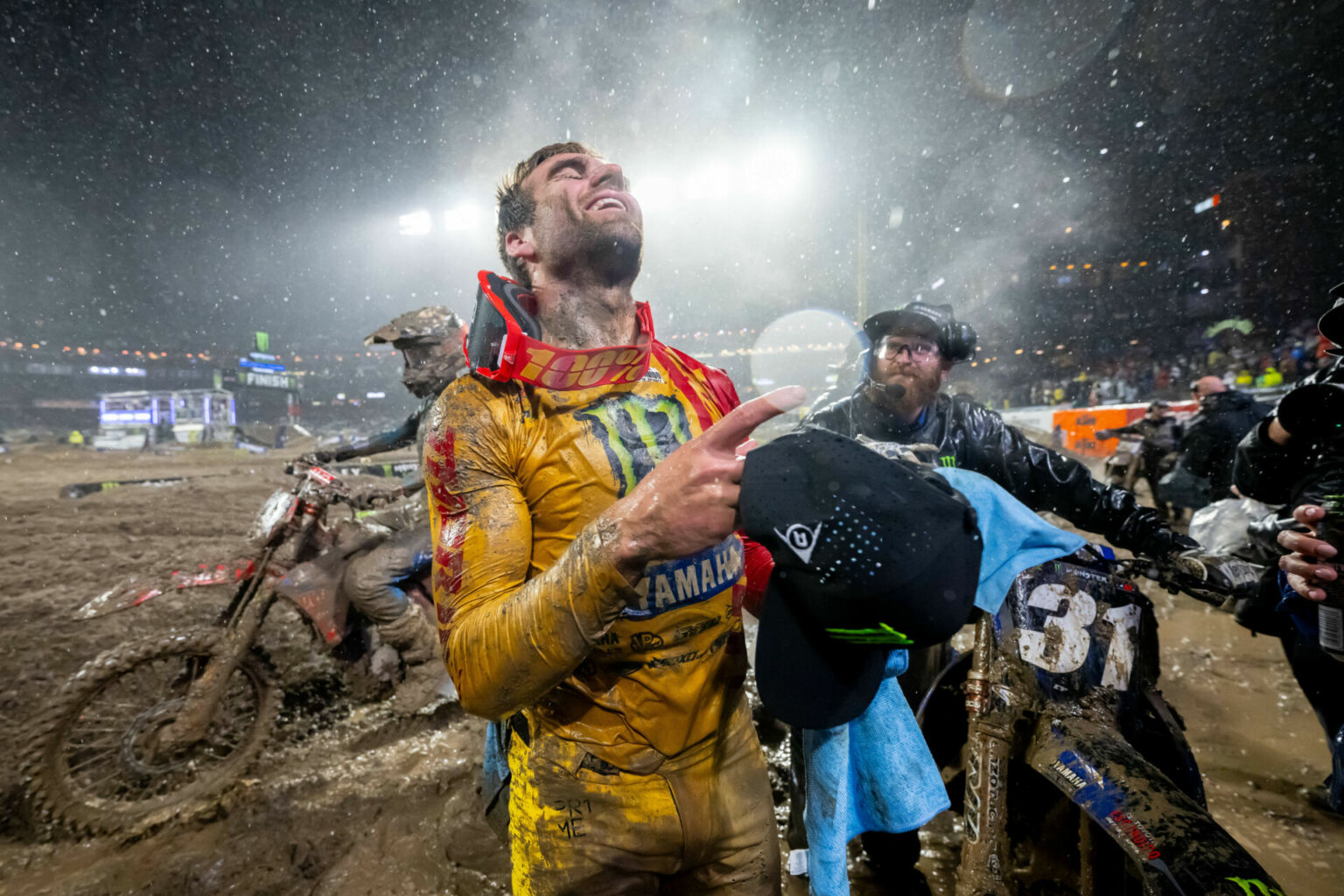
AMA racing refers to motorcycle competitions sanctioned by the American Motorcyclist Association, the primary governing body for motorcycle sport in the United States. From professional Supercross and Motocross to amateur flat track and enduro, the AMA provides the regulatory framework, safety standards, and licensing necessary for organized, fair, and safe racing across various disciplines.
The Role of the American Motorcyclist Association (AMA)
Established in 1924, the American Motorcyclist Association (AMA) was originally formed to promote the interests of motorcyclists and coordinate club activities. Over the past century, it has evolved into the largest motorcycling rights organization in the world and the definitive sanctioning body for motorcycle racing in North America. When people talk about an "AMA race," they are referring to an event that adheres to the AMA’s rigorous rulebook.
The AMA does not typically "own" the races; instead, it acts as the legislative and officiating body. For professional series, the AMA often partners with promotional groups—such as Feld Entertainment for Supercross or MX Sports for Pro Motocross—while providing the officials, technical inspectors, and the regulatory structure. For amateur racing, local clubs and track owners apply for AMA charters to hold sanctioned events, ensuring that a race in California follows the same fundamental safety and class rules as a race in Florida.
Professional vs. Amateur AMA Sanctioning
Understanding the distinction between professional and amateur sanctioning is critical for anyone looking to enter the sport or follow the series. As of 2026, the structure remains divided but highly integrated, particularly through the advancement of "Road to Pro" programs.
AMA Pro Racing
AMA Pro Racing is the professional arm that handles premier series. These athletes are full-time professionals who compete for significant purses, manufacturer bonuses, and national championships. The requirements for an AMA Pro license are stringent, involving a combination of age requirements (usually 18), performance benchmarks in amateur "A" classes, and the accumulation of advancement points.
AMA Amateur Racing
The vast majority of AMA races are amateur events. These are organized by "Districts"—regional subsets of the AMA that manage local point standings. Amateur racing is categorized by skill level (C for beginners, B for intermediates, and A for experts), age (youth, vet, and senior classes), and engine displacement. The pinnacle of this tier is the AMA Amateur National Motocross Championship, held annually at Loretta Lynn’s Ranch, which serves as the ultimate scouting ground for professional teams.
The SuperMotocross World Championship Era
By 2026, the landscape of professional AMA racing has been redefined by the SuperMotocross World Championship (SMX). This is not a separate discipline but a unified playoff system that combines the results of the AMA Supercross season (held in stadiums during winter and spring) and the AMA Pro Motocross season (held on natural terrain circuits during the summer).
The SMX World Championship represents a collaborative effort to crown an ultimate champion across both indoor and outdoor disciplines. Riders earn points throughout the traditional seasons to qualify for a multi-round playoff at the end of the year. This format has increased the technical demands on riders, as they must excel in the tight, rhythmic obstacles of Supercross while maintaining the high-speed endurance required for Motocross.
Official SuperMotocross information provides the current season standings and playoff eligibility rules for the 2026 series.
Primary AMA Racing Disciplines
The AMA sanctions dozens of different types of racing, but five primary disciplines dominate the landscape in terms of participation and viewership.
1. Supercross
Supercross is the stadium-based version of off-road racing. The tracks are man-made, constructed from hundreds of truckloads of dirt inside major football and baseball stadiums. It is characterized by steep jumps, technical "whoop" sections (a series of small, rhythmic mounds), and tight corners. Because of the limited space, Supercross is highly intense and emphasizes precision over raw speed.
2. Motocross
Motocross is the original off-road discipline, held on long, expansive tracks carved into natural terrain. These tracks feature natural elevation changes, massive high-speed jumps, and varying soil types—from deep sand to hard-packed clay. A typical AMA Pro Motocross "moto" lasts 30 minutes plus two laps, testing a rider’s physical conditioning to the absolute limit.
3. Flat Track
Often called the "original American motorcycle sport," Flat Track racing takes place on dirt ovals. Riders compete on specialized bikes with no front brakes, sliding the rear wheel through turns at speeds exceeding 100 mph. The AMA sanctions the American Flat Track (AFT) series, which includes classes for Twins and Singles.
4. Road Racing
While the AMA remains the sanctioning body, premier professional road racing in the U.S. is promoted by MotoAmerica. This discipline takes place on paved permanent road courses. It features several classes, ranging from the entry-level Junior Cup to the premier Medallia Superbike class, where highly modified 1000cc machines compete.
5. Off-Road (GNCC and Enduro)
Off-road racing covers cross-country formats like the Grand National Cross Country (GNCC) series and National Enduros. These races take place in woods, forests, and deserts. Unlike the closed-loop circuits of Motocross, off-road courses can be 10 to 12 miles long per lap, requiring riders to navigate rocks, roots, water crossings, and narrow trails for up to three hours.
Technical Classes and Machine Regulations
To ensure fair competition, the AMA categorizes races into "classes" based on engine size and type. These regulations are updated periodically in the AMA Rulebook.
| Class Name | Engine Displacement (4-Stroke) | Engine Displacement (2-Stroke) | Rider Eligibility |
|---|---|---|---|
| 450 Class | 251cc – 450cc | 251cc – Open | Professional/Expert |
| 250 Class | 126cc – 250cc | 126cc – 250cc | Professional/Inter./Expert |
| Supermini | N/A | 85cc – 112cc | Youth (Age 12-16) |
| 65cc Class | N/A | 59cc – 65cc | Youth (Age 7-11) |
| Electric (E) | Varies by kW output | N/A | Varies by age class |
In the 2026 season, the AMA continues to refine the integration of electric motorcycles (e-motos). While internal combustion engines remain the standard for premier pro classes, electric classes have seen significant growth in youth divisions due to reduced maintenance and noise.
Requirements for Participating in an AMA Race
If you intend to line up at the gate of an AMA-sanctioned event, there are specific prerequisites you must meet. These are non-negotiable and are enforced for insurance and safety purposes.
AMA Membership
You cannot compete in an AMA-sanctioned race without a current AMA membership. This membership provides the insurance backbone for the event organizers and ensures that you are tied into the national points and advancement system. Annual memberships can be purchased online or, in many cases, at the track on race day.
Proper Equipment and Technical Inspection
Safety is the AMA's primary concern. All racers must pass a technical inspection (often called "tech") before being allowed on the track. Required gear generally includes:
- Helmet: Must meet Snell M2020 or ECE 22.06 standards (as per 2026 requirements).
- Boots: Purpose-built motorcycle boots that cover the ankle.
- Protective Gear: Goggles, gloves, long-sleeve jerseys, and sturdy racing pants. Chest protectors are highly recommended and, in some youth classes, mandatory.
- Machine Safety: Bikes must have working kill switches, secure footpegs, and no fluid leaks. Numbers must be clearly displayed on the front and side plates according to class colors.
Skill Level Classification
Riders must compete in the class that matches their skill level. If an amateur rider consistently finishes on the podium in the "C" (Beginner) class, they will eventually accumulate enough "advancement points" to be forced into the "B" (Intermediate) class. This prevents "sandbagging," where experienced riders stay in lower classes to win easily.
The Path to Professional Racing
The "Road to Pro" is a defined sequence for young riders aiming for the SuperMotocross World Championship. In 2026, this path is more structured than ever.
- Local Districts: Start by competing in local AMA District races to gain experience.
- Regional Qualifiers: Compete in area qualifiers and regional championships to earn a spot at the AMA Amateur National Motocross Championship (Loretta Lynn’s).
- Pro Sport Classes: Compete in the "250 Pro Sport" or "450 Pro Sport" classes at major events.
- A-Class Advancement: Once a rider reaches the "A" class and demonstrates elite speed, they can apply for their AMA Pro License.
- Supercross Futures: This specific program allows top-tier amateurs to compete in stadiums on the same day as the pros, gaining "Road to Supercross" points required for a professional Supercross endorsement.
For detailed licensing requirements, the AMA Pro Racing website serves as the official portal for credentialing.
Common Challenges and Troubleshooting
Racing is complex, and many newcomers encounter hurdles during their first few AMA events.
- Transponder Issues: Most AMA races use electronic timing. You will need to rent or buy a transponder (usually from MyLaps). Ensure it is fully charged and mounted correctly on the fork leg, or your laps will not be counted.
- Flag Recognition: Understanding flags is vital. A Yellow Flag means no jumping and no passing; a Red Cross Flag means there is a downed rider or medical personnel on the track, and you must proceed with extreme caution (wheels on the ground). Failing to follow flags results in immediate docking of positions or disqualification.
- Class Displacement Rules: Ensure your bike actually fits the class you entered. Putting a 270cc big-bore kit on a 250cc bike disqualifies you from the 250 class and moves you into the 450/Open class.
Spectating AMA Professional Races
For fans, AMA races offer some of the most accessible professional sports experiences. Unlike many other sports, a "Pit Pass" allows fans to walk through the team areas, see the bikes being worked on, and interact with the riders.
- Supercross: Events are typically one-day affairs. Qualifying happens in the afternoon, with the "Night Show" (Heats, LCQs, and Main Events) starting in the evening.
- Motocross: These are all-day events in natural settings. Fans should bring comfortable walking shoes, sun protection, and ear protection.
- MotoAmerica: These often span an entire weekend, featuring multiple races across different classes each day.
Frequently Asked Questions
How much does it cost to enter an AMA race?
For amateur races, expect to pay between $40 and $80 per class. You must also have a current AMA membership, which costs approximately $49 per year (as of 2026). Professional entry fees are significantly higher and require a pro license credential.
What is the minimum age to start AMA racing?
Children can begin racing in the 50cc "Micro" classes as early as four years old, provided they can demonstrate the ability to control the motorcycle. These classes are strictly monitored for safety and utilize smaller, restricted machines.
Can I race a two-stroke bike in AMA Supercross?
While two-strokes are common in amateur racing, they are rarely seen in professional Supercross or Motocross today. While the rules allow them (up to 250cc in the 250 class), the power delivery and technical characteristics of modern four-strokes are generally preferred by professional teams for stadium racing.
Do I need a special driver's license to race?
No. An AMA race takes place on private property or closed courses. You do not need a state-issued motorcycle endorsement or a driver's license to compete in off-road AMA events, though you do need the appropriate AMA competition membership.
What happens if I win an AMA National Championship?
Amateur national champions receive the coveted "Number 1" plate and often gain significant attention from sponsors and professional factory teams. In the professional ranks, a national championship is the highest honor in the sport, accompanied by substantial financial bonuses.
Practical Recommendations for Aspiring Racers
If you are new to the world of AMA racing, your first step should be to visit a local AMA-sanctioned track as a spectator. Observe the flow of the event: how the staging area works, how the flags are used, and where the technical inspection takes place.
Once you are ready to compete, join the AMA online to receive your membership card. Start in the "C" or "Novice" class regardless of how fast you think you are; the intensity of a race gate-drop is vastly different from practicing alone. Focus on consistency and safety rather than speed. As you gain experience, the AMA advancement system will naturally guide you toward more competitive tiers. For those aiming for the professional ranks, keep a detailed log of your results, as these will be required when you eventually apply for your professional credentials.