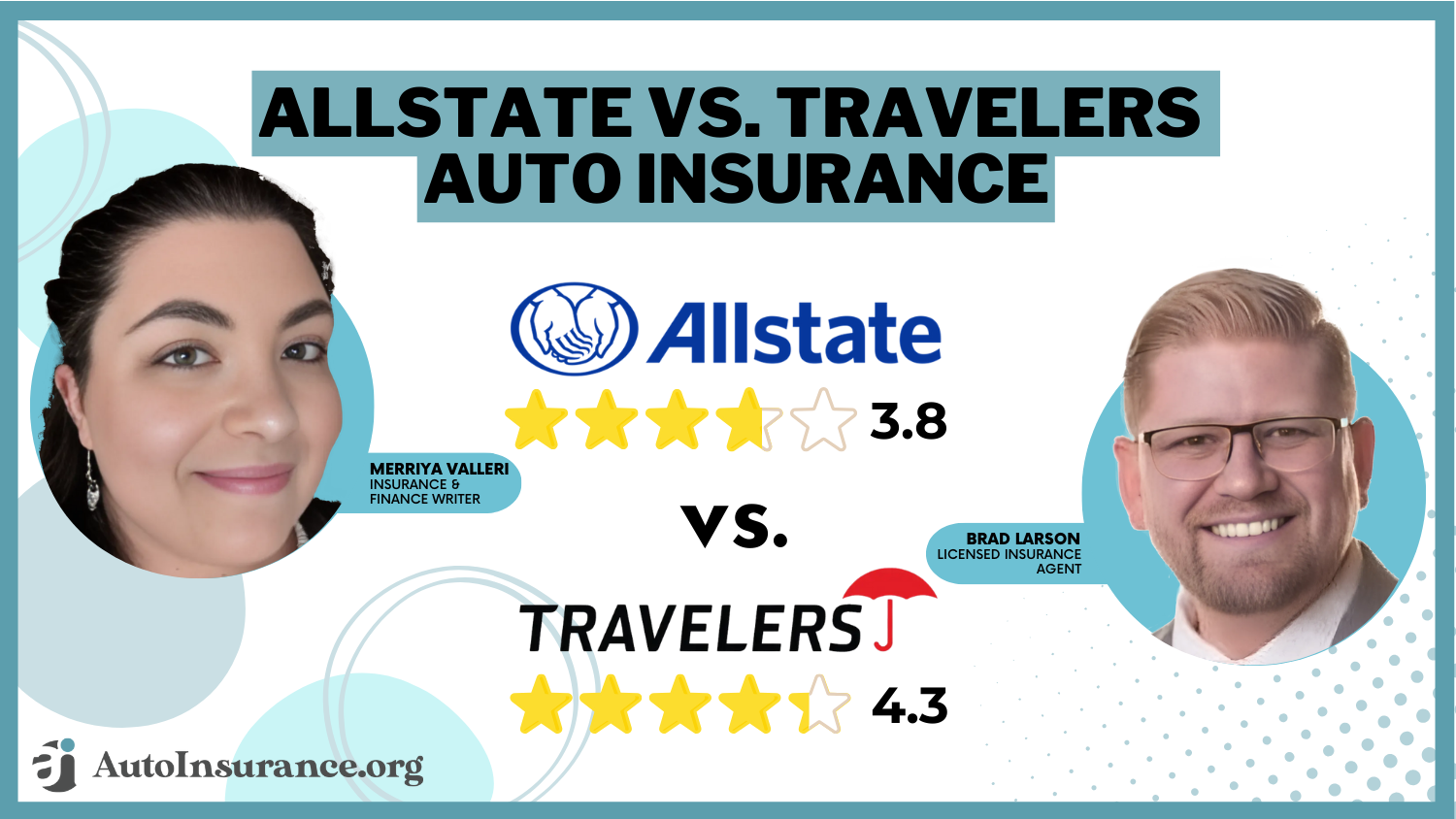
Allstate auto insurance is often perceived as "high" due to its premium pricing model, which prioritizes a personalized, agent-led experience and comprehensive coverage features over the bare-minimum rates offered by "direct-to-consumer" budget carriers. In 2026, these rates reflect a combination of sophisticated telematics-based risk assessment, increased vehicle repair costs for advanced technology, and the company's commitment to local, captive-agent representation.
The Allstate Pricing Philosophy: Why It Sits at the Premium End
To understand why Allstate auto insurance is often categorized as high-cost, one must first look at their business model. Unlike "direct" insurers such as GEICO or Progressive, which primarily interact with customers via apps and call centers, Allstate maintains a massive network of captive agents. These are local professionals who operate storefronts in communities across the country.
This physical footprint creates a higher overhead for the company, which is naturally reflected in the premium. However, the trade-off is the "Allstate Advisor" experience. For many drivers, particularly those with significant assets or complex family insurance needs, paying a higher premium for a dedicated agent who understands local laws and personal risk profiles is a deliberate choice. In 2026, as insurance complexity has increased with the rise of autonomous features and shifting liability laws, this human oversight remains a cornerstone of Allstate’s value proposition.
Furthermore, Allstate positions itself as a "feature-rich" carrier. While a budget insurer might offer a skeletal policy to keep the quote low, Allstate’s standard quotes often include or heavily promote add-ons like New Car Replacement, Accident Forgiveness, and a Claim Satisfaction Guarantee. When comparing "Allstate high auto insurance" quotes to other companies, it is vital to ensure the comparison is apples-to-apples regarding these specific protections.
Factors Driving High Premiums in 2026
The year 2026 has seen a stabilization of the insurance market following the volatility of the early 2020s, yet several technical and economic factors continue to keep Allstate’s premiums on the higher side of the national average.
Advanced Vehicle Technology and Repair Costs
The modern vehicle fleet in 2026 is dominated by Electric Vehicles (EVs) and internal combustion vehicles equipped with Level 2 and Level 3 Advanced Driver Assistance Systems (ADAS). While these systems—such as automated emergency braking and lane-keep assist—reduce the frequency of accidents, they exponentially increase the cost of repairs when a collision does occur. A simple bumper tap that used to cost $500 now frequently exceeds $3,000 because of the sensors and cameras embedded in the bodywork. Allstate’s actuarial models account for these high-tech components, leading to higher premiums for late-model vehicles.
Climate-Related Risk and Regional Variations
Allstate, like other major national carriers, has adjusted its pricing to account for the increased frequency of "catastrophic" events. Whether it is convective storms in the Midwest, wildfires in the West, or coastal flooding, the cost of "Comprehensive" coverage has risen. In states like Florida, California, and Louisiana, Allstate’s rates may appear exceptionally high as the company manages its "concentration of risk"—essentially limiting the number of policies it writes in high-risk zones by raising prices to ensure they can remain solvent during a major disaster.
The Role of Credit-Based Insurance Scores (CBIS)
In most states, Allstate uses a credit-based insurance score to help determine premiums. This is a technical calculation that correlates an individual’s financial responsibility with their likelihood of filing a claim. In 2026, with shifting economic conditions, drivers with lower credit scores may find Allstate’s rates significantly higher than those with "Excellent" credit. This creates a disparity where the "high" insurance label is highly dependent on the individual’s financial profile rather than a flat rate across the board.
Deep Dive: Allstate’s Unique Coverage Features
Part of the "high" cost is attributed to what Allstate calls their "Gold" and "Platinum" protection levels. Understanding these features helps explain why a quote might look higher than a competitor’s.
- Accident Forgiveness: Allstate offers two tiers of this. The basic tier ensures your rates won't go up just because of an accident (even if you’re at fault). The "Enhanced" version can apply even to your first accident with the company. While this adds to the monthly premium, it acts as a hedge against the massive rate hikes (often 30-50%) that follow an at-fault claim.
- New Car Replacement: If you total a car that is less than two model years old, Allstate will pay to replace it with a brand-new car of the same make and model, rather than just paying the depreciated "Actual Cash Value." For drivers of luxury or electric vehicles, this is a high-value, high-cost feature.
- Safe Driving Bonus: Allstate provides a credit or check for every six months of accident-free driving. Effectively, the customer pays a higher "sticker price" for the policy but receives a portion of it back as a reward for performance.
- Claim Satisfaction Guarantee: Allstate is one of the few carriers to offer a credit on premiums if a customer is unsatisfied with the claims process. Maintaining the infrastructure to support this guarantee requires a higher baseline premium.
Comparing Allstate to Industry Standards
To help visualize where Allstate sits in the 2026 market, the following table compares typical attributes of an Allstate policy versus a standard "Value" carrier.
| Feature | Allstate (Premium) | Value/Discount Carrier |
|---|---|---|
| Service Model | Local Captive Agent | Online/App Only |
| Accident Forgiveness | Available immediately (on some tiers) | Often requires 3-5 years of clean driving |
| Telematics Program | Drivewise (Discount and feedback) | Often mandatory for best rates |
| Pay-Per-Mile Option | Milewise (Robust platform) | Limited availability or basic |
| Customization | High (Many riders/endorsements) | Low (Standardized packages) |
| Average Price Point | Mid-to-High | Low-to-Mid |
| Repair Network | Priority access to certified shops | Focus on lowest-cost estimates |
How to Mitigate High Allstate Premiums
If you find that your Allstate quote is high, there are several technical adjustments and programs that can bring the cost down without sacrificing the quality of the carrier.
1. Drivewise and Telematics
Allstate’s Drivewise is a telematics program available via the Allstate mobile app. It tracks driving behaviors such as high-speed events, hard braking, and the time of day you drive. By opting into Drivewise, drivers can see an immediate "participation discount" followed by a performance-based discount of up to 40% at renewal. For those who are safe drivers but are being quoted "high" rates based on demographic data alone, Drivewise provides a way to prove a lower risk profile.
2. Milewise: The Pay-Per-Mile Solution
For drivers who work from home or use public transit, the "high" cost of a standard Allstate policy can be bypassed using Milewise. This program uses a small device plugged into the car's OBD-II port to track mileage. You pay a daily base rate plus a few cents per mile. In 2026, this has become a primary way for low-mileage drivers to maintain Allstate’s high-quality claims service while only paying for the exact amount of road exposure they have.
3. Bundling (The Multi-Policy Discount)
Allstate is a massive multi-line insurer. Their "high" auto rates are almost always designed with the expectation of a bundle. Homeowners who combine their auto and home insurance with Allstate often see a 25% reduction across both policies. If you are looking at an Allstate auto quote in isolation, it will almost certainly appear higher than the market average.
4. Reviewing Deductibles and Limits
Many Allstate agents defaults to lower deductibles (like $250 or $500) to ensure customer satisfaction during a claim. Raising these deductibles to $1,000 or $1,500 can significantly drop the premium. In 2026, with the increased cost of minor repairs, a higher deductible often makes more financial sense for the average driver.
High-Risk Tiers and SR-22 Requirements
It is important to disambiguate "high insurance" as meaning "high premiums" versus insurance for "high-risk" drivers. Allstate does provide coverage for drivers with DUIs, multiple speeding tickets, or those requiring an SR-22 filing (a certificate of financial responsibility).
When a driver enters this "non-standard" tier, Allstate’s rates will be exceptionally high compared to their "Standard" or "Preferred" tiers. Allstate uses a subsidiary or a specific internal rating group for these drivers. If you are in this category, Allstate’s "high" rates are a reflection of the actuarial risk of a repeat offense. In these cases, the company often uses the high price as a way to maintain their "risk appetite" while still providing a path for the customer to eventually return to standard rates after 3-5 years of clean driving.
The Impact of Regional Legislation in 2026
State-specific laws in 2026 heavily influence why Allstate might be high in one zip code and competitive in another. For example:
- No-Fault States: In states with Personal Injury Protection (PIP) mandates, Allstate’s premiums reflect the high cost of medical litigation.
- Tort Reform States: In states that have passed recent litigation limits, you may find Allstate rates becoming more competitive as their legal defense costs drop.
- California/New York: These states have unique regulatory environments where Allstate has historically struggled with "rate adequacy." In 2026, if you are seeing high rates in these states, it is likely because Allstate has finally received approval for rate increases that were frozen in previous years.
Common Misconceptions About Allstate's Pricing
One common mistake is assuming that because a neighbor has a low rate with Allstate, your rate will be similar. Allstate's pricing engine is incredibly granular. It looks at the "Garaging Address" down to the specific city block. If your block has a higher rate of catalytic converter thefts or uninsured motorist claims, your rate will be "high" regardless of your personal driving record.
Another misconception is that the "online quote" is the final word. Because Allstate relies on agents, an agent can often find "stealth" discounts—such as those for specific professions (educators, engineers, first responders) or alumni associations—that are not always triggered correctly in the basic online quoting tool.
FAQs About Allstate High Auto Insurance
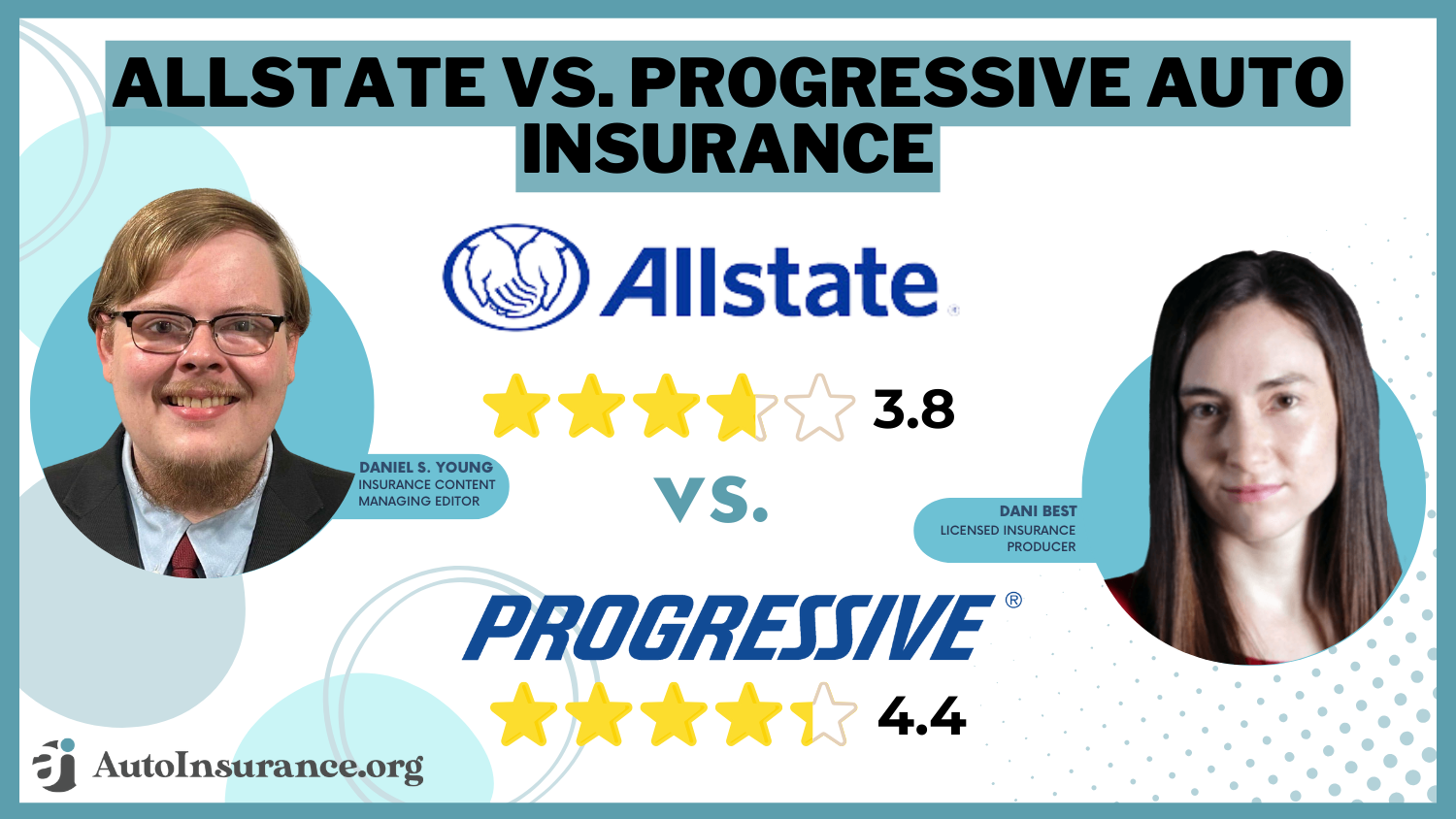
Why is Allstate so much more expensive than GEICO or Progressive?
Allstate’s model includes the cost of local agents and a broader range of standard features. GEICO and Progressive focus on high-volume, low-touch digital interactions. You are essentially paying for a service tier and a person-to-person relationship that the direct carriers do not offer as a standard part of their business model.
Can I lower my high Allstate premium without losing coverage?
Yes. The most effective ways in 2026 are enrolling in the Drivewise telematics program, increasing your deductibles, and ensuring you are receiving every possible discount, including the "Easy Pay" (automatic withdrawal) and "Early Signing" discounts.
Does Allstate's high price mean they pay claims better?
While "better" is subjective, Allstate’s Claim Satisfaction Guarantee is a contractual promise that they will stand by their service. They have one of the largest networks of "Preferred Service Providers" (repair shops), which can lead to faster repairs and less friction during the claims process compared to budget carriers that may require multiple third-party estimates.
Why did my Allstate rate go up in 2026 even though I had no accidents?
Inflation in the "Consumer Price Index for Motor Vehicle Repair" is the most common culprit. Even if your risk profile hasn't changed, the cost for Allstate to fulfill their promise (fixing your car or paying medical bills) has increased. Additionally, if your credit score dropped or a "hidden" factor like the crime rate in your zip code increased, your premium will reflect those changes at renewal.
Is Allstate a good choice for high-net-worth individuals?
Generally, yes. For individuals with significant assets to protect, Allstate’s ability to provide high-limit liability coverage and umbrella policies that integrate seamlessly with their auto and home insurance makes the higher premium a worthwhile investment in asset protection.
Next Actions for Consumers
If you are currently facing high Allstate auto insurance premiums, your first step should be a "Policy Review" with your local agent. In 2026, new discounts or rating tiers may have become available that were not present when you first signed up. Ask specifically about your Credit-Based Insurance Score and whether a "re-score" is possible if your financial situation has improved.
Finally, compare your current Allstate premium against a "Premium Competitor" like State Farm or Liberty Mutual rather than a "Discount Competitor." This will give you a more accurate picture of whether you are paying a fair market rate for the high level of service and agent-led experience you are receiving.