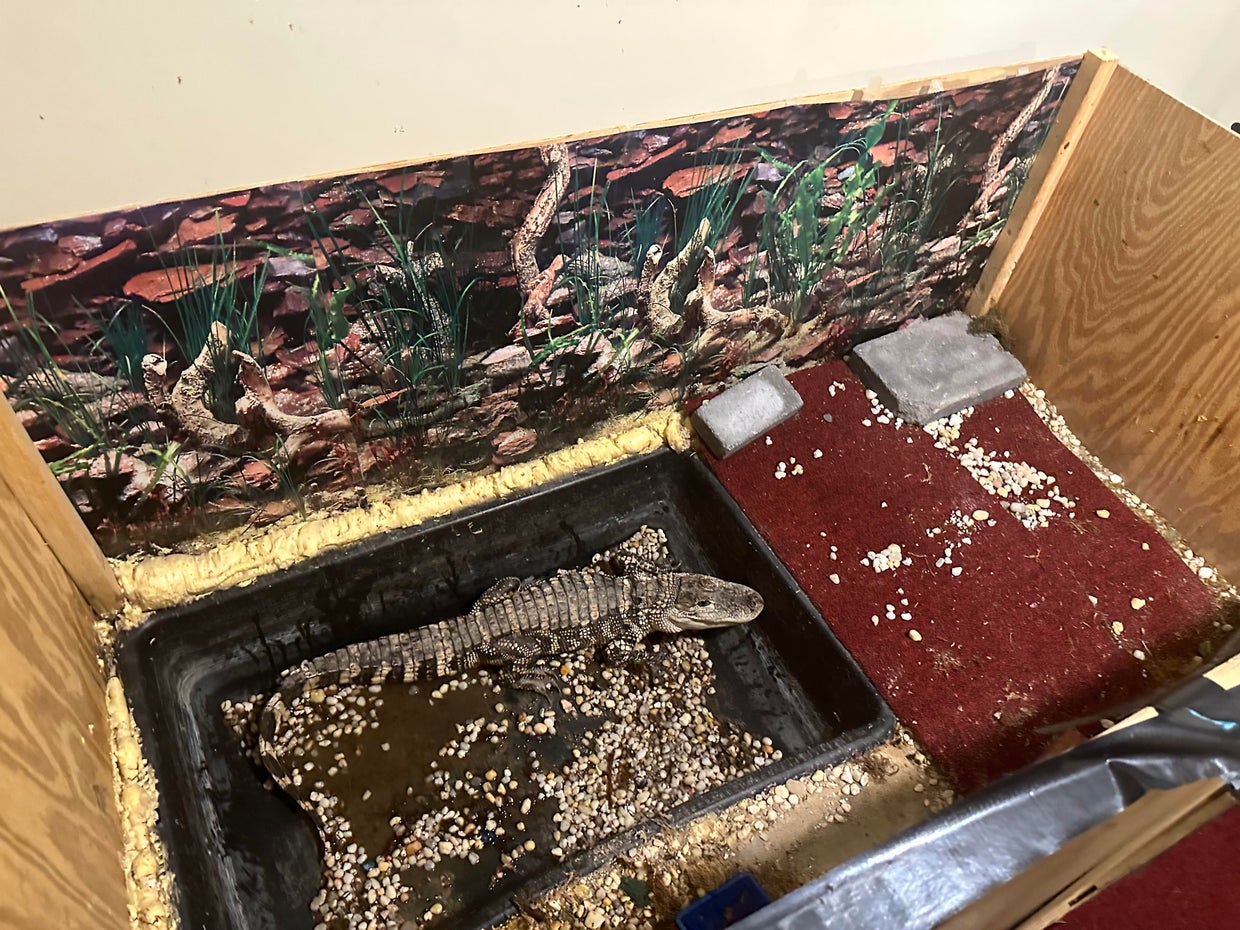
Alligators rescued in Philadelphia are typically former pets that outgrew their enclosures or were illegally abandoned in public spaces like FDR Park or the Wissahickon Creek. Because Pennsylvania state law and Philadelphia city ordinances strictly regulate or prohibit these apex predators, rescued alligators are managed by the Animal Care & Control Team (ACCT Philly) and relocated to specialized sanctuaries in warmer climates.
The presence of alligators in the Delaware Valley is a recurring phenomenon that highlights the intersection of the exotic pet trade, urban wildlife management, and public safety. While Philadelphia is far from the natural marshlands of the American South, the city has seen several high-profile alligator rescues over the past several years. As of 2026, these incidents continue to serve as a cautionary tale regarding the responsibilities of exotic animal ownership and the limitations of urban infrastructure in supporting non-native species.
The Reality of Alligator Sightings in Philadelphia
The headline "alligator rescued in Philadelphia" has appeared with surprising frequency in local news cycles. Most of these animals are American Alligators (Alligator mississippiensis), though occasionally, the smaller and more aggressive Spectacled Caiman is recovered. Unlike the native wildlife of Pennsylvania, these reptiles cannot survive the region’s freezing winters, making every discovery a race against time and temperature.
The FDR Park Alligator Incident (March 2023)
One of the most notable rescues occurred in March 2023 at FDR Park in South Philadelphia. A resident walking their dog near the park’s lagoons spotted a 3-foot alligator lingering near the water's edge. This discovery sparked immediate concern due to the park's high foot traffic and proximity to residential neighborhoods.
The Animal Care & Control Team (ACCT Philly) was dispatched to secure the animal. Upon arrival, officers found a juvenile alligator that appeared lethargic, likely due to the cold spring temperatures. In reptiles, cold weather leads to a state of brumation, where their metabolism slows significantly; however, sustained temperatures below 40°F are typically fatal for alligators. This specific rescue was successful, and the animal was transported to a temporary holding facility before being moved to a reptile sanctuary.
The Saga of WallyGator: Philadelphia’s Famous Emotional Support Reptile
No discussion of Philadelphia alligators is complete without mentioning "WallyGator." While not a traditional "rescue" in the sense of being found in a sewer or park, Wally became a local celebrity and a national talking point regarding reptile ownership. Owned by Joie Henney, Wally was a licensed emotional support animal that frequently visited Philadelphia landmarks, including LOVE Park and the Philadelphia Museum of Art.
The situation took a turn in late 2023 when Wally was denied entry to a Philadelphia Phillies game at Citizens Bank Park, drawing international media attention. The story grew more complex in 2024 when Wally was reportedly stolen and released into the wild in Georgia during a trip. This incident underscored the legal and ethical gray areas surrounding the possession of large crocodilians in urban environments. Even when an animal is "tame," the logistical challenges of keeping a massive predator in a city like Philadelphia are immense.
Legal Framework: Is it Legal to Own an Alligator in Philadelphia?
The legality of owning an alligator in the Philadelphia area is a common point of confusion. The rules differ significantly between Pennsylvania state law and the specific municipal codes of the City of Philadelphia.
Pennsylvania State Law
According to the Pennsylvania Game Commission, it is not illegal under state law to possess an alligator or other exotic reptiles, provided they were obtained legally. However, Pennsylvania law (Title 34) strictly prohibits the release of any non-native species into the wild. Doing so is a summary offense that can carry significant fines and potential jail time if the release results in injury or property damage.
Philadelphia City Ordinances
While the state may allow possession, the City of Philadelphia is much more restrictive. Under Philadelphia Code Title 10, Section 10-602, it is generally prohibited to keep any "wild animal" within city limits. The code defines wild animals as those that are "wild, fierce, dangerous, noxious or naturally inclined to do harm."
Alligators and caimans are explicitly categorized as dangerous animals. Therefore, keeping an alligator in a Philadelphia apartment or backyard is a violation of city law. When ACCT Philly responds to a rescue, they are not just performing a public service; they are often enforcing a code violation.
The Consequences of Illegal Release
The "rescue" of an alligator in a place like the Schuylkill River or a public park is almost always the result of an illegal release. Owners often purchase hatchlings when they are only six to eight inches long. Within three to five years, those animals can grow to four or five feet, becoming too large for standard aquariums and too expensive to feed. Fearful of the legal repercussions of surrendering the animal, owners may choose to release them into local waterways, mistakenly believing the animal can survive.
The Rescue Process: What Happens After a Sighting?
When an alligator is reported in Philadelphia, a specific protocol is activated to ensure the safety of both the public and the animal.
The Role of ACCT Philly
ACCT Philly is the primary agency responsible for animal control in the city. Their officers are trained to handle various wildlife, though crocodilians require specialized equipment, such as catch poles and secure transport containers.
- Verification: Officers first confirm the sighting. Many "alligator" calls turn out to be large carp, floating logs, or discarded toys.
- Capture: If an alligator is present, officers use non-lethal methods to secure the animal’s jaws and limbs.
- Assessment: The animal is taken to the ACCT facility for a health assessment. Veterinarians check for signs of malnutrition, respiratory infections (common in cold-stunned reptiles), and injuries.
- Temporary Housing: Because ACCT is a high-intake shelter designed for dogs and cats, they do not have long-term reptile habitats. The alligator is kept in a temperature-controlled environment for the shortest time possible.
Relocation and Sanctuaries
Philadelphia zoos and local educational centers rarely take in surrendered or rescued alligators because they already have established populations and strict biosecurity protocols. Consequently, the city relies on a network of exotic animal rescues.
Rescued Philadelphia gators often end up at facilities like the Slimy, Scaly, Taily Reptile Rescue or are transported to specialized crocodilian sanctuaries in the Southern United States. These sanctuaries provide large, outdoor enclosures where the animals can live out their lives in a climate that supports their biological needs.
Why Alligators Are Not Suitable for Urban Environments
The trend of keeping "micro-alligators" (which do not exist; they are simply juveniles) is a significant problem in the exotic pet trade. Understanding the biological reality of these animals explains why rescues are so frequent in urban areas.
Growth and Size Constraints
An American Alligator can grow approximately one foot per year during its first decade of life. A hatchling that fits in the palm of your hand will eventually reach 10 to 15 feet in length and weigh over 800 pounds. Most residential homes in Philadelphia cannot accommodate a 1,000-gallon heated tank, which is the bare minimum required for a sub-adult alligator.
Climate and Survival Realities
Philadelphia’s climate is entirely unsuitable for alligators. While they are resilient creatures, they require consistent heat to digest food. When temperatures drop below 70°F, their digestive enzymes stop working. If an alligator eats and then gets cold, the food can actually rot in its stomach, leading to a painful death. This is why "rescued" alligators found in late autumn or winter are often in critical condition.
| Feature | American Alligator | Spectacled Caiman |
|---|---|---|
| Typical Adult Size | 10–15 feet | 5–8 feet |
| Origin | Southeast United States | Central & South America |
| Legal Status (Philly) | Prohibited | Prohibited |
| Cold Tolerance | Moderate (can brumate) | Low (dies in cold) |
| Common Sighting Location | Parks, Lagoons, Creeks | Basements, Apartments |
| Temperament | Generally shy, avoids humans | Highly aggressive, territorial |
Frequently Asked Questions
1. Is it legal to own an alligator in Philadelphia in 2026?
No. Under Philadelphia City Code Title 10, it is illegal to keep wild or dangerous animals, including alligators and caimans, within city limits. While Pennsylvania state law is more lenient, the city’s local ordinances supersede state law regarding possession within the five boroughs.
2. Can alligators survive a Philadelphia winter?
No. Alligators are ectothermic (cold-blooded) and rely on external heat. While they can survive brief freezes in the South by keeping their snouts above the ice, the prolonged freezing temperatures of a Philadelphia winter will lead to fatal hypothermia or starvation, as they cannot digest food in the cold.
3. What should I do if I see an alligator in a Philadelphia park?
Do not attempt to capture or approach the animal. Alligators are incredibly fast and have a powerful bite reflex. Call 911 or contact ACCT Philly immediately at 267-385-3800. Provide a specific location and, if possible, a description of the animal's size.
4. Why don't the local zoos take rescued alligators?
The Philadelphia Zoo and other accredited institutions usually have a fixed number of animals they can care for. Taking in a "pet" alligator of unknown health and genetic history poses a risk to their existing collection. Sanctuaries are better equipped for the long-term care of former pets.
5. How do these alligators get into the city's waterways?
In almost all cases, they are released by owners who can no longer care for them. The exotic pet trade sometimes sells these animals illegally or to buyers who do not understand the long-term commitment required, leading to abandonment when the animal becomes unmanageable.
6. Are there alligators living in the Philadelphia sewers?
This is a popular urban legend. While an alligator could theoretically survive in a sewer for a short time during the summer, the lack of sunlight, inconsistent temperatures, and toxic runoff make the sewers a non-viable habitat for long-term survival.
Practical Recommendations for Residents
If you are considering an exotic pet, or if you currently possess an alligator that you can no longer care for, taking the right steps is crucial for public safety and the animal's welfare.
- Research Local Laws: Before acquiring any reptile, check both state and municipal codes. In Philadelphia, most large reptiles are prohibited.
- Surrender, Don't Release: If you have an alligator, do not release it into the wild. This is a death sentence for the animal and a danger to the community. Contact a reptile rescue organization or ACCT Philly to discuss a safe surrender. ACCT Philly often works with owners to ensure the animal finds a sanctuary without focusing on punitive measures, provided the surrender is voluntary.
- Support Sanctuaries: If you are interested in alligators, consider donating to or volunteering at reputable reptile sanctuaries. These organizations bear the financial burden of Philadelphia’s illegal pet trade.
- Education: Teach children that alligators are not pets. Seeing them in movies or on social media (like WallyGator) can normalize a very dangerous and difficult-to-manage animal.
The phenomenon of alligator rescues in Philadelphia is a reminder of the complex relationship between urban life and the natural world. Through responsible ownership, strict enforcement of city codes, and public awareness, the city can reduce these incidents and ensure that both residents and displaced wildlife remain safe.