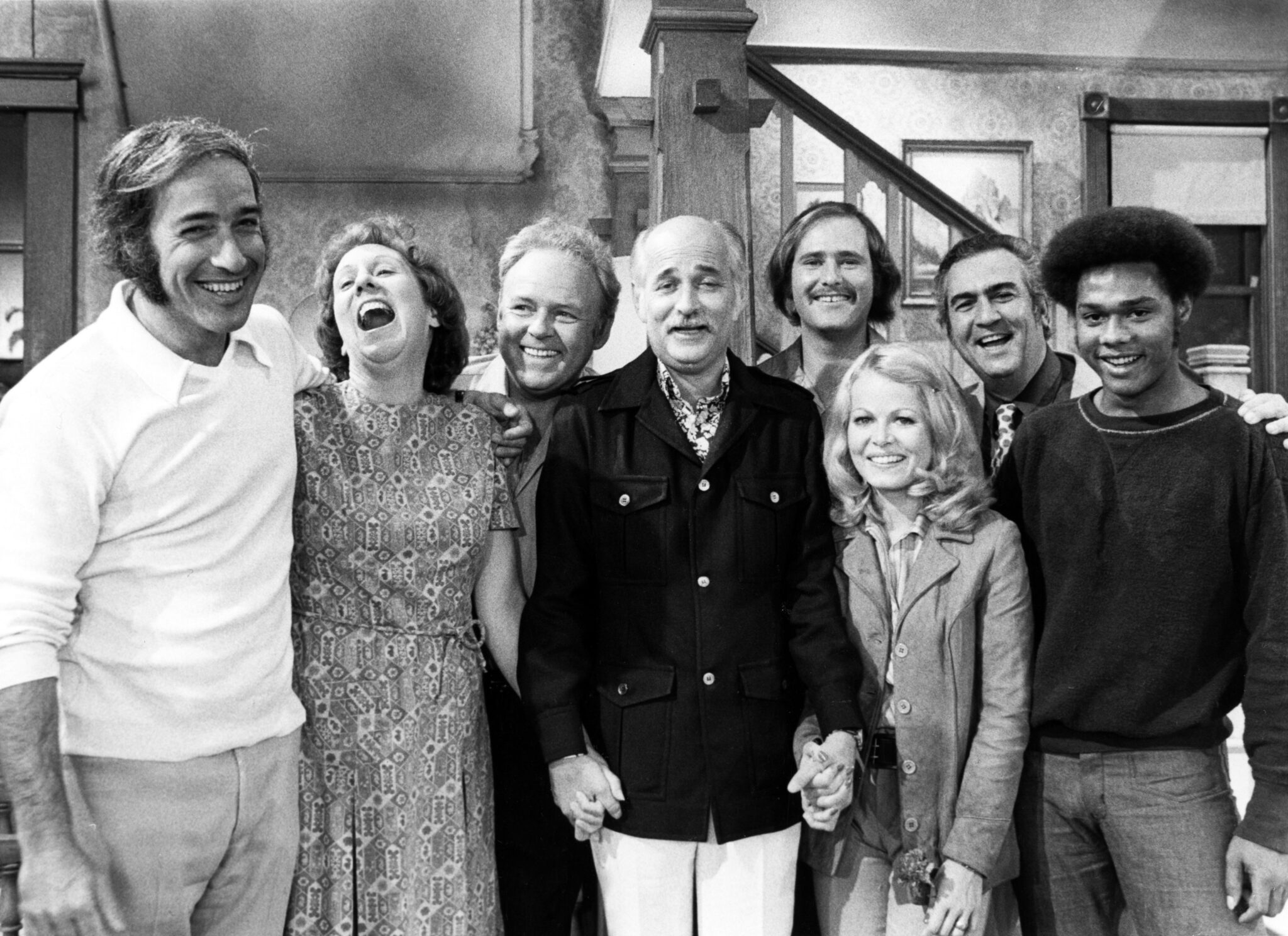
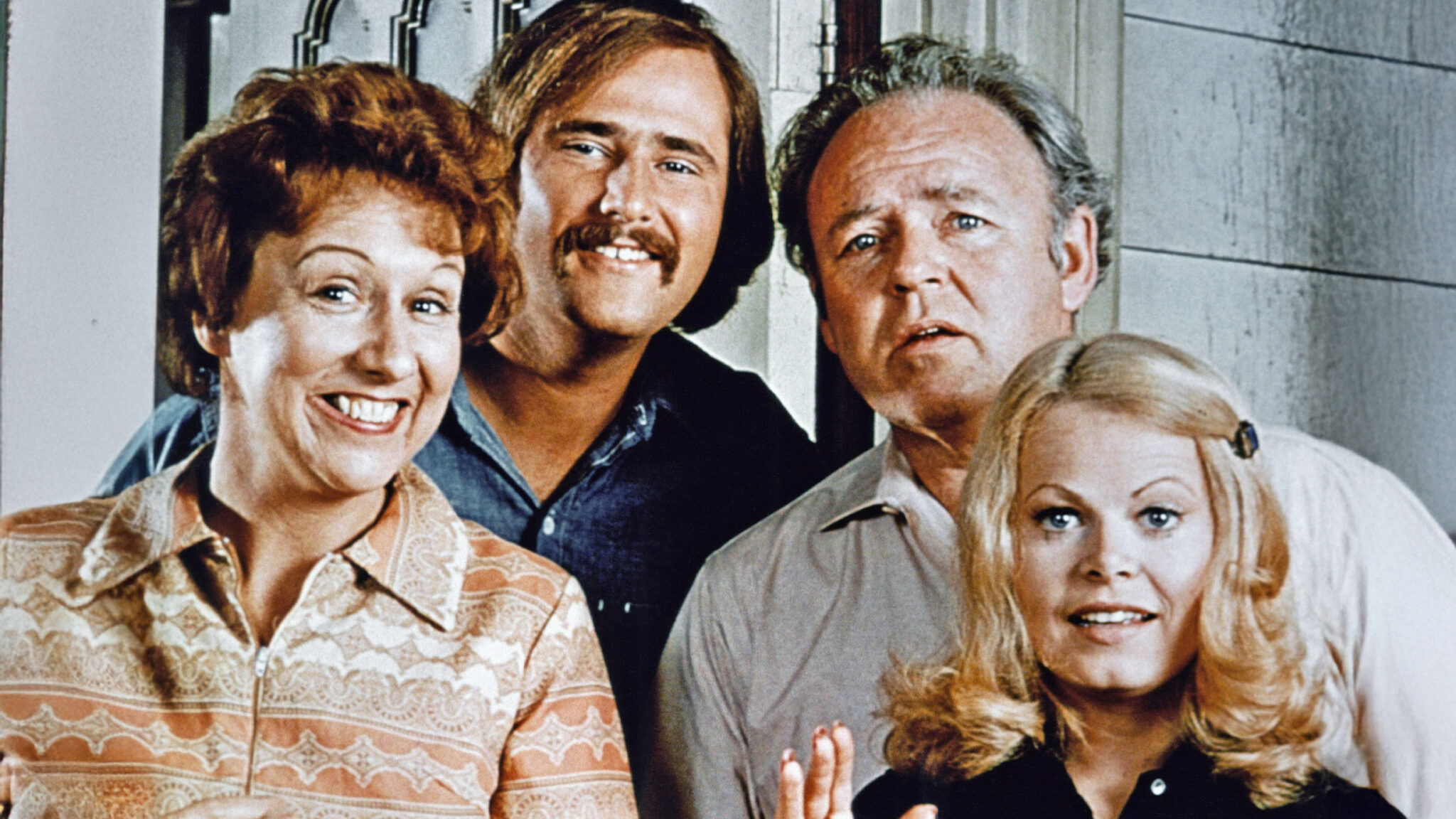
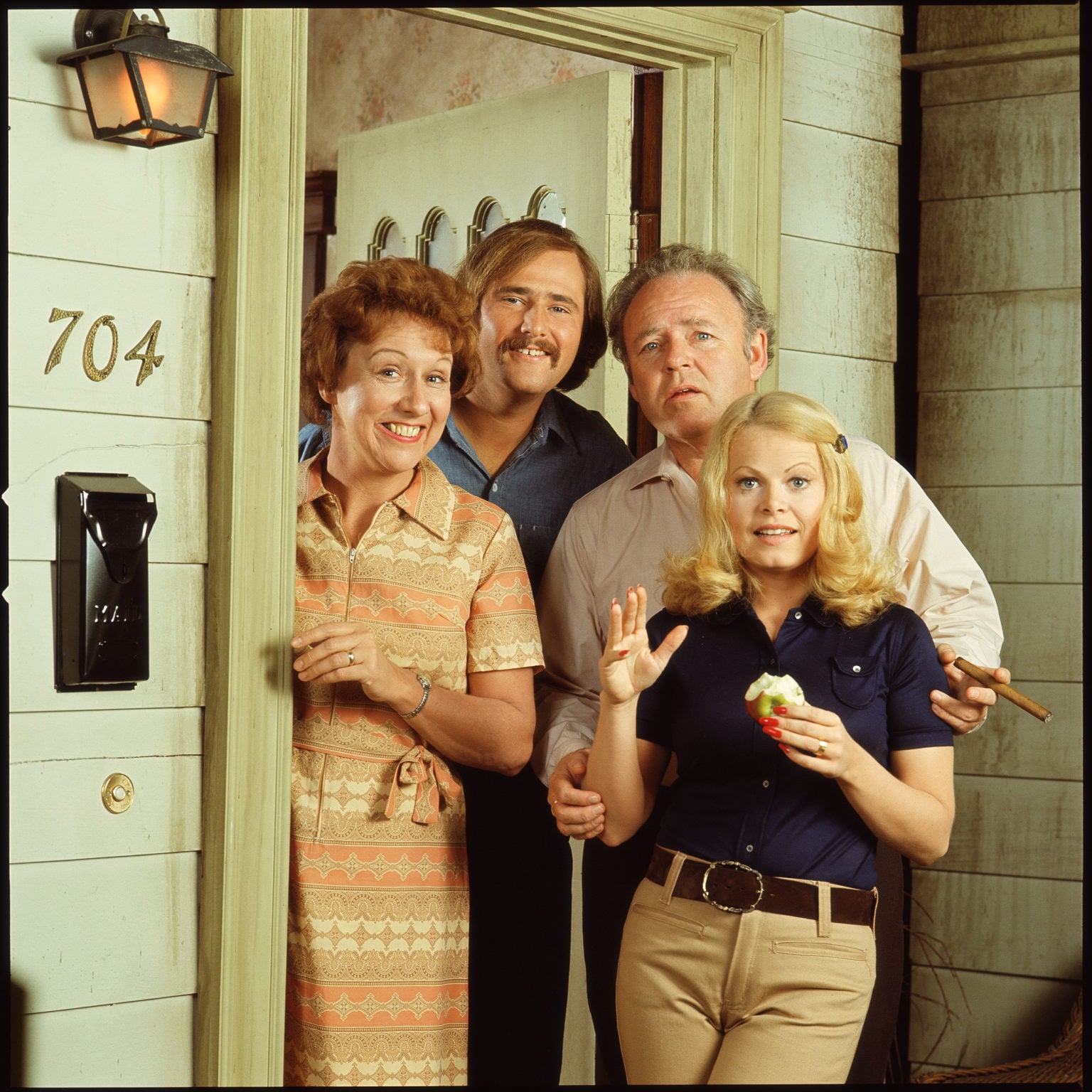
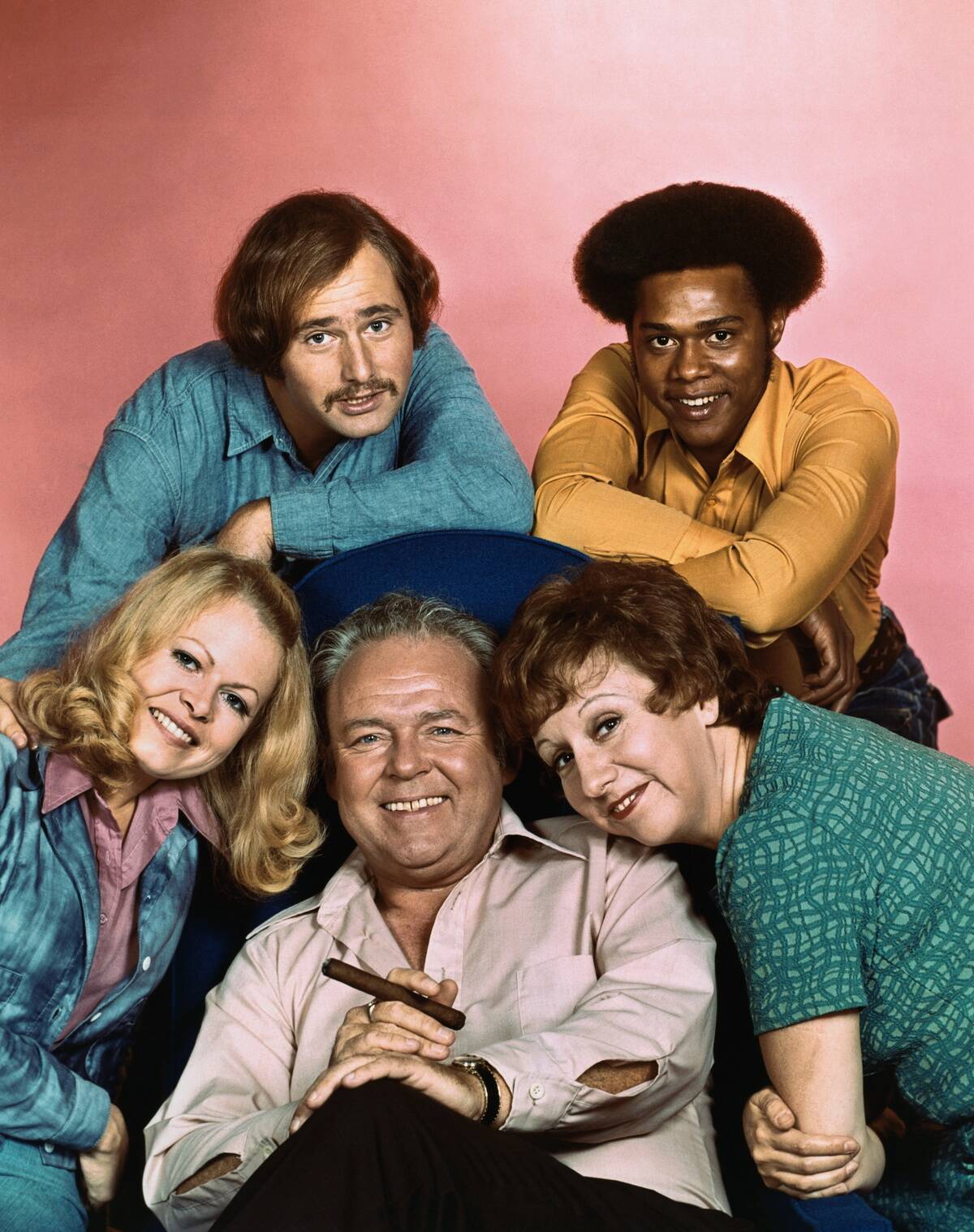
In the landmark American sitcom All in the Family, the character colloquially known as "Meathead" is Michael Stivic, portrayed by actor and director Rob Reiner. As the liberal, counter-culture son-in-law to the conservative Archie Bunker, Michael served as the ideological foil that fueled the show’s most intense and culturally significant debates throughout the 1970s.
Who Played Meathead in All in the Family?
The role of Michael "Meathead" Stivic was played by Rob Reiner, the son of legendary comedian and filmmaker Carl Reiner. When All in the Family premiered on CBS in January 1971, Rob Reiner was a young actor and writer with a background in sketch comedy and improv. His casting was pivotal to the show's success, as he possessed the comedic timing necessary to hold his own against Carroll O’Connor’s powerhouse performance as Archie Bunker.
Reiner appeared as a series regular from 1971 until 1978. During his tenure, he won two Primetime Emmy Awards for Outstanding Supporting Actor in a Comedy Series. While the character was initially written as a polarizing figure to represent the "Generation Gap," Reiner’s performance humanized Michael, making him more than just a political mouthpiece. He portrayed a man who was often intellectually arrogant but deeply committed to his family and his ideals.
By the time 2026 arrived, Reiner’s legacy as Meathead had become a foundational chapter in a career that eventually shifted toward world-class film directing. However, for many television historians and fans of classic media, he remains the definitive "Meathead," a character that mirrored the shifting social landscape of the United States during the Vietnam War era.
The Origin and Meaning of the "Meathead" Nickname
The nickname "Meathead" is one of the most famous monikers in television history. In the context of the show, Archie Bunker coined the term to describe his son-in-law, whom he viewed as intellectually dense despite Michael’s academic pursuits. Archie famously defined a meathead as someone who is "dead from the neck up."
The irony of the nickname was central to the show’s humor. Michael Stivic was an aspiring academic, often seen studying for his sociology degrees and citing statistics or philosophical arguments to counter Archie’s bigoted or traditionalist views. By calling him a "Meathead," Archie was dismissing Michael’s education and liberal sensibilities as worthless or "empty."
Interestingly, the term was not invented by the show's writers. Norman Lear, the creator of All in the Family, adapted the nickname from his own life. Lear’s father had used the term "Meathead" to describe Norman during their own heated political arguments. By bringing this personal detail into the script, Lear grounded the fictional conflict in a universal reality: the tension between a traditionalist father and a progressive son.
Character Dynamics: Michael Stivic vs. Archie Bunker
The relationship between Michael Stivic and Archie Bunker is the engine that drove All in the Family. While the show featured a four-person ensemble—including Jean Stapleton as Edith and Sally Struthers as Gloria—the primary conflict almost always revolved around the dinner table debates between Archie and Mike.
The Clash of Ideologies
Michael represented the "New Left" of the 1970s. He was anti-war, pro-civil rights, feminist-leaning, and an atheist/agnostic. Archie, conversely, represented the "Silent Majority"—blue-collar, patriotic, resistant to social change, and fiercely protective of the status quo. Their arguments covered every major social issue of the time, including:
- The Vietnam War: Michael’s vocal opposition vs. Archie’s "my country right or wrong" stance.
- Civil Rights: Michael’s push for systemic equality vs. Archie’s overt and casual racism.
- Economic Policy: Michael’s support for social safety nets vs. Archie’s frustration with taxes and unions.
The Living Situation
Adding to the friction was the fact that Michael and Gloria lived in the Bunker household for several years while Michael finished his education. This created a power imbalance; Michael was financially dependent on a man whose worldview he detested. Archie frequently reminded Michael of this, using his status as the "provider" to demand respect that Michael felt Archie hadn't earned morally.
| Feature | Michael "Meathead" Stivic | Archie Bunker |
|---|---|---|
| Political Stance | Liberal / Progressive | Conservative / Traditionalist |
| Education | Graduate Student (Sociology) | High School / Working Class |
| Religion | Secular / Agnostic | Christian (Protestant) |
| Temperament | Idealistic, often stubborn | Cynical, reactionary |
| Worldview | Globalist / Reformer | Nationalist / Isolationist |
| Role in House | Dependent / Guest | Homeowner / Patriarch |
Key Episodes Featuring Meathead’s Development
While Michael was often a foil for Archie, several episodes focused on his personal growth and the contradictions within his own liberal ideology.
"The Draft Dodger" (Season 7)
In one of the series' most famous episodes, Michael invites a friend who is a draft dodger to Christmas dinner at the Bunkers'. Archie, meanwhile, has invited a friend who lost a son in the war. The episode highlights Michael’s commitment to his principles even when they cause profound social discomfort, while also forcing him to confront the human cost of the conflict on both sides.
"Mike’s Graduation" (Season 4)
This episode serves as a major turning point for the character. After years of being the "student" living off Archie, Michael finally graduates. The tension in the episode stems from Michael’s fear of the "real world" and Archie’s expectation that Michael will finally leave the house. It humanizes the "Meathead" by showing his vulnerability and the pressure of fulfilling his academic promise.
"The Stivics Go West" (Season 8)
When Rob Reiner and Sally Struthers decided to leave the show, their departure was handled with a multi-episode arc. The Stivics move to California for Michael to take a teaching position. This transition marked the end of the original ensemble dynamic and showcased Michael’s ultimate success in breaking away from Archie’s shadow, though the emotional weight of the departure showed that despite the shouting, a genuine family bond existed.
Rob Reiner’s Transition from Actor to Legendary Director
For many actors, playing an iconic character like Meathead would have been the peak of their career. However, for Rob Reiner, it was merely the beginning. Reiner used the financial stability and industry connections he gained from All in the Family to transition into directing, where he became one of the most successful filmmakers of the 1980s and 1990s.
After leaving the show in 1978, Reiner directed a string of films that are now considered classics:
- This Is Spinal Tap (1984): A pioneer of the "mockumentary" genre.
- Stand by Me (1986): A definitive coming-of-age drama based on Stephen King’s work.
- The Princess Bride (1987): A beloved cult classic that blends fantasy, romance, and comedy.
- When Harry Met Sally... (1989): A film that redefined the modern romantic comedy.
- A Few Good Men (1992): A powerful courtroom drama that earned an Academy Award nomination for Best Picture.
By 2026, Reiner is recognized not just as "Meathead," but as a visionary who shaped the landscape of American cinema. His ability to navigate different genres—from horror (Misery) to political drama (The American President)—is a testament to the creative depth he initially channeled into the character of Michael Stivic.
Where is the All in the Family Cast in 2026?
As of 2026, the legacy of All in the Family is preserved through retrospectives, digital streaming, and the continued public lives of its surviving cast members.
- Rob Reiner: Reiner remains a prominent figure in Hollywood and a vocal political activist. He continues to produce content through Castle Rock Entertainment and often appears in documentaries discussing the evolution of television and film.
- Sally Struthers: Known for her role as Gloria, Struthers has continued to work in theater and television, notably appearing in Gilmore Girls and various touring stage productions.
- Carroll O’Connor (Archie) & Jean Stapleton (Edith): Both legendary actors have passed away (O’Connor in 2001, Stapleton in 2013). Their performances are still studied in acting schools for their incredible range and the way they handled sensitive social material.
The show's creator, Norman Lear, lived to the age of 101, passing in late 2023. Up until his final years, Lear was active in developing reboots and "Live in Front of a Studio Audience" specials, which brought the Stivic-Bunker debates to a new generation of viewers. In 2026, these specials are often cited as the bridge that kept the 1970s "Meathead" relevant in a modern political climate that remains just as polarized.
The Impact of Meathead on American Television History
Michael Stivic was more than just a character; he was a cultural archetype. Before All in the Family, sitcoms rarely dealt with genuine political anger. "Meathead" allowed the show to voice the frustrations of the youth movement directly to the "Middle America" audience that watched CBS.
The character also broke ground in depicting a sensitive, sometimes neurotic male lead who wasn't afraid to cry or express vulnerability. Michael's relationship with Gloria was also revolutionary for the time, showing a couple that discussed birth control, career ambitions for women, and the rejection of traditional gender roles—even if Michael occasionally slipped into the same chauvinistic habits as Archie.
Furthermore, the "Meathead" vs. "Archie" dynamic created a template for "adversarial" television. From The Morton Downey Jr. Show to modern cable news debates, the DNA of the Stivic-Bunker arguments can be found anywhere two opposing sides shout over each other in an attempt to "save" the country.
Common Misconceptions About the Character
Despite the show's popularity, several misconceptions about Michael Stivic persist:
- That he was always "right": While Mike was the voice of progress, the writers often made him look foolish or hypocritical to maintain balance. He would frequently preach equality but expect Gloria to do all the housework.
- That Rob Reiner hated the nickname: While Reiner worked hard to establish an identity beyond Meathead, he has frequently expressed gratitude for the role and the "masterclass" in acting he received from Carroll O'Connor.
- That the character was purely "Anti-American": Michael was portrayed as a man who loved his country enough to want to change it. His arguments were rooted in the Constitution and civil liberties, which was a nuance often lost on Archie (and some viewers).
FAQ
Why did Archie Bunker call his son-in-law "Meathead"?
Archie used the term to imply that Michael was "dead from the neck up," meaning he had no common sense despite his university education. It was a way for Archie to dismiss Michael’s liberal arguments without actually engaging with the logic behind them.
Did Rob Reiner and Carroll O'Connor get along in real life?
Yes. Despite their characters' constant fighting, Reiner and O’Connor were very close friends. Reiner often referred to O’Connor as a mentor and a "second father." Their real-life chemistry was a major reason why the on-screen tension felt so authentic yet grounded in love.
Why did Michael and Gloria leave All in the Family?
Rob Reiner and Sally Struthers left the show in 1978 to pursue other career opportunities. Reiner specifically wanted to move into directing and felt that eight years was enough time to explore the character of Michael Stivic. Their departure led to the spin-off series Archie Bunker's Place.
Was there a spin-off for the Meathead character?
While there was a spin-off titled Gloria in the early 1980s starring Sally Struthers, Rob Reiner did not appear as a regular. The show explained that Michael had left Gloria to join a commune, a plot point that many fans felt was inconsistent with the character's devotion to his wife during the original series.
What was Michael Stivic's heritage?
Michael was of Polish descent. This was frequently a point of contention for Archie, who often made disparaging "Polack" jokes, further highlighting the ethnic and cultural tensions in the working-class neighborhoods of Queens, New York, during that era.
Practical Recommendation: Exploring the Legacy
If you are looking to revisit the performance of Rob Reiner as Meathead or study the impact of All in the Family in 2026, the best course of action is to watch the "high-conflict" episodes from Seasons 2 through 5. These years represent the peak of the show's writing and the most balanced ideological battles between Mike and Archie.
For those interested in the transition of Rob Reiner, watching All in the Family alongside his directorial debut This Is Spinal Tap provides a fascinating look at how a performer can evolve from a sitcom archetype into a foundational figure of American cinema. Most streaming platforms currently host the full series, often accompanied by interviews with Norman Lear and Rob Reiner that provide vital context for the social issues addressed in the scripts.