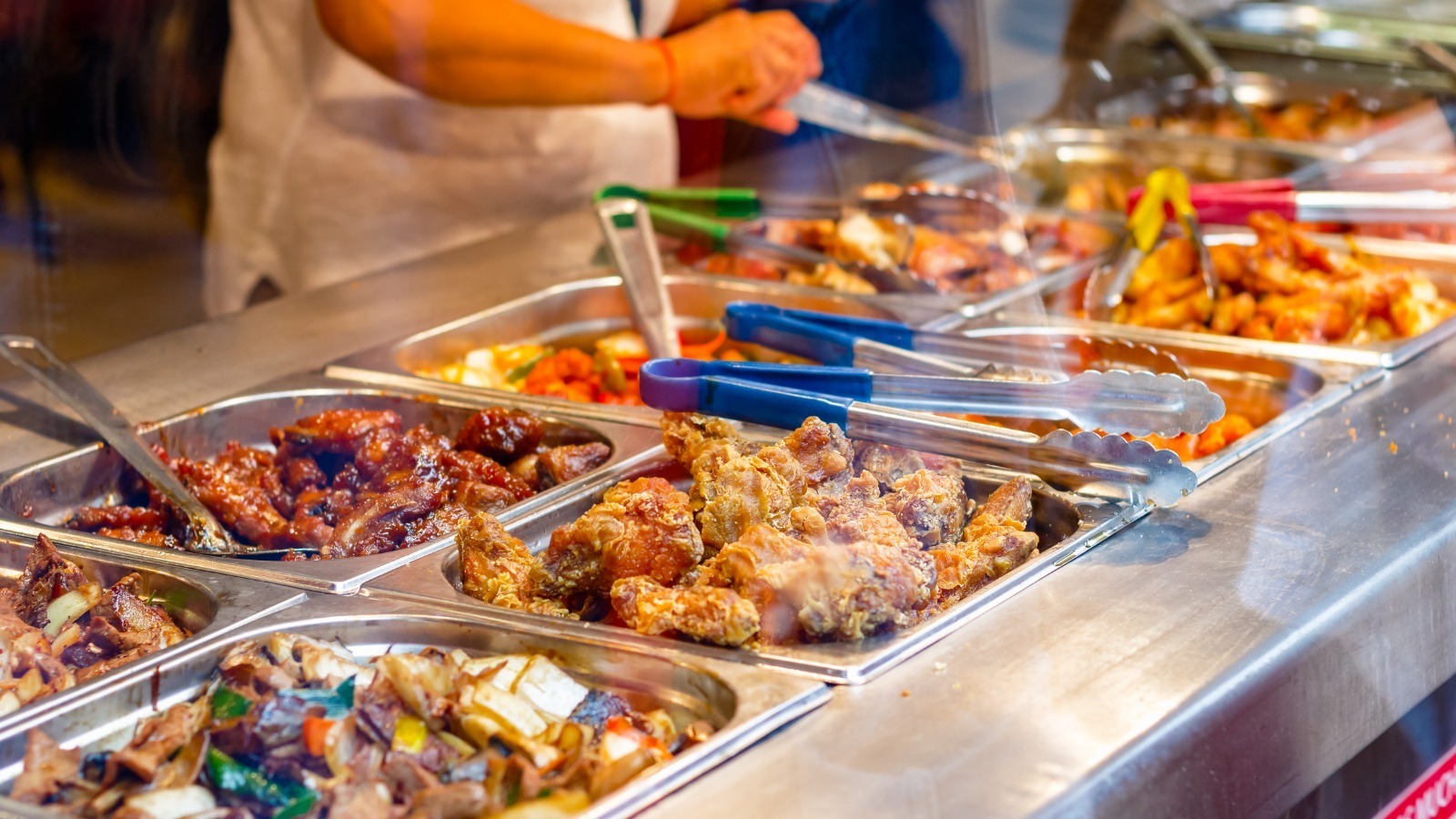
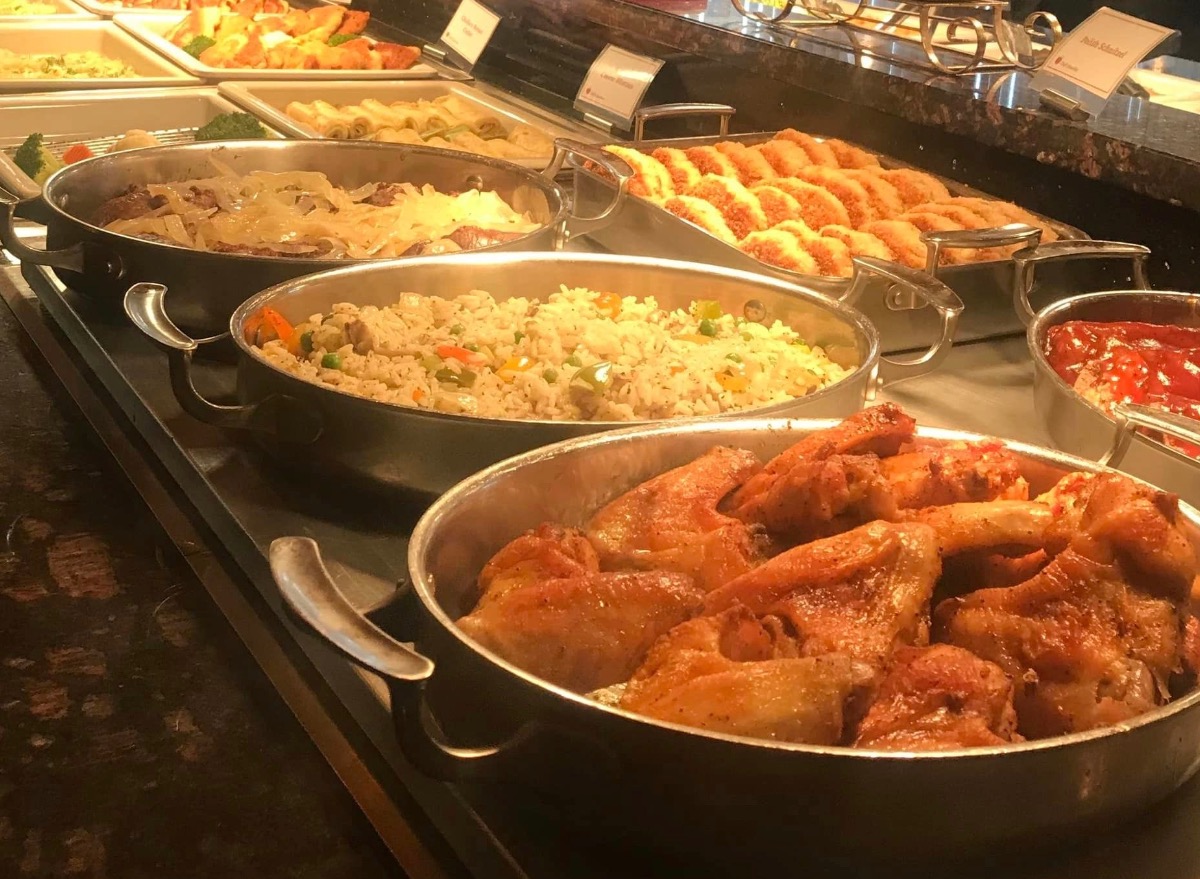
All you can eat buffets offer diners a fixed-price dining format where patrons can serve themselves unlimited portions from a vast array of prepared dishes. Originating from historical smörgåsbords and evolving into modern culinary mainstays, these establishments balance volume, operational efficiency, and customer psychology to create a unique dining experience.
Introduction to the All You Can Eat Buffet Phenomenon
The all you can eat buffet stands as a distinct culinary institution, occupying a specific niche in the global restaurant industry. Unlike traditional a la carte dining, where patrons order individual dishes at varying prices, the buffet model charges a single, upfront fee for unrestricted access to a centralized food display. This format removes the barrier of marginal cost per dish, altering how diners approach meal selection, portion sizing, and culinary exploration.
Understanding the modern buffet requires examining its historical roots, the underlying economic principles that keep these businesses profitable, the psychological triggers that influence customer behavior, and the practical etiquette expected in communal dining environments. Whether analyzing the grand breakfast spreads of Las Vegas resorts, regional Chinese-American buffets, or specialized Brazilian churrascarias, the all you can eat model remains a fascinating study in food service operations and consumer culture.
Historical Evolution: From Nordic Smörgåsbord to Modern Spread
The concept of communal, self-serve dining traces its origins far back in European history, evolving through several distinct cultural iterations before reaching its contemporary global form.
The Swedish Smörgåsbord
The direct ancestor of the modern buffet is the Swedish smörgåsbord, translating literally to "butter-bread table." Originating in the 14th century, it began as a table where guests could gather for a quick drink of schnapps and a bite of bread, cheese, butter, and fish before a formal meal. By the 17th century, this practice expanded into a substantial spread of hot and cold dishes served before the main course. The format gained international prominence at the 1939 New York World's Fair, where the Swedish Pavilion introduced the concept to American audiences, popularizing the self-serve, multi-dish layout.
The American Buffet Boom
In the United States, the buffet underwent a rapid commercial transformation during the mid-20th century. In 1946, a Las Vegas entrepreneur named El Rancho Vegas introduced the "Buckaroo Buffet," a midnight spread offering an array of meats, salads, and sides for one dollar. The format proved exceptionally popular in Nevada casino towns, where operators sought a low-cost, high-efficiency way to feed large crowds of gamblers and keep them on the property.
Throughout the 1970s and 1980s, suburban expansion fueled the growth of buffet chains across North America. Brands specializing in American comfort food, steak, and pizza popularized the family-friendly, value-driven dining experience. Simultaneously, immigration patterns introduced specialized regional buffets, most notably Chinese-American restaurants that adapted traditional banquet styles into accessible, continuous-service lines.
The Economics of Buffets: How Do They Make a Profit?
To the casual observer, all you can eat buffets appear financially precarious. If patrons can eat an unlimited quantity of food for a fixed price, how do operators avoid bankruptcy when faced with voracious eaters? The answer lies in strict supply chain management, operational psychology, and clever menu design.
Food Cost Allocation and Purchasing
Buffet operators do not buy food the same way standard restaurants do. They rely on bulk purchasing, direct supplier relationships, and standardized ingredients that can cross-utilize multiple dishes. For example, roasted chicken served as a main entry on Monday night may be diced and repurposed into chicken salad or chicken soup by Wednesday.
Furthermore, menus are carefully weighted toward high-margin, carbohydrate-dense items. Foods like pasta, rice, potatoes, bread, and beans are exceptionally inexpensive to produce in large quantities. These items fill the stomach quickly, naturally limiting the physical capacity a diner has left for expensive proteins like prime rib, seafood, or specialized meats.
Labor and Operational Efficiency
Traditional restaurants require a high ratio of front-of-house staff, including hosts, servers for each table, bussers, and expediters. Buffets drastically reduce labor overhead. Customers serve themselves, eliminating the need for dedicated order-takers and continuous table service. A minimal front-of-house staff is required merely to clear plates, refill beverages, and maintain cleanliness.
In the kitchen, food is prepared in large batches rather than cooked to order. This reduces the number of specialized line cooks required during peak service hours, streamlining kitchen operations and minimizing food waste through predictive forecasting.
| Cost Factor | Traditional A La Carte Restaurant | All You Can Eat Buffet |
|---|---|---|
| Labor (Front of House) | High (dedicated servers per table) | Low (self-service stations, minimal bussing staff) |
| Kitchen Operations | Order-dependent, high-precision timing | Batch cooking, standardized high-volume prep |
| Food Cost Strategy | Individual dish margin optimization | High-margin filler foods balancing protein costs |
| Inventory Turnover | Variable per menu item | High-frequency replenishment and cross-utilization |
The Psychology of the Buffet Layout and Consumer Behavior
The design of a buffet is rarely accidental. Restaurateurs and food service consultants utilize principles of environmental psychology and sensory marketing to influence how patrons move through the space, what foods they select, and how much they ultimately consume.
Visual Cues and Placement Strategy
When approaching a buffet line, diners encounter a carefully curated sequence of visual stimuli. High-margin items, such as large platters of pasta or colorful vegetable medleys, are frequently positioned at eye level and placed at the very beginning of the line. Hungry patrons, eager to fill their empty plates, tend to scoop larger portions of the first few items they encounter.
Conversely, expensive proteins and luxury items—such as crab legs, carved roast beef, or shrimp cocktails—are often placed further down the line or behind service counters. By the time diners reach these stations, their plates are already partially filled with heavier, less expensive items, physically constraining how much of the luxury food they can take.
Plate Size and Sensory Overload
Many modern buffets intentionally utilize smaller plates and bowls. Psychological studies on consumption norms show that people naturally equate a full plate with a complete meal. A smaller plate creates the visual impression of abundance with a fraction of the food mass, leading to multiple trips to the line rather than a single massive pile.
Additionally, lighting and ambient sound play a role. Bright lighting and energetic background music tend to accelerate eating pace and increase turnover rates, ensuring that tables do not remain occupied indefinitely by slow diners.
Types of All You Can Eat Dining Formats
The all you can eat model is not monolithic; it has evolved into several distinct culinary sub-genres, each catering to different tastes, price points, and cultural traditions.
Traditional American and Family Buffets
These establishments focus on comfort food staples. Menus typically feature carving stations with roast beef or ham, fried chicken, mashed potatoes, macaroni and cheese, green bean casserole, a massive salad bar, and an extensive dessert station featuring soft-serve ice cream, pies, and cakes. These venues prioritize broad demographic appeal, catering to families with children and large groups with diverse dietary preferences.
International and Asian Buffets
Asian buffets, particularly Chinese-American variations, are among the most ubiquitous formats. They feature a blend of classic stir-fries, dim sum, sushi rolls, tempura, noodle dishes, and Mongolian barbecue stations where diners select raw ingredients to be cooked on a massive iron griddle by a chef. Indian buffets are also popular, offering midday spreads of curries, biryani, naan, and tandoori specialties that allow diners to sample a wide array of complex spices and regional dishes.
Specialized Meat and Seafood Feasts
High-end variations include Brazilian churrascarias, where roving servers bring continuous skewers of roasted meats—such as picanha, lamb chops, and linguica—directly to the table until the diner signals a stop. Seafood buffets, commonly found in coastal regions and destination resorts, focus entirely on oceanic fare, featuring crab legs, oysters, mussels, lobster tails, and various fish preparations.
Etiquette, Health, and Safety Guidelines
Navigating a buffet requires adherence to unspoken social norms and critical public health considerations to ensure a pleasant and safe environment for all patrons.
Essential Buffet Etiquette
- Use New Plates: Never reuse a dirty plate when returning to the buffet line. Always take a fresh plate to prevent cross-contamination between used utensils and communal serving spoons.
- Respect the Queue: Maintain a patient, orderly pace. Do not reach across other diners or sample food directly from the serving platters with your hands or personal silverware.
- Mind Your Portions: Take what you can reasonably eat to minimize food waste. Most buffets have policies regarding excessive waste, and thoughtful portioning ensures that popular items remain available for other guests.
- Supervise Children: Ensure that young children are accompanied by an adult in the serving areas to prevent spills, burns from heated lamps, and mishandling of utensils.
Food Safety and Hygiene Standards
Because food sits out in ambient or heated holding zones, health departments subject buffets to rigorous regulatory oversight. Sneeze guards are mandatory barriers designed to protect food from airborne contaminants. Hot food must be maintained above 135°F (57°C) to prevent bacterial proliferation, while cold items must stay below 40°F (4°C). Diners should observe whether serving utensils are clean, food is actively replenished rather than left to dry out, and the overall cleanliness of the station meets acceptable standards.
Frequently Asked Questions
Why do some buffets charge different prices for lunch and dinner?
Lunch and dinner pricing reflects variations in menu complexity, ingredient costs, and operational demand. Dinner menus typically feature more expensive proteins, such as prime rib, seafood, and specialized dishes, alongside a wider selection of items. Additionally, dinner service generally experiences longer dwell times per table compared to rapid midday lunch breaks.
Is it acceptable to ask for takeout boxes at an all you can eat buffet?
As a general rule, all you can eat pricing applies strictly to dine-in consumption. Because the business model relies on calculated margins and portion limits per sitting, taking food away violates the terms of the fixed price. Some establishments may offer a weighed takeout option at a different per-pound price, but boxing up food from the buffet line is typically prohibited.
How do buffets handle food waste safely?
Health regulations strictly dictate that once food has been placed on a public buffet line, it cannot be reused, saved for the next day, or donated to food banks. To minimize loss, kitchens use careful forecasting to replenish food in smaller, continuous batches rather than putting out massive amounts all at once. Any remaining food at the end of service is generally discarded in accordance with local health codes.
What is the origin of the term "buffet"?
The word originates from the French language, initially referring to a piece of furniture—a sideboard or cupboard—used to store dishes and silverware. Over time, the term shifted to describe the actual meal service where food was displayed on such furniture for guests to serve themselves.
Can individuals with severe food allergies safely eat at buffets?
Buffets present a high risk for individuals with severe food allergies due to the high probability of cross-contamination. Because patrons frequently use shared serving utensils and may accidentally drop food items from one tray into another, allergen-free integrity is difficult to guarantee. Diners with severe allergies should exercise extreme caution or speak directly with management regarding kitchen preparation practices.
Conclusion and Next Action
All you can eat buffets offer an enduringly popular dining format built on a delicate balance of operational efficiency, culinary variety, and consumer psychology. Whether you are planning a visit to a high-end resort spread or a local neighborhood spot, understanding the mechanics behind the meal enhances your appreciation for the establishment. When planning your next buffet outing, verify the specific service hours, check for special themed nights such as seafood or steak weekends, and approach the spread with mindful portioning for an enjoyable culinary experience.