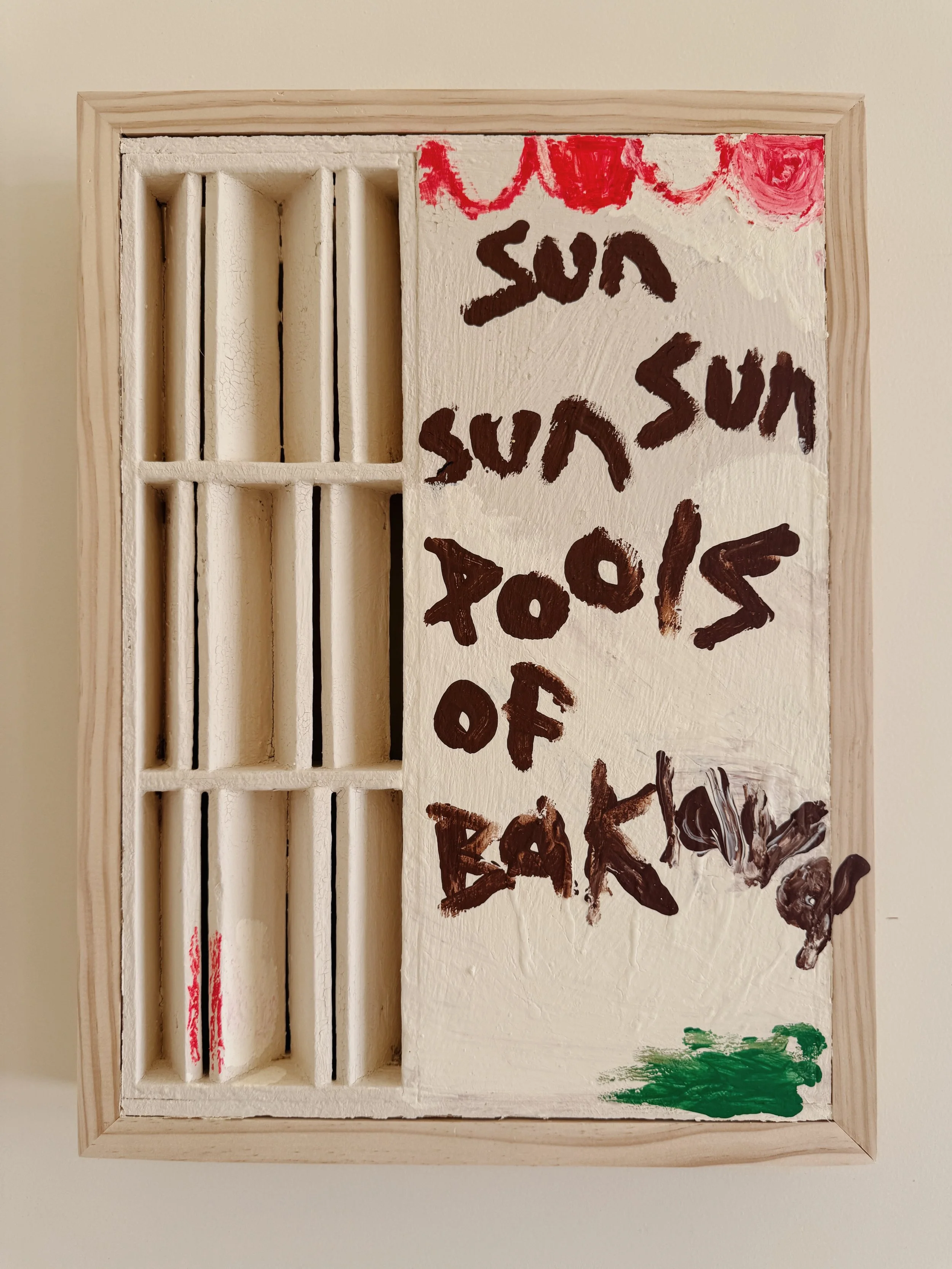
As of late 2023, Aleksandra Zee’s net worth was estimated to be between $500,000 and $1.5 million. This valuation is based on her multi-stream income model, which includes high-end custom woodworking commissions, large-scale commercial installations, retail brand collaborations, book royalties from The Way of the Woodshop, and a significant social media influence that drives digital product sales.
Defining the Artistic Economy of Aleksandra Zee
To understand the financial standing of Aleksandra Zee in 2023, one must look beyond the simple label of "artist." Zee transitioned from a niche woodworker to a lifestyle brand, a shift that fundamentally altered her earning potential. Based in San Francisco, Zee carved out a specific aesthetic—geometric, desert-inspired wood mosaics—that resonated with the "modern rustic" and "boho-chic" interior design trends that peaked in the early 2020s.
Her net worth is not merely a reflection of liquid cash but a combination of brand equity, intellectual property, and a physical inventory of high-value art pieces. Unlike traditional artists who may rely solely on gallery sales, Zee’s business model is diversified. By 2023, she had successfully integrated the "maker movement" with digital entrepreneurship, allowing her to scale a business that traditionally relies on the physical labor of a single individual.
The Value of the Custom Commission Market
A primary driver of Zee’s wealth is her custom commission work. In 2023, her large-scale wood mosaics were highly sought after by both private collectors and corporate entities. These pieces are not mass-produced; they require significant manual labor, precision cutting, and specialized staining techniques to achieve her signature "sunburst" and "geometric" patterns.
For a mid-to-large-scale piece, prices in 2023 typically ranged from $5,000 to over $25,000, depending on the complexity and dimensions. When commissioned for commercial spaces—such as hotels, tech offices in the Bay Area, or boutique retail environments—these figures could climb significantly higher. The scarcity of her work, combined with the time-intensive nature of woodworking, created a high-demand, low-supply dynamic that allowed for premium pricing.
Diversified Revenue Streams in 2023
Aleksandra Zee’s financial success is rooted in the "octopus" model of income—having multiple "tentacles" in different sectors of the economy. By 2023, her revenue was no longer tied exclusively to the hours she spent in her studio.
Commercial Brand Partnerships
One of the most lucrative aspects of Zee’s career has been her ability to partner with national retailers. Throughout the early 2020s and into 2023, Zee collaborated with brands like Anthropologie and West Elm. These partnerships usually take two forms:
- Product Lines: Designing a limited-edition series of home goods (rugs, smaller wall hangings, or prints) that the retailer mass-produces.
- Influencer Marketing: Using her large Instagram following to promote lifestyle brands, tools (like Festool or DeWalt), and interior design products.
These contracts can range from mid-five to low-six figures, providing a substantial boost to her annual earnings without the physical overhead of creating every piece by hand.
Intellectual Property: "The Way of the Woodshop"
In 2019, Zee published The Way of the Woodshop, a book that serves as both a DIY guide and a coffee-table art book. By 2023, this publication continued to provide passive income through royalties. While book royalties rarely make an artist a millionaire on their own, the book functions as a powerful marketing tool. It establishes Zee as a "subject matter expert," which in turn increases the value of her workshops and speaking engagements.
Digital Products and Education
The creator economy of 2023 saw a massive surge in artists selling their knowledge. Zee capitalized on this by offering online workshops and process-based content. By selling digital courses that teach the basics of woodworking or the specifics of her geometric style, she converted her expertise into a scalable product. Once the content is produced, the cost of selling it to an additional 1,000 students is nearly zero, resulting in high-profit margins that contributed significantly to her net worth.
Operational Costs and Financial Management
When evaluating the net worth of a professional artist, it is essential to consider the "burn rate" or operational expenses. Aleksandra Zee operates out of San Francisco, one of the most expensive cities in the world for studio space.
Studio Overhead and Materials
A woodworking studio of the scale required for Zee’s work involves significant costs. In 2023, industrial studio space in the Bay Area could easily cost several thousand dollars per month. Furthermore, the cost of high-quality lumber—specifically cedar, redwood, and specialized plywood—fluctuated wildly in the early 2020s.
Professional-grade tools also represent a major capital investment. Outfitting a shop with industrial table saws, miter saws, planers, and dust collection systems requires tens of thousands of dollars in upfront costs and ongoing maintenance.
Labor and Outsourcing
As Zee’s brand grew, she moved from being a solo maker to managing a small team. Hiring assistants for sanding, prep work, and administrative tasks allowed her to increase her output but also increased her monthly liabilities. Her net worth reflects the value of the business as a whole, including its equipment and brand reputation, minus these operational debts.
| Income Stream | Revenue Potential (Estimated) | Consistency | Scalability |
|---|---|---|---|
| Custom Art Commissions | High ($5k - $30k per piece) | Moderate | Low (Manual Labor) |
| Brand Collaborations | Very High (Contract-based) | Periodic | High |
| Book Royalties | Moderate (Passive) | Consistent | Medium |
| Digital Courses | High (Margin-focused) | Consistent | Very High |
| Social Media/Influencer | Moderate to High | Consistent | High |
The Role of Social Media in Asset Valuation
In the modern era, an artist's social media following is a "soft asset" that has a hard financial value. With hundreds of thousands of followers on Instagram, Zee’s account acts as a direct-to-consumer sales channel. In 2023, the ability to bypass traditional galleries saved her the standard 40% to 50% commission fee that galleries usually take.
This direct access to her audience significantly bolstered her profit margins. By selling directly through her website or social platforms, she retained the lion's share of the sale price. This digital footprint is a major factor in why her net worth is higher than many contemporary artists who may have similar skill levels but lack the same reach.
Factors Influencing Net Worth Fluctuations
Net worth is a "snapshot" in time. In 2023, several external factors influenced the valuation of artists in the home decor and luxury art space:
- Housing Market Trends: Much of Zee’s work is bought by new homeowners or individuals renovating high-end properties. When the housing market is active, the demand for custom "statement pieces" increases.
- Inflation and Material Costs: The rising cost of wood and shipping in 2022 and 2023 forced many artists to raise their prices. While this increased revenue, it didn't always increase net profit if the costs rose faster than the prices.
- The Shift to Sustainable Art: Zee’s use of wood—often reclaimed or sourced from sustainable suppliers—aligned with the 2023 consumer preference for "slow decor" and environmentally conscious products, maintaining her brand’s relevance and value.
Comparing Zee to Industry Peers
To provide context for her $500k–$1.5m net worth, one can look at other "maker-influencers." Artists who successfully bridge the gap between manual craft and digital media often see their net worths fall into this range. This is distinct from "blue-chip" gallery artists whose wealth is tied to the secondary auction market, or "hobbyist" woodworkers who may only sell a few pieces a year. Zee represents the "professional creator" class—those who have professionalized their craft through modern marketing and diverse business units.
Frequently Asked Questions
What was Aleksandra Zee's primary source of income in 2023?
While she is best known for her wood mosaics, her primary income in 2023 likely came from a combination of high-value custom commissions and brand partnership contracts. The diversity of her income—including passive royalties from her book and digital sales—ensured financial stability even when the physical production of art slowed down.
How does her San Francisco location affect her net worth?
Her location is a double-edged sword. While it provides access to high-net-worth clients and a thriving tech industry interested in local art, the astronomical cost of living and studio rent in San Francisco acts as a significant drain on her liquid assets.
Did she sell her business or brand in 2023?
There is no public record of Aleksandra Zee selling her brand in 2023. She continues to operate as an independent artist and business owner, retaining full equity in her name and artistic output.
Is woodworking a high-profit-margin business?
Generally, woodworking has lower margins than digital products due to the cost of materials and the time required for labor. However, by positioning herself as an "artist" rather than a "carpenter," Zee is able to charge art-market prices, which offer significantly higher margins than standard furniture making.
How has her book impacted her overall financial standing?
The Way of the Woodshop (2019) acted as a long-term asset. By 2023, it served more as a lead-generation tool than a primary income source, bringing in new clients and students who discovered her work through traditional publishing channels.
Final Perspective for Aspiring Artists
Aleksandra Zee’s net worth in 2023 serves as a case study for the modern artist. Her success was not built solely on the quality of her woodworking, but on her ability to build a recognizable brand and diversify her income. For those looking to replicate this success, the "takeaway" is the importance of digital presence and scalability.
Relying on physical labor alone limits an artist's income to the number of hours they can work. Zee broke this ceiling by introducing books, digital courses, and commercial partnerships into her portfolio. As we look back from 2026, her 2023 performance remains a benchmark for how makers can navigate the intersection of traditional craft and the modern digital economy.