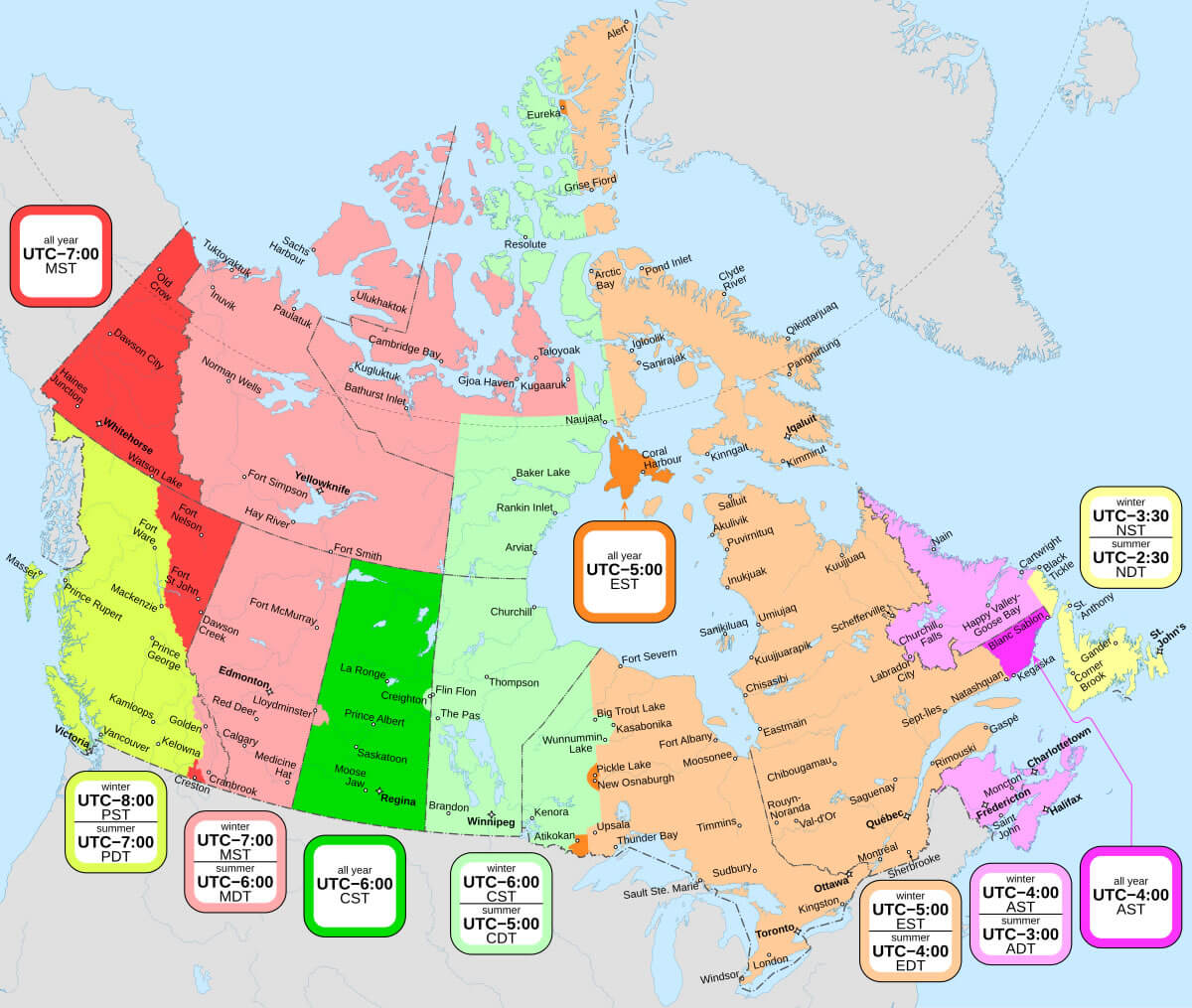
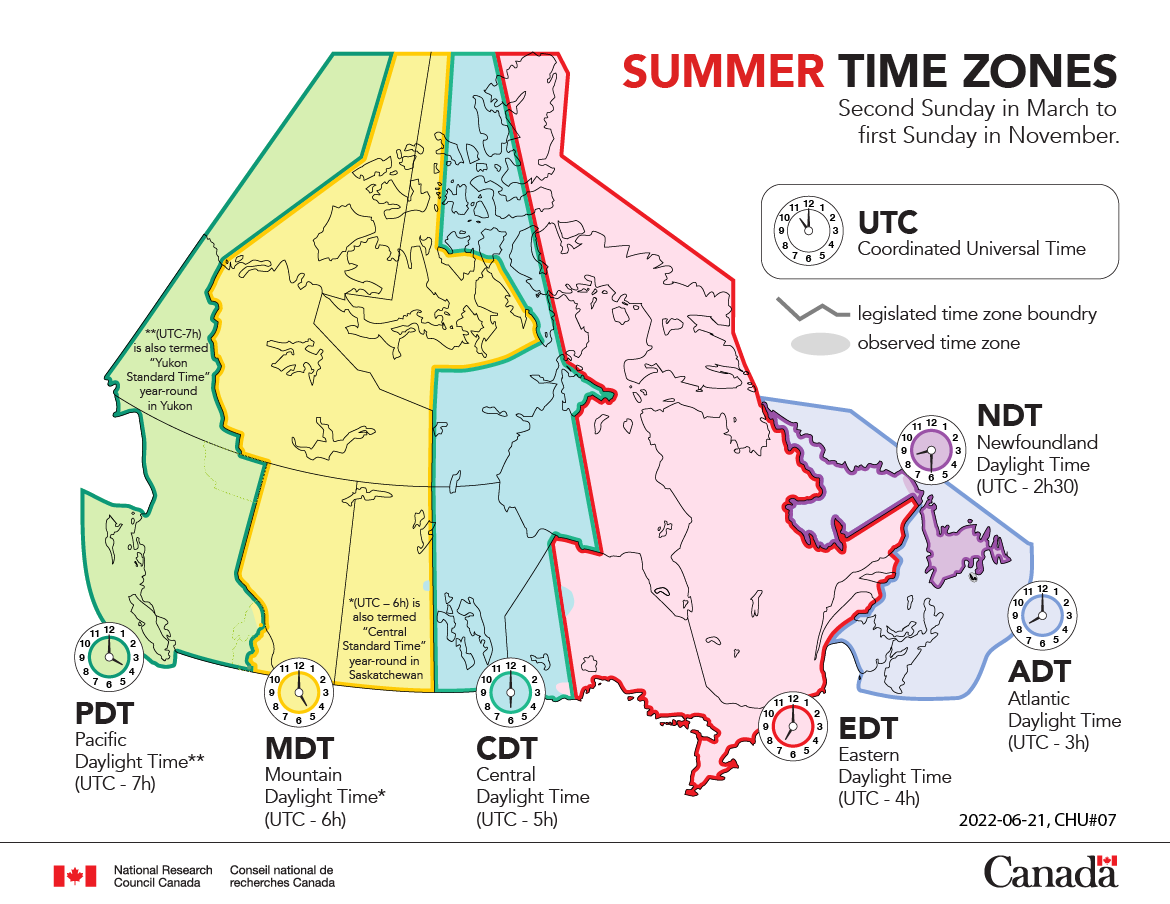
Alberta, Canada, operates within the Mountain Time Zone, alternating between Mountain Standard Time (MST) and Mountain Daylight Time (MDT) depending on the season. As of 2026, the province continues to observe Daylight Saving Time, meaning clocks are advanced by one hour in the spring (UTC-6) and set back by one hour in the autumn (UTC-7).
Understanding the nuances of Alberta’s local time is essential for residents, travelers, and businesses operating in Western Canada. While the concept of "Mountain Time" seems straightforward, Alberta’s specific legislative history, its relationship with neighboring provinces like Saskatchewan and British Columbia, and the unique status of border cities like Lloydminster create a complex temporal landscape. This guide provides a comprehensive breakdown of how time is managed in Alberta, the history of its time-keeping debates, and practical advice for navigating the seasonal shifts.
The Foundations of Mountain Time in Alberta
Alberta is geographically situated between the 110th and 120th meridians west of Greenwich. This placement naturally aligns the province with the Mountain Time Zone, one of the primary time zones in North America. The designation "Mountain" refers to the Rocky Mountains, which run through the western portion of the province.
Mountain Standard Time (MST)
During the winter months, Alberta observes Mountain Standard Time. MST is seven hours behind Coordinated Universal Time (UTC-7). This period begins on the first Sunday of November and lasts until the second Sunday of March. For those coordinating international calls or data transfers, it is critical to remember the -7 offset, as many automated systems rely on UTC to synchronize logs and schedules.
Mountain Daylight Time (MDT)
In the summer, Alberta transitions to Mountain Daylight Time. MDT is six hours behind Coordinated Universal Time (UTC-6). The transition to MDT is part of the Daylight Saving Time (DST) protocol designed to extend evening sunlight during the longer days of the year. While the shift provides more "usable" daylight for outdoor activities and potentially reduces evening energy consumption, it remains a point of significant public debate within the province.
The Annual Clock Transition Schedule
The timing of Alberta's clock changes is synchronized with most of North America, following the standards set out in the Daylight Saving Time Act. This synchronization is vital for maintaining consistent flight schedules, broadcasting times, and financial market operations across the continent.
In 2026, the transitions follow this established pattern:
- Spring Forward: On the second Sunday of March (March 8, 2026), clocks move forward from 2:00 a.m. to 3:00 a.m. local time.
- Fall Back: On the first Sunday of November (November 1, 2026), clocks move backward from 2:00 a.m. to 1:00 a.m. local time.
These shifts are handled automatically by most modern electronic devices, including smartphones, computers, and smart home systems. However, manual adjustments are still required for analogue clocks, older appliances, and certain specialized industrial equipment.
The 2021 Referendum and the Future of DST in Alberta
To understand why Alberta still changes its clocks in 2026, one must look back at the provincial referendum held in October 2021. The provincial government asked Albertans a direct question: "Do you want Alberta to adopt year-round Daylight Saving Time, which is summer hours, eliminating the need to change our clocks twice a year?"
The result was exceptionally close, reflecting a deep divide in public opinion. Approximately 50.2% of voters chose "No," while 49.8% chose "Yes." Because the majority voted against the change, the status quo of switching between MST and MDT was maintained.
Arguments for Change
Proponents of permanent Daylight Saving Time argued that eliminating the time change would improve public health by reducing the sleep disruption associated with the spring shift. They also highlighted potential economic benefits, such as increased consumer spending in the evenings and simplified scheduling for businesses.
Arguments for the Status Quo
Opponents, including many in the agricultural sector and parents of school-aged children, expressed concerns about late winter sunrises. If Alberta stayed on MDT (summer time) year-round, the sun would not rise in some northern parts of the province until nearly 10:00 a.m. in late December. This raised significant safety concerns regarding children walking to school or commuting in total darkness. Furthermore, the airline and hospitality industries argued that breaking synchronization with neighboring jurisdictions (specifically British Columbia and US states like Montana) would create logistical nightmares.
As of 2026, the government has not signaled an intent to revisit the referendum, though the topic remains a staple of local political discourse whenever the clocks change.
The Lloydminster Exception: A Bi-Provincial Complexity
One of the most interesting technical aspects of Alberta’s time-keeping is the city of Lloydminster. Geographically, Lloydminster straddles the border between Alberta and Saskatchewan. Historically, this presented a major problem because Saskatchewan does not observe Daylight Saving Time; it remains on Central Standard Time (CST) year-round.
To prevent the city from being split into two different time zones for half the year, the Lloydminster Charter mandates that the entire city—both the Alberta and Saskatchewan sides—follows Alberta’s time zone rules. Consequently, Lloydminster observes Mountain Time and follows the DST schedule. This ensures that municipal services, schools, and local businesses operate on a unified clock, regardless of which side of the border they are on.
Comparing Alberta Time with Major Canadian Hubs
For those conducting business across Canada, understanding Alberta's relative position in the "time stack" is essential. Because Alberta is a central hub for the energy and agricultural sectors, its alignment with Vancouver, Toronto, and Ottawa is a daily operational concern.
| City | Province | Standard Time Zone | Offset from Alberta (Winter) | Offset from Alberta (Summer) |
|---|---|---|---|---|
| Vancouver | British Columbia | Pacific (PT) | -1 Hour | -1 Hour |
| Edmonton | Alberta | Mountain (MT) | 0 | 0 |
| Calgary | Alberta | Mountain (MT) | 0 | 0 |
| Regina | Saskatchewan | Central (CT) | +1 Hour | 0 Hours* |
| Winnipeg | Manitoba | Central (CT) | +1 Hour | +1 Hour |
| Toronto | Ontario | Eastern (ET) | +2 Hours | +2 Hours |
| Halifax | Nova Scotia | Atlantic (AT) | +3 Hours | +3 Hours |
*Saskatchewan stays on CST (UTC-6) year-round. During the summer, when Alberta is on MDT (also UTC-6), the two provinces share the same local time.
Practical Implications for Travel and Business
Aviation and Rail Travel
The Calgary International Airport (YYC) and Edmonton International Airport (YEG) are major gateways. All flight times listed on tickets are in local time. If you are flying from Toronto to Calgary, the arrival time listed is Mountain Time. Travelers should be particularly cautious during the transition weekends in March and November, as a missed clock change can lead to missed departures.
Digital Infrastructure and NTP
For IT professionals managing servers in Alberta, the use of Network Time Protocol (NTP) is standard. Most servers are set to UTC to avoid the complications of seasonal shifts in log files. However, the application layer—the part the user interacts with—must be correctly configured to map UTC to the appropriate Alberta offset (MST or MDT). Failure to update time zone libraries can result in scheduled tasks (cron jobs) running an hour early or late after a DST transition.
The Impact of Latitude
Alberta’s northern latitude means that the "time" on the clock does not always reflect the available light in a way that residents of more southerly regions might expect. In Fort McMurray, during the summer solstice in June, the sun may rise at 4:30 a.m. and set after 10:00 p.m. Conversely, in the depths of December, daylight may only last from 9:00 a.m. to 4:00 p.m. This extreme variance makes the local time an important tool for psychological well-being, as residents often rely on structured "light therapy" or specific work schedules to manage the dark winter months.
Managing the "Time Change Hangover"
Health experts in Alberta often issue warnings during the transition to Mountain Daylight Time in March. The loss of one hour of sleep has been statistically linked to an increase in traffic accidents and workplace injuries in the week following the change.
To mitigate these effects, health professionals recommend:
- Gradual Adjustment: Shifting sleep and meal times by 15 minutes each day for four days leading up to the change.
- Light Exposure: Seeking bright sunlight immediately upon waking on the Monday following the spring forward to help reset the internal circadian clock.
- Strict Device Management: Ensuring that the "Set Automatically" feature is enabled on smartphones to prevent waking up at the wrong time, but manually verifying the time against an authoritative source like the National Research Council Canada.
FAQ: Alberta Local Time
Is all of Alberta in the same time zone?
Yes, the entire province of Alberta observes Mountain Time. Unlike British Columbia or Ontario, which are split between different time zones, Alberta maintains a unified time across all its municipalities, including the bi-provincial city of Lloydminster.
Does Alberta ever plan to stop changing its clocks?
The issue is debated frequently. While the 2021 referendum resulted in a "No" vote for permanent summer time, there is ongoing interest in the movement to end DST. However, the Alberta government generally prefers to stay in sync with major trading partners. If the United States or British Columbia makes a permanent move to a single time year-round, Alberta would likely reconsider its position to maintain economic alignment.
Why does Saskatchewan not change time, but Alberta does?
Saskatchewan chose to adopt Central Standard Time year-round in 1966. Geographically, much of Saskatchewan is in the Mountain Time Zone, but by staying on CST (which is an hour ahead), they effectively live in permanent "Daylight Saving Time." Alberta has historically preferred to switch to ensure that winter mornings are not too dark and summer evenings are not too short.
What happens to time during a leap second?
Leap seconds are occasionally added to UTC to keep it in sync with the Earth's rotation. While these are rare, they are applied globally at the same moment. In Alberta, a leap second would typically be added at 4:59:59 p.m. MST or 5:59:59 p.m. MDT on December 31 or June 30, depending on the international Bureau of Weights and Measures' decision.
How does Alberta time affect the stock market?
The Toronto Stock Exchange (TSX) and New York Stock Exchange (NYSE) operate on Eastern Time. For an investor in Calgary or Edmonton, the markets open at 7:30 a.m. local time and close at 2:00 p.m. local time. This early start is a hallmark of the professional day for those in Alberta’s financial and energy sectors.
Does the northern part of Alberta follow different rules?
No. Whether you are in Lethbridge in the south or High Level in the far north, the time on the clock is the same. However, the experience of that time varies wildly due to daylight hours. In the north, "local time" often feels disconnected from the sun during the height of summer or the middle of winter.
Recommendations for 2026
To stay organized in 2026, residents and visitors should ensure all digital devices are set to "Mountain Time - Edmonton" or "Mountain Time - Calgary" in their settings. This ensures the device uses the correct historical and current rules for the MST/MDT transition. If you are conducting cross-border business with Saskatchewan, always verify if the current date falls within the DST window, as your time offset with cities like Saskatoon or Regina will change from one hour to zero depending on the season.
Finally, for those managing logistics or high-stakes appointments during the transition weeks in March and November, double-check all calendar invites. Most modern software handles the "floating" time correctly, but manually entered times in non-synced notes or paper planners are frequent sources of error.