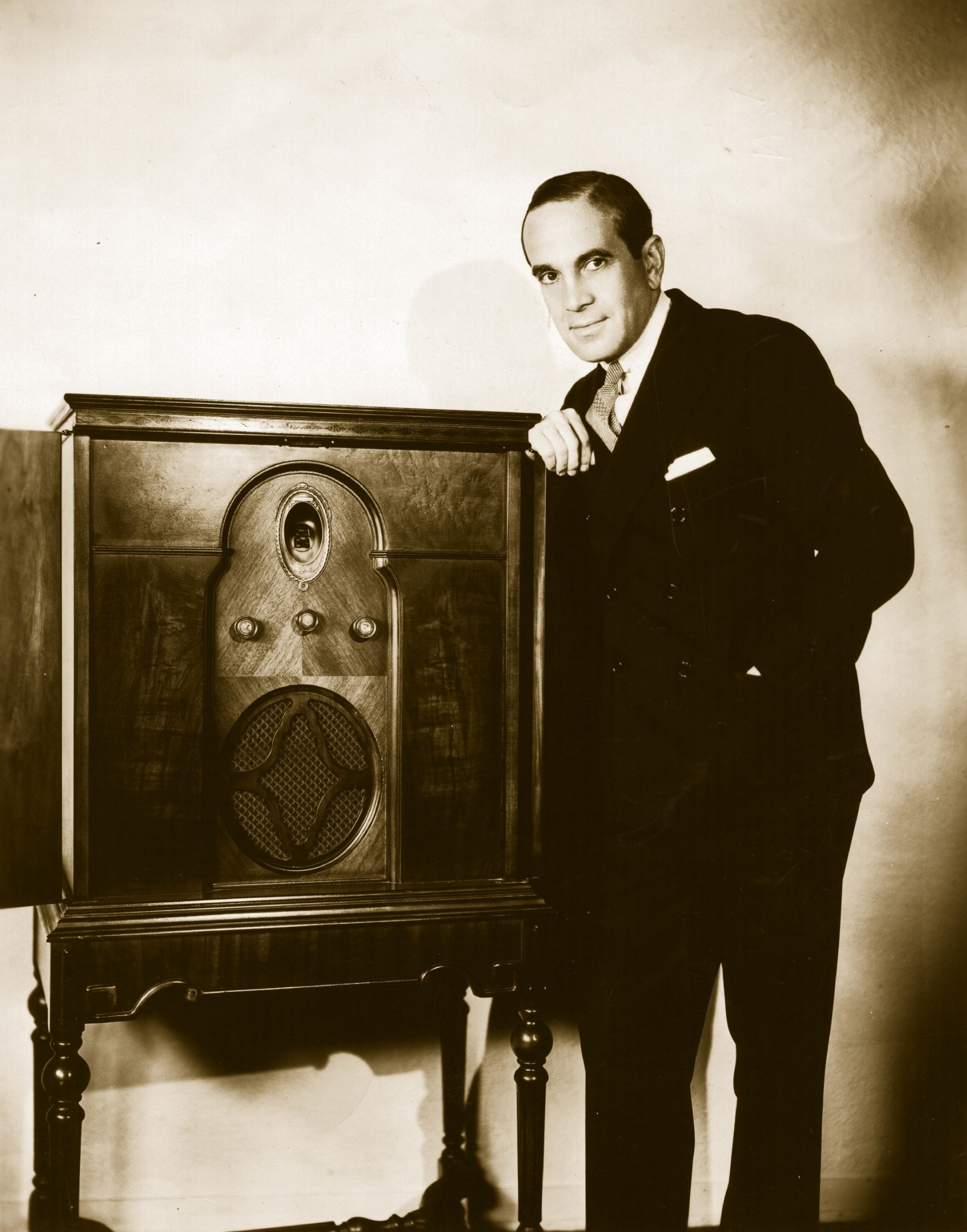
Al Jolson accumulated an immense fortune during the height of his career in the early-to-mid 20th century, becoming one of the wealthiest entertainers of the vaudeville, recording, and early cinema eras through massive theatrical earnings, successful investments, and publishing rights.
Evaluating the historical finances of early-20th-century entertainers requires a careful look at how fortunes were made, taxed, and preserved before the era of modern corporate management and global multi-media conglomerates. Al Jolson, often billed as "The World's Greatest Entertainer," stood at the absolute pinnacle of American show business from the 1910s through the 1930s. Analyzing al jolson net worth a historical financial profile provides a fascinating window into early American celebrity wealth, shedding light on how stage and film earnings translated into enduring financial assets, real estate holdings, and securities portfolios during periods of dramatic economic upheaval such as the Great Depression and World War II.
The Financial Landscape of Vaudeville and Early Broadway
To understand Jolson's financial accumulation, one must first examine the economic landscape of American entertainment in the decades preceding the widespread adoption of sound film. Vaudeville circuits and Broadway theatrical productions operated under high-stakes financial models where top-tier headliners commanded unprecedented percentages of box office receipts.
During his peak years on Broadway in productions like Sinbad and Big Boy, Jolson was not merely a salaried actor; he frequently negotiated profit-sharing agreements, bonuses, and guaranteed minimum weekly draws that far exceeded the earnings of contemporary industrial titans. Theater owners recognized that Jolson's presence alone guaranteed sold-out houses week after week. Consequently, his theatrical contracts established baseline compensation standards that redefined what stage performers could demand.
Beyond live theater, Jolson capitalized on the emerging commercial recording industry. As an exclusive artist for Columbia Records and later Brunswick Records, he secured favorable royalty structures on physical shellac discs. In an era before radio saturation, millions of households purchased recorded music, and Jolson's recordings of standards such as "Swanee" and "April Showers" generated continuous royalty streams that supplemented his live performance income.
The Cinematic Revolution and The Jazz Singer
The release of The Jazz Singer in 1927 by Warner Bros. marked a technological milestone that permanently altered the entertainment industry and exponentially magnified Jolson's earning potential. The financial arrangement behind The Jazz Singer differed significantly from modern backend profit participation, but it established precedents for star compensation in sound cinema.
Warner Bros. was taking a monumental financial gamble on synchronized sound technology. To secure Jolson's star power and bankability, the studio offered compensation packages that included substantial upfront salaries coupled with stock options and profit participation clauses. While the initial box office grosses of early talkies were impressive given the limited number of wired theaters, the long-term value lay in the cultural ubiquity Jolson achieved.
Following the success of The Jazz Singer, Jolson starred in subsequent early talkies such as The Singing Fool (1928), which grossed unprecedented sums for its era and helped rescue Warner Bros. from potential financial vulnerability while generating substantial returns for its star. His film earnings during this period were monumental, providing the liquid capital necessary to build a diversified portfolio of investments, real estate, and corporate securities before the onset of the 1929 stock market crash.
Asset Diversification, Real Estate, and Financial Resilience
Like many affluent individuals of the Roaring Twenties, Jolson faced the severe economic shocks of the 1929 stock market crash and the subsequent Great Depression. However, his financial resilience stemmed from a diversified asset allocation strategy that extended far beyond theater box offices.
Jolson invested heavily in prime real estate holdings, particularly in Southern California and New York, acquiring luxurious estates that retained intrinsic value even as equity markets plummeted. Furthermore, his wealth management included significant holdings in blue-chip corporate stocks, municipal bonds, and music publishing catalogs. Music publishing was a particularly lucrative asset class; owning shares of copyright and performance rights for songs popularized by Jolson and other artists ensured a steady stream of passive income through sheet music sales, radio broadcasts, and mechanical royalties.
| Asset Class | Primary Holdings | Historical Financial Impact |
|---|---|---|
| Live Performance Contracts | Broadway guarantees, vaudeville splits | Generated high-velocity liquid cash flow during peak earning years. |
| Recording Royalties | Exclusive contracts with Columbia and Brunswick | Provided consistent passive income from physical record sales. |
| Real Estate Portfolios | Luxury estates in New York and California | Preserved core capital value through the 1929 market crash and Depression. |
| Music Publishing Rights | Copyright shares and performance royalties | Yielded long-term revenue streams from sheet music and early radio. |
The table above illustrates the multi-pillar financial structure that shielded Jolson from complete financial devastation during economic downturns, contrasting sharply with performers who relied solely on weekly performance wages.
Taxation, Philanthropy, and Post-Depression Earnings
The introduction of steeply progressive federal income tax rates during and after World War II fundamentally transformed the net worth calculations of high-earning entertainers. By the 1940s, top marginal income tax rates in the United States exceeded 90 percent for the highest income brackets, altering how stars negotiated contracts and structured their financial affairs.
During his late-career resurgence sparked by the biographical films The Jolson Story (1946) and Jolson Sings Again (1949)—for which Larry Parks portrayed Jolson while Jolson provided the vocal performances—his earnings reached new nominal heights. However, due to modern tax codes, a significantly larger percentage of these earnings went toward federal and state tax liabilities rather than personal net accumulation.
Jolson was also renowned for his extensive philanthropy, supporting numerous theatrical charities, educational institutions, and war-bond drives during World War II and the Korean War. He frequently entertained troops overseas at personal expense, demonstrating a commitment to public service that impacted his liquid estate even as it cemented his legendary cultural status. When Jolson passed away in October 1950, his estate underwent probate administration, revealing a substantial portfolio of securities, real estate, and royalty rights that provided financial security for his surviving family members.
Frequently Asked Questions
What was Al Jolson's net worth at his peak?
While precise historical valuations converted to modern currency are difficult to calculate definitively due to inflation and evolving tax structures, Jolson accumulated an estate worth millions of dollars during his lifetime, placing him comfortably among the wealthiest entertainers of the pre-television era.
How did Al Jolson earn most of his money?
Jolson derived his wealth from multiple synergistic sources, including guaranteed profit-sharing theatrical contracts on Broadway, exclusive recording royalties, music publishing rights, early sound film compensation packages, and strategic real estate investments.
Did the Great Depression negatively impact Al Jolson's wealth?
Like most investors, Jolson experienced losses during the 1929 stock market crash and the ensuing Depression. However, his diversified holdings in real estate, music publishing, and secure bonds enabled him to weather the economic crisis better than many of his peers.
How did taxes affect earnings during Jolson's later career years?
By the 1940s, wartime and post-war federal income tax rates reached historic highs, with top brackets exceeding 90 percent. Consequently, a vast majority of the substantial revenues generated by his late-career biographical films went toward taxation rather than net worth accumulation.
Why is Al Jolson's financial history significant today?
Studying Jolson's financial profile offers valuable historical insight into the commercial evolution of American pop culture, demonstrating how early 20th-century performers transitioned from traditional wage earners into diversified business moguls and copyright holders.
Practical Considerations for Historical Financial Research
When examining the historical net worth of early entertainment figures, researchers must approach primary sources—such as probate records, contemporaneous trade publications like Variety, and studio contracts—with a critical eye. Inflation calculators provide a baseline for comparing historical sums to contemporary values, but they cannot fully account for dramatic shifts in purchasing power, tax policy, and asset availability across different centuries. For those investigating early entertainment economics, consulting archival records held at university libraries and industry repositories remains the most reliable method for verifying financial claims.